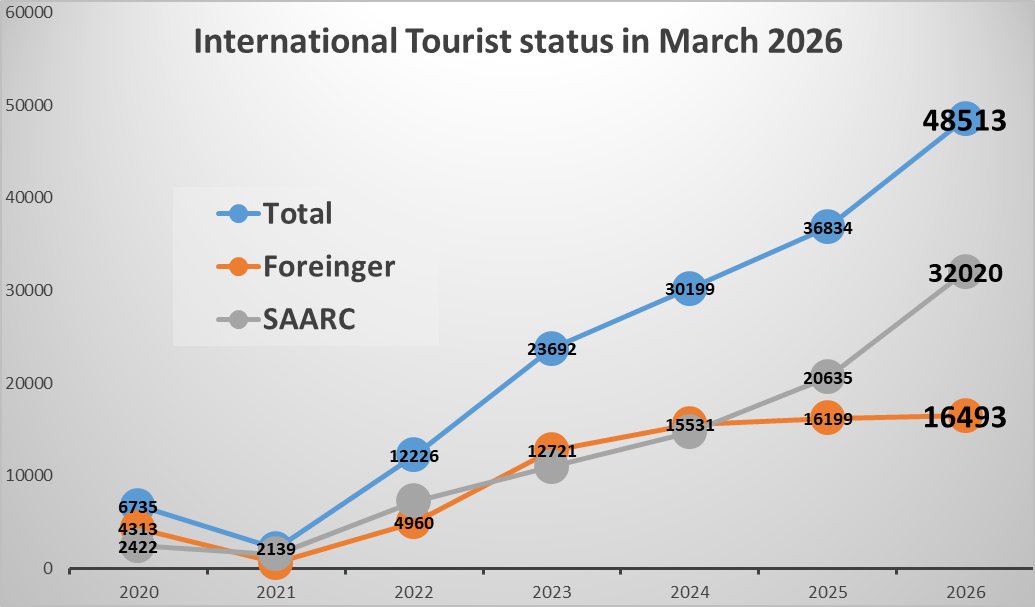
The Annapurna region has witnessed a remarkable upturn in tourist arrivals this March, marking one of the most significant increases in recent years. According to the latest data released by the Annapurna Conservation Area Project (ACAP), a total of 48,513 tourists explored the Annapurna Conservation Area in March 2026, showcasing a strong rebound and growth trend in Nepal’s trekking and adventure tourism sector.
This surge not only reflects the growing global interest in Nepal’s natural and cultural attractions but also highlights the renewed confidence of travelers following years of pandemic‑related slowdowns. The reported figures underscore a promising trajectory for Nepal’s tourism industry as it continues to recover and thrive amid changing global travel patterns.

Comparative Overview: 2026 vs. 2025 Traffic
When compared with March 2025, the latest numbers represent a substantial increase in visitor volume. In March 2025, ACAP recorded 36,834 tourists, making the 2026 figure of 48,513 a nearly 32 percent increase year‑on‑year. This dramatic rise is a clear indication that the Annapurna region is rapidly regaining its position as one of the most sought‑after trekking destinations in the world.
The composition of tourists also shifted in 2026. Of the total visitors, 16,493 were foreign nationals hailing from diverse international markets, while 32,020 were SAARC (South Asian Association for Regional Cooperation) nationals. In contrast, in March 2025, the breakdown showed 16,199 foreign tourists alongside 20,635 SAARC visitors. The most striking trend in 2026 is the strong performance of SAARC country travelers, whose numbers surged much more sharply than foreign visitors.
Foreign Tourists: Steady Numbers, Broader Reach
Although the number of foreign tourists increased only modestly, from 16,199 in March 2025 to 16,493 in March 2026, the slight uptick represents a rebound in global travelers returning to Nepal’s iconic trekking routes. This steadiness suggests that key markets such as Europe, North America, Australia, and parts of Asia are gradually restoring confidence in international travel, particularly in adventure tourism.
Industry experts believe that targeted marketing campaigns by the Nepal Tourism Board, improved flight connectivity, and positive word‑of‑mouth from travelers exploring the Annapurna Circuit in the past year have helped maintain foreign interest. Moreover, with tourism fairs, roadshows, and promotional events taking place in strategic markets over the last 12 months, Nepal’s profile as a premier trekking destination appears to be strengthening on the world stage.
SAARC Travelers Fuel Growth in 2026
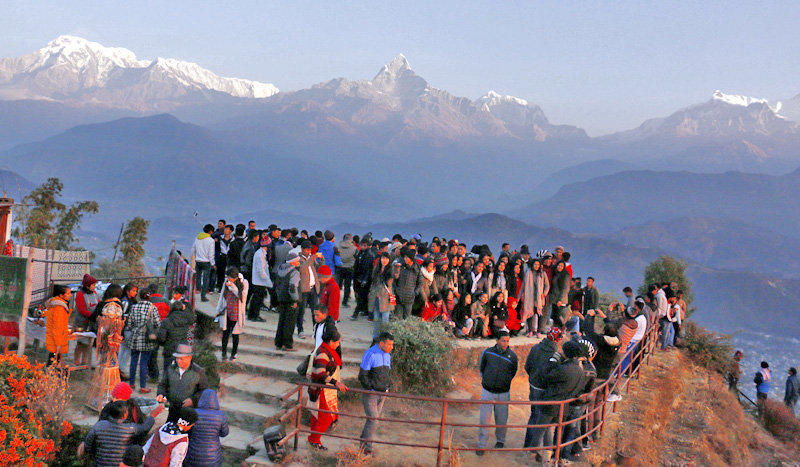
The most significant contributor to the growth in overall tourism numbers was the dramatic rise in visitors from SAARC countries. In March 2026, SAARC nationals accounted for 32,020 tourists, a notable increase from 20,635 in March 2025. This sharp growth, more than 55 percent year‑on‑year, highlights a resurgence in regional travel.
SAARC countries, including India, Bangladesh, Sri Lanka, Pakistan, Bhutan, the Maldives, and others, have increasingly sent tourists to Nepal due to geographical proximity, easier access, and stronger bilateral travel arrangements. Lower traveling costs, shorter flight durations, and cultural affinity have also made Nepal a preferred choice for SAARC tourists seeking short‑term adventure holidays. The Annapurna circuit, with its breathtaking landscapes and well‑developed trekking infrastructure, has become especially popular among regional trekkers.
Stakeholders in the tourism industry attribute this surge to improved cross‑border cooperation and promotional packages tailored to travelers from neighboring countries. Travel agencies have launched affordable, customized tour packages and seasonal discounts targeting SAARC travelers, which seem to be resonating well with the regional market.
Impact on Local Economy and Infrastructure
The growth in tourist arrivals has had a positive ripple effect on local economies across the Annapurna region. Increased footfall has boosted revenue for lodges, tea houses, trekking guides, porters, transportation services, and souvenir vendors. Local communities that depend heavily on tourism income are experiencing higher demand for goods and services, contributing to improved livelihoods and employment opportunities.

However, the increase in visitors also brings challenges related to environmental sustainability and infrastructure capacity. ACAP officials have reiterated the importance of responsible tourism practices to preserve the fragile ecosystem of the Annapurna Conservation Area. Emphasis has been placed on waste management, preservation of local culture, and sustainable trekking routes to ensure that rising visitor numbers do not negatively impact the region’s natural beauty.
Outlook for the Coming Months
Looking ahead, tourism authorities are optimistic that the upward trajectory will continue through the peak trekking seasons. With strategic planning, collaboration among stakeholders, and ongoing promotional initiatives, Nepal aims to further increase its appeal as a safe, accessible, and unforgettable travel experience for adventurers from around the world and the South Asian region.