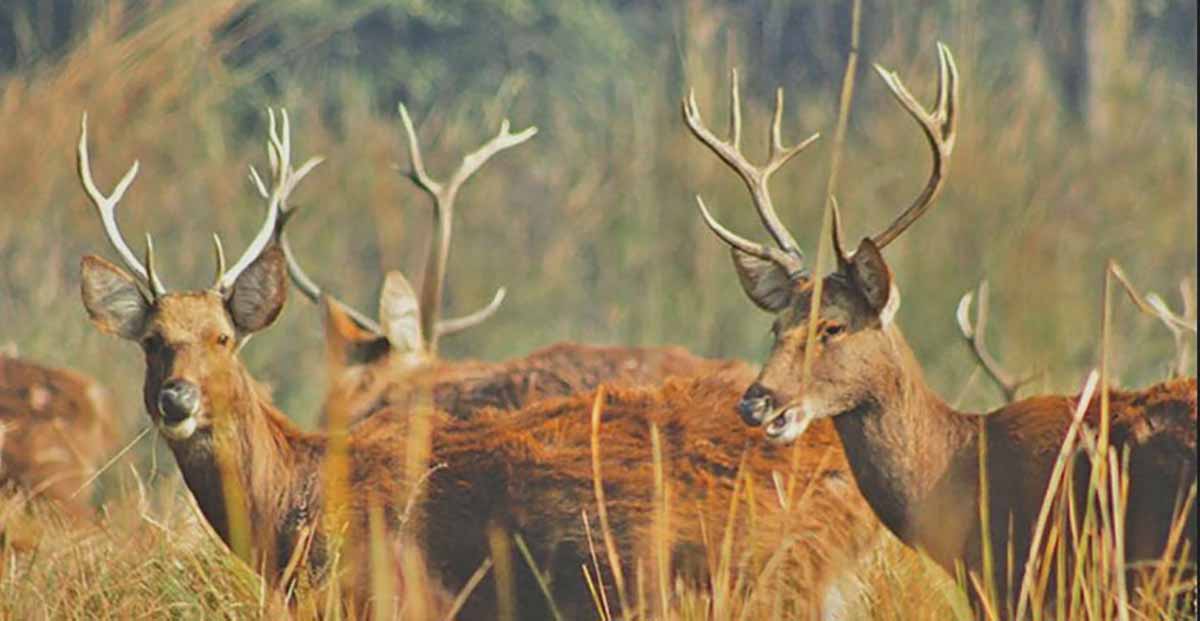
The annual census of swamp deer has officially begun in Shuklaphanta National Park, marking a key conservation exercise aimed at assessing the population and habitat conditions of one of Nepal’s most important grassland species.
35-Person Team Mobilized for Field Survey of Swamp Deer
According to Information Officer Purushottam Wagle, a total of 35 personnel have been deployed for the census. The survey is being conducted using the headcount method to ensure accurate estimation of the swamp deer population. The exercise is a joint initiative of the Shuklaphanta National Park office, the Nepali Army, and the National Trust for Nature Conservation (NTNC), reflecting a coordinated conservation effort.

Multi-Method Observation Approach
The census is being carried out using a combination of field techniques, including observation from machans (watch towers), vehicle patrols along fire lines, and elephant rides for deep grassland access. Officials are also utilizing modern equipment such as binoculars, cameras, telescopes, and drones to enhance accuracy and coverage of the survey area. The use of multiple methods is aimed at ensuring that deer in dense grasslands and remote areas are not missed during enumeration.
Two Daily Shifts for Accurate Counting
The wildlife counting process is being conducted in two shifts each day, from 6:00 am to 9:00 am and from 4:00 pm to 7:00 pm, when animal movement is most visible in the grassland. The census will continue until April 25, with teams systematically covering different zones of the park during the survey period. Along with population counting, teams are also assessing habitat conditions, food availability, and potential threats to wildlife in the region.
Shuklaphanta: A Key Grassland Habitat
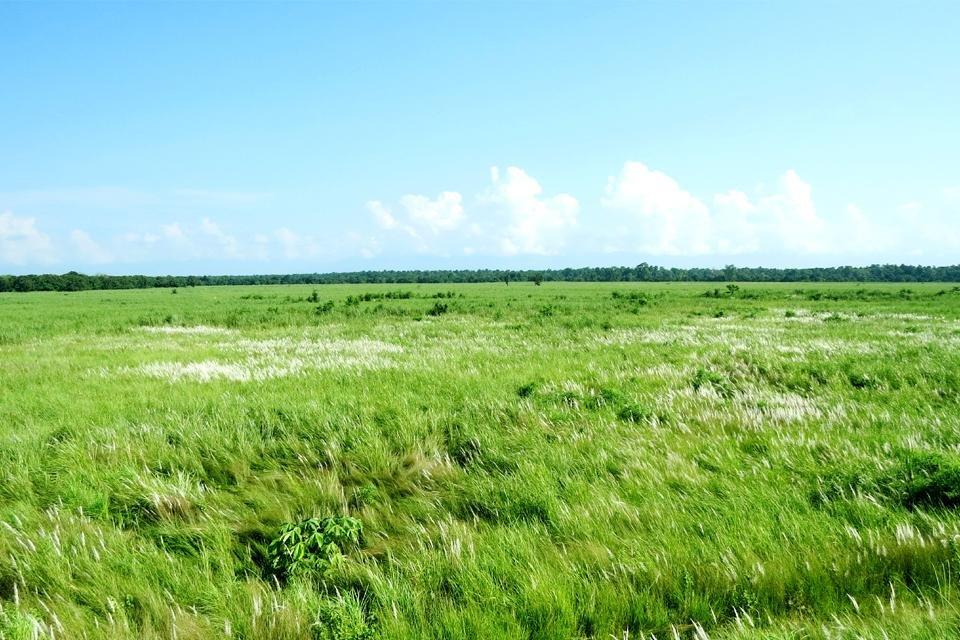
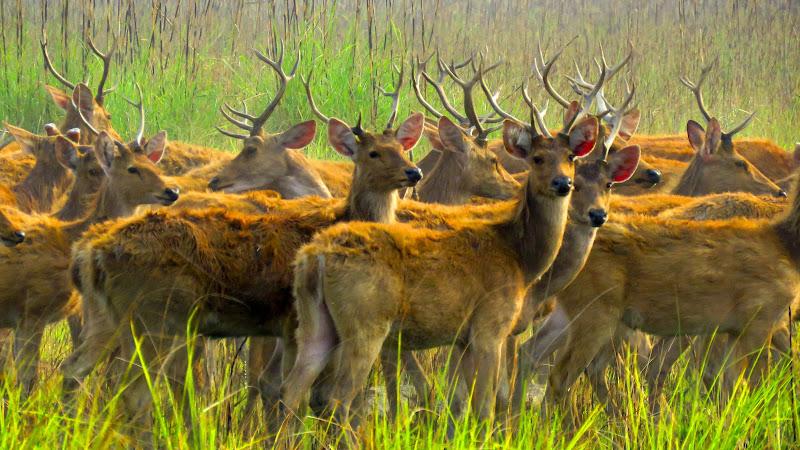
The Shuklaphanta grassland, which spans approximately 34 square kilometers from Majhgaun headquarters, is recognized as the largest continuous grassland in Nepal. It is globally significant for hosting one of the largest herds of swamp deer. Park officials noted that the habitat plays a crucial ecological role, also serving as an important prey base for predators such as tigers.

Stable Population and Expanding Range
According to the 2081 BS census, the swamp deer population in the protected area stood at 2,182. Park ranger Prayas KC stated that the current population trend remains satisfactory and stable. He added that recent sightings of swamp deer beyond traditional grassland zones indicate positive movement and potential expansion of habitat use. Officials have also expanded the current census coverage to include areas outside the core grassland to capture more comprehensive data on movement patterns.
Conservation Progress and Future Monitoring
Shuklaphanta National Park authorities said that improved food availability and suitable habitat conditions have contributed to the gradual increase in swamp deer numbers. The ongoing census is expected to provide updated data that will help guide future conservation strategies, habitat management, and anti-poaching efforts. As one of Nepal’s key wildlife monitoring exercises, the census is seen as essential for maintaining ecological balance and ensuring long-term protection of the species and its habitat.