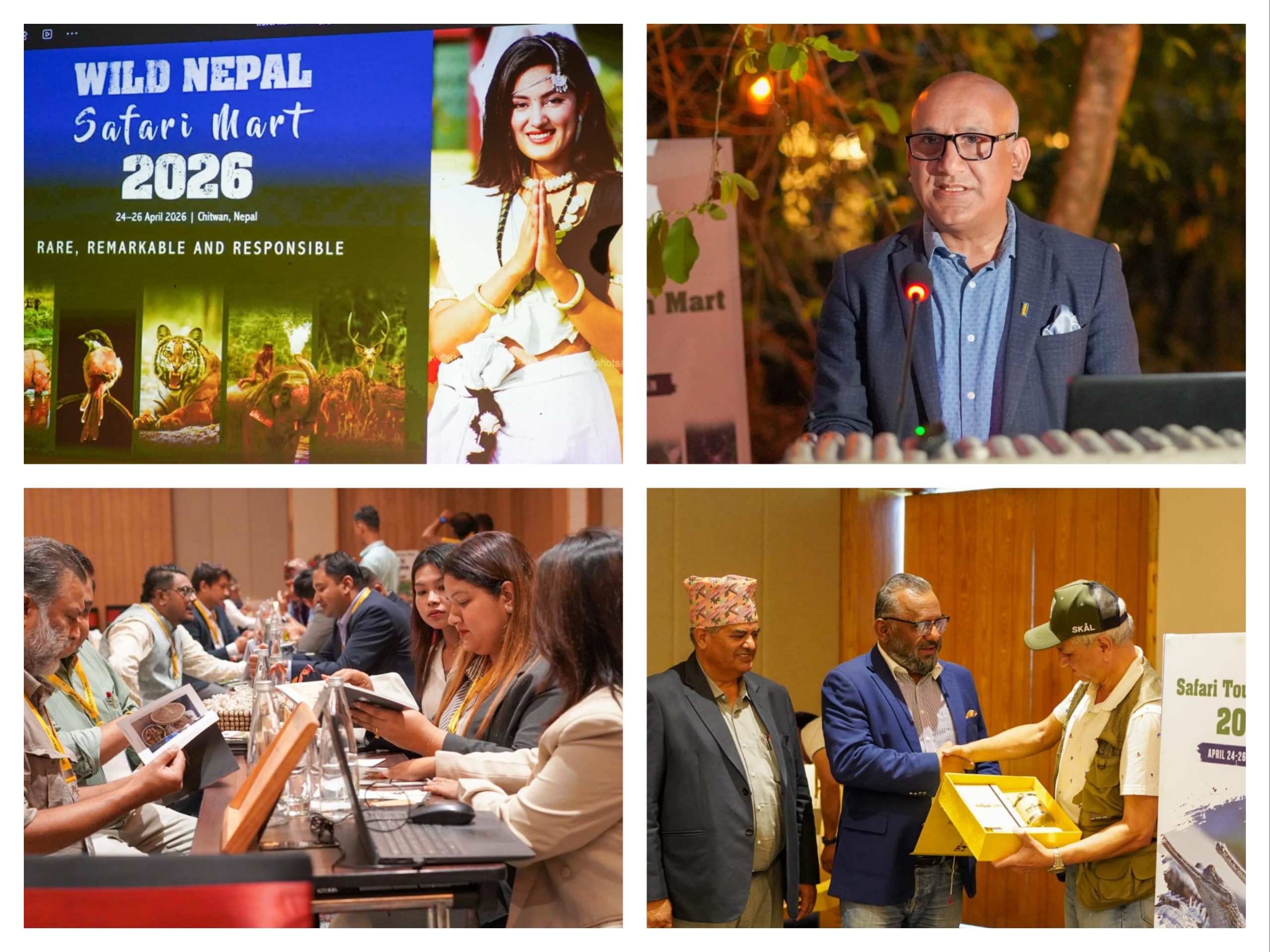
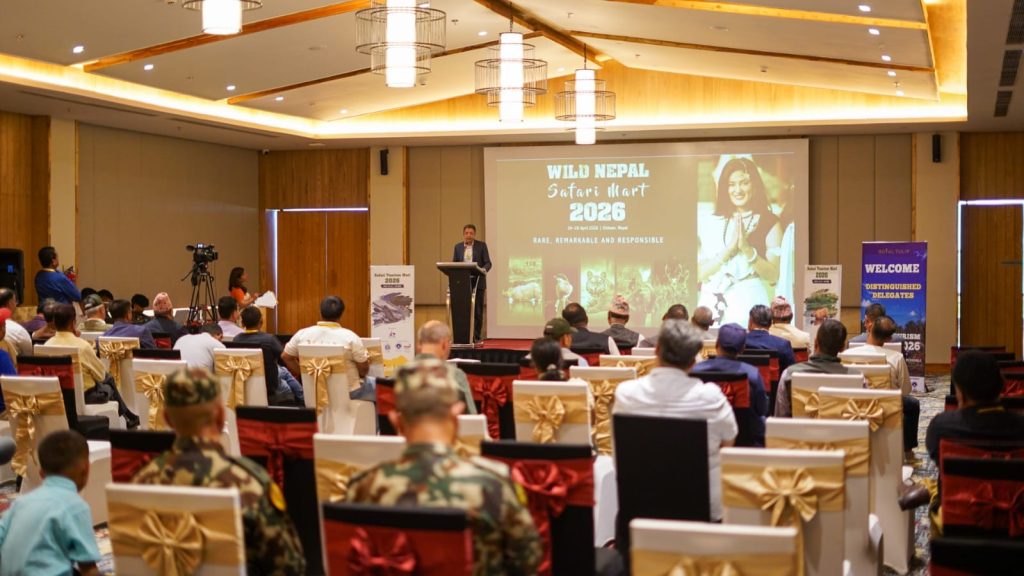
Nepal has taken a bold step in reshaping how it promotes tourism by placing its national parks at the center of global attention through the inaugural Wild Nepal Safari Mart 2026. The event was held in Meghauli, Chitwan, from April 24 to 26, under the theme “Rare, Remarkable and Responsible.”
Concluding on April 26, the three-day gathering marked a strategic departure from traditional destination-based promotion toward a more structured, product-focused approach to wildlife tourism. The initiative aimed to position Nepal as a serious global player in safari and conservation-based travel experiences.

Organized by the Nepal Tourism Board (NTB) in collaboration with Bharatpur Metropolitan City and the Regional Hotel Association Nepal, Chitwan, the Mart served as a platform to connect conservation, tourism entrepreneurship, and international travel trade.
Strong International Participation and Business Engagement
The event brought together a diverse mix of stakeholders, including international tour operators, conservation experts, and tourism entrepreneurs. Delegates arrived from India, Bangladesh, Thailand, Turkey, and Germany, reflecting growing global interest in Nepal’s wildlife offerings.
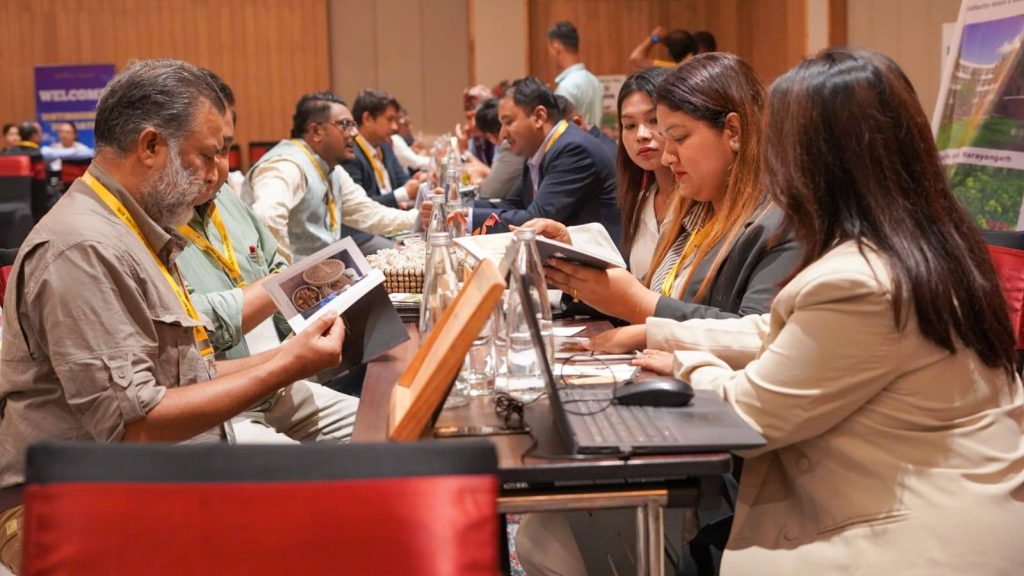
A key highlight of the Mart was its structured B2B networking sessions, where Nepali tourism operators engaged directly with international buyers. Alongside business meetings, participants also took part in field excursions to nearby protected areas and experienced cultural programs showcasing local traditions. Organizers reported that the combination of business interaction and on-site exposure helped create stronger confidence in Nepal’s capacity to offer high-quality wildlife tourism experiences.
Tourism as a Driver of Investment and Experience
During the event, international tourism expert Bulut Bagci emphasized the economic potential of tourism, describing it as a powerful driver of investment. He noted that destinations like Nepal benefit not only from natural attractions but also from their ability to attract global capital through tourism.
He highlighted Nepal’s unique geographical diversity, pointing out how visitors can experience plains, jungles, and hills within a short distance. According to him, this rare combination strengthens Nepal’s position as a year-round tourism destination. Bagci also praised Chitwan’s evolving tourism landscape, noting how biodiversity, climate variation, and cultural richness come together to create a distinctive travel experience.

Conservation and Responsible Tourism at the Core
The opening ceremony set the tone for the event with a strong emphasis on sustainability. Deepak Raj Joshi, Chief Executive Officer of NTB, stated that the Mart was not only about promoting destinations but about aligning tourism growth with environmental responsibility.
He stressed that responsible tourism must focus on protecting ecosystems, empowering local communities, and ensuring ethical and climate-conscious travel practices. According to him, Nepal’s future tourism model must balance economic benefits with long-term conservation goals.
Insights from Protected Area Managers
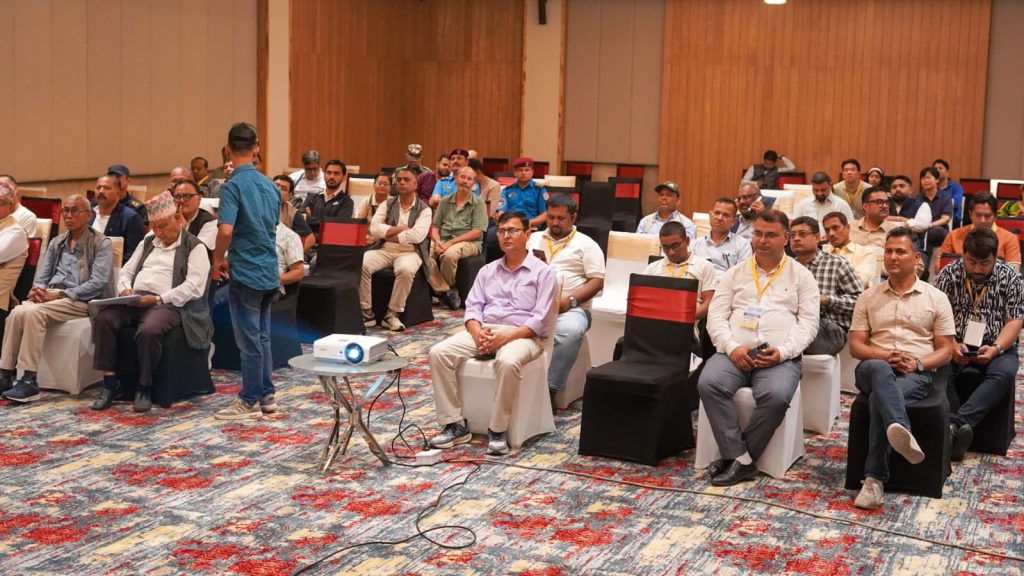
Wardens from several of Nepal’s major protected areas shared insights into both opportunities and challenges in wildlife tourism development. From Koshi Tappu Wildlife Reserve, Warden Bhupendra Yadav highlighted its global ecological importance, noting its status as a Ramsar site with more than 535 recorded bird species. He suggested that it has the potential to become a leading birdwatching destination in Asia if developed as a high-value, low-impact tourism site.
Similarly, Warden Chandra Shekhar Chaudhary from Shuklaphanta National Park emphasized the park’s vast grasslands and strong wildlife presence, stating that it remains one of Nepal’s most underutilized tourism assets.
From Parsa National Park, Warden Ramchandra Khatiwada underlined the importance of collaboration between neighboring parks. He suggested that rather than competing, Chitwan and Parsa should be developed as interconnected destinations, offering integrated tourism packages for visitors.

Strategic Shift Toward Integrated Safari Tourism
At the strategic level, NTB Senior Manager Surya Thapaliya outlined Nepal’s evolving tourism vision. He explained that the country is moving away from general promotion toward structured product branding, with wildlife tourism emerging as a key focus.
He introduced the concept of a “Greater Chitwan” tourism circuit, designed to connect multiple protected areas into a single, cohesive safari experience. This approach aims to extend visitor stays and distribute tourism benefits more evenly across regions.
Thapaliya also highlighted Nepal’s geographical advantage, particularly its open border with India, which enables strong regional tourist flow. He proposed linking at least six national parks into a unified safari network to strengthen Nepal’s competitive position in South Asian tourism. He further emphasized the need to brand safari tourism as a distinct national identity product, capable of attracting international attention and investment.
Cultural Immersion and Lasting Impressions
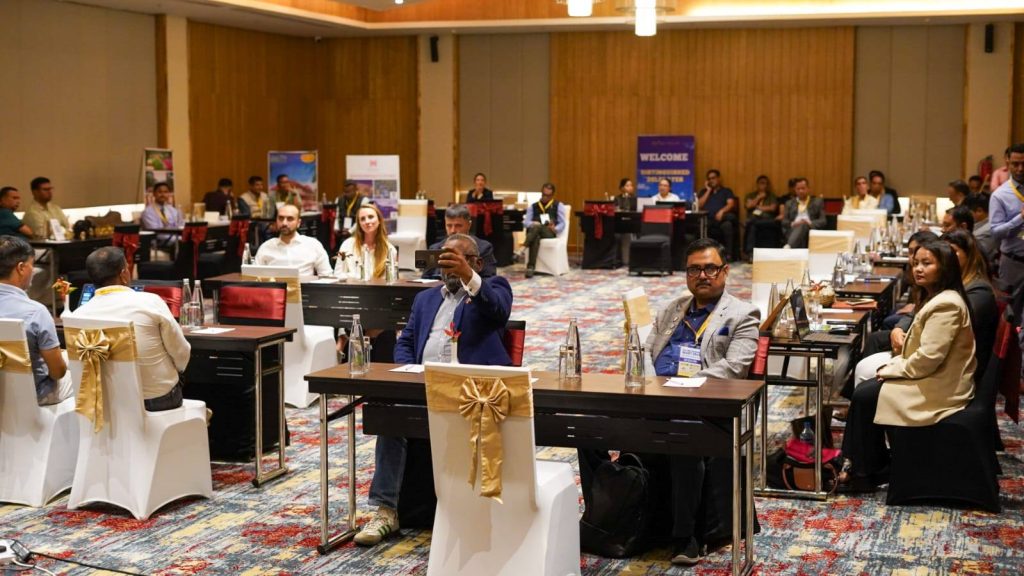
Beyond business discussions, the Mart also included cultural showcases and guided field visits. Participants experienced local traditions, cuisine, and wildlife encounters firsthand, adding depth to the formal sessions.
Delegates noted that Chitwan is increasingly emerging as a premium wildlife destination, offering authentic and well-managed experiences that combine nature and culture. The immersive format of the event helped reinforce Nepal’s image as a destination where conservation and tourism can coexist effectively.

The Wild Nepal Safari Mart 2026 has marked a turning point in Nepal’s tourism strategy. By integrating wildlife conservation, international collaboration, and structured tourism marketing, the country has taken a significant step toward redefining its global identity.
The Nepal Tourism Board emphasized that this initiative is not just about attracting visitors, but about building a responsible tourism model that ensures long-term ecological and economic sustainability. With this approach, Nepal aims to position itself as a leading destination for ethical and experience-driven wildlife tourism in the years ahead.