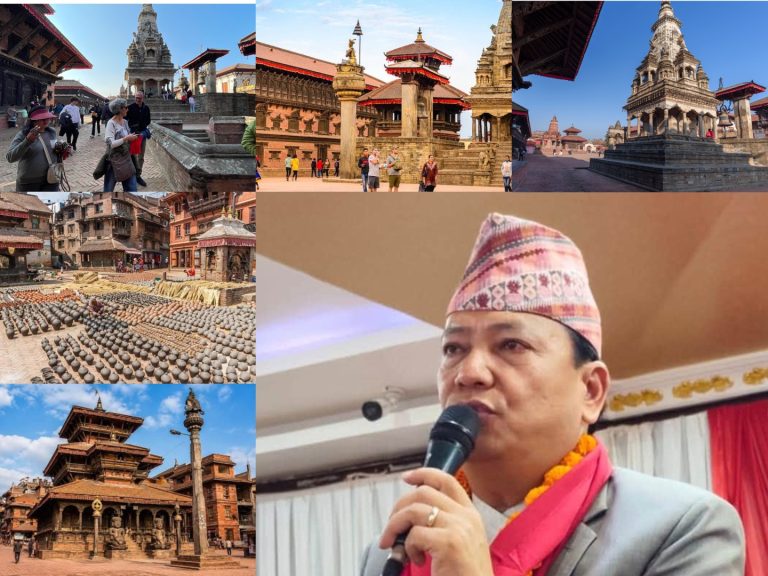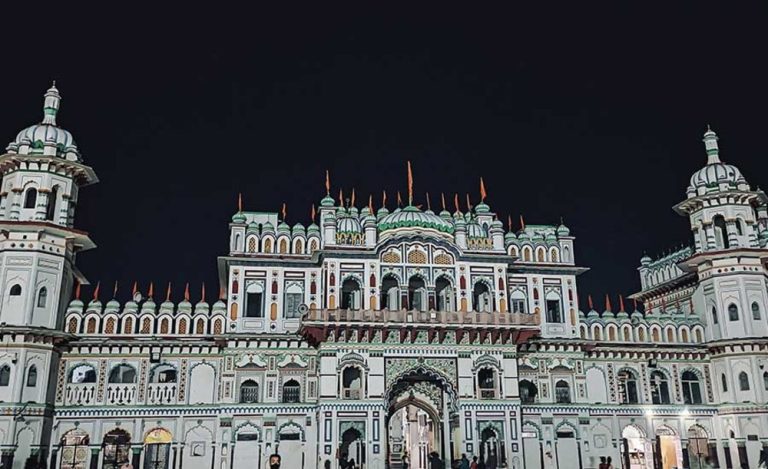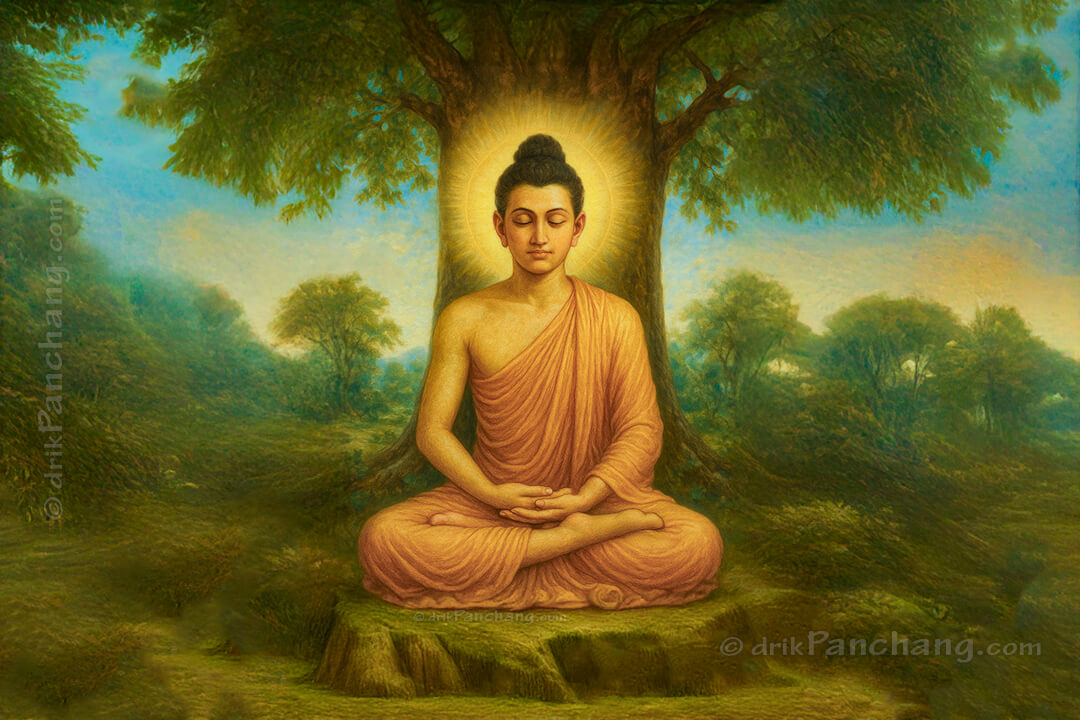
Buddha Jayanti, also known as Buddha Purnima, stands as one of the most sacred and widely observed festivals among Buddhists across the globe. Celebrated on the full moon day of the month of Baisakh (April–May), the occasion commemorates the birth, enlightenment, and passing (Mahaparinirvana) of Gautama Buddha. In Nepal, the birthplace of the Buddha, the festival carries profound spiritual, cultural, and national significance, marked by deep reverence, rituals, and vibrant celebrations.
Historical Significance of Buddha Jayanti
The origins of Buddha Jayanti are rooted in the life of Siddhartha Gautama, who was born in 623 B.C. in Lumbini. Born into a royal family, Prince Siddhartha lived a life of luxury within palace walls. However, upon encountering the harsh realities of life, old age, sickness, and death, he renounced worldly comforts at the age of 29 in pursuit of truth and liberation.

After years of meditation and ascetic practices, he attained enlightenment under the Bodhi tree in Bodh Gaya. From that moment onward, he became known as the Buddha, or “The Enlightened One.” For the next several decades, he traveled across the Indian subcontinent, spreading teachings centered on compassion, non-violence, and the Middle Path. His life journey concluded at the age of 80 in Kushinagar, where he attained Mahaparinirvana.
The Unique Triple Celebration
One of the most remarkable aspects of Buddha Jayanti is its rare triple significance. According to Buddhist tradition, the Buddha’s birth, enlightenment, and death all occurred on the same full moon day of Baisakh. This convergence makes the festival deeply symbolic, representing the complete cycle of life.
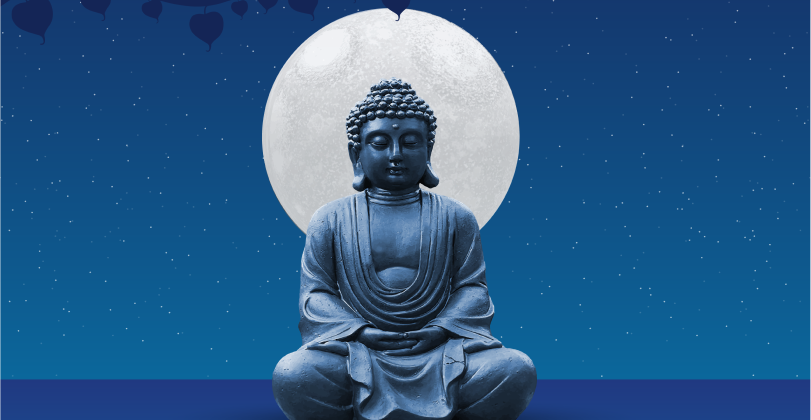
The triple observance encourages followers to reflect on the impermanent nature of existence and reinforces the Buddha’s teachings on mindfulness, compassion, and detachment. It serves as a reminder that enlightenment is attainable through self-awareness and ethical living.
Rituals and Celebrations in Nepal
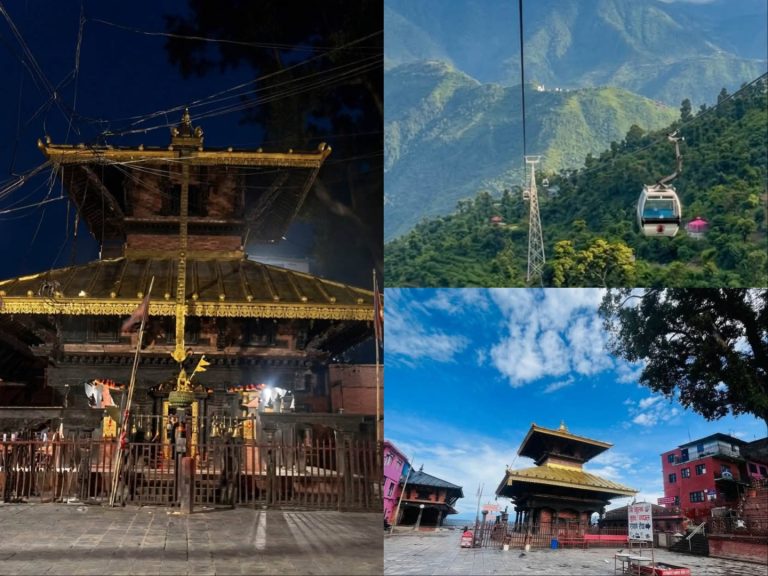
In Nepal, Buddha Jayanti is observed as a national public holiday, reflecting the country’s pride in being the birthplace of the Buddha. Celebrations take place across major religious sites such as Swayambhunath and Boudhanath, drawing thousands of devotees, monks, and tourists.
Monasteries and stupas are beautifully adorned with colorful prayer flags and illuminated with butter lamps. Devotees begin their day early with prayers and chants, offering flowers, incense, and alms to monks. Many observe vegetarianism and abstain from alcohol and meat, symbolizing purity and respect.
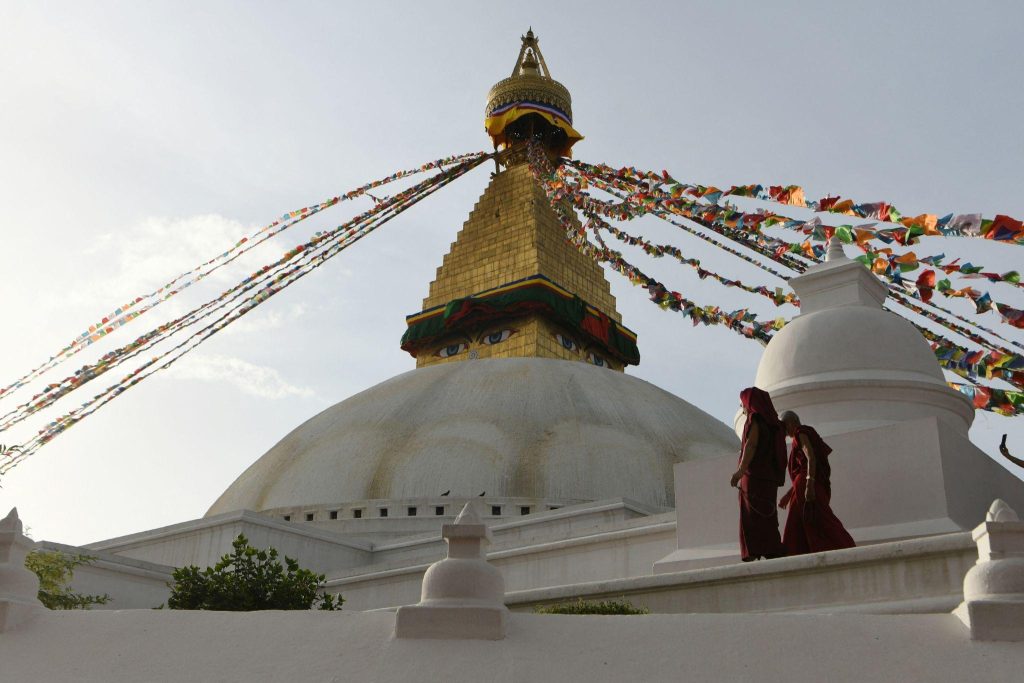
Temples host Dharma talks and recitations of the Tripitaka, the sacred Buddhist scriptures. In cities like Kathmandu, processions featuring Buddha statues and traditional music create a spiritually uplifting atmosphere, blending devotion with cultural expression.
Lumbini: The Heart of the Celebration
At the center of Buddha Jayanti celebrations lies Lumbini, a UNESCO World Heritage Site and the sacred birthplace of the Buddha. Each year, thousands of pilgrims and international visitors gather here to participate in rituals and meditation.
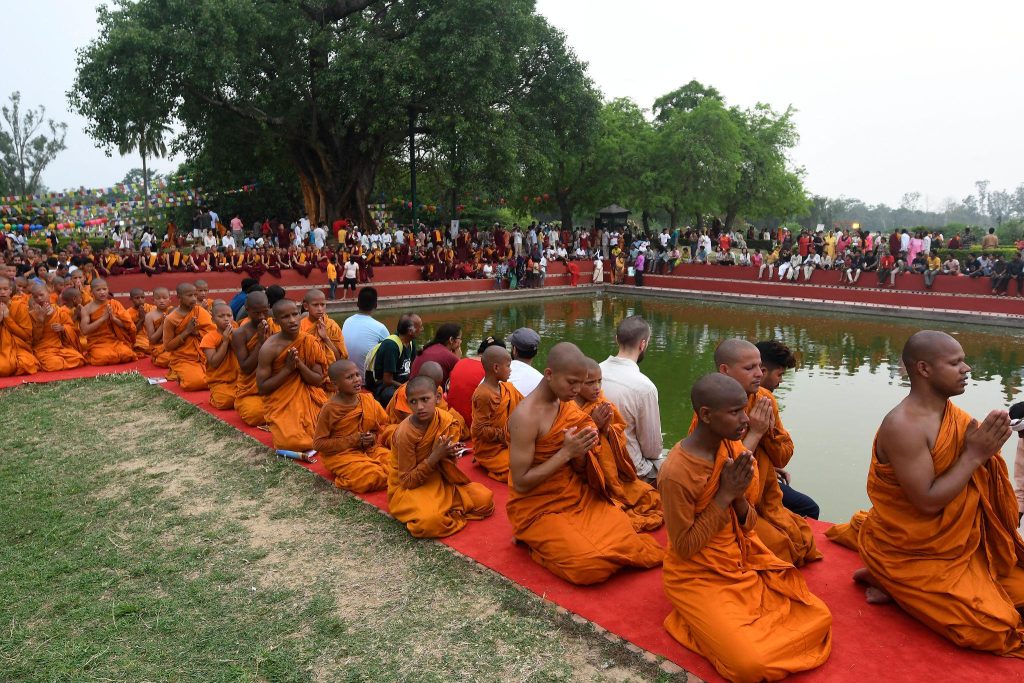
The Maya Devi Temple, believed to mark the exact spot where Queen Maya Devi gave birth to Siddhartha Gautama, becomes the focal point of activities. The surrounding Lumbini Development Zone, which hosts monasteries built by various countries, transforms into a vibrant hub of spiritual unity and cultural exchange, reflecting the global appeal of Buddhism.
Global Observance of Buddha Jayanti
While Nepal holds a unique place in the celebration, Buddha Jayanti is observed worldwide. Countries such as Sri Lanka, Thailand, Myanmar, Japan, and South Korea celebrate the day with rituals adapted to their cultural traditions.
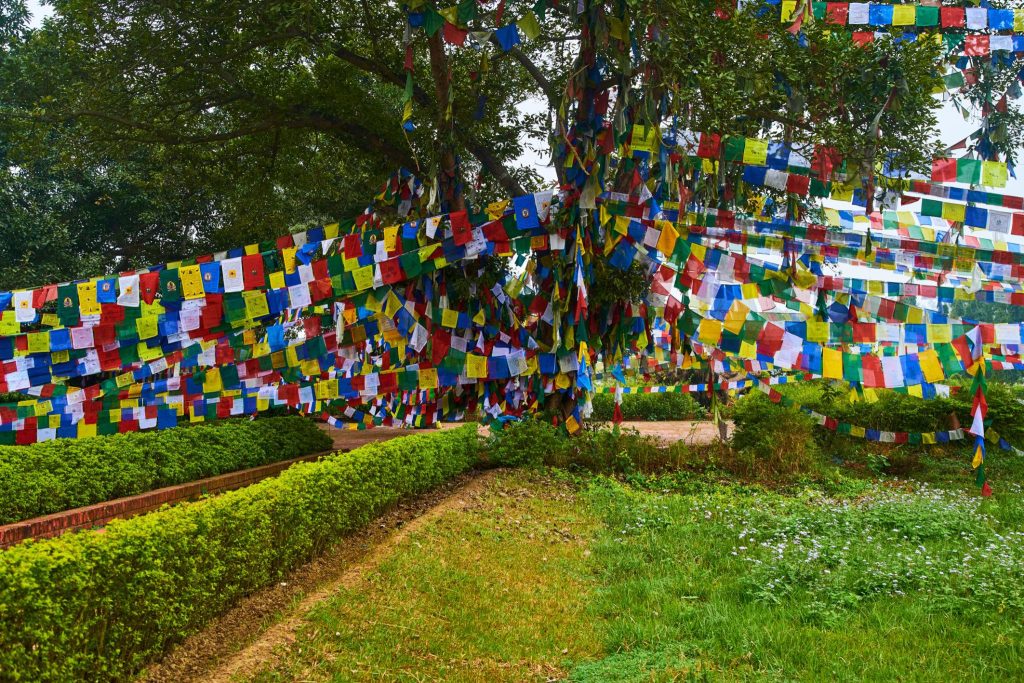
Though dates may vary slightly due to lunar calendar differences, the essence remains universal, honoring the Buddha’s teachings of peace, tolerance, and enlightenment. In Western countries as well, Buddhist communities organize meditation sessions, lectures, and cultural events to mark the occasion.
Symbolic Acts and Core Values
Beyond rituals, Buddha Jayanti emphasizes moral and spiritual values. Devotees engage in acts of charity such as distributing food, donating to the underprivileged, and supporting monasteries. Symbolic gestures like freeing captive animals represent compassion and non-violence.
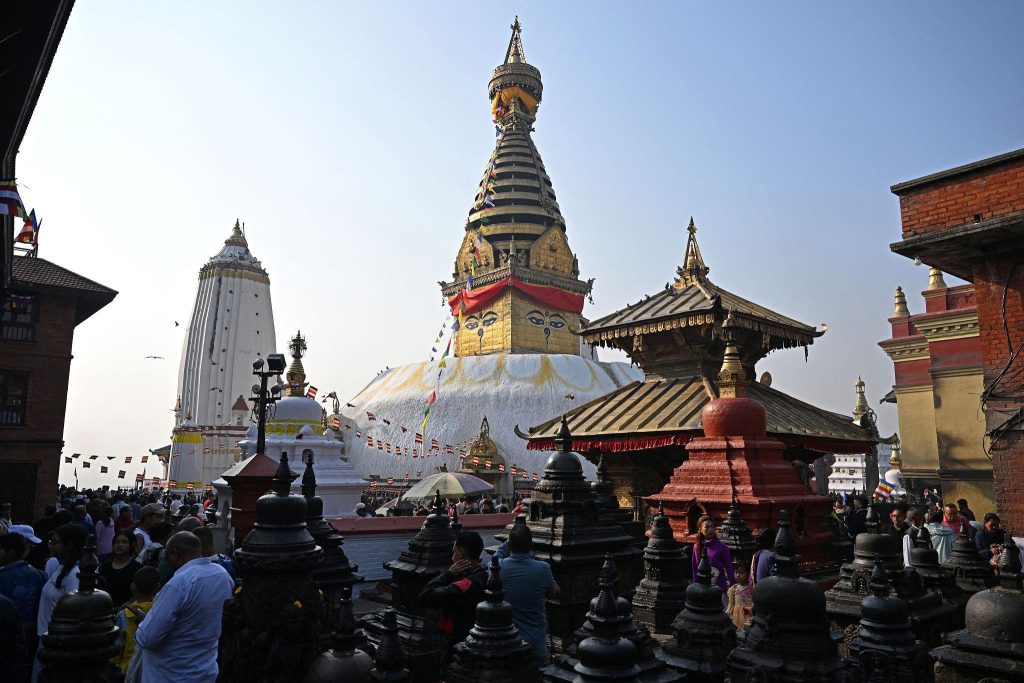
Educational institutions and community organizations host discussions, exhibitions, and storytelling sessions to spread awareness about Buddhist philosophy. The festival becomes a platform for teaching younger generations about the importance of non-attachment, ethical conduct, and universal love.
Tourism and Economic Impact
Buddha Jayanti also plays a vital role in promoting Nepal’s tourism industry. The influx of pilgrims and international visitors to Lumbini and other heritage sites significantly boosts local businesses, including hotels, restaurants, transport services, and handicraft markets.
The festival highlights Nepal as a key destination for spiritual and cultural tourism. Authorities and tourism stakeholders increasingly view such occasions as opportunities to showcase the country’s rich heritage while fostering global cultural exchange and interfaith dialogue.
Buddha Jayanti in the Modern World
In today’s fast-paced and often material-driven world, the teachings of the Buddha hold renewed relevance. His emphasis on mindfulness, inner peace, and compassion resonates across cultures and religions. As stress, conflict, and environmental challenges grow, the Buddha’s message offers a path toward balance and harmony.
Buddha Jayanti provides an opportunity for individuals to pause, reflect, and reconnect with deeper values. It encourages people to cultivate kindness, practice self-awareness, and contribute positively to society.

A Universal Message of Peace and Humanity
Buddha Jayanti transcends religious boundaries, emerging as a universal celebration of peace, wisdom, and humanity. For Nepal, the festival is both a matter of national pride and spiritual heritage. The country’s role as the birthplace of the Buddha gives it a special place in the global Buddhist community.
As people around the world come together to honor the life and teachings of Gautama Buddha, the festival serves as a reminder of the enduring power of compassion and understanding. Whether one follows Buddhism or not, the message of the Buddha continues to inspire individuals toward a more meaningful, harmonious, and enlightened life.