Ubhauli Parva, the most significant festival of the Kirant community, is being celebrated across Nepal today with great enthusiasm, traditional rituals, and communal harmony. Marked by offerings to Bhumesthan, the deity of land, the festival reflects the deep spiritual and agricultural roots of the Kirati people.
A Festival Rooted in Nature and Agriculture
Observed annually on the full moon day of the month of Baishakh in the lunar calendar, Ubhauli coincides with Buddha Jayanti, the birth anniversary of Gautama Buddha. While Buddha Jayanti holds national and global religious importance, Ubhauli carries a distinct cultural and agricultural significance for the Kirant community. The festival is predominantly celebrated in districts of Koshi Province, as well as in the Kathmandu Valley, where Kirati communities reside in large numbers.

Religious Significance and the Mundhum Tradition
According to the Mundhum, the sacred religious scripture of the Kirant people, time is divided into two major phases: Udhauli and Ubhauli. These divisions are closely tied to agricultural cycles and seasonal migration patterns.
Ubhauli marks the beginning of the farming season, when people move upwards towards higher lands. It is a time to pray for favorable weather, a successful planting season, and overall prosperity. The festival symbolizes renewal, growth, and harmony with nature, values deeply embedded in Kirati culture.
Rituals, Worship, and Sakela Dance
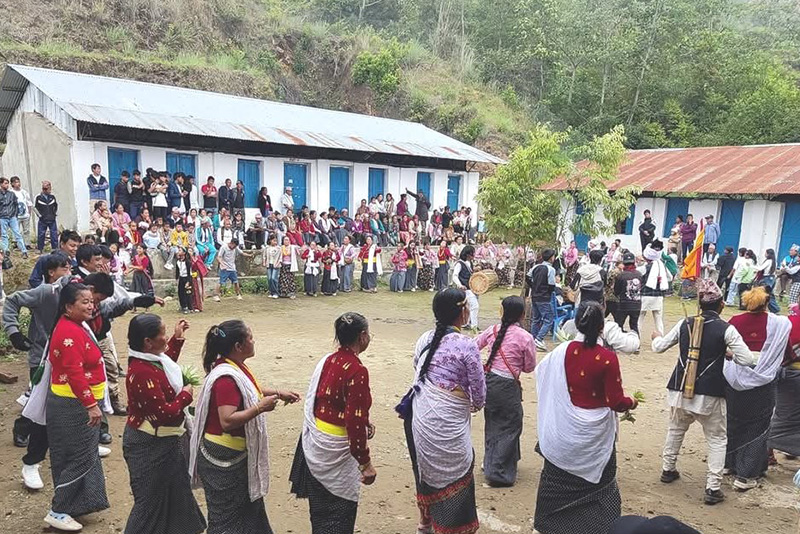
Ubhauli is celebrated through elaborate rituals and vibrant cultural expressions. Devotees gather at sacred sites known as Sakelasthan to offer prayers to the land and ancestral deities. Worship of Bhumesthan highlights the community’s strong connection to nature and agriculture.
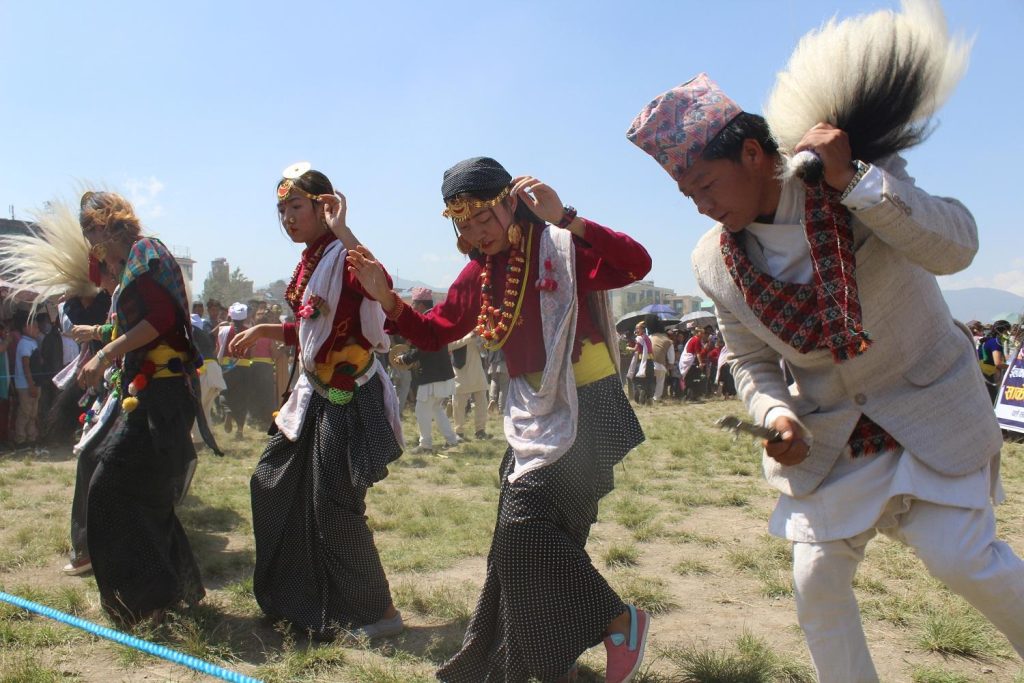
A major highlight of the festival is the traditional Sakela dance (also known as Sakela Sili), performed in groups wearing traditional attire. The rhythmic dance, accompanied by drums and chants, symbolizes unity, joy, and gratitude toward nature. Participants form circles and move in synchronized patterns, reflecting the cycle of life and seasons.
Celebrations in Lalitpur and Beyond
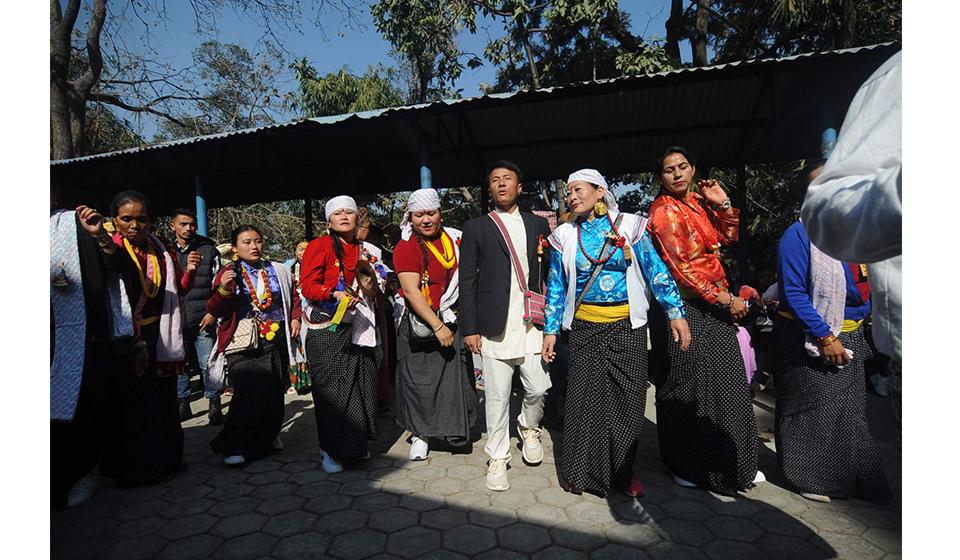
In the Kathmandu Valley, the Kirant Rai Yayokhha has organized special worship and celebrations at Sakelasthan in Hatiban, Lalitpur. Hundreds of devotees are expected to gather for rituals, dances, and cultural programs throughout the day.
Meanwhile, in Yeselukharka of Khotang District, locals observe a slightly different tradition. According to longstanding local customs, the community celebrates Ubhauli on Jestha 22 instead of the Baishakh full moon, demonstrating the diversity within Kirati cultural practices.
A Celebration of Unity and Goodwill
Beyond rituals, Ubhauli serves as a social occasion where families and communities come together to exchange good wishes, strengthen bonds, and celebrate their shared heritage. The festival fosters a sense of unity and belonging among the Kirati people, both in rural villages and urban centers.

Preserving Indigenous Culture in Modern Times
Ubhauli Parva continues to play a vital role in preserving the indigenous identity, traditions, and values of the Kirant community. In a rapidly modernizing world, such festivals offer an opportunity to reconnect with ancestral knowledge, sustainable living practices, and respect for nature.
As celebrations unfold across the country today, Ubhauli stands not only as a cultural festival but also as a reminder of Nepal’s rich ethnic diversity and the enduring relationship between people and the land they depend on.