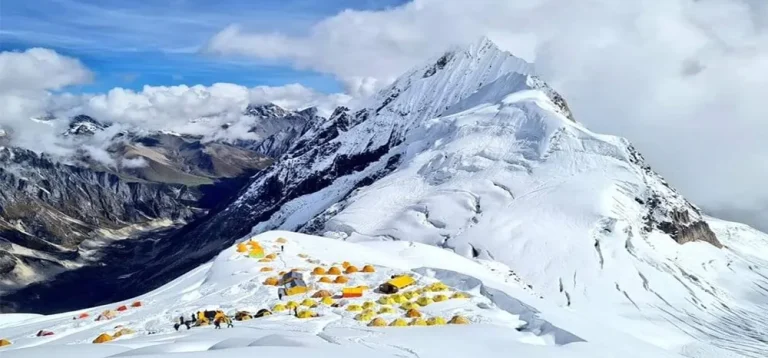
The climbing route to Mount Everest has officially been opened for the 2026 spring mountaineering season after the successful completion of rope fixing from base camp to the summit. With the installation of fixed ropes along the entire route, the world’s highest peak is now fully accessible for climbing expeditions, marking the formal start of this year’s Everest climbing season.
The opening of the route was confirmed after the successful coordination of route-fixing teams who completed the critical and highly technical task of establishing a safe passage to the summit on Wednesday at 10:25 AM.

Government Assigned Route Management Responsibilities
The Ministry of Culture, Tourism, and Civil Aviation, Nepal, had earlier assigned the responsibility of managing the rope-fixing operations for Everest, Lhotse, and Nuptse to the Sagarmatha Pollution Control Committee and the Nepal Mountaineering Association.
These organizations were entrusted with ensuring the safe establishment of climbing routes, managing logistics in the extreme high-altitude environment, and coordinating with experienced Sherpa climbers and technical specialists known as “Icefall Doctors.”
Officials said the responsibility was part of Nepal’s long-standing system of collaborative route management, which ensures safety and efficiency during the high-altitude climbing season in the Himalayas.
Icefall Doctors and Guides Complete Critical Mission
According to the Department of Tourism Nepal, the route fixing team completed the installation of ropes from the Everest Base Camp up to the summit earlier this week, officially opening the route for climbers from around the world.
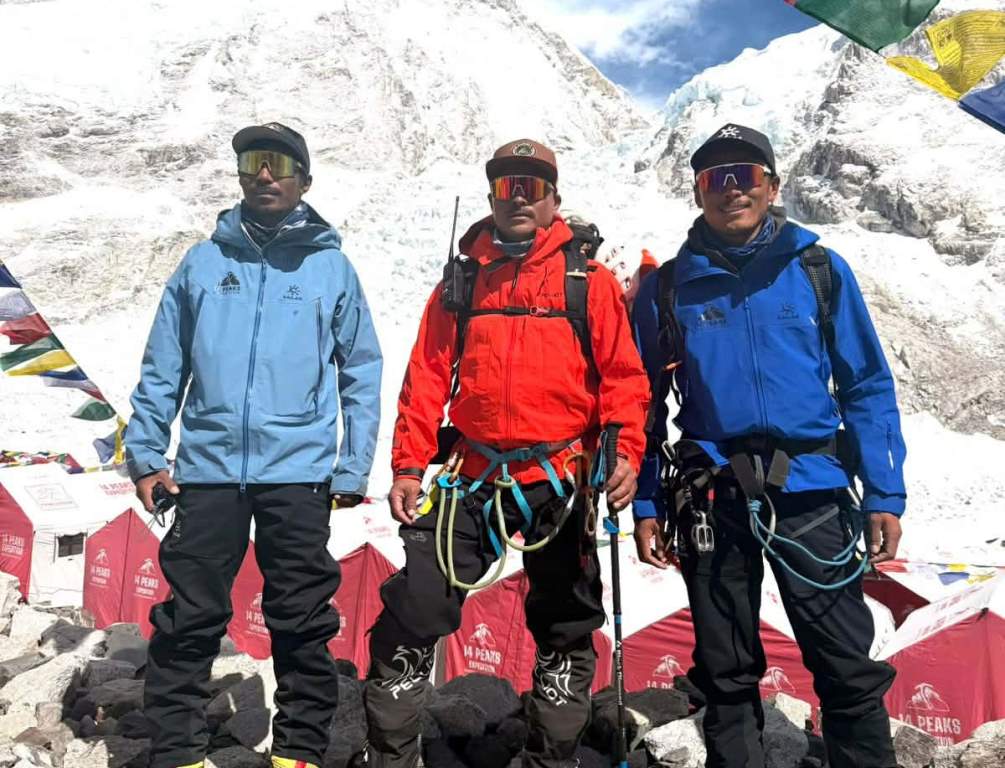
The operation involved two specialized groups of mountaineering experts. Eight Icefall Doctors were responsible for fixing ropes and ladders from Base Camp to Camp II, a section widely considered one of the most dangerous parts of the climb due to shifting glaciers and deep crevasses in the Khumbu Icefall.
From Camp II to the summit, 11 experienced Sherpa guides carried out the final rope installation work across high-altitude terrain, including the South Col, Balcony, and Hillary Step sections, ensuring a continuous and secure route to the top.
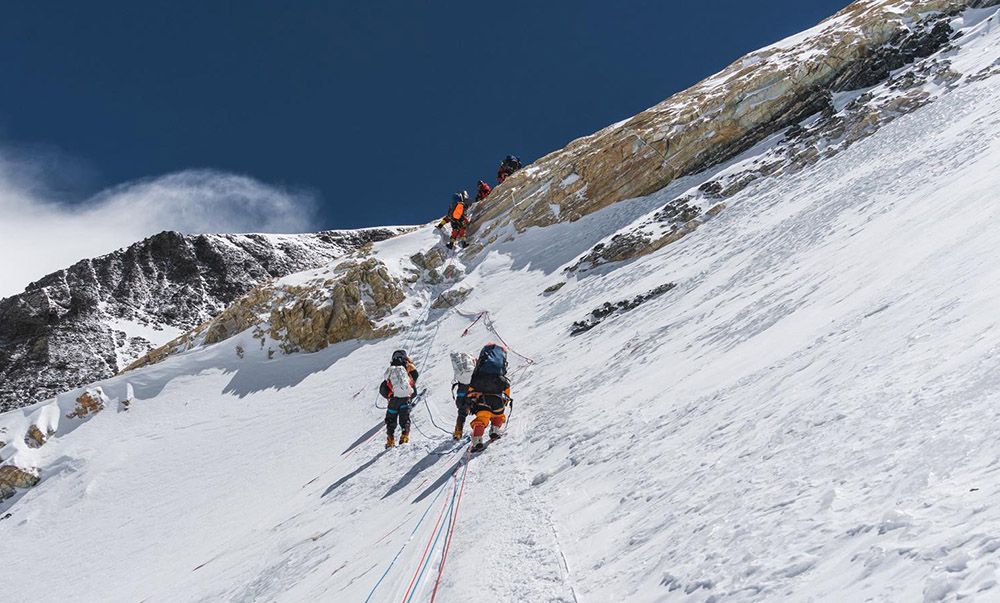
Officials expressed deep appreciation for the dedication, courage, and technical expertise of the Icefall Doctors and Sherpa climbing team, noting that their work is essential for enabling safe international expeditions on Everest each year.
Everest Season Officially Begins for 2026
With the completion of rope fixing, the 2026 spring climbing season on Everest has now officially begun. Expedition teams from various countries are expected to start their summit rotations in the coming days, depending on weather conditions and acclimatization schedules.
Nepal’s spring season is considered the most important and busiest period for Himalayan mountaineering, attracting hundreds of climbers and guides to Everest and other major peaks, including Lhotse and Nuptse. Officials noted that favorable weather conditions and improved route management systems are expected to support a safer and more organized climbing season this year.
Recognition for Route-Fixing Teams
The Department of Tourism also issued a statement thanking all individuals involved in the rope-fixing operation, particularly the high-altitude guides and Icefall Doctors who worked under extreme weather conditions and life-threatening risks.
These teams play a crucial role in maintaining the safety of climbers by repeatedly repairing, reinforcing, and securing the route throughout the season, as changing glacier conditions often damage fixed infrastructure. Authorities emphasized that without the continuous efforts of these specialized teams, large-scale commercial expeditions on Everest would not be possible.
A Global Climbing Hub Strengthens Its Season
Nepal remains the world’s premier destination for high-altitude mountaineering, with Everest serving as the flagship peak for international climbers. The opening of the route signals the beginning of a major tourism and expedition season that contributes significantly to Nepal’s economy.

Officials expressed confidence that this year’s season will proceed smoothly with enhanced coordination among government agencies, expedition operators, and local communities in the Everest region. The successful completion of rope fixing once again highlights Nepal’s unique expertise in high-altitude mountaineering logistics and the globally recognized role of Sherpa climbers in making Everest expeditions possible each year.