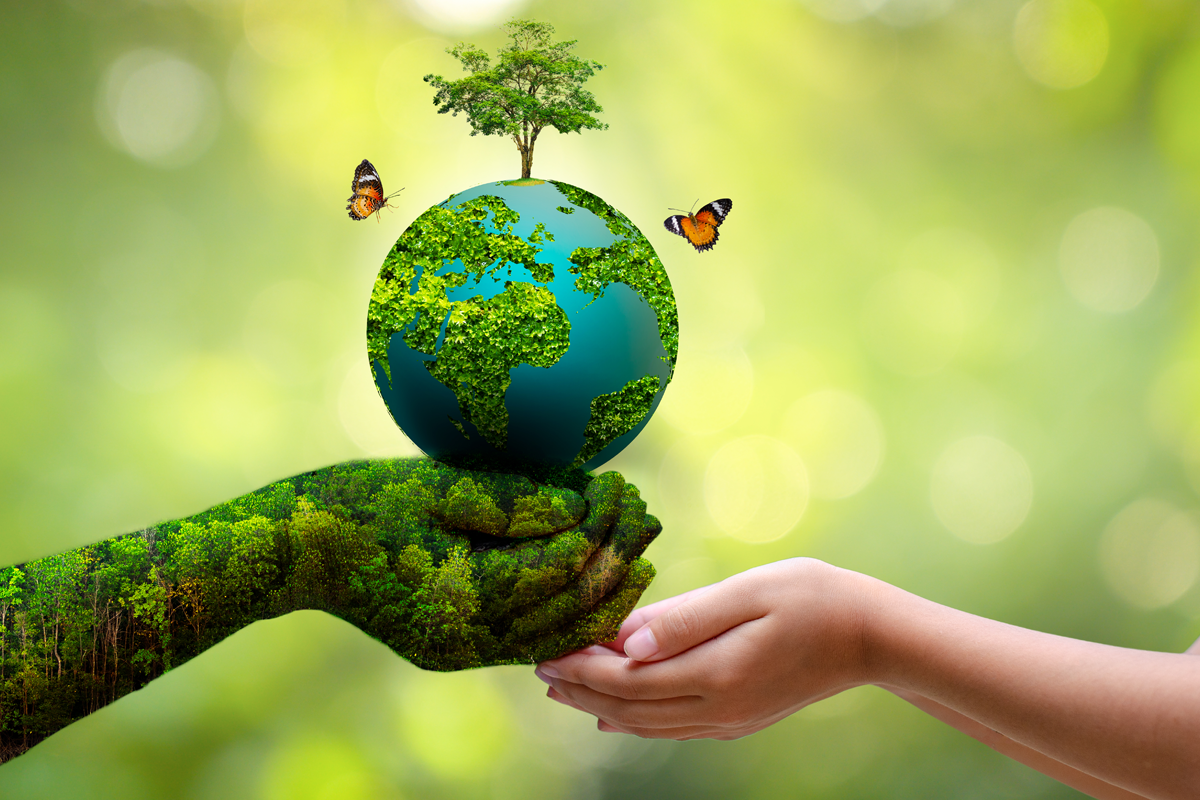
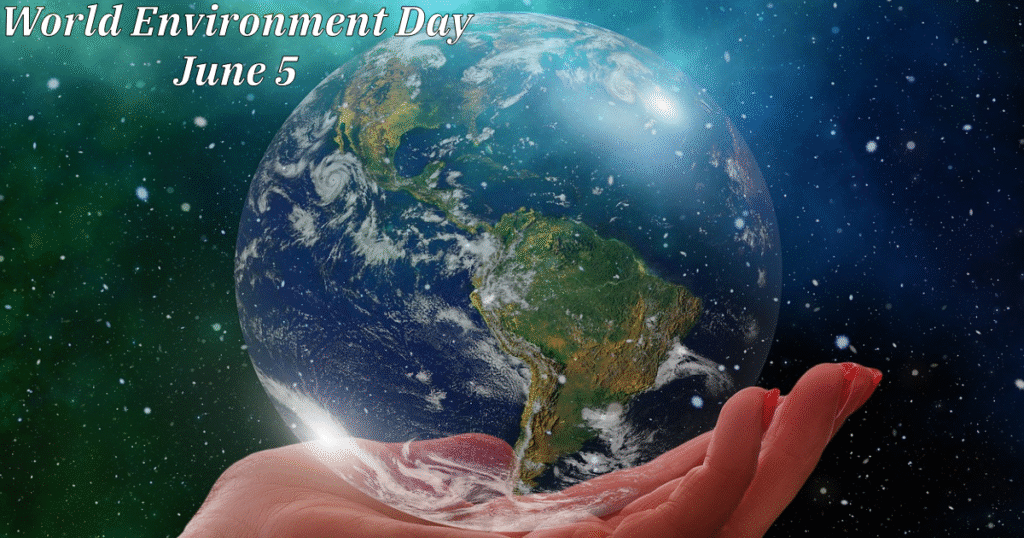
World Environment Day is celebrated every year on June 5 across the globe to raise awareness about environmental protection and encourage people to take positive actions for the planet. It is one of the most important international days dedicated to nature and sustainability. The day reminds us that the Earth is our shared home and that every individual has a responsibility to protect it. In recent years, environmental problems such as climate change, pollution, deforestation, global warming, and loss of biodiversity have increased rapidly, making the celebration of World Environment Day more important than ever before.
The environment provides us with everything necessary for survival, including clean air, water, food, shelter, and natural resources. However, human activities have caused severe damage to ecosystems around the world. Therefore, World Environment Day serves as a global platform to inspire governments, organizations, schools, communities, and individuals to work together toward a greener and healthier future.

History and Significance of World Environment Day
World Environment Day was established by the United Nations in 1972 during the Stockholm Conference on the Human Environment. The first official celebration took place in 1973. Since then, it has become a worldwide movement involving millions of people from different countries. Every year, a specific country hosts the event and a unique theme is selected to focus on a major environmental issue.
The significance of this day lies in spreading awareness and encouraging action. Environmental protection is not only the responsibility of governments or scientists; every citizen has a role to play. Small actions taken by individuals can collectively create a huge positive impact on the planet. World Environment Day encourages people to reduce waste, conserve natural resources, plant trees, recycle materials, and adopt eco-friendly lifestyles.
Major Environmental Problems Facing the World
Today, the Earth is facing numerous environmental challenges. One of the biggest problems is climate change caused by excessive greenhouse gas emissions. Rising global temperatures are leading to melting glaciers, rising sea levels, droughts, floods, and extreme weather events. These changes threaten human life, wildlife, and ecosystems.
Another serious issue is pollution. Air pollution caused by industries, vehicles, and burning fossil fuels affects human health and contributes to respiratory diseases. Water pollution from plastic waste, chemicals, and sewage harms marine life and contaminates drinking water sources. Land pollution due to improper waste disposal also damages soil fertility and natural habitats.
Deforestation is another growing concern. Forests are being cut down for agriculture, industries, and urban development. Trees play a vital role in absorbing carbon dioxide and maintaining ecological balance. The destruction of forests leads to loss of biodiversity and disrupts the natural environment.
Plastic pollution has also become a global crisis. Millions of tons of plastic waste enter oceans every year, affecting marine animals and ecosystems. Many animals mistakenly consume plastic, which can lead to injury or death. Reducing single-use plastics is essential for protecting the environment.
Importance of Environmental Protection
Protecting the environment is essential for the survival of all living beings. A healthy environment ensures clean air, safe water, fertile soil, and a stable climate. Environmental conservation also supports economic development by protecting agriculture, fisheries, forests, and tourism industries.
Nature also has a deep connection with human well-being. Green spaces, forests, rivers, and wildlife contribute to mental and physical health. If environmental destruction continues, future generations may face severe shortages of resources and a decline in quality of life. Environmental protection also helps preserve biodiversity. Every species in nature plays a role in maintaining ecological balance. The extinction of plants and animals can disturb ecosystems and create long-term consequences for the planet.
Role of Individuals in Saving the Environment
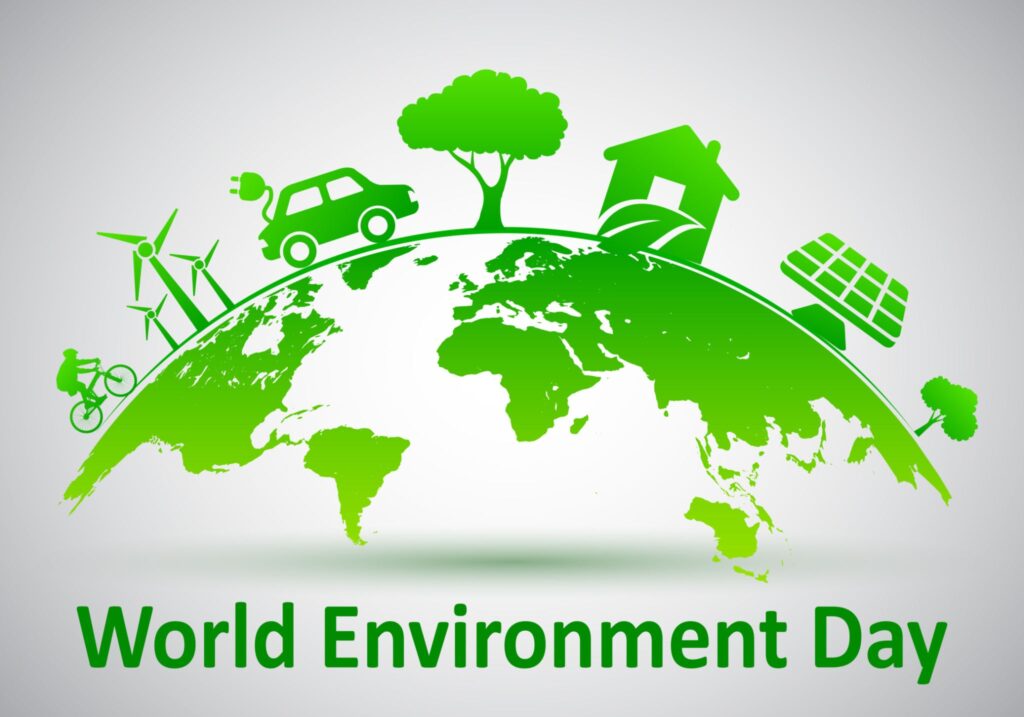
Every individual can contribute to environmental protection through simple daily actions. People can reduce the use of plastic bags, bottles, and other disposable products. Recycling and reusing materials can minimize waste generation. Conserving electricity and water also helps reduce pressure on natural resources.
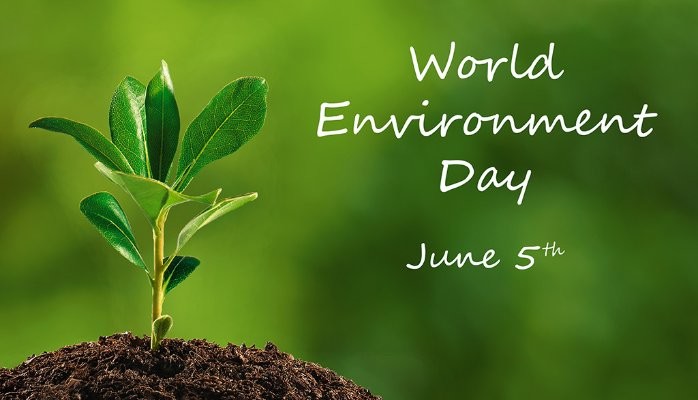
Planting trees is one of the most effective ways to protect the environment. Trees absorb carbon dioxide, provide oxygen, prevent soil erosion, and support wildlife habitats. People should also use public transport, bicycles, or electric vehicles to reduce air pollution. Education and awareness are equally important. Schools and colleges should teach students about environmental conservation and sustainable living. Social media and community campaigns can encourage more people to participate in environmental activities.
Government and Global Efforts
Governments and international organizations play a major role in protecting the environment. Many countries have introduced laws and policies to control pollution, conserve forests, and promote renewable energy. International agreements such as the Paris Climate Agreement aim to reduce global warming and encourage sustainable development.
The United Nations Environment Programme (UNEP) organizes campaigns and activities on World Environment Day to inspire global action. Countries around the world conduct tree plantation drives, clean-up campaigns, environmental seminars, and awareness programs on this day. However, stronger cooperation among nations is still needed to address global environmental challenges. Developed and developing countries must work together to create sustainable solutions for the future.

World Environment Day is not just a celebration but a reminder that protecting nature is essential for human survival and progress. The environment is a precious gift that must be preserved for present and future generations. Rising pollution, climate change, and environmental degradation have made it necessary for everyone to take responsibility and act immediately.
By making small but meaningful changes in our daily lives, we can contribute to building a cleaner, greener, and healthier world. Planting trees, reducing pollution, conserving resources, and spreading awareness are simple steps that can create a big impact. On this World Environment Day, let us all promise to respect nature and work together to protect our planet for a sustainable future.