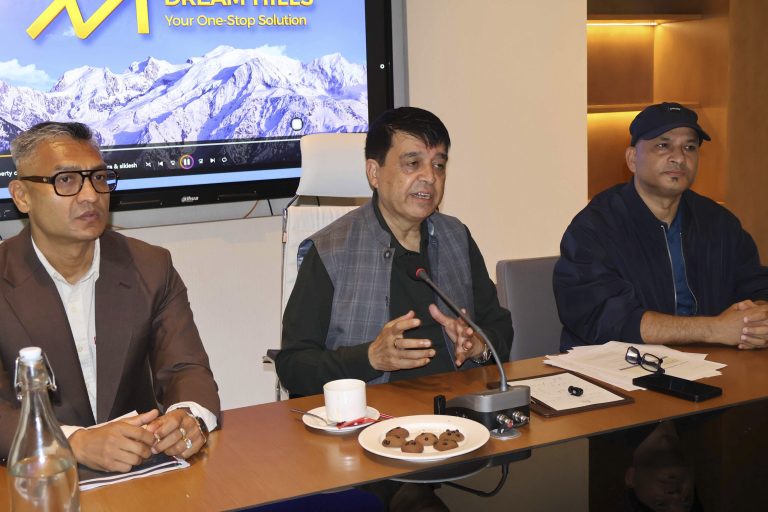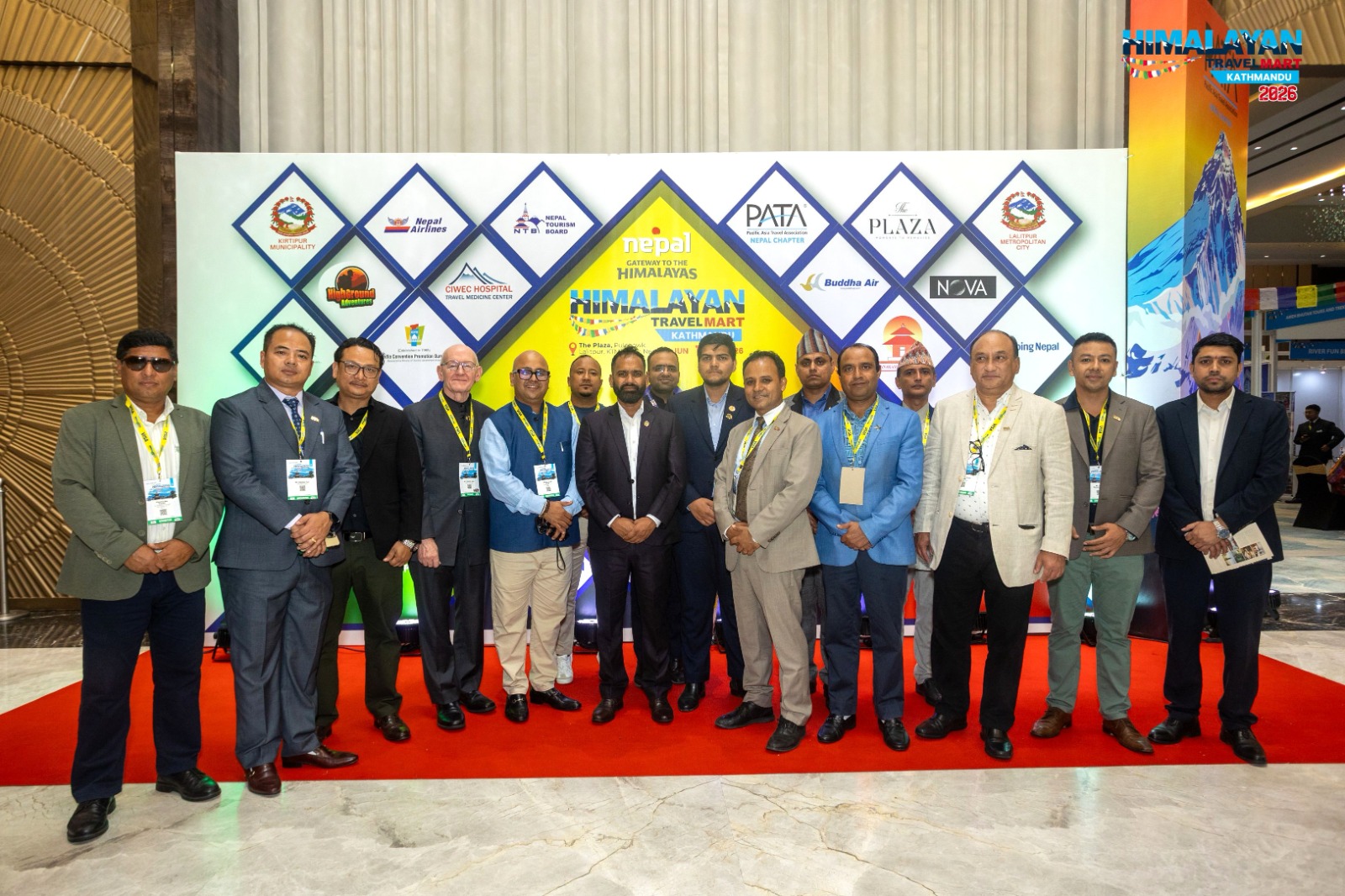
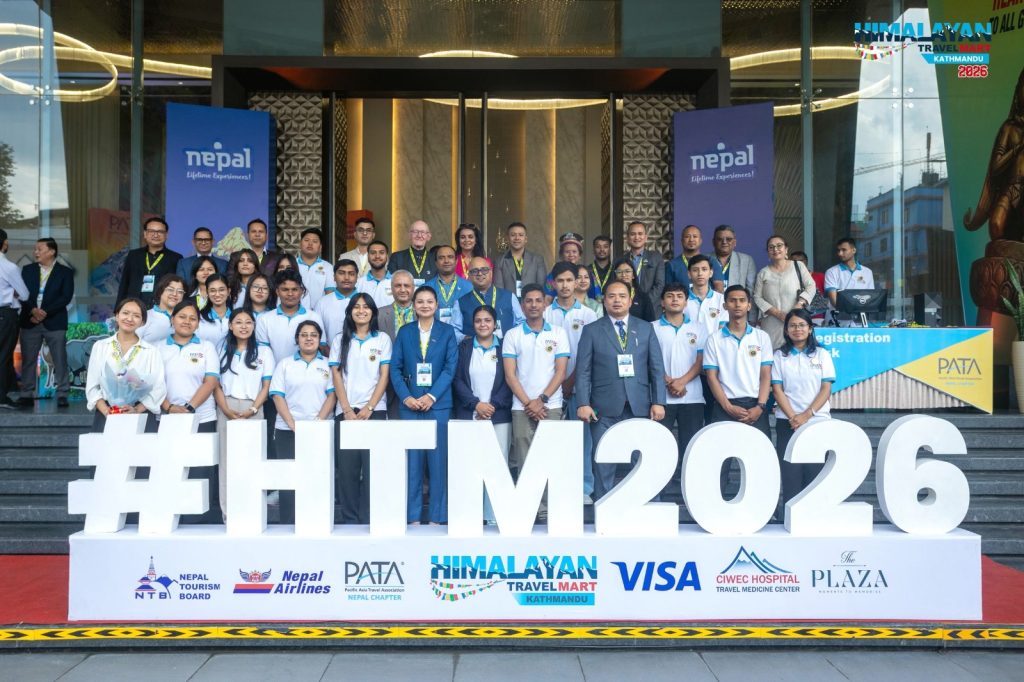
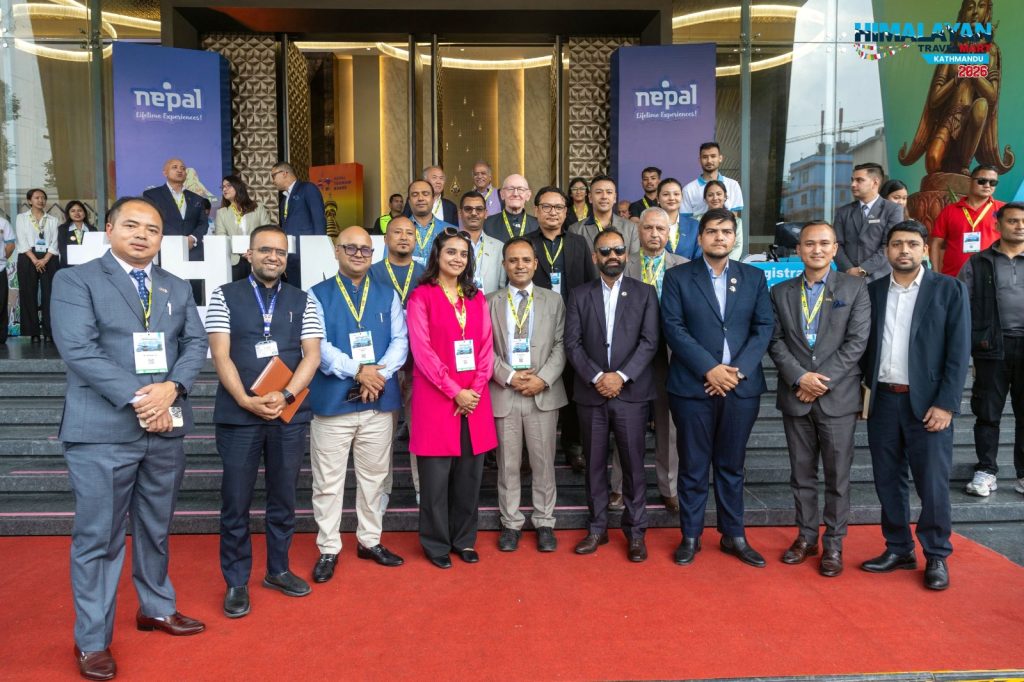
The 6th edition of the Himalayan Travel Mart (HTM 2026) concluded in Kathmandu with remarkable success, reinforcing Nepal’s growing stature as the “Gateway to the Himalayas” and an influential hub for international tourism collaboration, networking, and business exchange. The four-day event, held from 1–4 June 2026, brought together more than 600 delegates representing 27 countries, reflecting strong global interest in Nepal and the wider Himalayan tourism region. Organizers reported that HTM 2026 surpassed expectations in participation, engagement, and business outcomes, positioning the Mart as one of South Asia’s most significant tourism networking platforms.
Strong Global Participation and Industry Representation
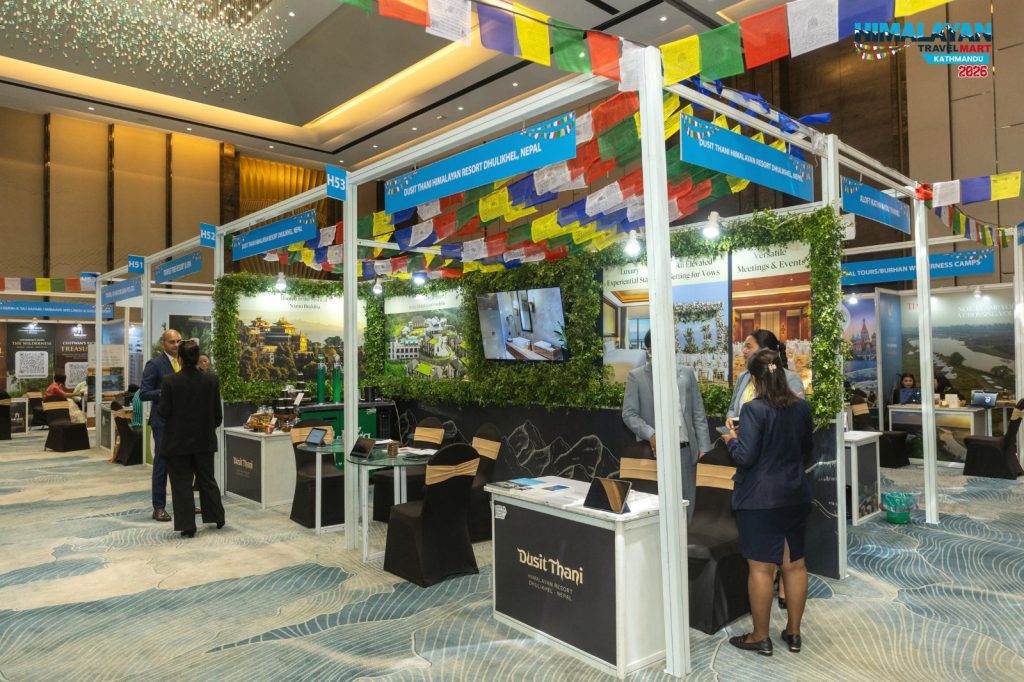
Himalayan Travel Mart (HTM) 2026 attracted over 100 international participants, including representatives from 75 global buyer companies and more than 80 exhibiting organizations. The event also featured a wide range of tourism stakeholders from Nepal and neighboring regions, highlighting the country’s expanding tourism ecosystem and its ability to connect global markets with Himalayan destinations. The strong presence of international buyers and exhibitors underscored Nepal’s strategic importance in adventure tourism, cultural tourism, spiritual travel, and emerging niche segments such as wellness and regenerative tourism.
Organized Through Strategic Public-Private Collaboration
The event was jointly organized by the PATA Nepal Chapter in collaboration with the Nepal Tourism Board, the Nepal Airlines, and several other public and private sector partners. This collaborative approach was widely acknowledged as a key factor behind the success of HTM 2026, enabling efficient coordination between government bodies, industry leaders, and international stakeholders. The platform served not only as a marketplace for tourism business but also as a forum for strategic dialogue on the future of global travel.
Focus on Innovation, Sustainability, and Future Tourism
Under the theme “New Frontiers in Tourism,” HTM 2026 emphasized innovation, sustainability, resilience, and collaboration as central pillars for the future of the tourism industry. The programme included business-to-business (B2B) meetings, thought leadership sessions, destination showcases, networking events, and cultural presentations. Speakers and participants highlighted the need for tourism destinations to adapt to changing traveler behavior, climate challenges, digital transformation, and increasing demand for meaningful and experience-based travel.

Leadership Highlights Nepal’s Tourism Vision
Speaking at the event, Mr. Khem Lakai, Chairman of PATA Nepal Chapter, stated that HTM continues to act as a catalyst for tourism growth and international market connectivity. He emphasized that the 2026 theme reflects a shared ambition to embrace innovation and diversify tourism offerings. According to him, Nepal is increasingly positioning itself not only as a destination but also as a platform for global tourism dialogue and collaboration.
Similarly, Mr. Hikmat Singh Ayer, Officiating Chief Executive Officer of Nepal Tourism Board, addressed the closing ceremony by thanking international delegates, partners, and stakeholders for their continued support in promoting Nepal globally. He praised the organizing team for successfully delivering another impactful edition of the Himalayan Travel Mart and reaffirmed Nepal’s commitment to strengthening its tourism sector through global partnerships.
Pre-Mart Familiarization Trips Showcase Nepal’s Diversity
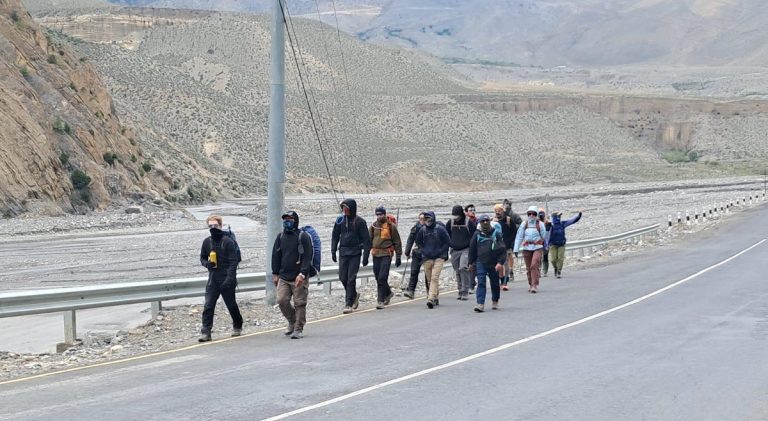
Prior to the main event, international delegates participated in specially curated Familiarization (FAM) Trips across key destinations in Nepal. These included Pokhara, Lumbini, Haibung in Sindhupalchok, Kirtipur, and Namo Buddha. These immersive visits allowed participants to experience Nepal’s diverse tourism offerings firsthand, ranging from cultural heritage and spiritual tourism to adventure activities, wellness retreats, and regenerative tourism initiatives. The trips played a crucial role in building destination understanding and fostering long-term business relationships between international buyers and local tourism operators.
HTM Insight Forum Explores Emerging Trends
One of the key highlights of HTM 2026 was the HTM Insight Forum, which brought together tourism experts, policymakers, innovators, and industry leaders. The forum focused on emerging global travel trends and critical issues shaping the tourism landscape. Discussions covered sustainable tourism development, digital transformation in travel services, experiential tourism, wellness tourism, destination resilience, and market diversification strategies.

The forum generated actionable insights aimed at helping stakeholders adapt to evolving global tourism demands while strengthening Nepal’s competitive advantage. Participants also emphasized the importance of technology integration, responsible tourism practices, and cross-border cooperation in ensuring long-term sector sustainability.
B2B Mart Drives Major Business Opportunities
The B2B Mart remained the central feature of HTM 2026, facilitating direct engagement between international buyers and tourism suppliers from Nepal and other participating destinations. Held on 3 and 4 June, the B2B sessions brought together 75 international buyers and more than 80 exhibitors. Organizers reported over 2,400 pre-scheduled business appointments during the event, leading to the formation of new partnerships and agreements across multiple tourism segments. These included adventure tourism operators, hospitality providers, travel agencies, and destination management companies.
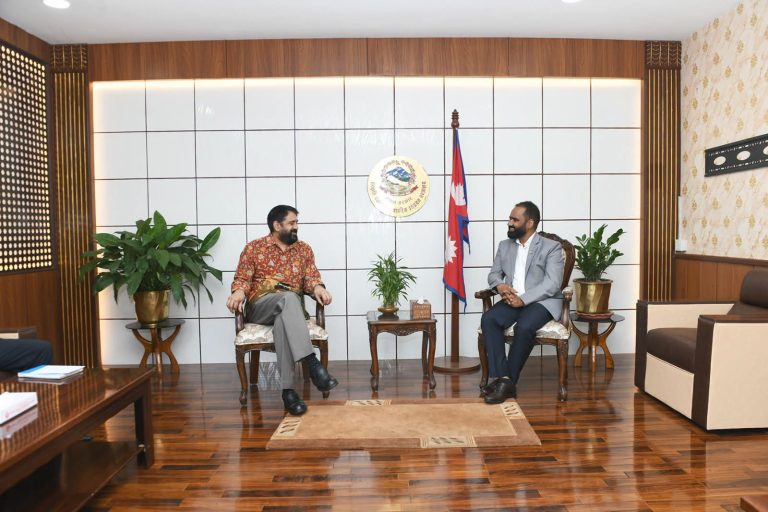
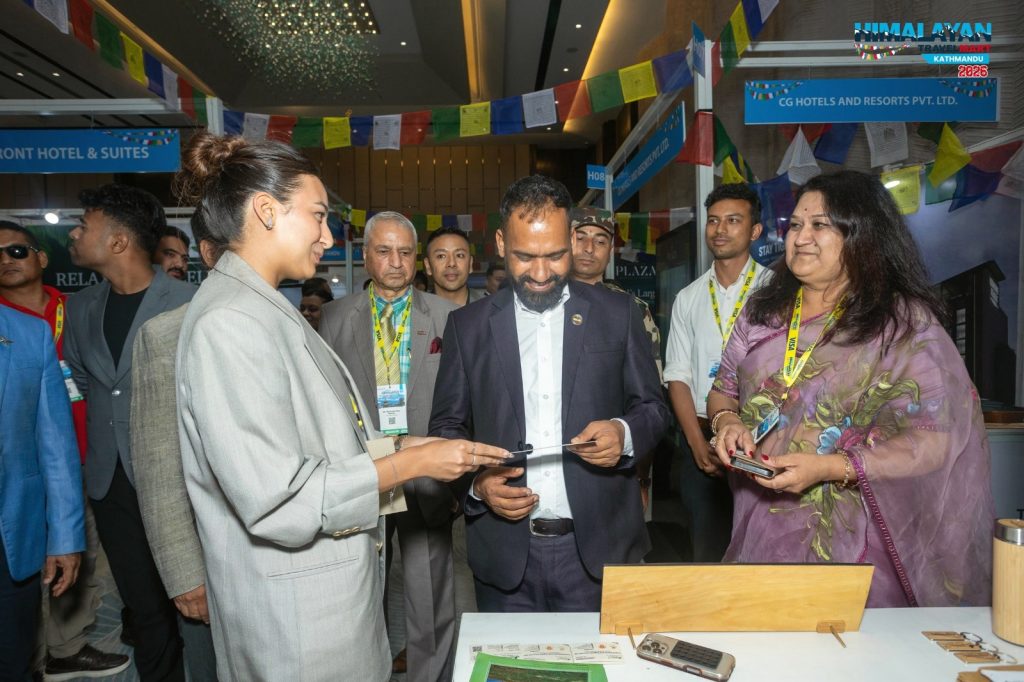
Honorable Khadak Raj Paudel, Minister for Culture, Tourism and Civil Aviation, visited the B2B Mart and praised exhibitors for showcasing Nepal’s diverse tourism products and services. He also expressed appreciation to all partners, sponsors, and delegates for their contribution to the success of HTM 2026.
Celebrating Nepal’s Culture and Hospitality
Beyond business engagements, HTM 2026 placed strong emphasis on cultural exchange and hospitality. Delegates participated in networking receptions, destination showcases, and cultural performances that highlighted Nepal’s rich heritage and traditional warmth. These events reinforced Nepal’s identity as a culturally vibrant and welcoming destination, enhancing its appeal to global travelers seeking authentic experiences.
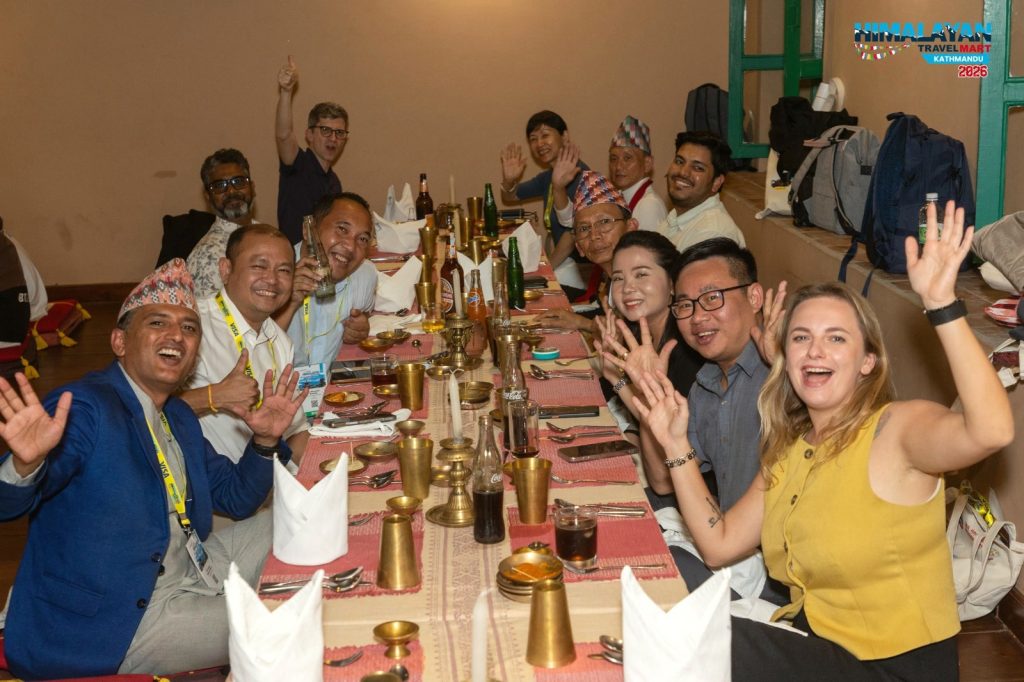
The event concluded with a lively Closing Celebration held at Club NOVA, where international delegates and Nepali tourism professionals came together to celebrate new partnerships and future opportunities. The evening reflected a strong spirit of friendship, collaboration, and shared ambition for advancing tourism across the Himalayan region.
A Strong Model of Public-Private Partnership
Speaking at the conclusion of the event, Mr. Suresh Singh Budal, CEO of PATA Nepal Chapter, expressed gratitude to all delegates, sponsors, stakeholders, and partner organizations for their support in making HTM 2026 a success. He highlighted that the Himalayan Travel Mart has evolved into a strong model of public-private partnership, contributing significantly to Nepal’s global tourism branding. According to him, the event has consistently delivered value through networking, knowledge exchange, destination promotion, and international market engagement.
Strengthening Nepal’s Global Tourism Identity
As HTM 2026 concludes, it leaves behind a strong legacy of collaboration, innovation, and renewed momentum for Nepal’s tourism sector. By bringing together global tourism leaders under one platform, the event has strengthened Nepal’s position as a leading destination and a key convening point for tourism dialogue in the Himalayan region.
With increased international participation, stronger business linkages, and expanded thematic focus on sustainable and future-ready tourism, HTM 2026 has further reinforced Nepal’s ambition to become a global leader in tourism innovation and cooperation.