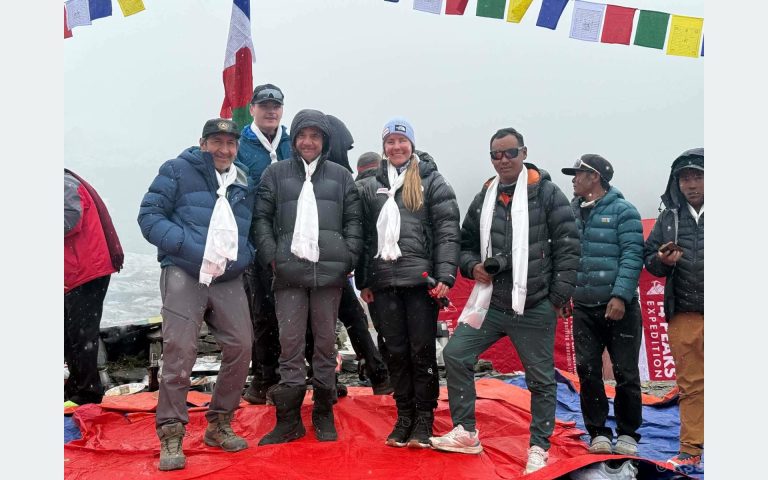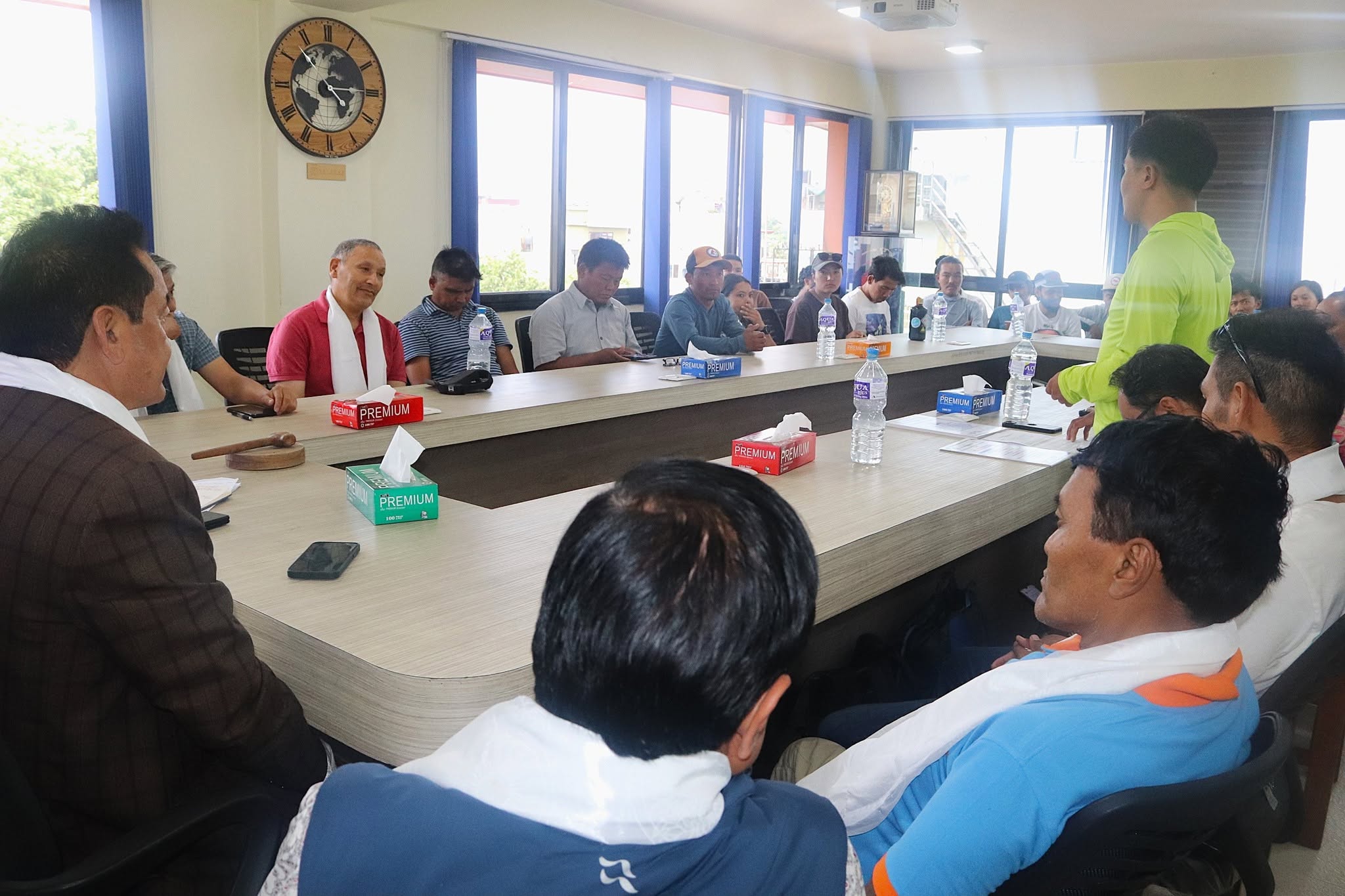
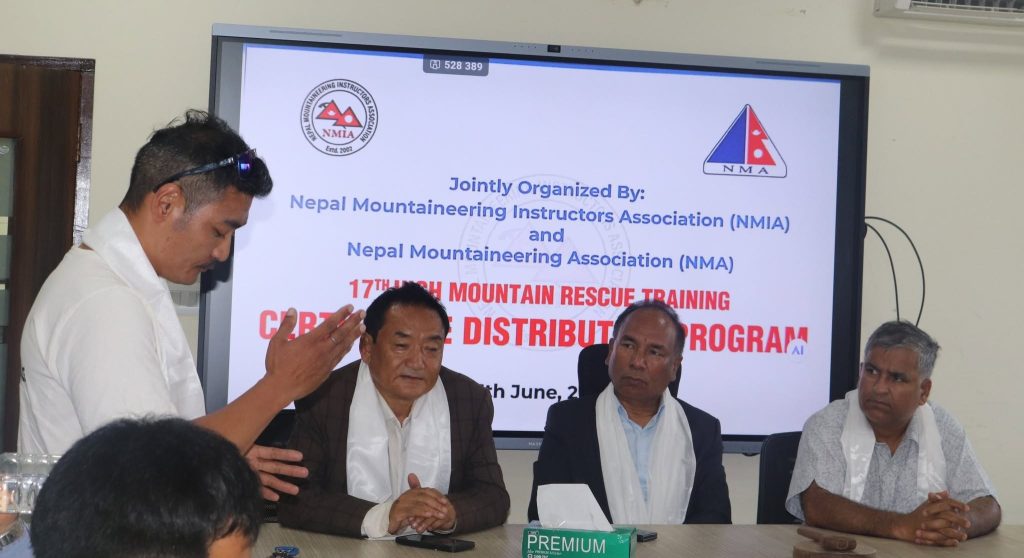
The Nepal Mountaineering Association (NMA) and the Nepal Mountain Guide Instructors’ Association (NMIA) jointly celebrated the successful conclusion of the 17th High Mountain Rescue Training (HMRT), awarding certificates of completion to participants and instructors in a formal ceremony that underscored Nepal’s continued commitment to mountaineering safety and high-altitude rescue preparedness.

30 Trained Rescuers Ready for the Himalayas
A total of 30 participants successfully completed the rigorous HMRT programme, adding a fresh cohort of skilled professionals to Nepal’s high-altitude search and rescue workforce. The training, jointly organised by NMA and NMIA, is specifically designed to equip participants with the technical knowledge, physical preparedness, and practical skills required to conduct effective rescue operations in the extreme and unpredictable conditions of the Himalayan peaks. As mountaineering activity in Nepal continues to grow year on year, the importance of maintaining a well-trained pool of rescue-capable professionals has never been greater.
Distinguished Officials Confer Certificates
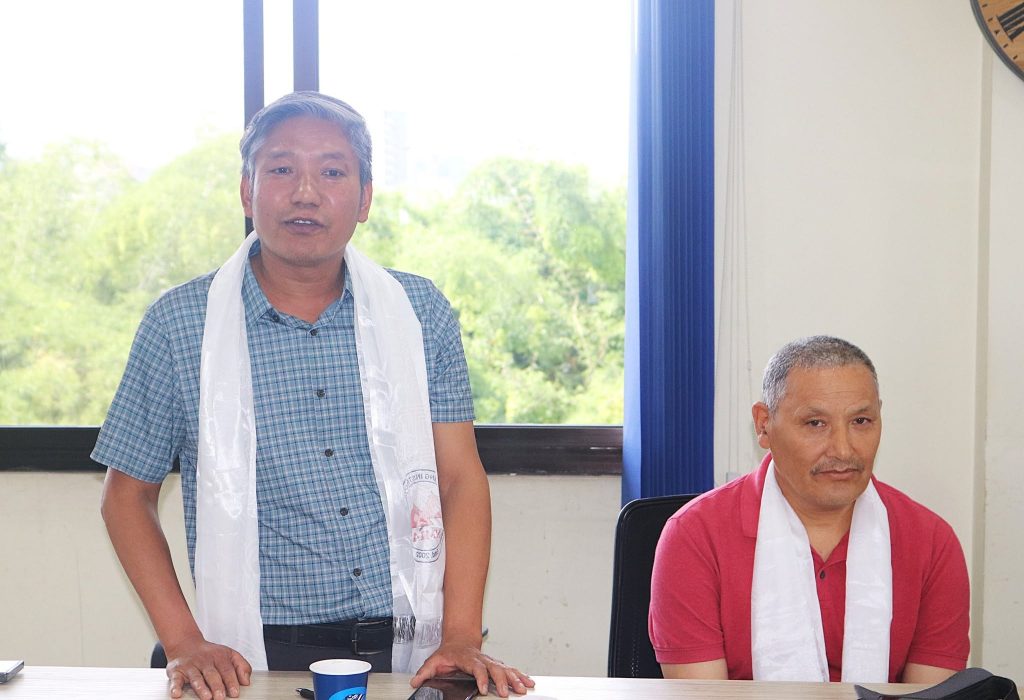
The certificate conferral ceremony brought together senior leadership from both organisations. NMA President Mr. Fur Gelje Sherpa led the proceedings, joined by Senior Vice President Mr. Iswari Paudel, Second Vice President Mr. Bodha Raj Bhandari, General Secretary Mr. Rajendra Bahadur Lama, and other distinguished officials. Their presence at the ceremony reflected the significance both organisations place on the HMRT programme as a cornerstone of Nepal’s mountaineering safety infrastructure.
A Programme That Continues to Deliver
Now in its 17th edition, the High Mountain Rescue Training has established itself as one of Nepal’s most important and enduring capacity-building initiatives in the mountaineering sector. Each successive edition of the programme produces trained human resources who go on to support search and rescue operations across Nepal’s high-altitude expedition routes, from the Everest region in the east to the remote peaks of the far west. The programme’s consistent delivery over seventeen editions speaks to the sustained institutional commitment of both the NMA and NMIA to raising safety standards across Nepal’s mountains.

Safety as a National Priority
With Nepal hosting hundreds of expeditions each season across its eight-thousanders and numerous trekking peaks, the demand for competent, well-trained high-altitude rescuers remains critical. The HMRT programme directly addresses that demand, ensuring that guides, rescue personnel, and mountaineering professionals are equipped to respond swiftly and effectively when emergencies arise in terrain where conditions can change rapidly and the margin for error is vanishingly small.