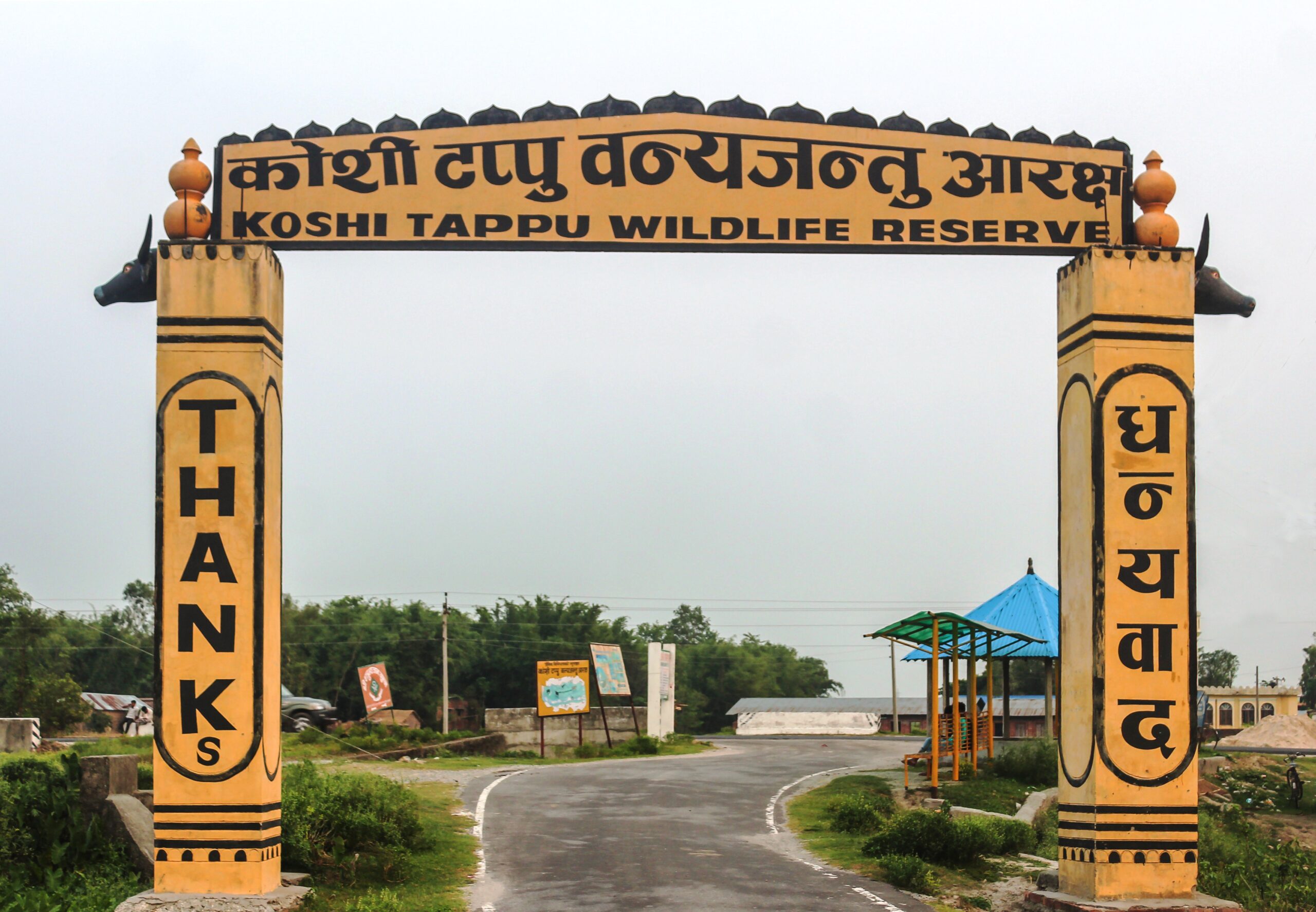
The Koshi Tappu Wildlife Reserve has recorded a total of 9,242 visitors from the start of the current fiscal year 2082/83 through the month of Jestha, reflecting steady visitor interest in one of Nepal’s most ecologically significant protected areas. Known both as the capital of the wild water buffalo and as a haven for bird life, the reserve continues to attract a diverse range of nature enthusiasts, researchers, and casual tourists throughout the year.
Domestic Tourists Lead the Way
Of the total visitors recorded, Nepali tourists made up the overwhelming majority, with 9,070 domestic visitors touring the reserve during the period. This figure was almost evenly split by gender, comprising 4,535 women and 4,535 men, indicating broad-based participation across the domestic visitor base rather than a skew toward any particular demographic.

International Arrivals Remain Modest
International visitor numbers, by comparison, were considerably smaller. A total of 25 tourists from countries belonging to the South Asian Association for Regional Cooperation (SAARC) visited Koshi Tappu during the period, comprising 3 women and 22 men. Beyond the SAARC region, the reserve welcomed 147 other foreign visitors, according to reserve official Paudel. Among this group of non-SAARC international tourists, 44 were women and 103 were men.
While the absolute numbers of international visitors remain modest compared to domestic footfall, their presence underscores Koshi Tappu’s standing as a destination of interest to dedicated wildlife and birding enthusiasts from beyond South Asia, who often travel specifically to observe the reserve’s distinctive biodiversity.
Seasonal Patterns: Mangsir Peaks, Ashoj Dips
Visitor data reveals clear seasonal patterns in tourism activity at the reserve. The highest number of visitors arrived during the month of Mangsir, when 1,893 tourists visited the reserve, while the lowest visitor numbers were recorded in Ashoj, with only 325 tourists, according to reserve administration figures.
The month-by-month breakdown paints a fuller picture of the reserve’s visitor patterns throughout the year: Sawan recorded 496 visitors, Bhadau 547, Ashoj 325, Kartik 591, Poush 642, Magh 1,499, Falgun 697, Chaitra 691, Baishakh 791, and Jestha 1,070, bringing the cumulative total to 9,242 visitors across the fiscal year to date.
Notably, Magh emerged as the second-strongest month for visitor numbers after Mangsir, suggesting that the cooler winter months continue to be the preferred period for wildlife viewing at the reserve, likely owing to more comfortable weather conditions and improved visibility for spotting animals.
A Sanctuary for Endangered Wild Buffalo and Diverse Wildlife
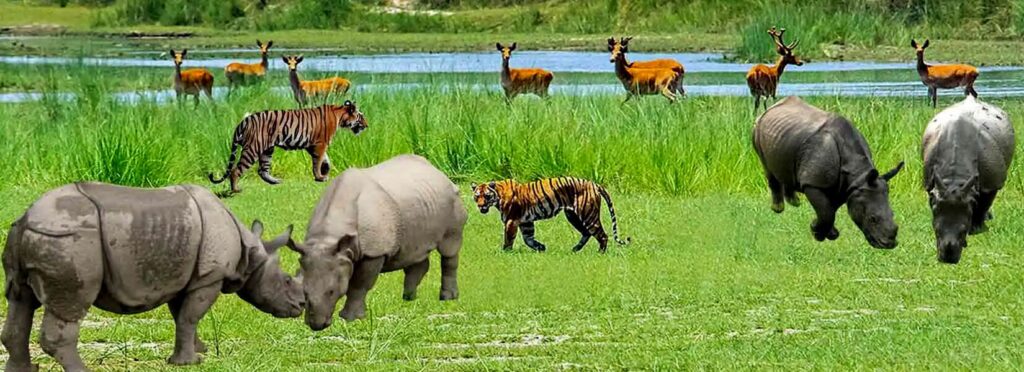
According to reserve planning officer Paudel, visitors to Koshi Tappu have the opportunity to observe the endangered wild buffalo, or Arna, alongside approximately 20 species of small and large mammals, including deer, hog deer, blue bull (nilgai), wild boar, monkeys, and pythons. The Sapta Koshi River running through the reserve also offers visitors the chance to easily spot Gangetic dolphins, adding a rare aquatic wildlife dimension to the reserve’s appeal that few other protected areas in Nepal can match.
A Globally Significant Birding Destination
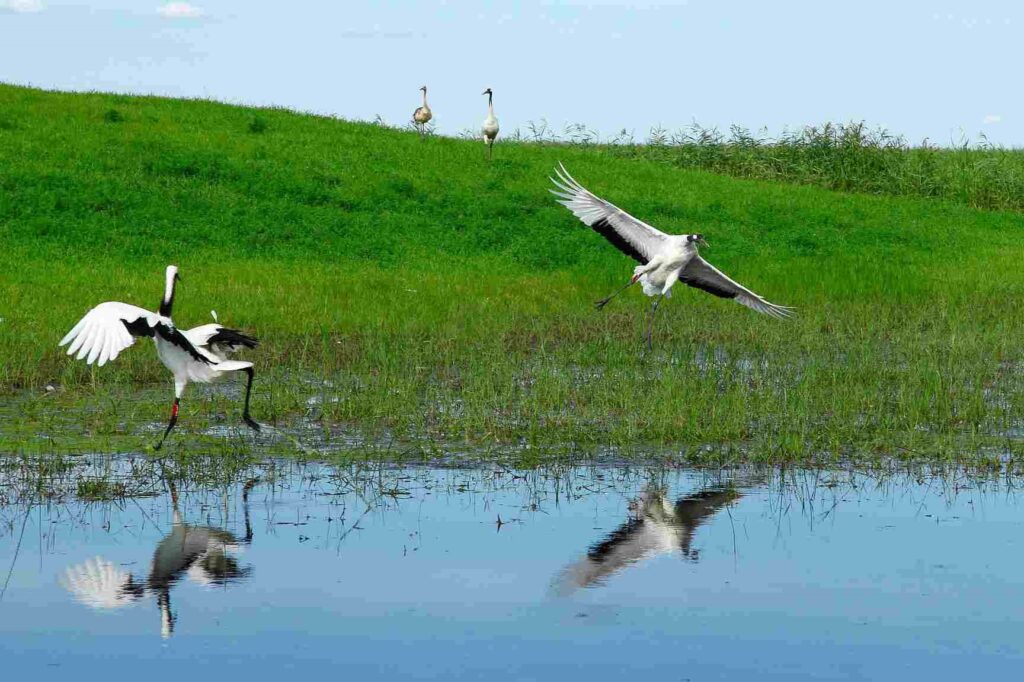
Koshi Tappu’s reputation extends well beyond its mammal population. The reserve is home to 498 species of birds, including several considered globally rare, making it one of the most important birding destinations in South Asia. Among these, the reserve hosts 20 species of duck and 114 species of waterfowl, reflecting the rich wetland ecosystem that defines much of the reserve’s landscape along the Sapta Koshi River and its surrounding floodplains.

Rhino Sightings Add to the Reserve’s Appeal
In a notable recent development, visitors have also been able to observe rhinos within the reserve, an addition that has further enhanced Koshi Tappu’s wildlife-viewing appeal. The Koshi Tappu Wildlife Reserve office has noted that domestic tourist attraction to the reserve has remained the strongest among all visitor categories, reaffirming the reserve’s role as a primarily domestic wildlife tourism destination, even as it continues to draw a steady, if smaller, stream of international wildlife enthusiasts.