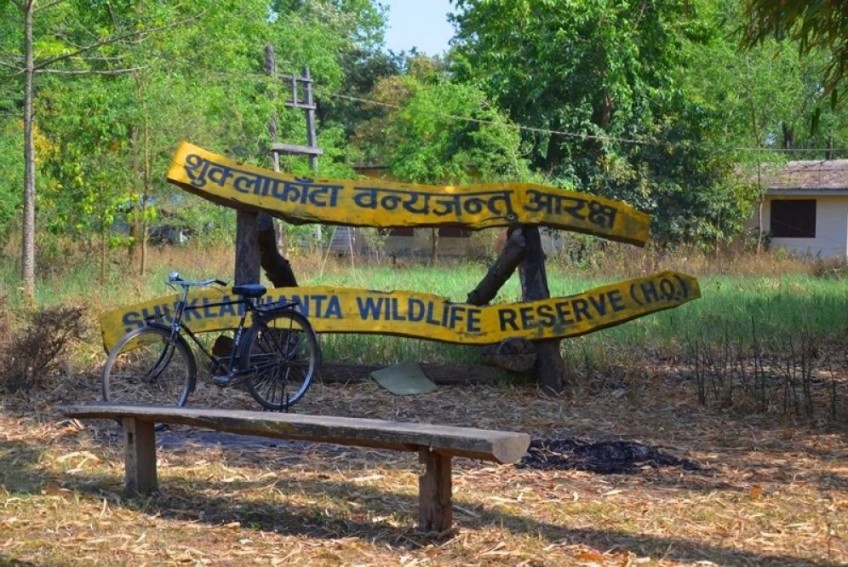
The annual census of the endangered Golden Weaver bird has begun in Shuklaphanta National Park in Kanchanpur district, with conservationists hoping the survey will provide fresh insights into the status of one of Nepal’s rarest bird species. The five-day count represents a critical, recurring effort to monitor a species whose population has shown troubling signs of decline in recent years, making this year’s findings particularly significant for conservationists tracking the bird’s long-term survival prospects.
A Joint Effort Between Conservation Bodies
The census is being conducted jointly by Bird Conservation Nepal (BCN) and the national park, bringing together specialised ornithological expertise with on-the-ground park management knowledge. According to ornithologist Hirulal Dagaura, researchers participating in the survey will study the bird’s population numbers, habitat conditions, feeding habits, and broader behavioural patterns, generating a comprehensive dataset that extends well beyond simple headcounts to capture the ecological context shaping the species’ fortunes.

A Decade-Long Monitoring Commitment
This year’s survey continues a monitoring tradition that has been carried out annually since 2014, giving researchers more than a decade of comparative data to track population trends over time. This sustained, long-term monitoring approach is particularly valuable for conservation science, as it allows researchers to distinguish between normal year-to-year population fluctuations and genuine, sustained declines that signal deeper ecological problems requiring intervention.
A Species Found Only in Nepal’s Grasslands
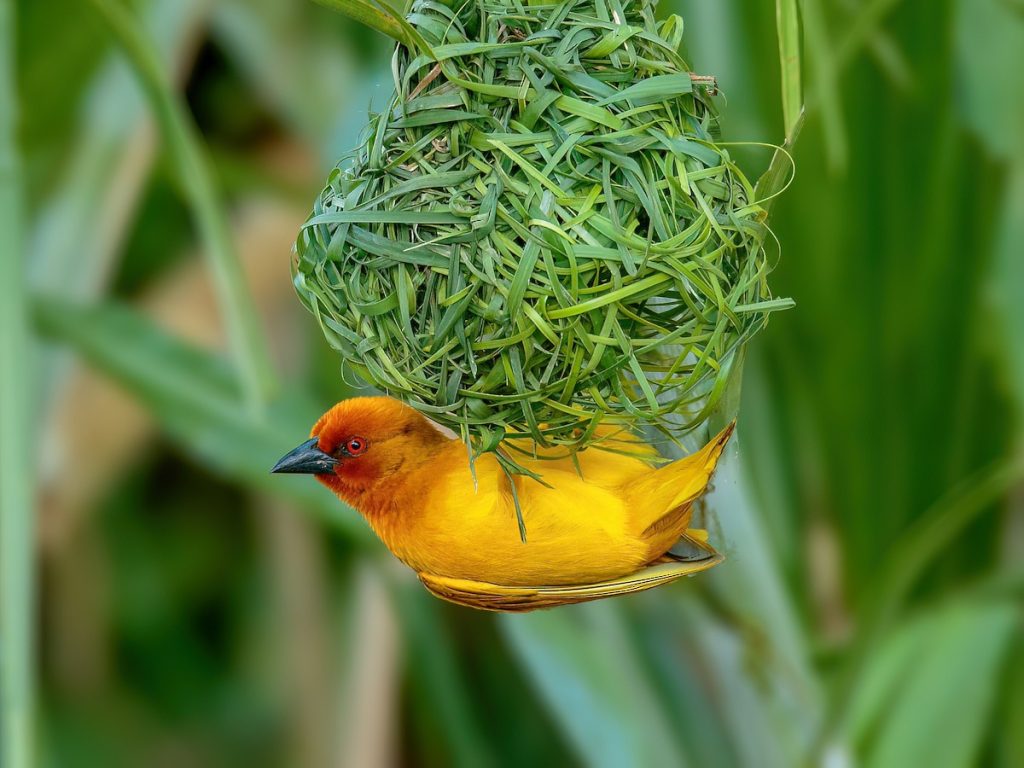
The Golden Weaver is found only in Nepal’s Tarai grasslands, making it an endemic species whose survival is entirely dependent on the health and extent of this specific and increasingly threatened habitat type. The Golden Weaver bird is listed as Endangered on the IUCN Red List, reflecting its precarious conservation status on the global stage. Its breeding season runs from May to September, making the current period an especially important window for monitoring the species, as breeding behaviour, nesting activity, and population numbers during this time provide crucial indicators of the species’ reproductive success and overall population health.
A Worrying Downward Trend of Golden Weaver’s Populations
Recent census figures paint a concerning picture of the Golden Weaver’s population trajectory. Numbers have declined from 248 birds in 2022 to 211 in 2023, and further down to 184 in 2025. This sustained, multi-year decline represents a significant cause for concern among conservationists, as it suggests the threats facing the species are neither temporary nor easily reversed without targeted intervention.
Identifying the Threats
Experts say habitat loss, shrinking grasslands, and growing human activity are the main threats driving this population decline. These pressures are interconnected and largely human-driven, reflecting broader patterns of land use change and development pressure affecting protected areas across Nepal’s Tarai region. As grassland habitats shrink and fragment, the Golden Weaver, being entirely dependent on this specific ecosystem, faces an increasingly constrained range in which to feed, breed, and maintain viable population numbers.

A Path Forward Through Habitat Protection and Community Engagement
Park officials stress that protecting natural grasslands, improving habitat management, and engaging local communities are key to ensuring the bird’s long-term survival. This multi-pronged approach reflects a broader understanding within conservation circles that effectively protecting endangered species requires addressing not just the immediate ecological needs of the species itself, but also the human and land-use pressures operating around its habitat. Community engagement, in particular, is increasingly recognised as essential to sustainable conservation outcomes, as local communities living adjacent to protected grassland areas often play a decisive role in either contributing to or helping to alleviate the pressures driving habitat loss.
Why This Census Matters
As one of Nepal’s rarest and most ecologically specialised bird species, the Golden Weaver’s fate serves as an important indicator of the broader health of the country’s Tarai grassland ecosystems. The ongoing annual census, now in its second decade, provides conservationists and park managers with the kind of sustained, evidence-based monitoring necessary to track whether current conservation interventions are working, and to make the case for additional habitat protection measures should the declining trend continue.