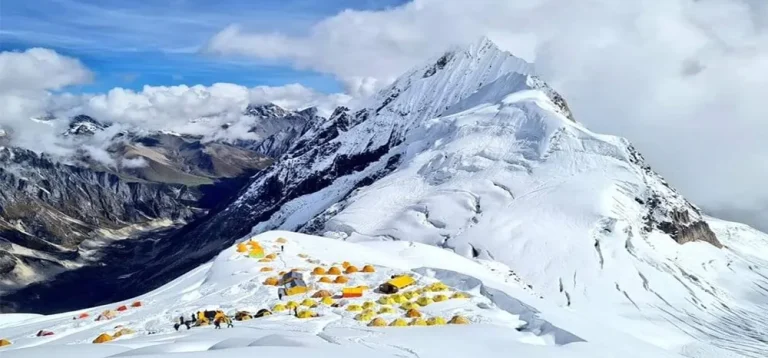
Around 60 percent of the total foreign tourists visiting Nepal make their way to the country’s conservation and reserve areas, according to government statistics, underscoring just how central these protected landscapes have become to Nepal’s broader tourism economy. National parks and conservation areas have firmly established themselves as the major tourism destination for visitors travelling to Nepal, drawing both domestic and international travellers in substantial numbers each year.
Over a Million Visitors in a Single Fiscal Year
According to the Department of National Parks and Wildlife Conservation, a total of 1.097 million domestic and foreign tourists visited conservation areas in fiscal year 2081/82. This figure reflects the sheer scale of visitor interest in Nepal’s protected landscapes, spanning everything from the lowland jungles of the Tarai to the high-altitude conservation zones of the Himalayas.

Director General of the Department, Dr Buddhi Sagar Poudel, provided a detailed breakdown of this visitor total, sharing that out of the 1.097 million tourists, 511,762 were international visitors from SAARC countries and beyond, while 586,074 were domestic tourists. The relatively even split between international and domestic visitors highlights the dual appeal of Nepal’s protected areas, drawing both Nepali citizens exploring their own country’s natural heritage and foreign travellers seeking wildlife and nature experiences specifically associated with the Himalayan region.
Substantial Revenue Generated Through Entry Fees
The economic significance of this visitor traffic is reflected in the revenue collected through entry fees. The country collected Rs 1 billion and 5.2 million in revenue from tourist entry fees during the fiscal year, representing a meaningful contribution to government revenue streams and providing critical funding that can support ongoing conservation, infrastructure, and management efforts within these protected areas.
Shivapuri Nagarjun Leads in Visitor Numbers
Among individual protected areas, Shivapuri Nagarjun National Park recorded the highest visitor footfall, with a total of 346,644 tourists visiting during fiscal year 2081/82. Its proximity to Kathmandu Valley likely contributes significantly to this high figure, making it an easily accessible destination for both day-trippers and longer visits compared to more remote protected areas.
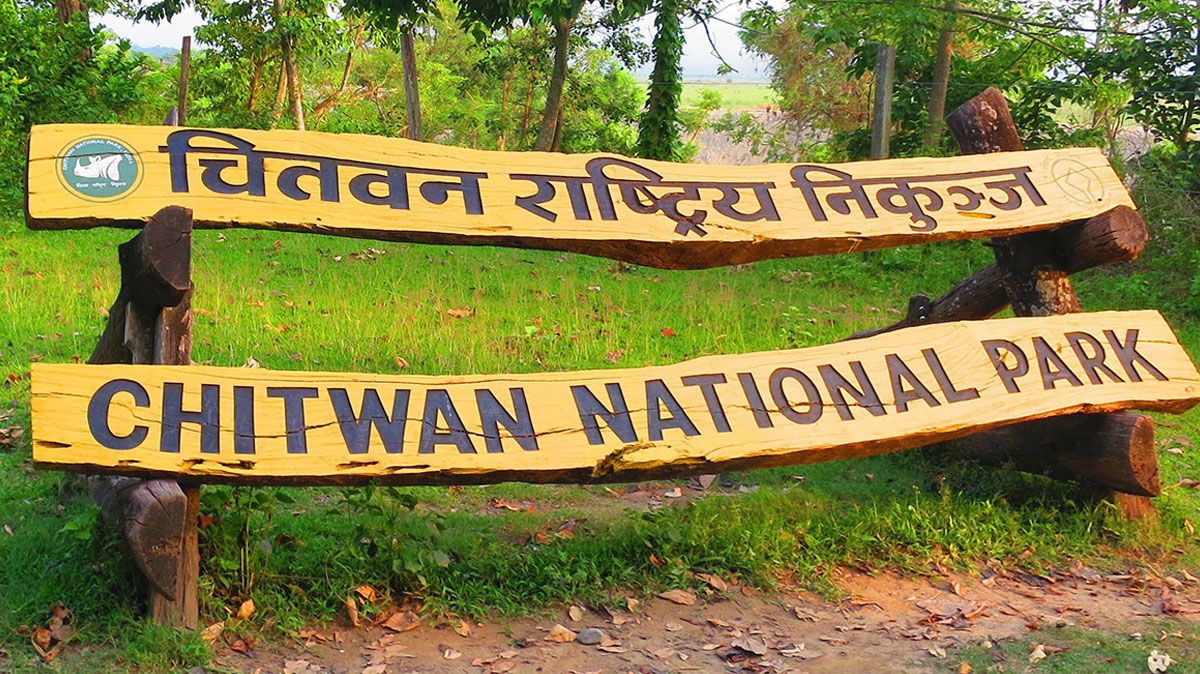
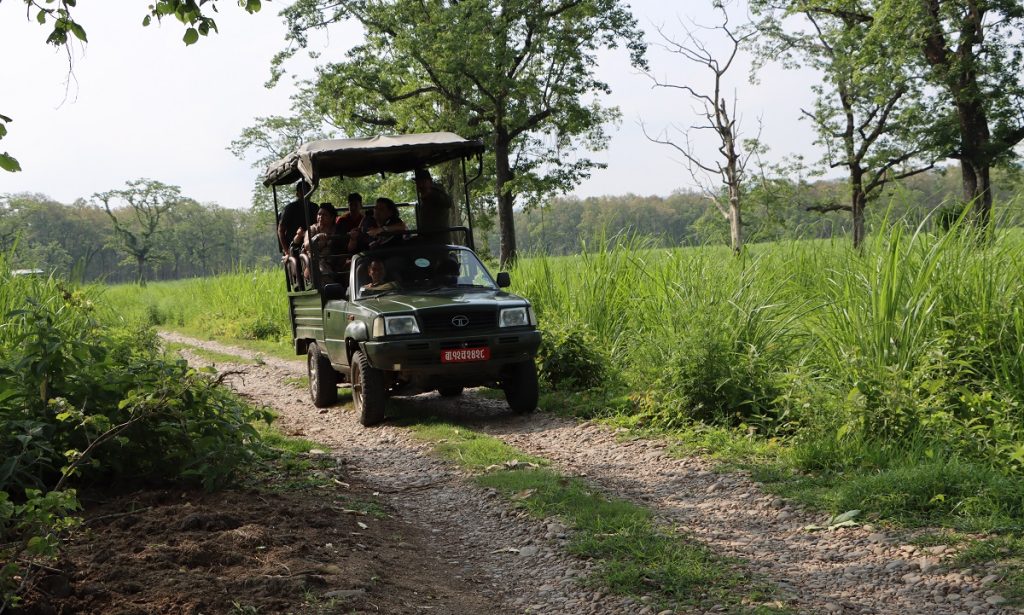
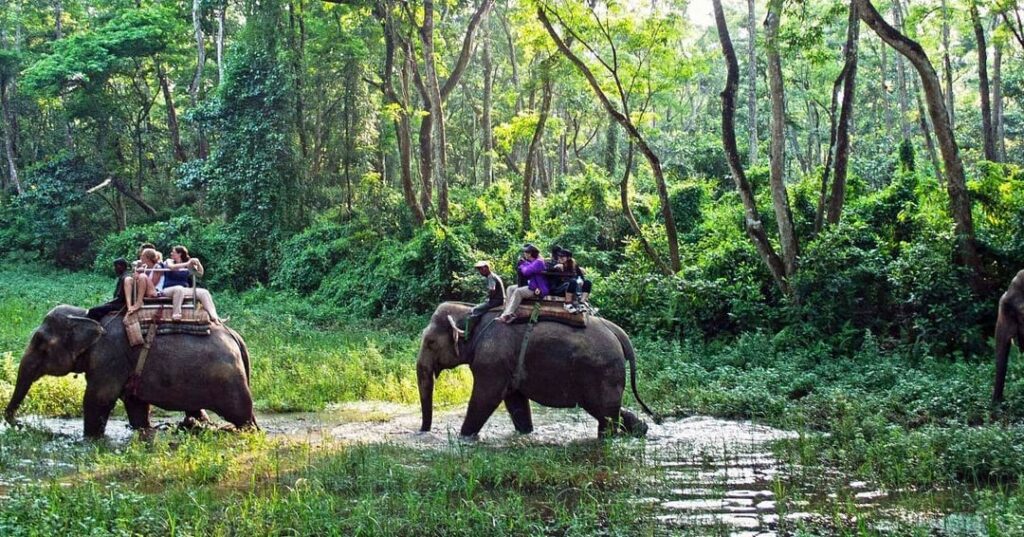
The Annapurna Conservation Area followed closely, drawing 278,113 tourists, reflecting its enduring popularity as one of Nepal’s premier trekking and mountain tourism destinations. Chitwan National Park, long recognised as one of Nepal’s flagship wildlife tourism destinations, recorded 249,956 visitors during the same period, reaffirming its status as a leading destination for those seeking jungle safari experiences and wildlife observation.
Api Nampa Records the Lowest Footfall
At the opposite end of the spectrum, the Api Nampa Conservation Area recorded the lowest number of visitors among all protected areas, with just 229 tourists visiting during the period, according to the data. This stark contrast between the most and least visited protected areas highlights the considerable variation in accessibility, promotion, and visitor infrastructure across Nepal’s network of conservation zones, with more remote or less internationally marketed areas like Api Nampa receiving only a fraction of the attention given to better-known destinations.
Nepal’s Extensive Network of Protected Areas
Nepal currently maintains 13 national parks, comprising Chitwan, Bardiya, Langtang, Rara, Banke, Sagarmatha, Shey-Phoksundo, Shivapuri Nagarjun, Makalu Barun, Khaptad, Shuklaphanta, Parsa, and Chhayanath. Beyond these national parks, the country also maintains a separate category of conservation areas, which includes Krishnasar, Kanchanjangha, Manaslu, Gaurishankar, Annapurna, and Api Nampa.
In addition to national parks and conservation areas, Nepal also designates specific reserve areas, namely the Dhorpatan Hunting Reserve and the Koshi Tappu Wildlife Reserve, both of which serve distinct conservation purposes within the country’s broader protected area framework.

A Significant Share of National Territory
The scale of Nepal’s commitment to conservation is reflected in the sheer geographic extent of these protected areas. Conservation areas alone have occupied 23.39 percent of the country’s total area, a substantial proportion that places Nepal among the more ambitious nations globally in terms of land dedicated to environmental protection relative to its overall size.
What This Means for Nepal’s Tourism Strategy
The data makes clear that Nepal’s protected areas are not simply an environmental policy success story, but also a central pillar of the country’s tourism economy. With 60 percent of foreign visitors choosing to visit these conservation and reserve areas, Nepal’s tourism marketing and infrastructure investment strategies are likely to continue placing significant emphasis on maintaining and enhancing the visitor experience within these protected landscapes, balancing the dual objectives of conservation and sustainable tourism development.