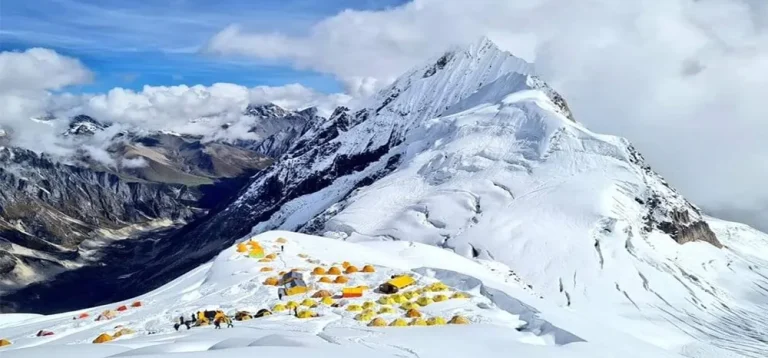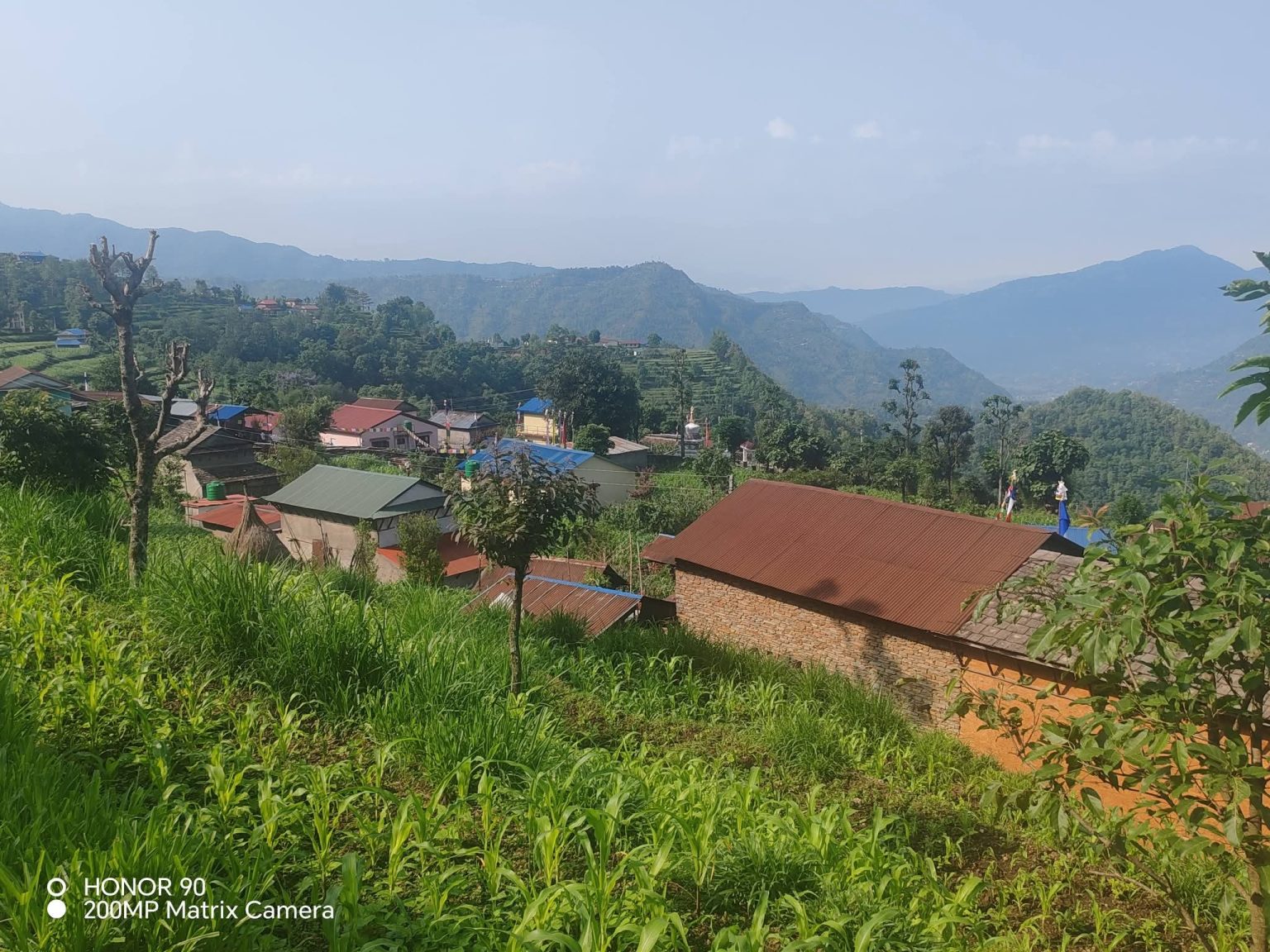
Nestled peacefully in the scenic hills of Nepal’s Lamjung District, Shree Manjang, formerly known as Shree Bhanjyang, is gradually carving out its identity as one of the country’s most promising rural tourism destinations. Located at an elevation of approximately 2,012 meters above sea level, this quiet Himalayan settlement offers visitors a rare combination of breathtaking mountain panoramas, authentic cultural heritage, and an untouched rural lifestyle that remains largely undiscovered by mainstream tourism.
As Nepal increasingly diversifies its tourism industry beyond traditional trekking hotspots, villages like Shree Manjang are emerging as valuable destinations capable of promoting sustainable tourism while uplifting local economies.
A Village Blessed by Geography and Natural Beauty
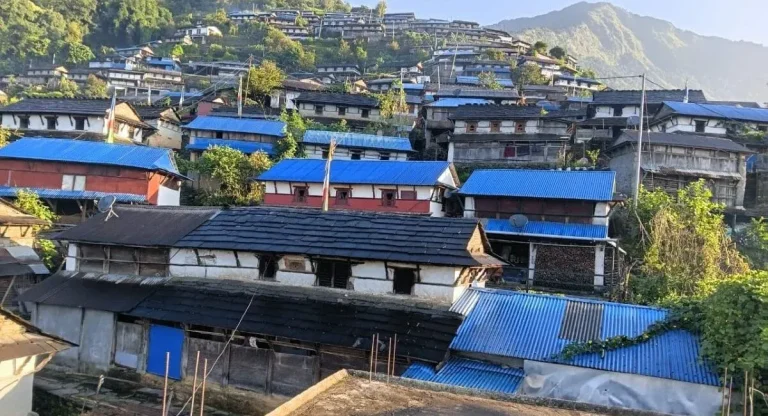
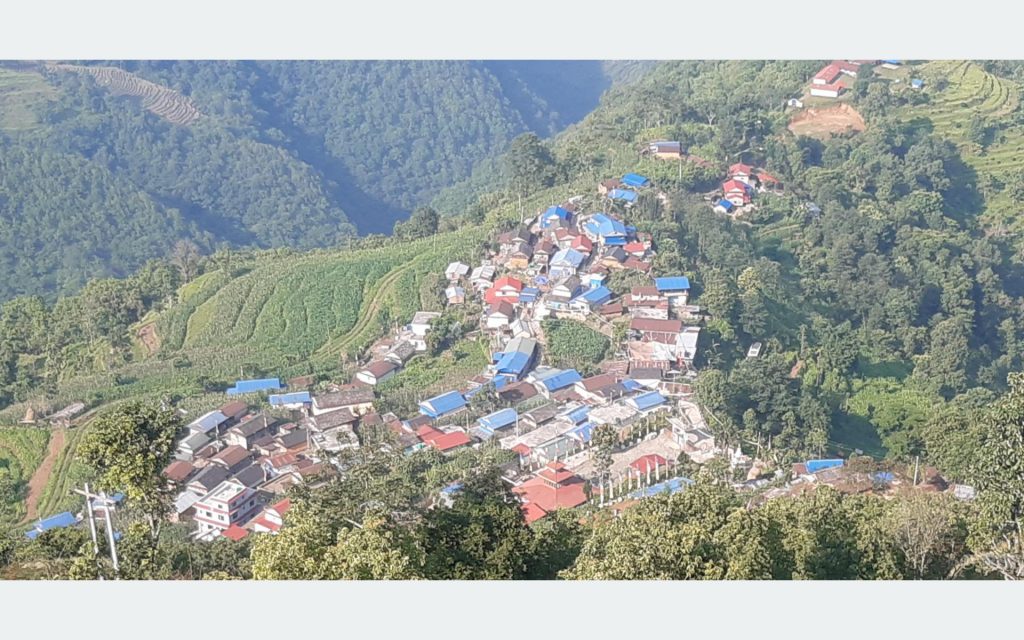
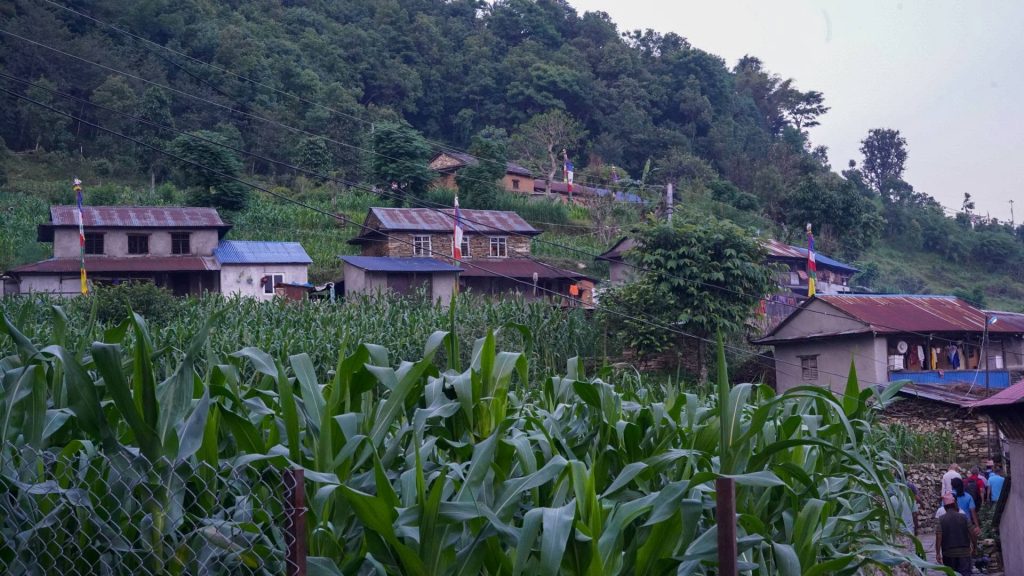
Situated in the mid-hills of Gandaki Province, Shree Manjang enjoys a geographically strategic location surrounded by dense forests, terraced farmlands, rolling green hills, and pristine natural landscapes. The village lies within a tropical-to-subalpine ecological belt, creating diverse vegetation and a favorable climate throughout much of the year.
One of the most striking features of the village is its extraordinary panoramic Himalayan views. Visitors can witness stunning landscapes featuring peaks from the Annapurna Range, Manaslu Himal, and the majestic Lamjung Himal. During sunrise and sunset, the golden reflections over these snow-covered peaks create dramatic scenery that has begun attracting photographers, hikers, and nature lovers seeking experiences beyond Nepal’s crowded trekking routes. Unlike commercial tourist hubs that often experience overcrowding, Shree Manjang offers peace, serenity, and an intimate connection with nature that many modern travelers increasingly seek.
Preserving Authentic Gurung Culture
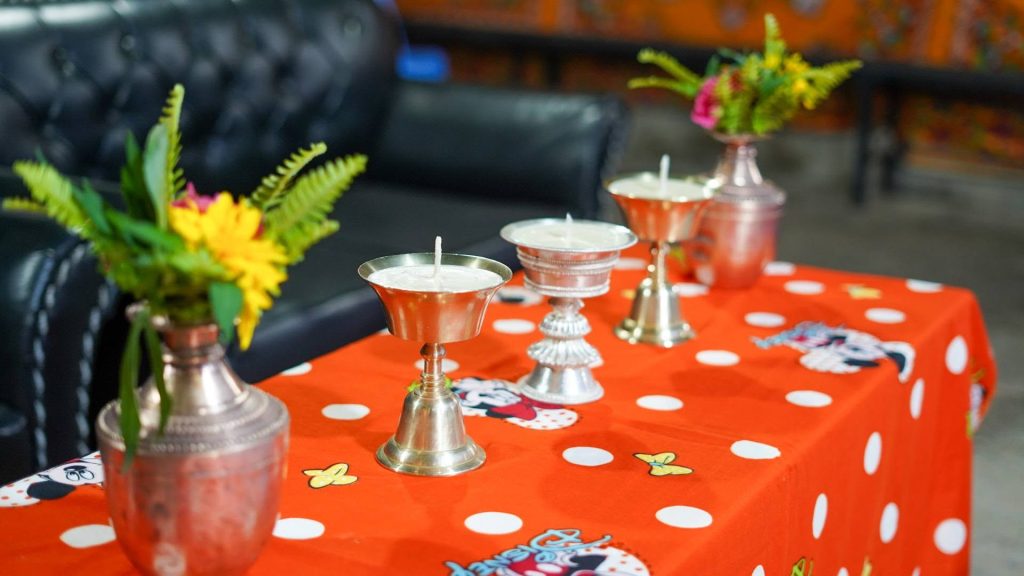
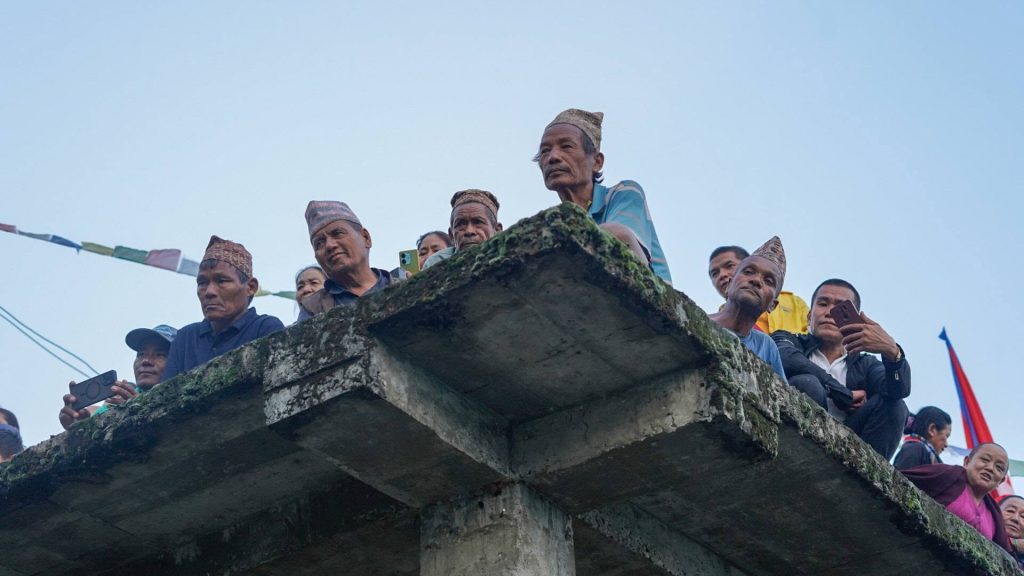
Beyond its natural beauty, one of Shree Manjang’s strongest tourism assets lies in its deeply rooted cultural identity. The village is predominantly home to the Gurung community, one of Nepal’s most culturally rich ethnic groups known for their hospitality, traditional architecture, and vibrant customs.
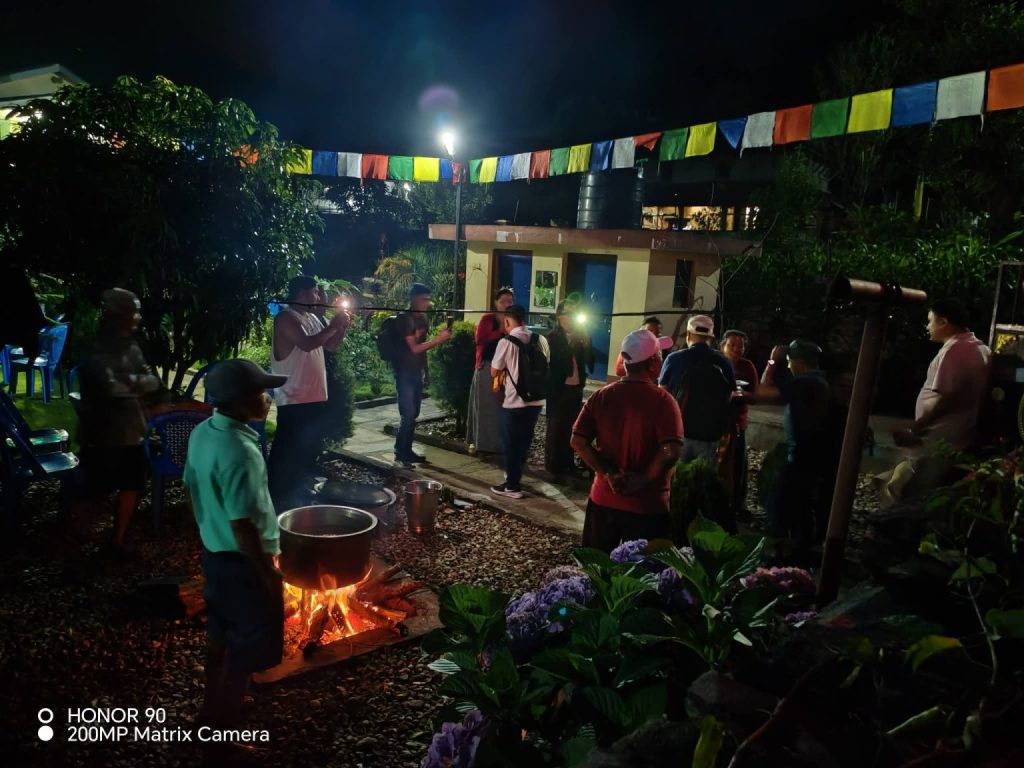
Travelers visiting the village can experience authentic rural Himalayan life through traditional stone houses, locally prepared cuisine, cultural performances, and direct interaction with community members. Traditional Gurung dances, folk music, and festivals continue to play a central role in everyday life, preserving cultural traditions that have been passed down through generations.
Unlike urbanized destinations where tourism sometimes dilutes local identity, Shree Manjang has managed to maintain cultural authenticity, offering visitors genuine cultural immersion rather than staged tourism experiences. Tourism experts increasingly argue that destinations preserving indigenous culture have stronger long-term appeal, especially as international travelers shift toward experiential and community-based tourism.
“Beyond Nepal’s crowded tourist trails lies Shree Manjang; a hidden Himalayan paradise waiting to be explored, experienced, and remembered forever.”
Gateway to Nepal’s Mid-Hill Adventure Circuit
Shree Manjang also holds significant strategic importance due to its location near some of Nepal’s established trekking and tourism routes. The village serves as an accessible gateway to several well-known destinations within Lamjung district. Nearby villages such as Ghalegaun and Ghanpokhara have already earned recognition for successful community-based homestay tourism models. These villages attract travelers seeking authentic Gurung hospitality combined with spectacular Himalayan sunrise views.
Similarly, Bhujung, known as one of the largest traditional Gurung settlements in Nepal, provides another cultural attraction within close proximity. The village also connects naturally with sections of the world-famous Annapurna Circuit, making it a potentially valuable stopover or alternative route for trekkers exploring the Annapurna region. Its accessibility further strengthens its tourism potential. Lamjung lies roughly 183 kilometers from Kathmandu, allowing travelers to reach the region within several hours by road, making it ideal for both short domestic travel and longer adventure itineraries.
Untapped Potential for Sustainable Rural Tourism Development
Despite its enormous natural and cultural assets, Shree Manjang remains relatively underdeveloped in tourism infrastructure. Local tourism stakeholders believe the village could transform into a significant rural tourism destination if supported by proper planning and investment. The development of homestay facilities, improved road access, better trekking trails, sanitation infrastructure, and stronger digital promotion could substantially increase visitor numbers while creating employment opportunities for local communities.
Importantly, rural tourism destinations such as Shree Manjang represent a model of sustainable tourism development. Rather than concentrating economic benefits solely in major cities or established trekking routes, rural tourism allows local communities to directly participate in and benefit from Nepal’s tourism economy. As global tourism trends increasingly favor eco-tourism, cultural immersion, and responsible travel experiences, Shree Manjang possesses the exact characteristics many international travelers actively seek.
A New Opportunity for Nepal’s Tourism Future
Nepal’s tourism industry has long been dominated by iconic destinations such as Pokhara, Chitwan National Park, and the Everest region. However, the future growth of the sector increasingly depends on identifying new destinations capable of distributing tourism benefits more evenly across the country. Shree Manjang represents precisely that opportunity.
Its combination of pristine landscapes, preserved Gurung culture, mountain views, and proximity to established trekking circuits positions the village as a high-potential destination within Nepal’s expanding rural tourism sector. If government agencies, tourism entrepreneurs, and local communities work collectively to develop infrastructure while preserving cultural authenticity, Shree Manjang could soon emerge as one of Nepal’s standout examples of successful community-based tourism development. For now, this hidden Himalayan village remains one of Lamjung’s best-kept secrets, but perhaps not for much longer.