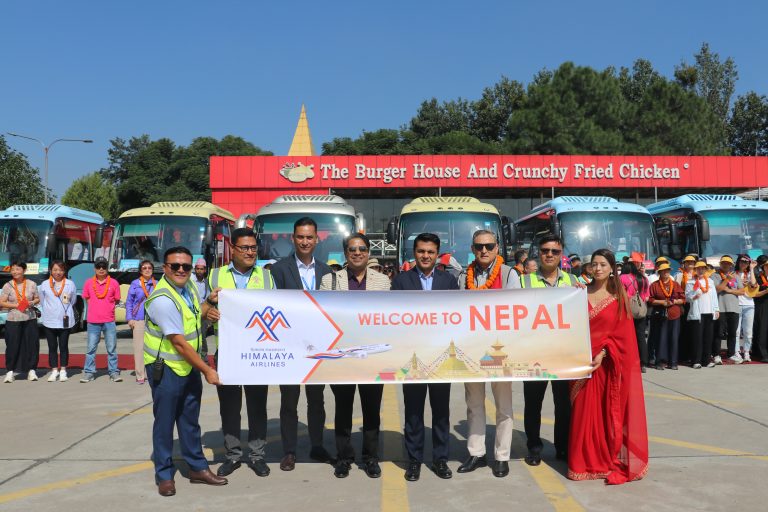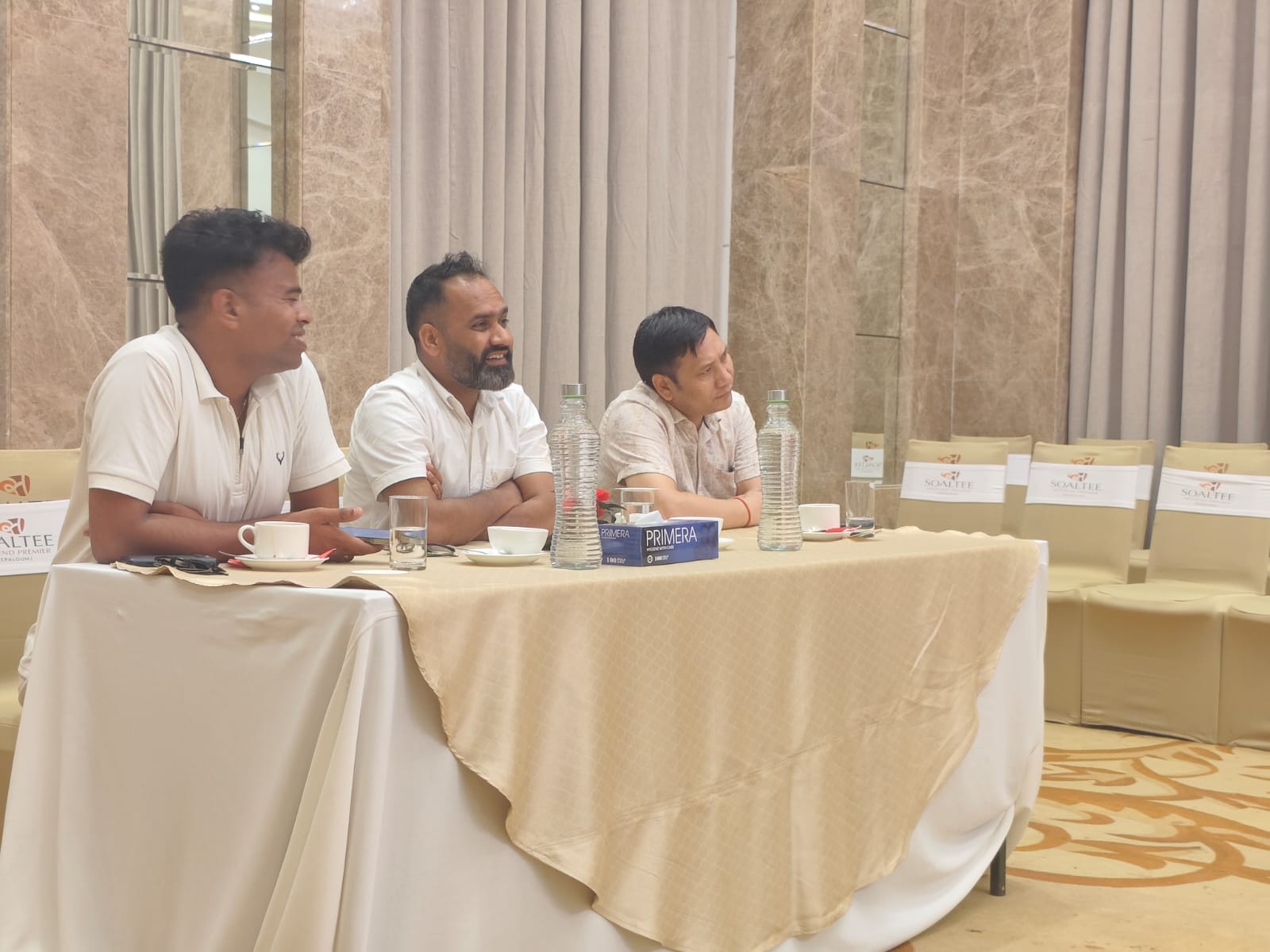
Nepal’s Minister for Culture, Tourism and Civil Aviation, Khadak Raj Paudel, has said the government is fully committed to addressing long-standing challenges in the country’s tourism sector and transforming tourism into one of the strongest foundations of Nepal’s economic prosperity.
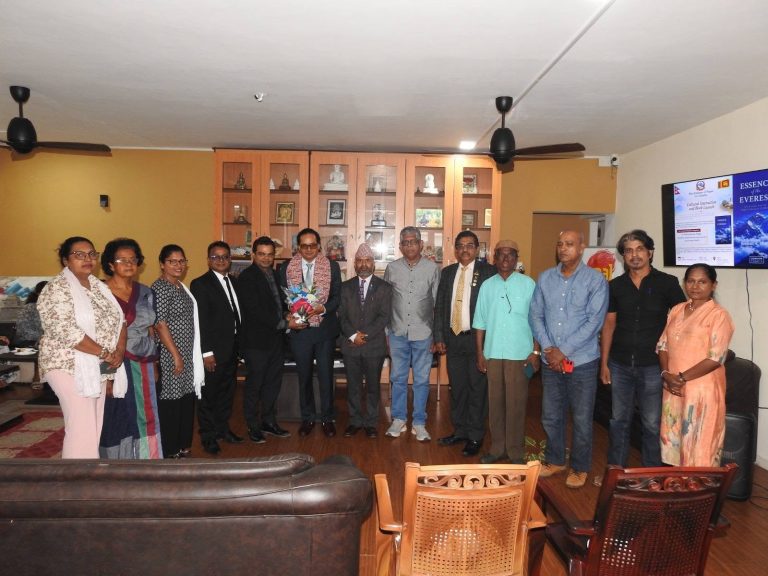
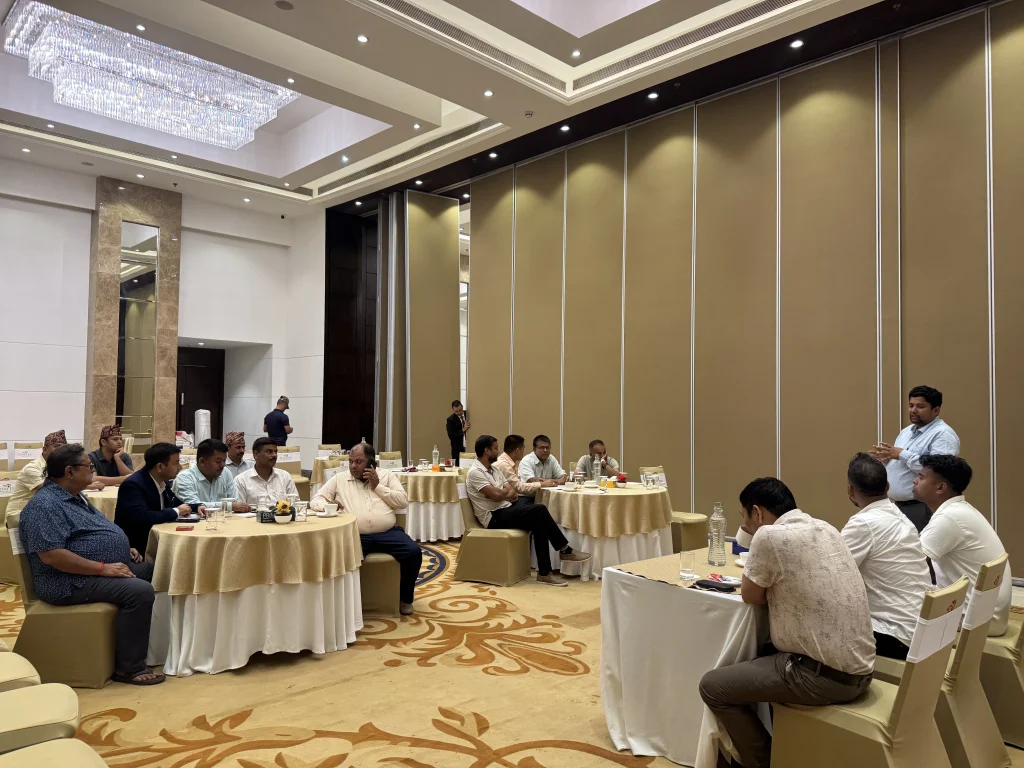
Speaking at an interaction program titled “Interaction with the Minister of Culture, Tourism and Civil Aviation with Tourism Sector Stakeholders,” organized by Nepal Tourism Board in Nepalgunj on Saturday, Minister Paudel reaffirmed the government’s commitment to prioritizing genuine concerns and development needs raised by tourism stakeholders across the country.

Government seeks practical recommendations for tourism budget and future programs
During the interaction, Minister Paudel urged tourism stakeholders and industry representatives to submit their recommendations in written form so that practical and necessary proposals could be incorporated into the upcoming budget and annual programs of the Nepal Tourism Board.
He said the government remains positive about integrating realistic and impactful tourism development programs into the current fiscal year’s policy and budget framework, particularly those capable of generating immediate improvements in tourism infrastructure and service delivery. The minister emphasized that tourism remains one of Nepal’s most important economic sectors and stressed the need for stronger policy support to unlock its full national potential.
Western Nepal tourism stakeholders highlight policy and infrastructure challenges
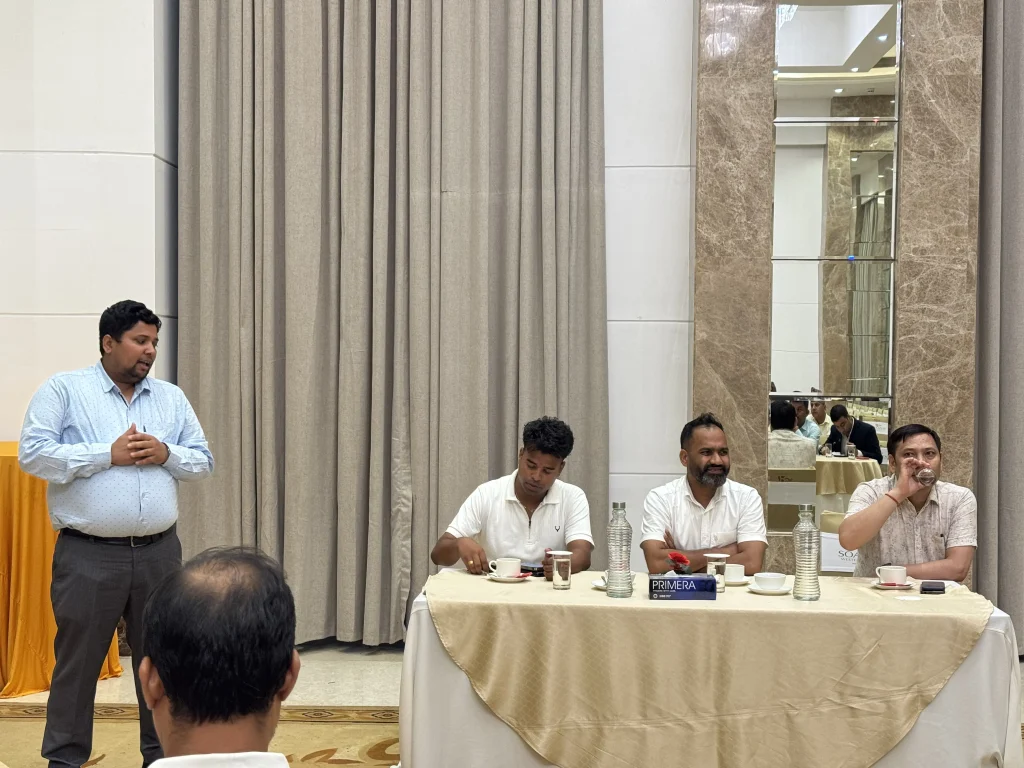
At the event, tourism entrepreneurs and industry representatives from Lumbini Province and Nepalgunj raised serious concerns regarding structural and policy-related challenges slowing tourism development in western Nepal.
Participants highlighted several critical issues requiring immediate government intervention, including expansion of air connectivity, more effective operation of Nepalgunj Airport, improvement of tourism infrastructure, stronger destination marketing strategies, promotion of border tourism, better coordination with the private sector, and decentralization of programs implemented by Nepal Tourism Board. Stakeholders argued that despite western Nepal possessing immense tourism potential, the region continues to underperform due to limited infrastructure development and inadequate policy support.
Private sector pushes for greater regional tourism development focus
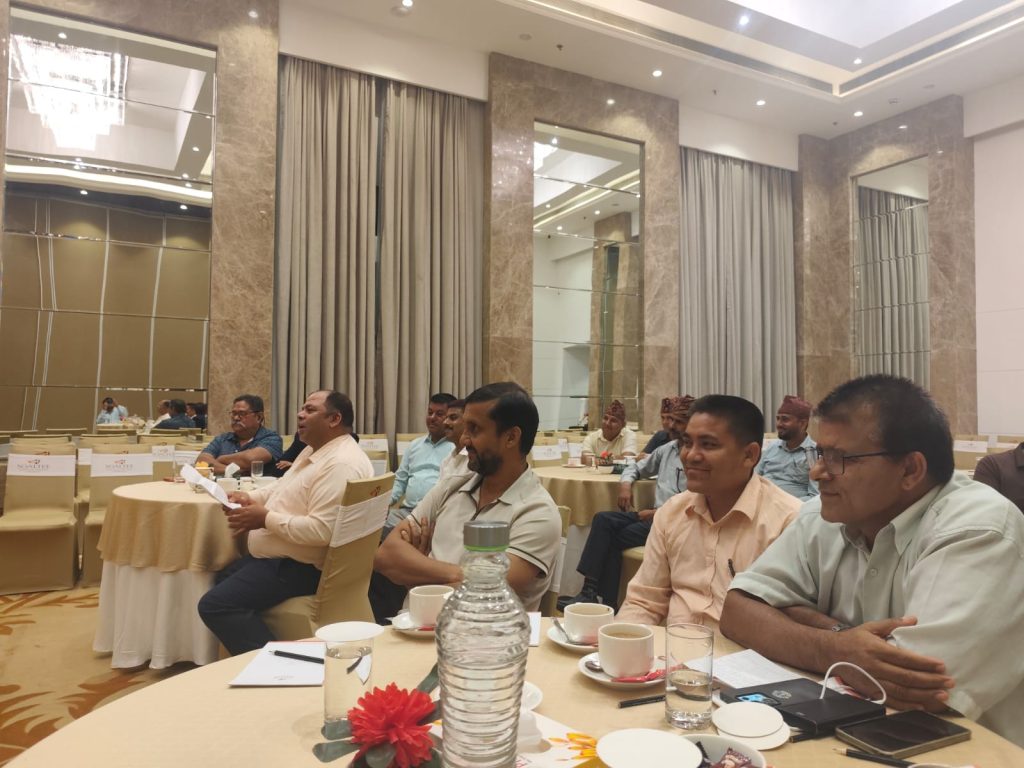
Representatives from tourism organizations including Nepal Association of Tour and Travel Agents (NATTA), Hotel Association Nepal (HAN), local hotel associations, tourism entrepreneurs, Nepal Tourism Board officials, representatives from Nepalgunj Airport, Banke district administration, and other concerned stakeholders actively participated in the discussion.
Tourism business leaders argued that western Nepal has enormous tourism opportunities but continues to face challenges such as inadequate tourism infrastructure, limited domestic and international flight access, weak destination promotion, and policy complications that have prevented the region from achieving expected tourism growth.
Nepalgunj proposed as major tourism gateway connecting western destinations
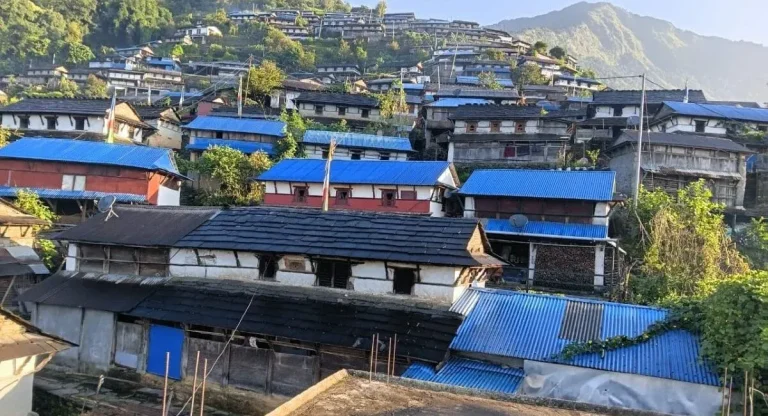
Industry stakeholders emphasized the need for special government programs aimed at developing Nepalgunj as a major tourism gateway connecting some of western Nepal’s most important destinations. Participants noted that Nepalgunj can serve as a strategic entry point linking travelers to major tourism destinations including Lumbini, Bardiya National Park, Rara Lake, Khaptad National Park, and other tourism destinations across far-western Nepal. According to tourism entrepreneurs, targeted investment and infrastructure planning could transform Nepalgunj into one of Nepal’s most important tourism transit and regional development hubs.
Government prioritizes next decade as tourism infrastructure development decade
Minister Paudel stated that tourism remains one of the strongest pillars of Nepal’s national economy and announced that the government is prioritizing the next ten years as a decade focused on tourism infrastructure development.

He said the government plans to strengthen road and aviation infrastructure, upgrade tourism destinations, promote local tourism products, improve cooperation with the private sector, and maximize tourism potential across all provinces.
According to the minister, Nepal’s long-term tourism strategy will focus on regional development, infrastructure expansion, improved accessibility, and stronger partnerships with the private sector in order to elevate Nepal’s tourism industry to a new level.