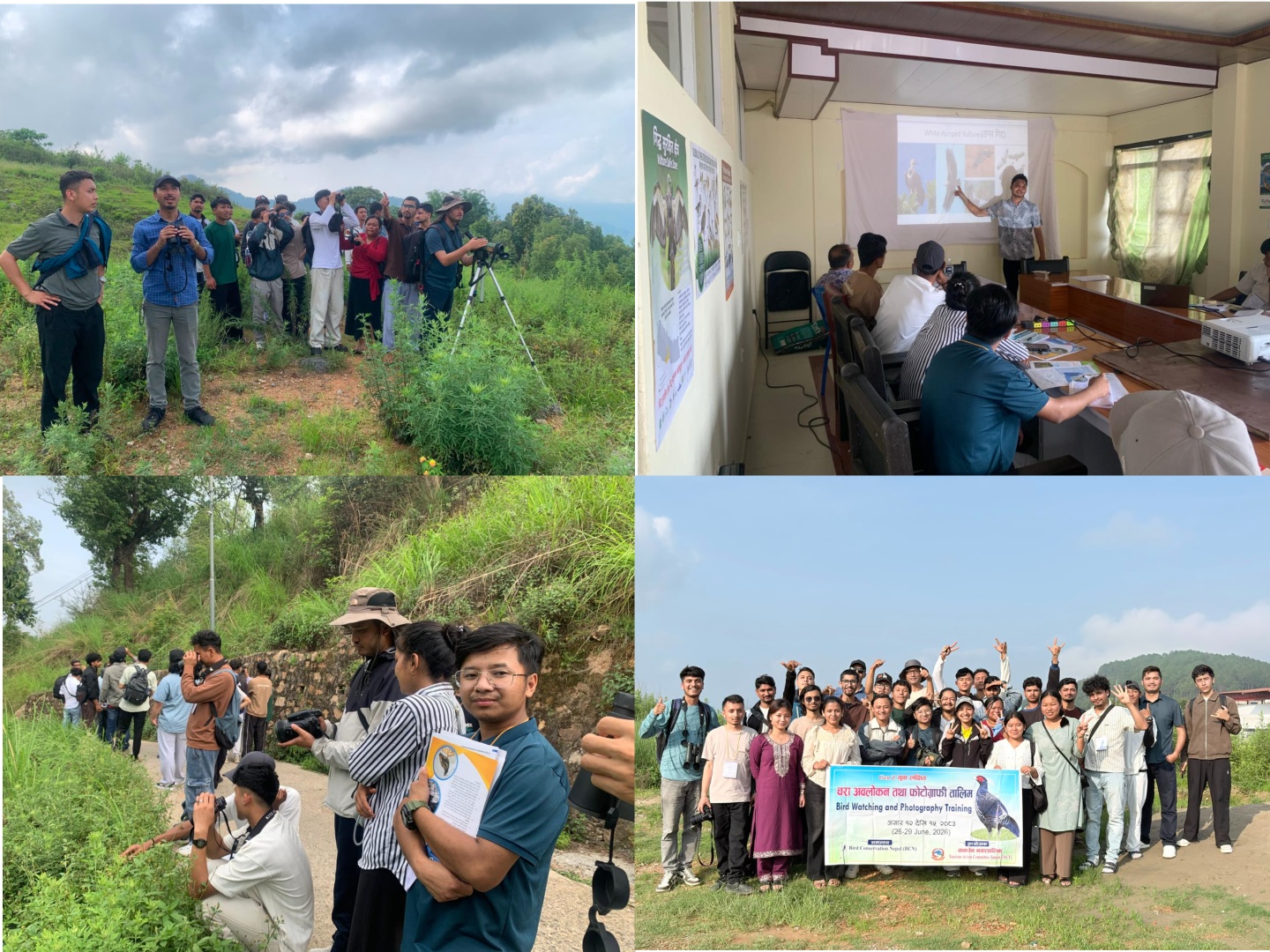
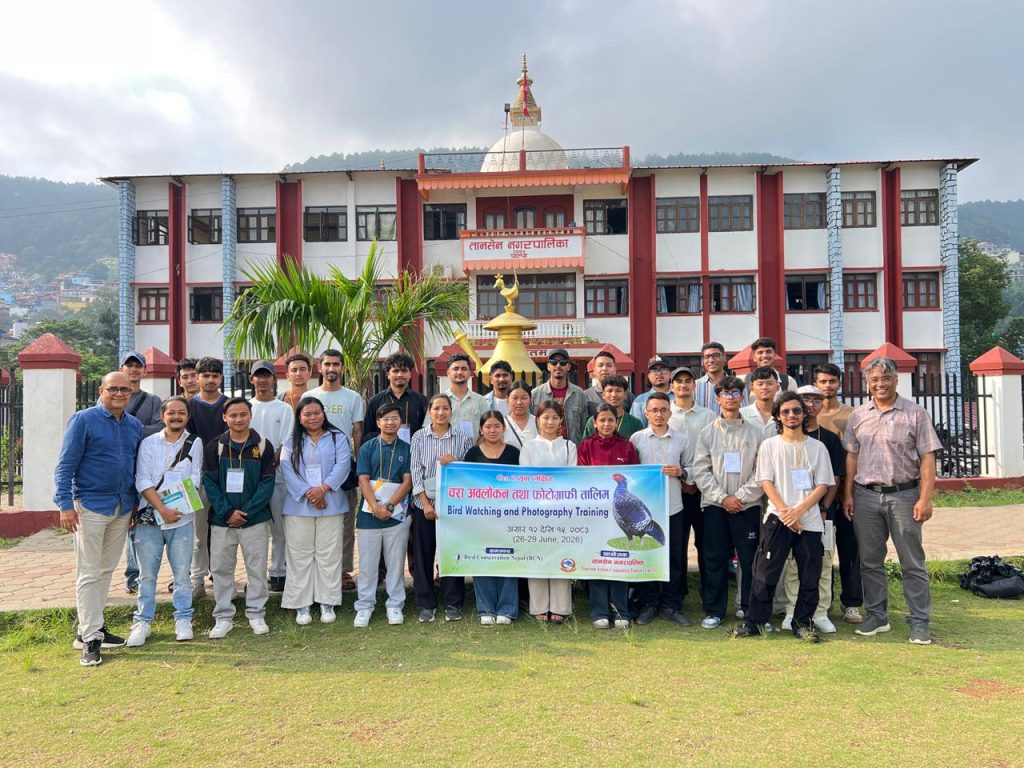
A four-day Birdwatching and Photography Training organized by the Tansen Municipality Tourism Committee concluded successfully in Tansen, with tourism stakeholders emphasizing the growing importance of bird tourism and eco-tourism as emerging sectors capable of attracting both domestic and international visitors to the region.
The training program brought together 32 young participants representing all wards of Tansen Municipality, providing them with practical knowledge and field-based experience in bird identification, biodiversity research, wildlife photography, conservation awareness, and nature tourism development. Organizers said the initiative was designed not only to build environmental awareness among youth but also to connect conservation activities with long-term tourism opportunities.
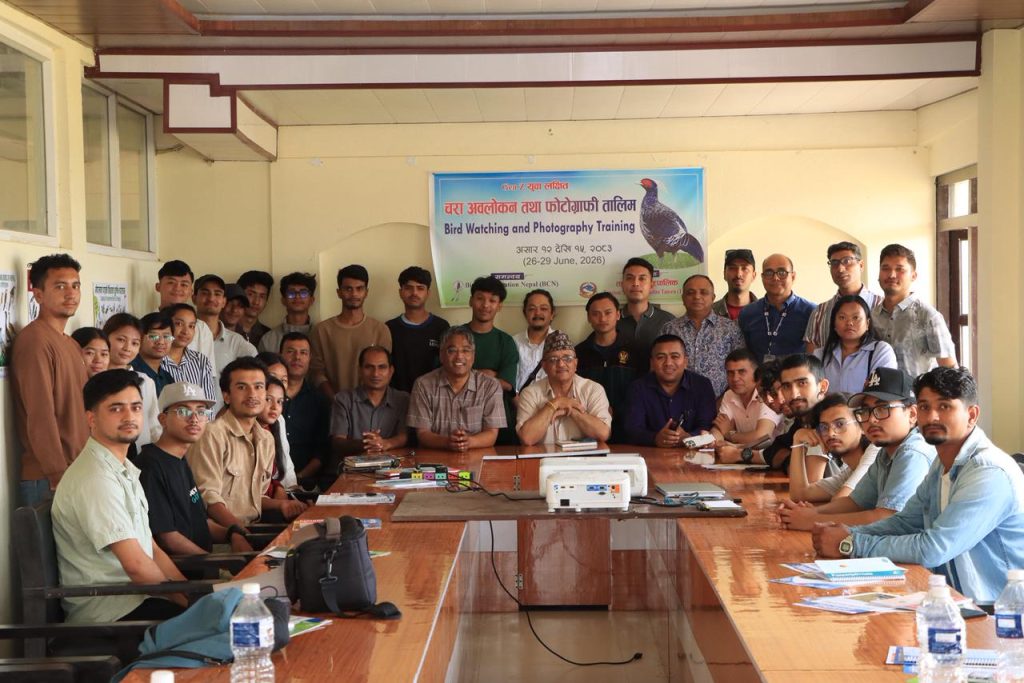
Youth Trained in Bird Identification, Photography and Biodiversity Research
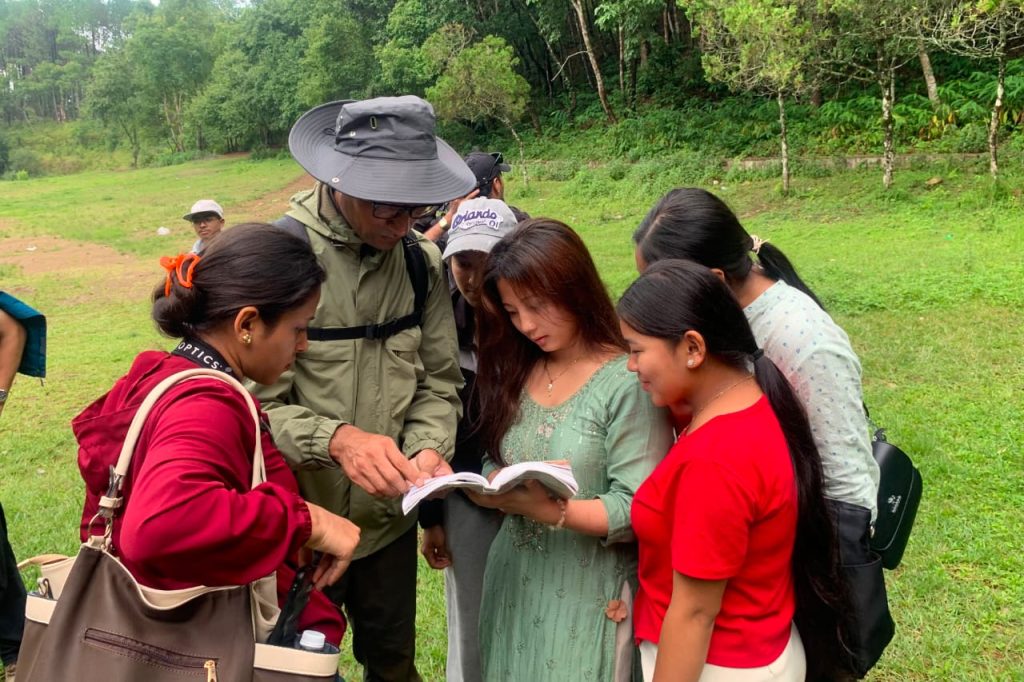
The four-day program featured sessions led by well-known ornithologist Mohan Bikram Shrestha, conservation expert Bird Conservation Nepal representative Amrit Nepali, and environmental science student and bird enthusiast Manish Aryal. Participants received both classroom-based and field-level training focused on bird identification techniques, bird migration patterns, vulture monitoring, bird survey methods, biodiversity documentation, and the fundamentals of bird photography.
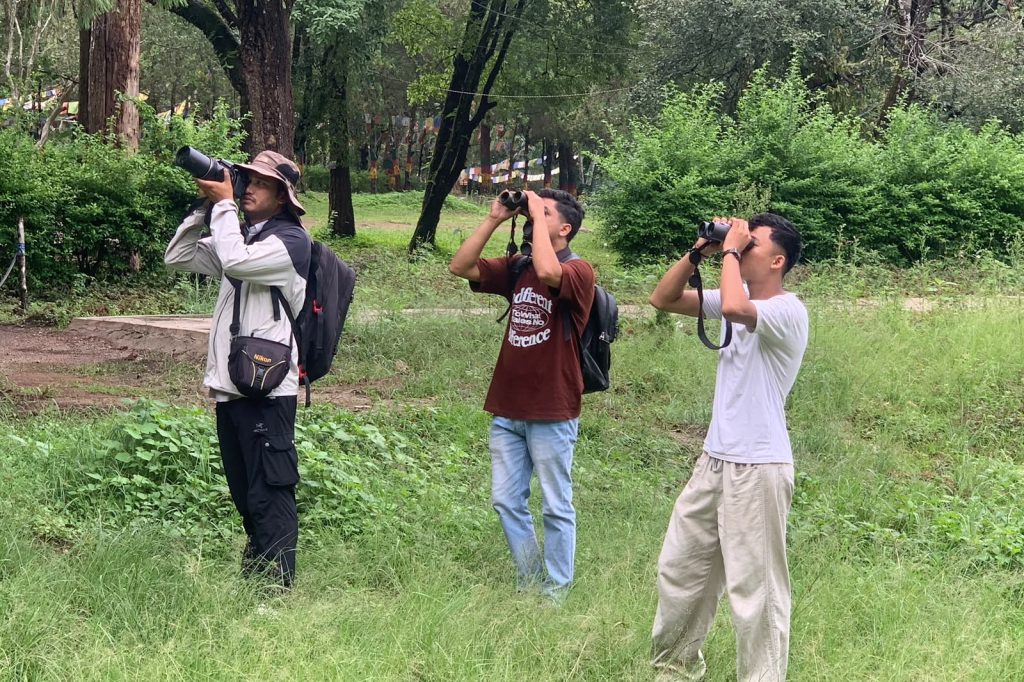
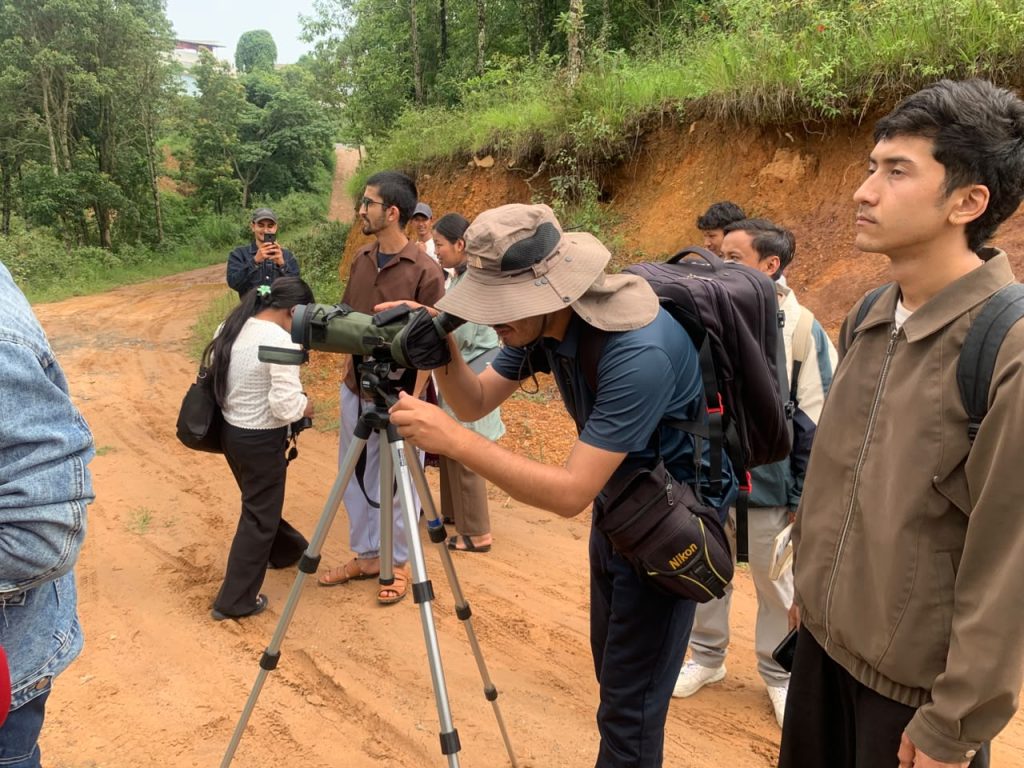
As part of the practical component, participants visited natural habitats around Tansen where they gained hands-on experience observing birds in the wild and learning how to document species through photography and field research methods. Experts involved in the training highlighted that developing such skills among younger generations can play an important role in long-term biodiversity conservation while simultaneously supporting tourism development in ecologically rich destinations.
Tansen’s Rich Bird Diversity Holds Strong Tourism Potential
Speaking during the closing ceremony, Mayor Santosh Lal Shrestha said involving young people in birdwatching and conservation activities can contribute significantly to research and documentation of Tansen’s rich bird diversity. He said the forests of Shreenagar and surrounding areas of Palpa are home to numerous bird species, yet much of the region’s avian biodiversity remains undocumented and under-researched.
According to him, expanding local knowledge about these species can help position Tansen as an important destination for nature tourism in Nepal. The mayor noted that tourism development today increasingly depends on unique experiences, and birdwatching offers an opportunity to diversify tourism products beyond conventional sightseeing.
Bird Tourism Can Create New Opportunities for Youth and Local Economy
Deputy Mayor Pratikshya Gaha Sinjali said the training program was designed to inspire young people to develop interest in bird conservation while opening new opportunities for professional growth through nature-based tourism, eco-guiding, photography, and research-related careers. She emphasized that as global tourism trends increasingly move toward sustainable travel experiences, destinations like Tansen can benefit by developing specialized tourism products centered around wildlife observation and environmental education.
Ward Chairpersons Sunil Bashyal and Sagar Man Maharjan also expressed confidence that such training programs can encourage youth entrepreneurship while strengthening eco-tourism initiatives at the local level. They said empowering local youth with tourism-related environmental skills can help communities directly benefit from conservation-based tourism activities in the future.
Bird Tourism Emerging as New Tourism Product for Palpa
Tourism stakeholders attending the event highlighted the increasing potential of bird tourism as an important tourism product capable of strengthening Palpa’s tourism sector. President of Hotel Association Palpa Jayant Bhusal said bird tourism can play a major role in promoting Palpa and Tansen as attractive eco-tourism destinations.
He noted that international travelers are increasingly seeking sustainable tourism experiences focused on wildlife observation, photography, and nature exploration, creating opportunities for destinations rich in biodiversity. Trainer Mohan Bikram Shrestha emphasized that forests in Tansen and Rampur have strong potential to gain international recognition among birdwatchers if properly promoted. He pointed out that Nepal is home to several rare bird species, including the country’s only endemic bird, the Spiny Babbler, which holds unique tourism appeal for global bird enthusiasts.
Linking Conservation with Sustainable Tourism Development
President of NATTA Palpa Chapter Rajiv Shah said integrating birdwatching activities with tourism packages could attract both domestic and international tourists looking for specialized nature-based experiences. Senior Administrative Officer Bishnu Prasad Poudel said the practical nature of the training has equipped participants with valuable skills that may support self-employment opportunities in the future through photography, guiding services, and eco-tourism entrepreneurship. Similarly, President of the Federation of Nepali Journalists Palpa chapter Kamal Raj Timilsena said the initiative will encourage young photographers to explore bird photography while building greater public awareness about biodiversity conservation.
Participants Commit to Promoting Bird Conservation and Tourism
The program concluded with participants expressing enthusiasm to continue birdwatching activities while contributing to the research, conservation, and promotion of Palpa’s diverse bird species. Organizers believe such initiatives can help establish Tansen and Palpa as emerging bird tourism destinations, where conservation efforts directly support sustainable tourism development and local economic growth. With global tourism increasingly shifting toward eco-tourism and authentic nature-based experiences, local stakeholders say birdwatching tourism could become a valuable niche tourism product for Nepal, helping communities benefit economically while protecting the country’s rich biodiversity for future generations.