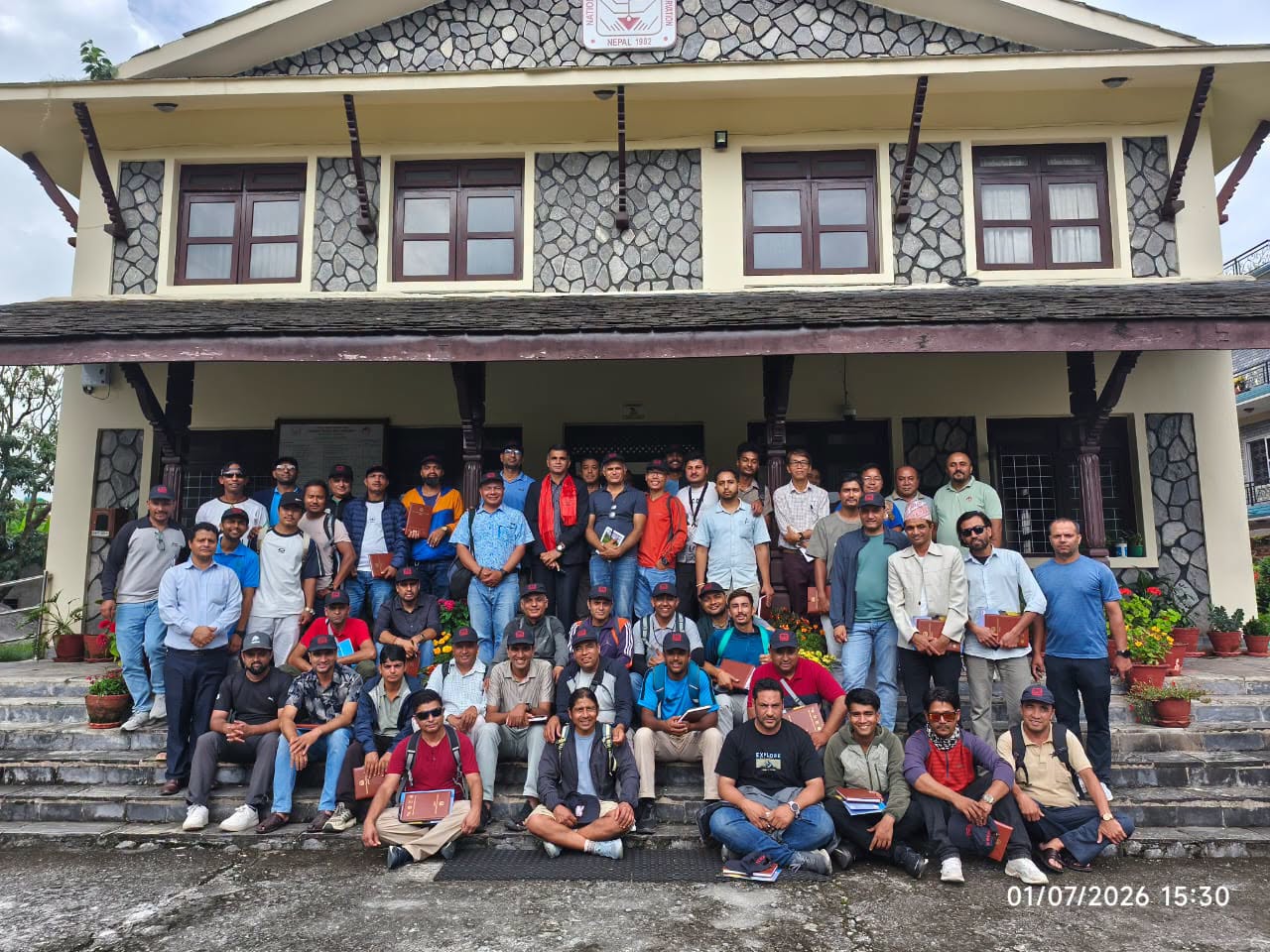
A two-day Orientation and Interaction Program for Trekking Guides, jointly organized by the Annapurna Conservation Area Project and coordinated by Trekking Agencies Association of Nepal Gandaki, concluded successfully with strong participation from Nepal’s trekking community, reinforcing efforts to promote sustainable tourism and strengthen conservation awareness in the country’s premier trekking destinations.
Held on Ashadh 16 and 17 at the Annapurna Conservation Area Project headquarters, the program brought together 100 trekking guides who participated enthusiastically in two separate training sessions focused on climate change awareness, sustainable nature tourism, environmental conservation, trekking safety, and responsible tourism practices.
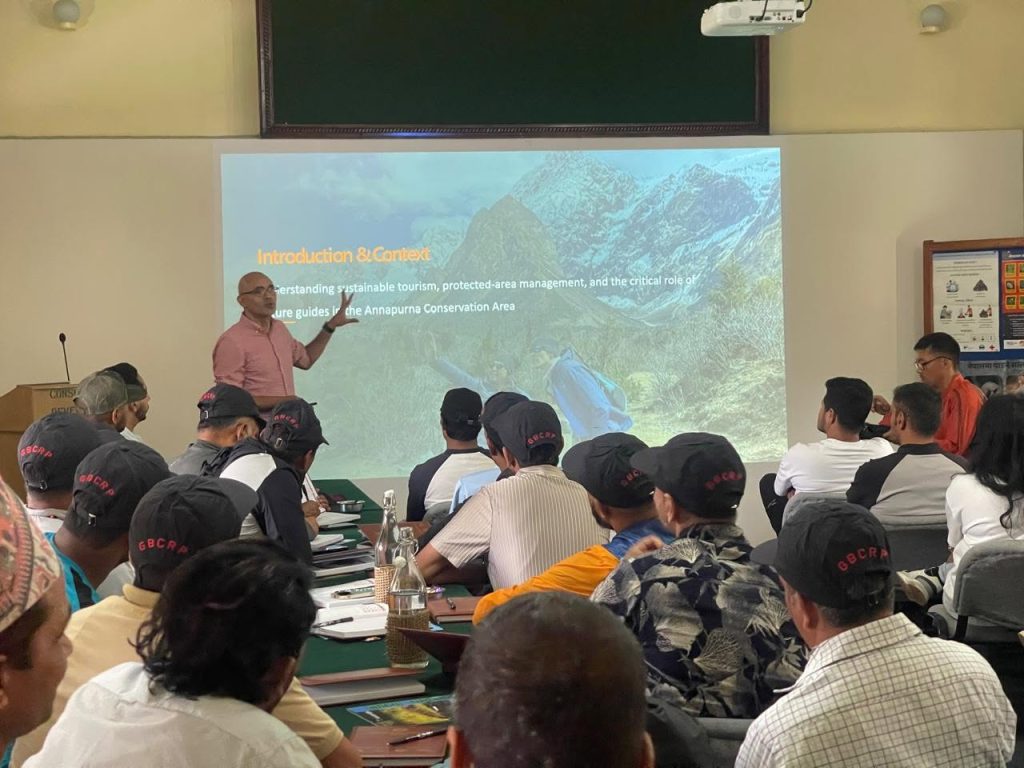
Organizers said the initiative was designed to strengthen collaboration between tourism stakeholders and conservation agencies while ensuring trekking guides are better equipped to support sustainable tourism development in the globally renowned Annapurna region.
Training Focused on Climate Change Challenges in Himalayan Tourism
One of the key highlights of the program was a session dedicated to climate change and its growing impact on Nepal’s fragile Himalayan ecosystem, a challenge increasingly affecting trekking routes, mountain communities, and the tourism sector. During the session, climate expert Dr. R.P. Poudel presented a working paper explaining the effects of climate change in mountain regions and discussed precautionary measures that tourism stakeholders, particularly trekking guides, should adopt while operating in high-altitude destinations.
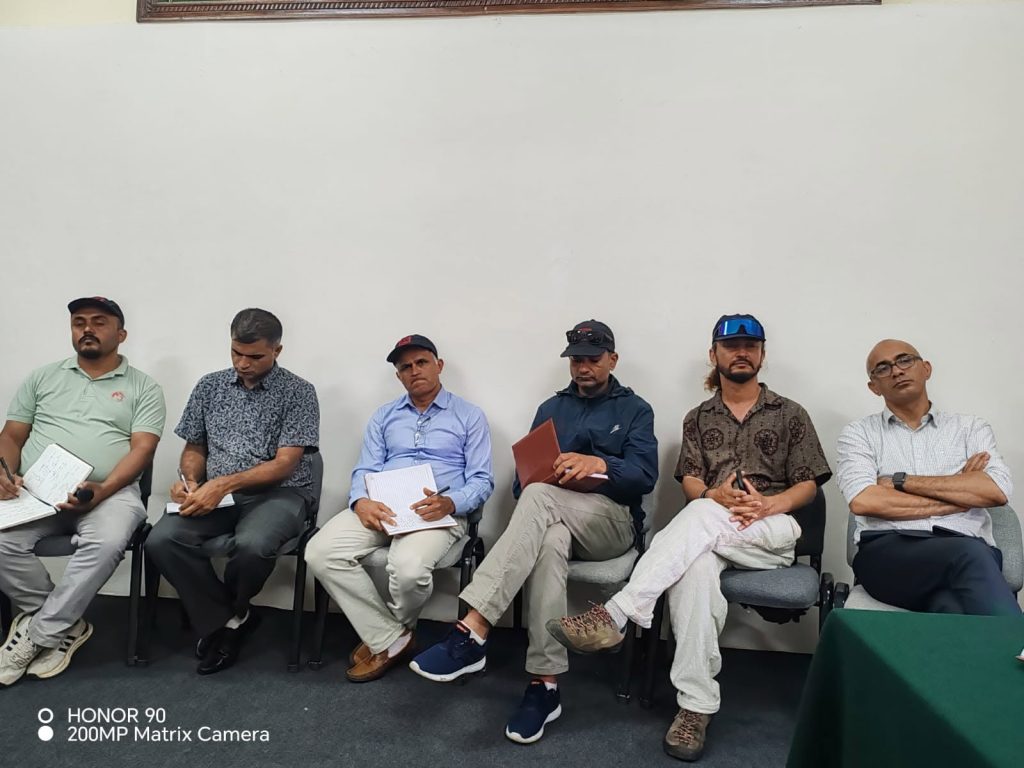
The session focused on how rising temperatures, unpredictable weather patterns, glacier retreat, and changing environmental conditions are directly influencing trekking experiences and creating new safety challenges in Nepal’s mountain tourism sector. Experts emphasized that trekking guides must understand these environmental changes as they serve on the frontlines of Nepal’s adventure tourism industry and play a direct role in ensuring visitor safety.
Sustainable Nature Tourism Highlighted as Future of Trekking Industry
The program also featured a specialized session on Sustainable Nature Tourism, reflecting the growing importance of environmentally responsible tourism practices in Nepal’s trekking industry. Tourism expert Samir Baral led the training session, focusing on eco-tourism principles and environmentally friendly trekking practices that can help minimize tourism’s impact on sensitive natural ecosystems.
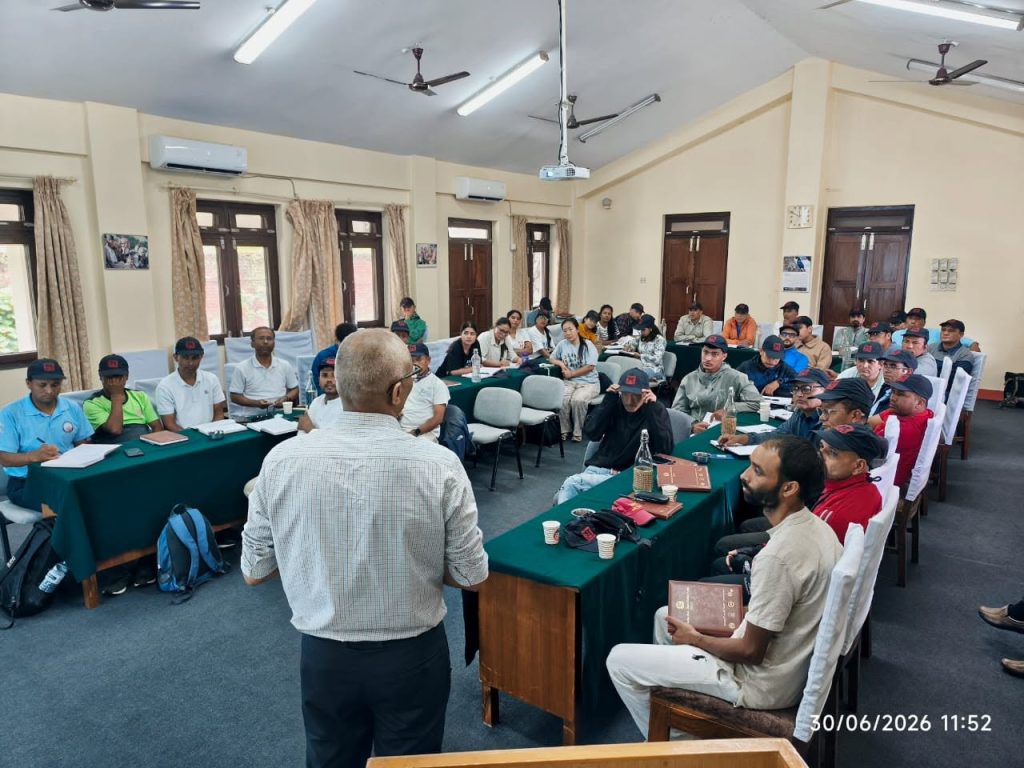
Participants were trained on responsible trekking operations, waste management, reducing environmental footprints, respecting local communities, and adopting tourism practices that contribute to the long-term sustainability of mountain destinations. Speakers highlighted that as global travelers increasingly prioritize sustainable travel experiences, Nepal’s trekking industry must adapt by promoting responsible tourism practices that protect both the environment and local livelihoods.
ACAP Briefs Guides on Conservation Efforts and Regional Regulations
A major component of the orientation program focused on strengthening awareness regarding conservation responsibilities within Nepal’s most visited trekking destination, the Annapurna region.
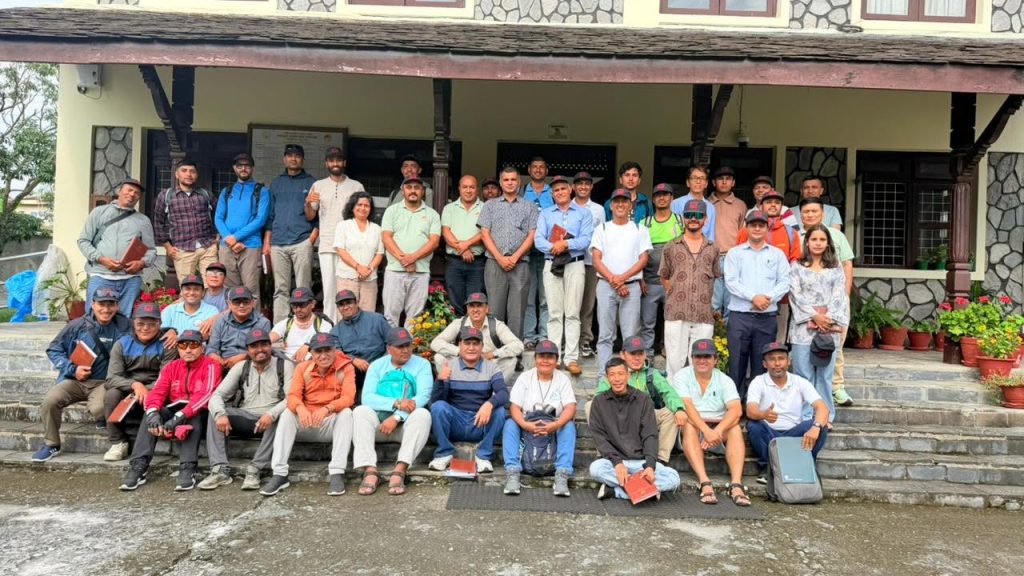
During the session, Dr. Rabin Kadariya provided detailed information about conservation efforts being implemented by the Annapurna Conservation Area Project and explained the rules and regulations that trekking guides must follow while operating inside protected areas.
Participants were briefed on biodiversity protection, conservation regulations, environmental monitoring systems, and the importance of balancing tourism growth with ecological preservation. Officials emphasized that trekking guides serve as direct representatives of Nepal’s tourism industry and therefore play a critical role in educating visitors about responsible behavior inside protected conservation areas.
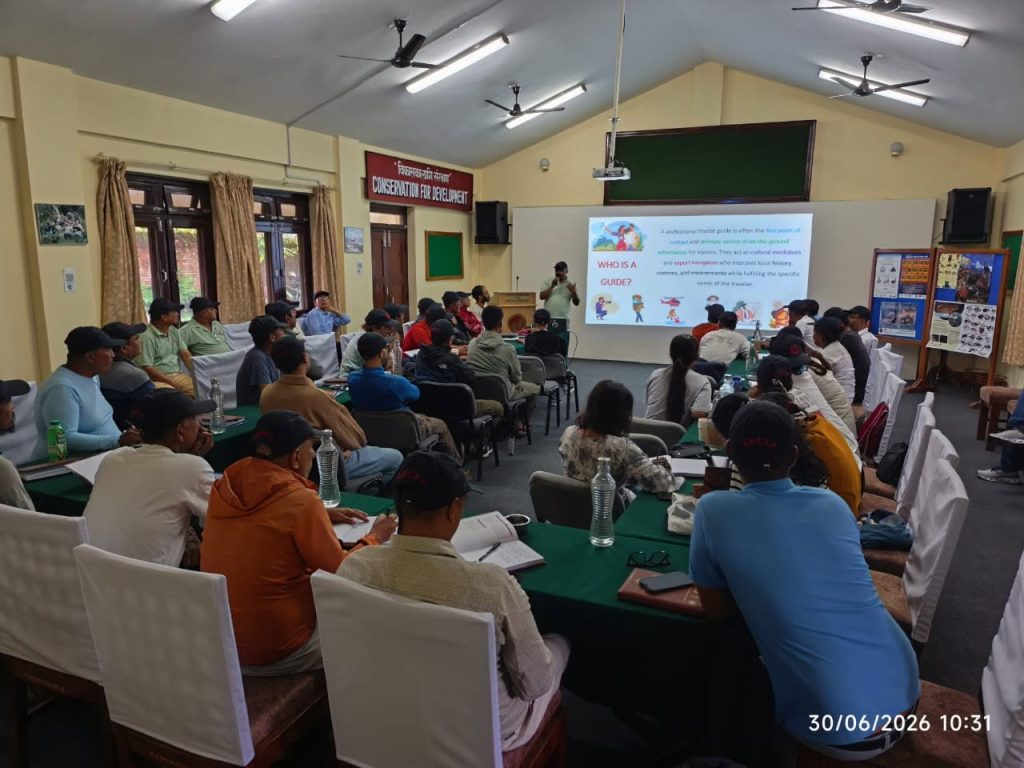
Open Interaction Session Addresses Safety and Environmental Concerns
The program also featured an interactive question-and-answer session where participating trekking guides raised various concerns related to environmental management, trail safety, tourism regulations, and operational challenges faced during trekking expeditions. Representatives from both Annapurna Conservation Area Project and Trekking Agencies Association of Nepal Gandaki responded to the concerns raised by guides and provided clarification regarding policies and field-level operational practices.
Organizers said the interaction session created an important platform for direct communication between conservation authorities and tourism professionals who work closely with international trekkers in the Annapurna region. The dialogue focused on the shared objective of building stronger cooperation between tourism operators and conservation institutions for the long-term protection of Nepal’s mountain destinations.
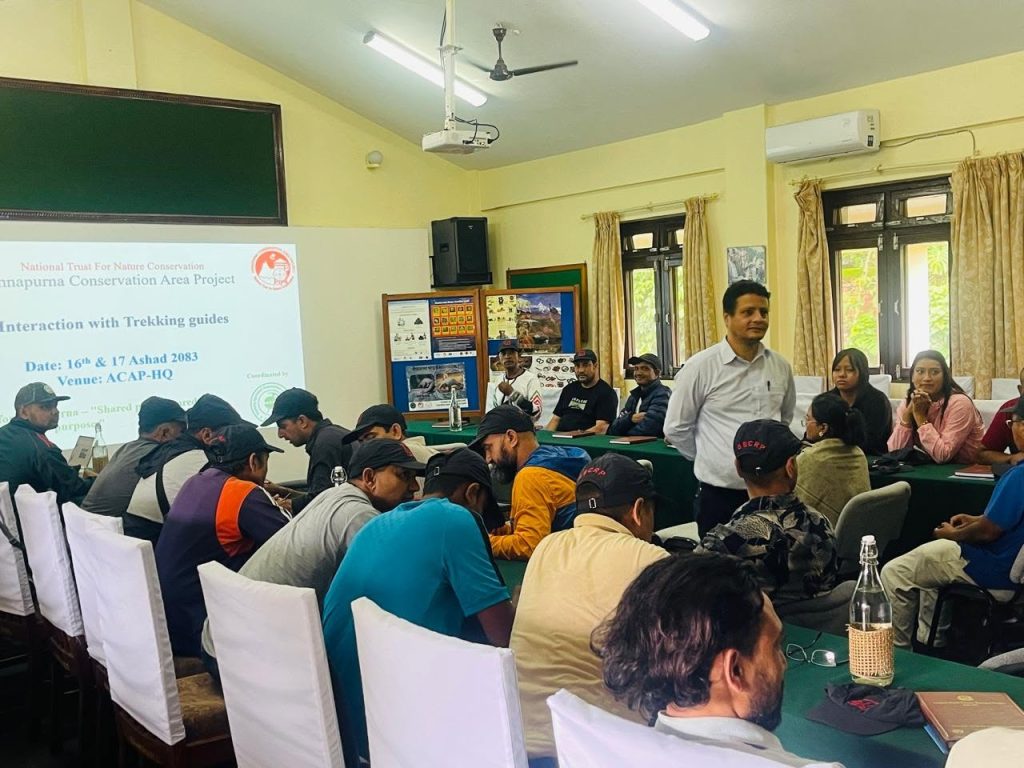
Trekking Guides Recognized as Key Tourism Ambassadors
Closing the event, President of Trekking Agencies Association of Nepal Gandaki Krishna Prasad Acharya emphasized that trekking guides remain one of the strongest pillars of Nepal’s tourism industry and serve as frontline ambassadors representing the country to international visitors.
He urged participants to apply the knowledge and practical lessons learned during the training in their day-to-day professional work while promoting responsible tourism and environmental stewardship in trekking destinations. Acharya said well-trained trekking guides play a critical role not only in ensuring tourist safety but also in protecting Nepal’s natural heritage and maintaining the country’s international reputation as a leading trekking destination.
President Acharya also stated that strengthening Nepal’s trekking and tourism sector requires immediate policy reforms and sustainable destination management strategies, emphasizing the need to explore and promote new trekking routes beyond traditional trails in the Annapurna Region, while developing new adventure packages such as the Korchan Trek–Mardi Himal to diversify tourism products and extend visitor stays.
He further highlighted challenges related to high food prices in trekking routes due to expensive transportation costs, accommodation shortages during peak trekking seasons, and the urgent need for safe lodging facilities for female trekking guides.
Stressing sustainable tourism development, he also called for stronger waste management systems, better menstrual hygiene facilities for women trekkers and guides, improved infrastructure, transparent pricing mechanisms, and greater coordination among government agencies, local communities, tourism entrepreneurs, and conservation bodies to ensure environmentally responsible and long-term tourism growth in Nepal’s mountain destinations.
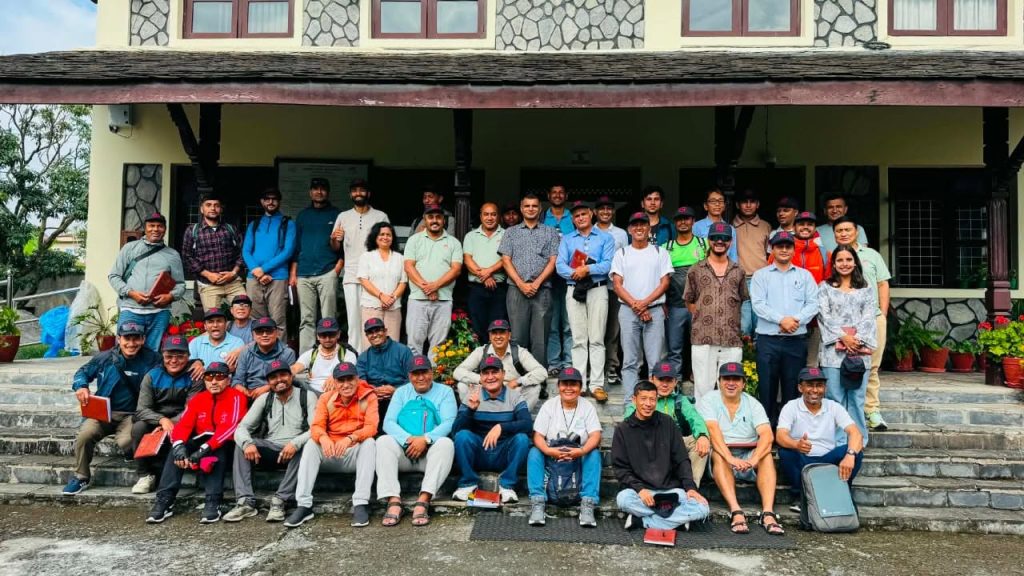
Strengthening Partnership for Sustainable Tourism in Annapurna Region
The program was coordinated by ACAP Conservation Officer Dr. Suraj Sharma, who, along with other resource persons and participating guides, was appreciated for successfully contributing to the initiative. Organizers said the two-day orientation program reflects a broader commitment by conservation and tourism institutions to strengthen cooperation under the shared vision of “Together for Annapurna – Shared Paths, Shared Purpose.”
Tourism experts say such capacity-building programs are increasingly important as Nepal’s trekking industry grows and global travelers place greater importance on sustainability, environmental responsibility, and safe trekking experiences. As the Annapurna region remains one of Nepal’s most visited trekking destinations, initiatives like this are expected to play an important role in ensuring that tourism growth remains balanced with environmental conservation, community welfare, and long-term sustainability of the Himalayan tourism sector.