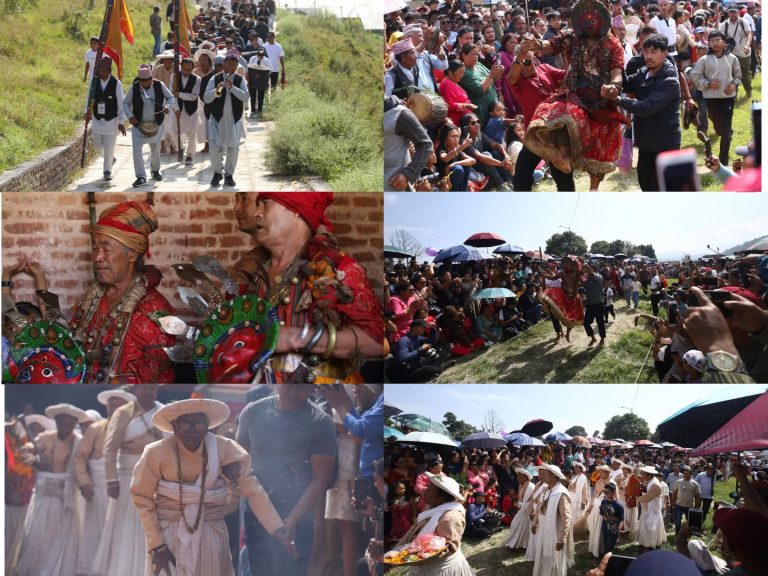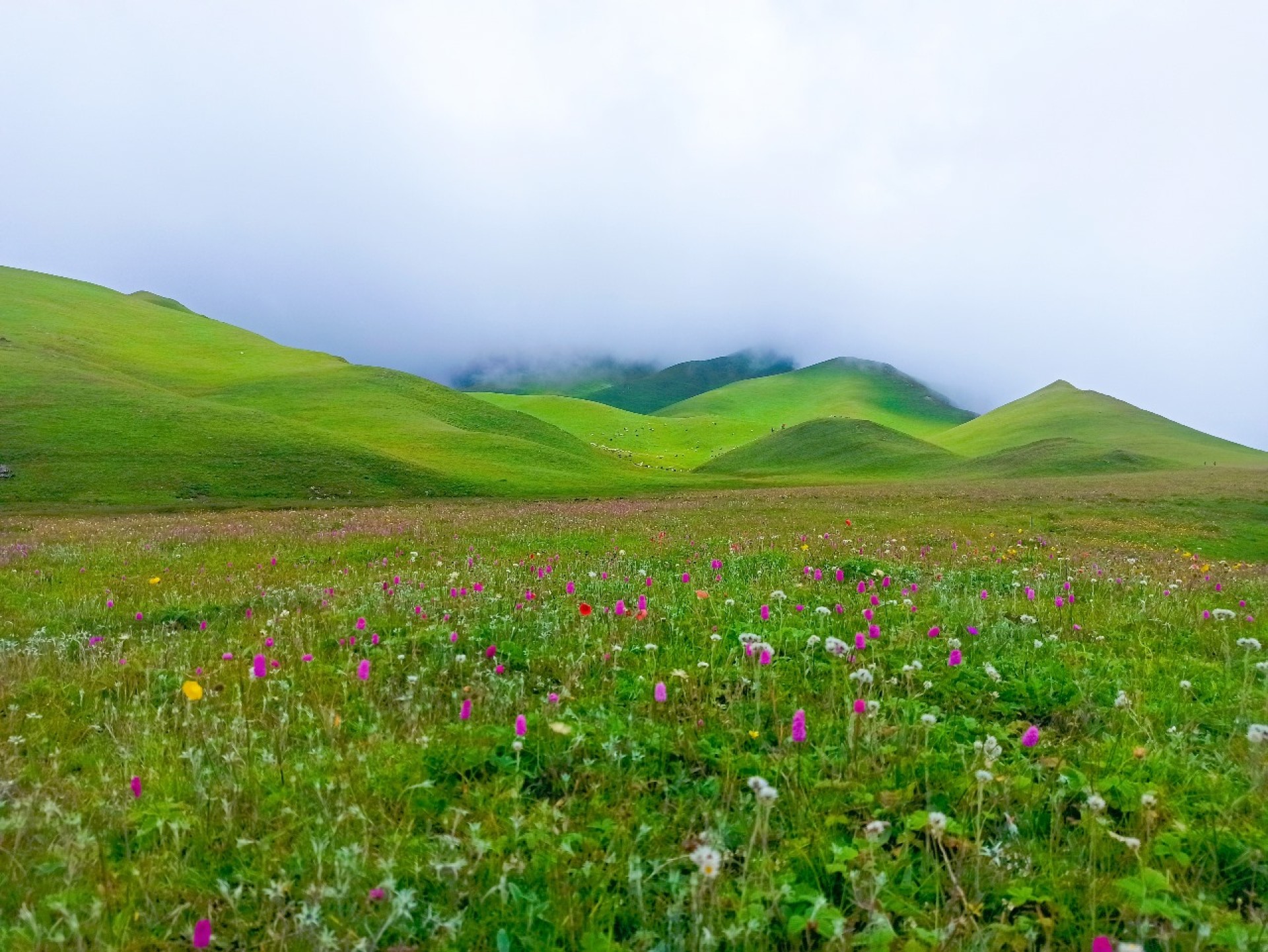
The picturesque Triveni Patan, located in the Badimalika region along the border of Kalikot and Bajura districts, is rapidly gaining popularity as a preferred destination for domestic tourists, with its lush green alpine meadows drawing increasing numbers of visitors during the monsoon season. Traditionally known as a pilgrimage site visited mainly during the Janai Purnima festival, the Badimalika area is now attracting travelers throughout the tourism season, thanks to its breathtaking natural beauty, improved infrastructure, and growing interest in high-altitude nature tourism.

Green Meadows Become a Major Attraction
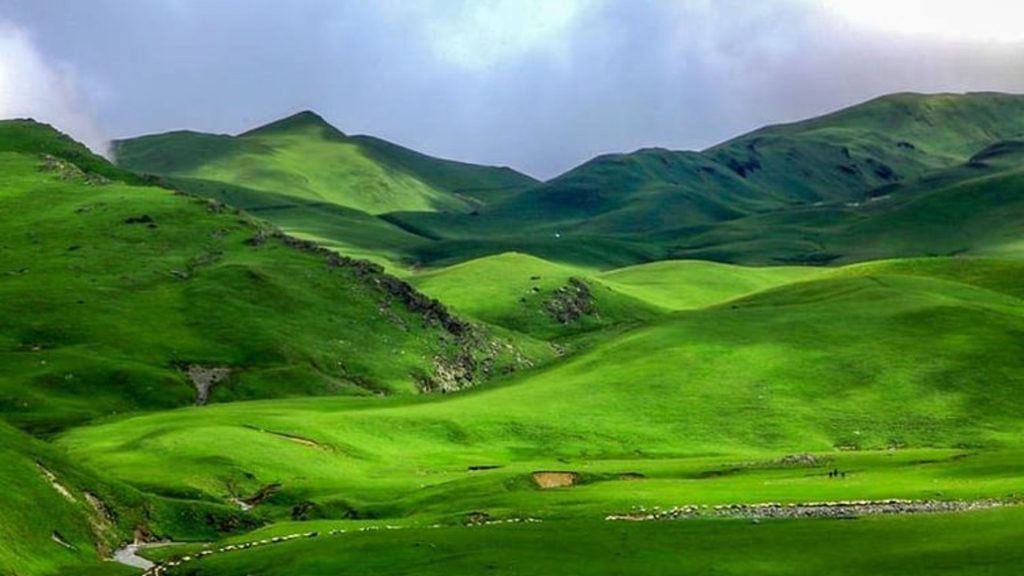
The vast Triveni Patan transforms into a vibrant green landscape during the rainy season, creating spectacular scenery that has made it one of western Nepal’s emerging nature-based tourism destinations. Visitors are increasingly arriving from as early as Jestha (May–June) to experience the panoramic alpine grasslands, where herds of sheep, goats, cattle, buffaloes, and horses graze against the backdrop of rolling hills and mountain vistas. Situated at an altitude of approximately 4,219 meters above sea level, Triveni Patan is considered best for travel between Baisakh and Ashoj (April to October).
Tourists Visiting Beyond the Festival Season
Mayor Dharmaraj Shahi of Raskot Municipality said the spectacular greenery and tranquil environment of Triveni Patan have significantly expanded the area’s tourism appeal. He noted that, in addition to Triveni Patan, the Badimalika region is home to 32 beautiful alpine meadows, offering visitors a unique and adventurous highland experience. “As a result, tourists are now visiting Badimalika not only during the Janai Purnima pilgrimage but throughout the tourism season,” he said.
Rich Biodiversity Enhances Visitor Experience
According to Muskan Shahi of Raskot Municipality-6, Triveni Patan captivates visitors with its alpine forests, streams flowing through the meadows, expansive green grasslands, and colorful wildflowers. The region is home to more than 100 species of flowering plants, diverse alpine vegetation, and a variety of valuable medicinal herbs, making it attractive not only for pilgrims but also for nature enthusiasts, photographers, and eco-tourists.
Improved Tourist Infrastructure Supports Growth
Local authorities have also invested in improving facilities for pilgrims and tourists visiting the Badimalika region. Ganesh Acharya, a contractor from Khandachakra Municipality-5 in Kalikot, said that infrastructure including pilgrim shelters (dharamshalas), 108 bathing spouts, toilets, and drinking water facilities has been developed at Triveni Patan to enhance visitor comfort. These facilities are expected to make the destination more accessible and convenient for travelers exploring the high-altitude landscape.

Further Tourism Development Underway
Chairperson Mohan Bahadur KC of the local rural municipality said additional infrastructure projects are being implemented to better serve both pilgrims and tourists. He emphasized that continued investment in visitor facilities, combined with the region’s unique natural beauty and religious significance, will help establish Badimalika and Triveni Patan as one of Nepal’s emerging mountain tourism destinations. As domestic travel continues to grow, Triveni Patan is increasingly being recognized as a destination where spirituality, adventure, and pristine Himalayan landscapes come together, offering visitors a unique experience beyond the traditional pilgrimage season.