The Annapurna Conservation Area (ACA), one of Nepal’s most popular destinations for trekking, nature and cultural tourism, welcomed more than 500,000 tourists during fiscal year 2082/83. According to the annual visitor figures, more than 376,500 visitors from SAARC countries and over 123,500 other international tourists visited the conservation area during the fiscal year.
The growing number of visitors highlights the continued popularity of the Annapurna region, which combines spectacular Himalayan landscapes, rich biodiversity, ancient cultures and world-renowned trekking routes.
Nepal’s Largest Protected Area Covers 7,629 Square Kilometres
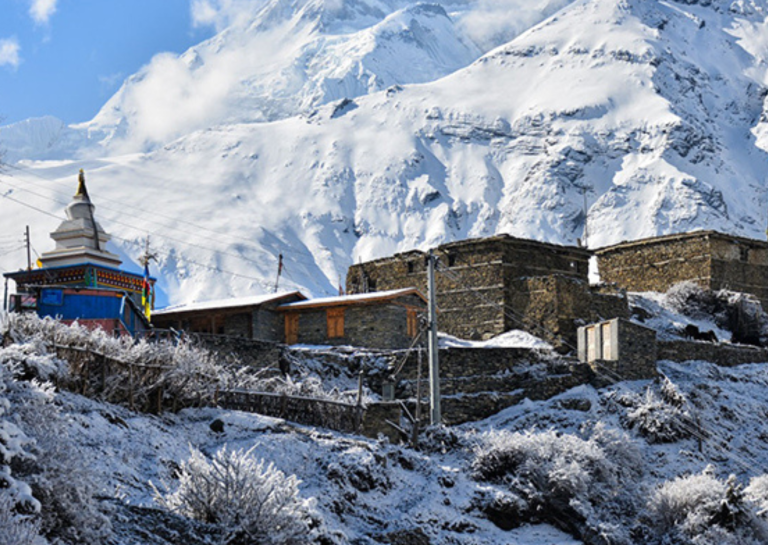
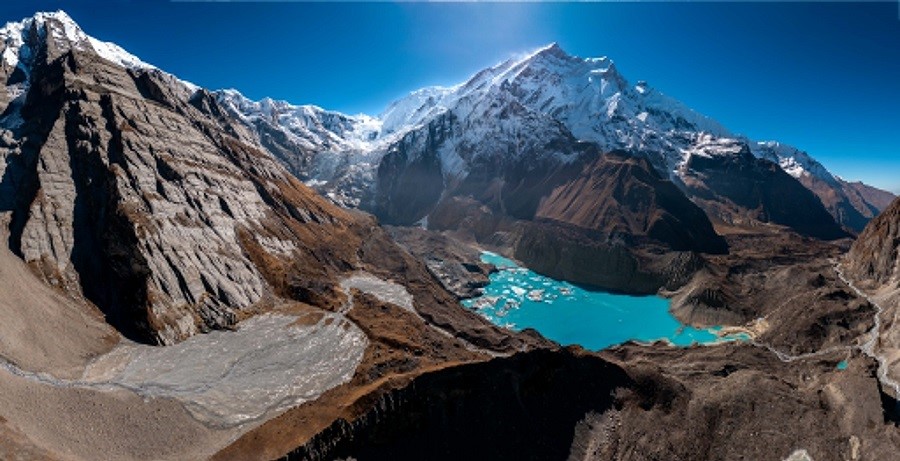
Located in the Western Himalayas, the Annapurna Conservation Area covers an area of 7,629 square kilometres, making it the largest protected area in Nepal. The conservation area is the catchment area of three major rivers and includes the Kali Gandaki, one of the world’s deepest river valleys. It is also home to two of the world’s highest mountains, Annapurna I, standing at 8,091 metres, and Dhaulagiri, standing at 8,167 metres. The world-famous Annapurna Circuit, regarded as one of the best trekking routes in the world, also passes through the conservation area.
ACAP Launched in 1986 to Link Conservation with Community Development
The Annapurna Conservation Area Project (ACAP) was launched in 1986 by the National Trust for Nature Conservation (NTNC). It is the largest undertaking of the NTNC and Nepal’s first conservation area.

The project was initially piloted in Ghandruk and was later expanded across the entire conservation area. Following the official declaration of the region as a conservation area in 1992, ACAP adopted an integrated conservation and development approach focused on protecting nature while improving the livelihoods of local communities. The conservation area is home to more than 100,000 people belonging to diverse cultural and linguistic communities.
Rich Biodiversity Supports Hundreds of Species
The Annapurna Conservation Area is considered a treasure house of biodiversity. The region is home to 1,226 species of flowering plants, 105 species of mammals, 523 species of birds, 40 species of reptiles and 23 species of amphibians.
The area is also renowned for several globally significant natural features. The Kali Gandaki Gorge, one of the deepest river gorges in the world, passes through the region and contains fossils dating back millions of years to the ancient Tethys Sea. The Ghorepani area is known for its extensive rhododendron forests, while Tilicho Lake in Manang is among the world’s highest-altitude freshwater lakes.
Diverse Communities and Cultures Add to the Region’s Appeal
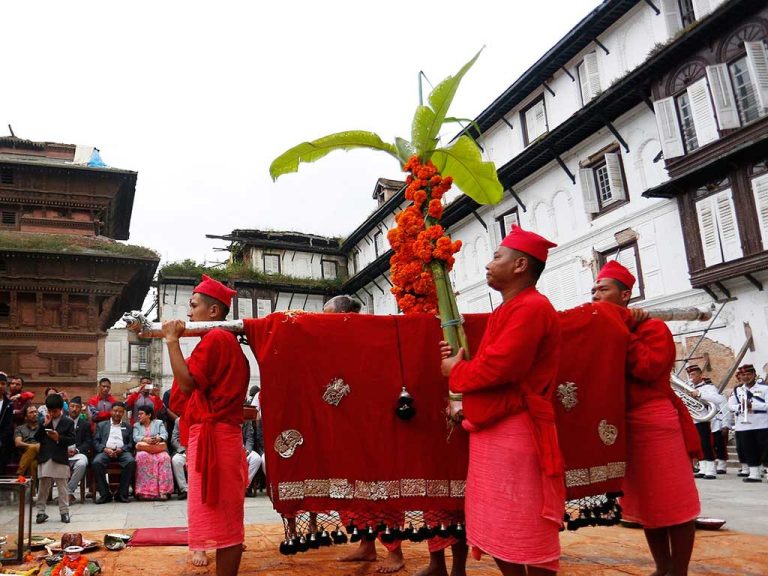
The biological diversity of the Annapurna region is matched by its cultural diversity. Gurung and Magar communities are predominant in the southern part of the conservation area, while Thakali, Manange and Loba communities are more prominent in the northern region. Each community has its own languages, traditions, customs and cultural practices.
Hinduism, Buddhism and pre-Buddhist religious traditions are practiced across the region, often creating a unique blend of cultural and spiritual heritage. The local population resides across five districts and 15 rural municipalities within the Annapurna Conservation Area.
Tourism Remains a Major Source of Local Livelihoods
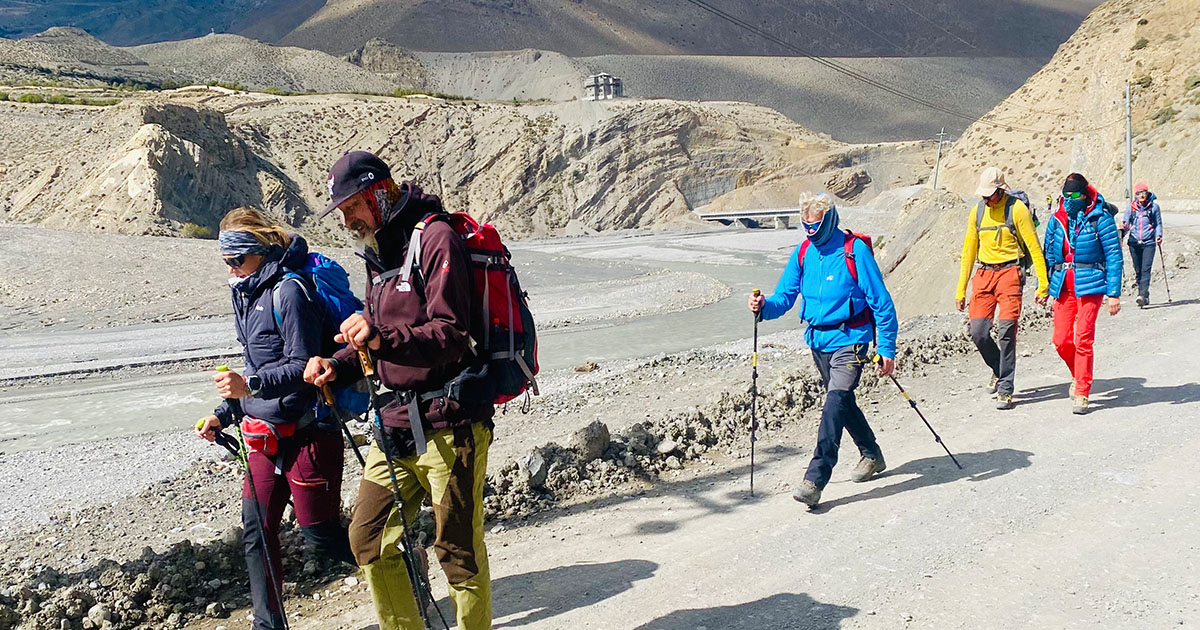
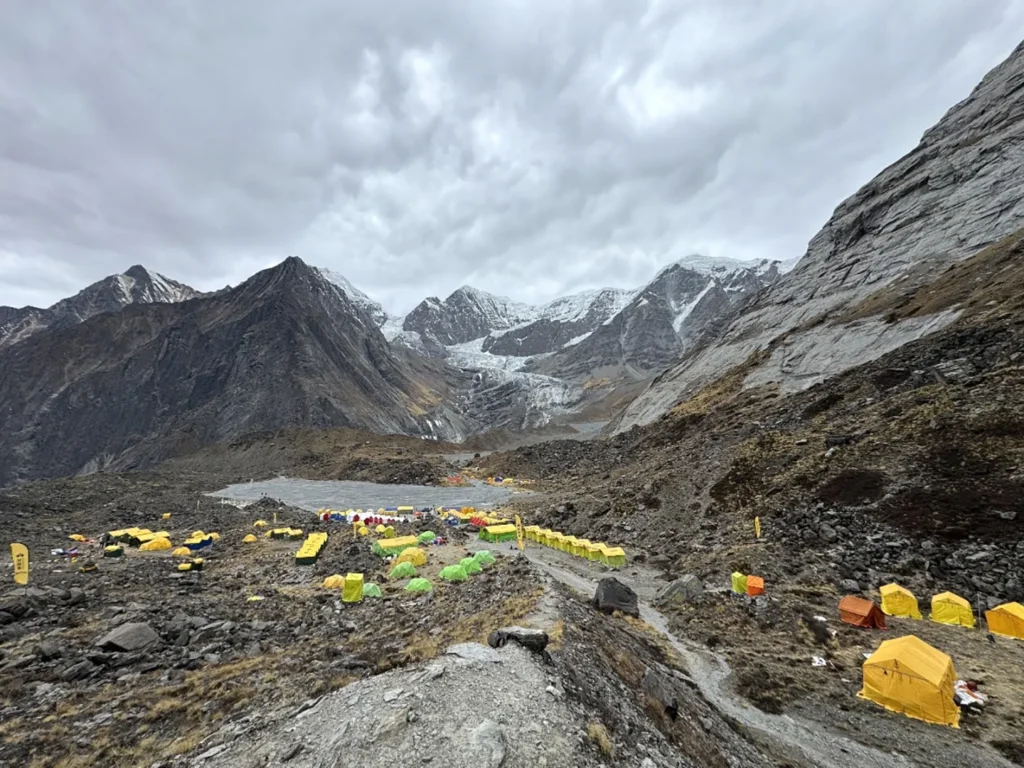
The natural and cultural attractions of the Annapurna region have made it one of Nepal’s most popular trekking destinations. Tourism has become one of the most important sectors of the local economy. The region has more than 1,000 lodges, teahouses and numerous other tourism-related businesses that provide services to trekkers, pilgrims and support staff. The growing number of visitors has created employment and income opportunities for local communities while also contributing to the development of infrastructure and services in remote mountain settlements.
Rising Tourism Brings Environmental Challenges
Despite the economic benefits of tourism, the increasing number of visitors has also placed pressure on the region’s natural resources. The demand for fuelwood, particularly from tourism establishments and visitors, has contributed to pressure on forest resources. Waste management is another major challenge, especially in popular trekking areas. The growing volume of non-biodegradable waste generated by trekkers, hotels and other tourism-related activities has highlighted the need for stronger environmental management and sustainable tourism practices.
Community-Based Conservation at the Heart of ACAP
ACAP has addressed the environmental and socio-economic challenges of the region through an integrated, community-based conservation and development model. Unlike traditional protected-area management systems, the Annapurna Conservation Area allows local residents to continue living within the protected area, owning private property and exercising traditional rights and access to natural resources.
The model places local communities at the centre of conservation and development activities. Instead of relying primarily on military protection, the programme focuses on community participation, local capacity building and investment in social and economic development. Revenue generated from entry fees collected from visitors is reinvested in conservation, community development and the management of the region. Additional support is also mobilised from national and international donors.

Seven Conservation Offices Manage the Vast Region
For effective management, the Annapurna Conservation Area has been divided into seven unit conservation offices: Jomsom, Manang, Lo-Manthang, Bhujung, Sikles, Ghandruk and Lwang. The Jomsom, Manang and Ghandruk areas focus largely on integrated tourism management and development activities that benefit both local communities and the environment.
Similarly, Bhujung, Sikles and Lwang focus on poverty alleviation, integrated agriculture development and agroforestry. In Upper Mustang, which came under the jurisdiction of ACA in 1992, the focus is on controlled and sustainable tourism, as well as the conservation of the region’s unique cultural and historical heritage.
Building Local Capacity for Long-Term Conservation
Through ACAP, the NTNC has worked for more than three decades to promote conservation and socio-economic development in the Annapurna region. The programme aims to achieve a sustainable balance between nature conservation and socio-economic improvement in the Annapurna Conservation Area.
The long-term vision of ACAP is to strengthen local institutions and communities so that local people can ultimately take greater responsibility for managing and conserving the region’s natural and cultural resources. With more than half a million visitors recorded in FY 2082/83, the Annapurna Conservation Area continues to demonstrate the immense potential of sustainable tourism while highlighting the growing need to balance tourism growth with environmental protection and community prosperity.