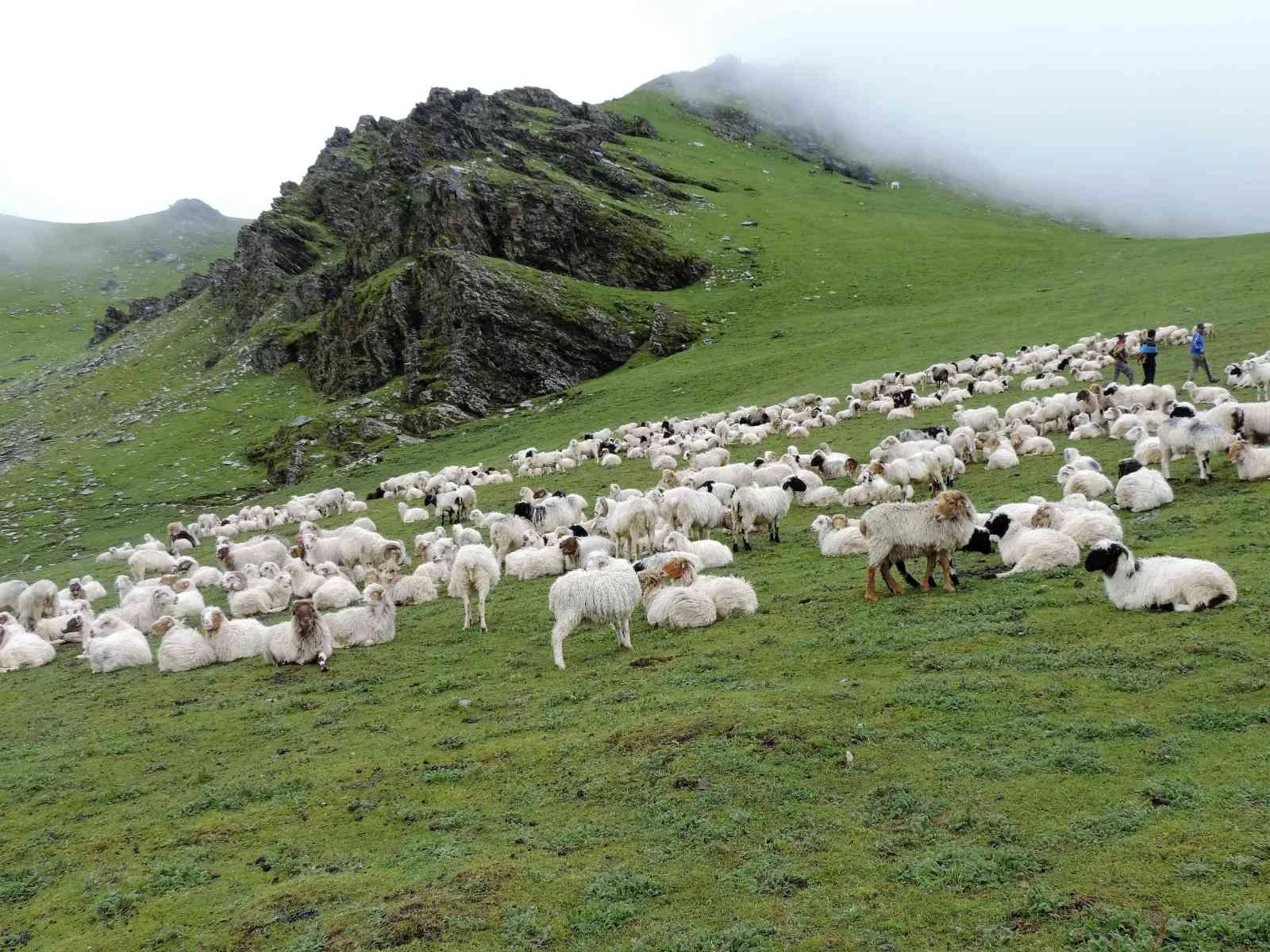
Dhorpatan, Nepal’s only hunting reserve and an emerging high-altitude tourism destination, has witnessed a significant rise in tourist arrivals, with more than 37,000 visitors visiting the area in the fiscal year 2082/83. According to the Dhorpatan Hunting Reserve Office, Baglung, a total of 37,520 tourists visited Dhorpatan during FY 2082/83. Of them, 37,270 were Nepali visitors, indicating that domestic tourism continues to account for the overwhelming majority of visitors to the destination. The number of tourists increased by nearly 13,000 compared to the previous fiscal year, reflecting growing interest in Dhorpatan’s natural landscapes, trekking routes and emerging tourism attractions.
Tourist Arrivals Rise Sharply
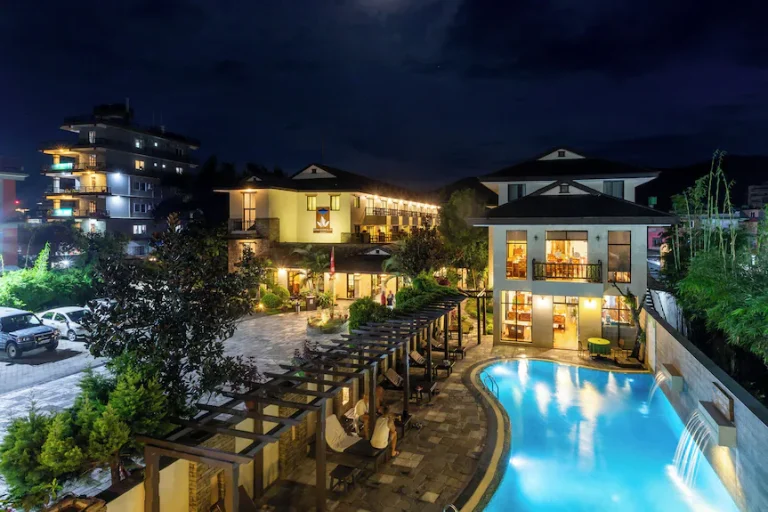
According to Reserve Office Ranger Sagar Subedi, Dhorpatan welcomed 23,692 tourists in FY 2081/82, compared with 15,573 visitors in FY 2080/81. The latest figure of 37,520 visitors represents a substantial increase over the previous two years. Officials attribute the growth to increasing publicity of the destination, development of tourism infrastructure, and the growing popularity of areas such as Bukipatan and Jaljala. The expansion of hotels and homestays has also made it easier for visitors to stay in the area, further supporting the growth of tourism.

Tourism Revenue Also Climbs
The increase in visitor numbers has translated into higher revenue for the reserve. The Dhorpatan Hunting Reserve collected Rs. 47.68 lakh in entrance fees from tourists during FY 2082/83, compared with Rs. 31.21 lakh in the previous fiscal year. The reserve currently charges an entrance fee of Rs. 100 for Nepali visitors, Rs. 1,500 for tourists from SAARC countries and Rs. 3,000 for other foreign tourists. The rise in tourism revenue reflects both the growing number of visitors and the increasing visibility of Dhorpatan as a tourism destination.
Infrastructure and Promotion Drive Growth
Ranger Subedi said the development of tourist information systems, trekking routes and other tourism infrastructure, along with increased promotional activities, has contributed significantly to the rise in domestic visitors. The growing popularity of Bukipatan, Bukiphul and Jaljala has also encouraged more trekkers and nature enthusiasts to explore the region. According to officials, improved accommodation facilities, including hotels and homestays, have further strengthened the destination’s ability to welcome visitors.
Dhorpatan Offers More Than Hunting Tourism
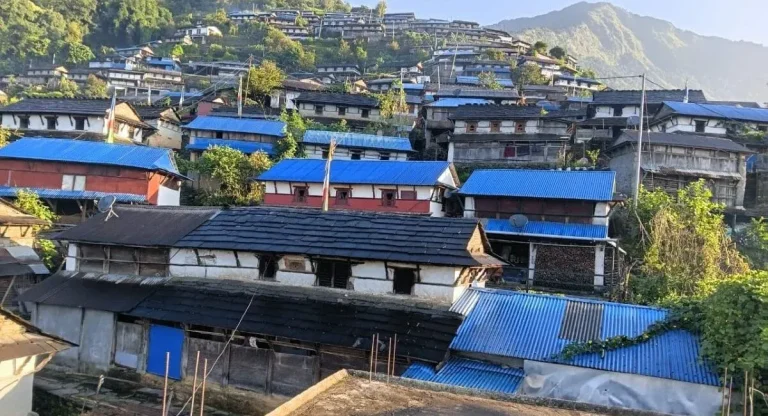
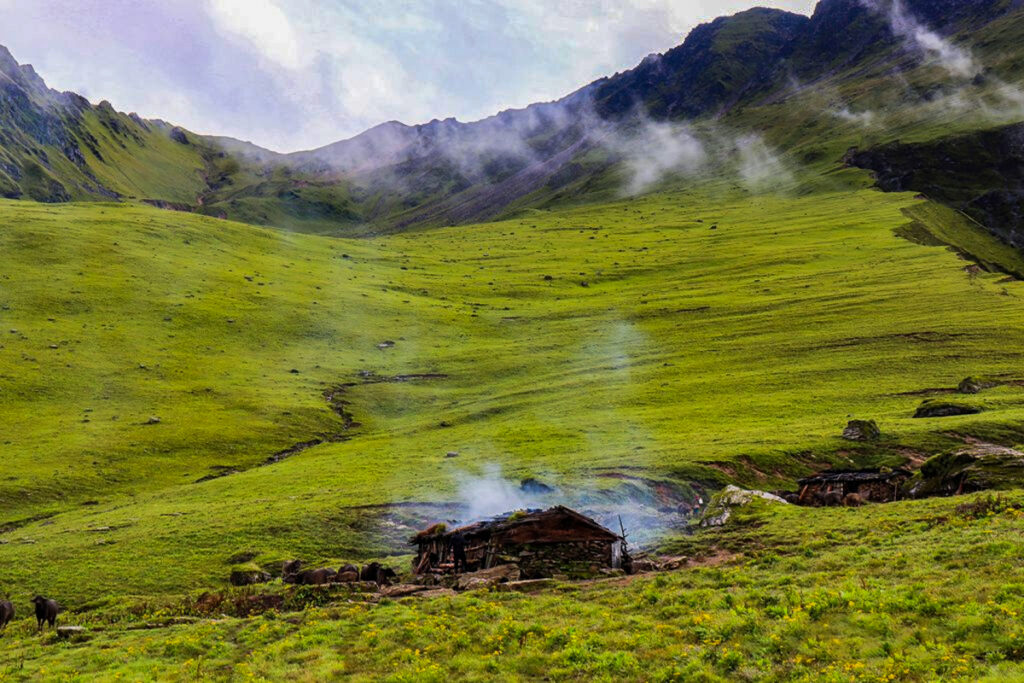
Although the place has historically been known primarily for hunting tourism, the destination is gradually developing into a broader tourism hub. In the past, foreign visitors mainly travelled to the area for hunting activities. However, domestic tourists are increasingly visiting attractions including Dhorpatan Valley, Nishel Dhor, Dhorbaraha Temple, Bukipatan and Jaljala. The changing visitor profile indicates that Dhorpatan is emerging as a destination for nature-based tourism, trekking, cultural exploration and high-altitude experiences in addition to hunting.
High-Altitude Destinations Attract Trekkers
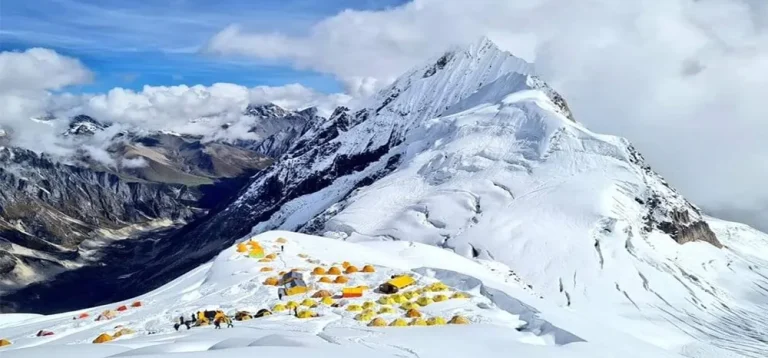
Its diverse landscape provides opportunities for visitors to travel from the 2,900-meter-high Dhorpatan Valley to Bukipatan, which rises above 4,000 meters. The area’s high-altitude landscapes, mountain views, meadows and trekking routes are increasingly attracting domestic travelers seeking adventure and nature-based experiences. The reserve office has also introduced facilities allowing visitors to stay in tents after paying the required fee, providing an additional accommodation option for trekkers and adventure travelers.
Revenue from Natural Resources Also Increases
In addition to tourism income, the Dhorpatan Hunting Reserve Office generated Rs. 1.01 crore from stone, gravel and sand during FY 2082/83. This represented an increase of Rs. 46.41 lakh compared with the previous fiscal year, further contributing to government revenue from the reserve area.

Dhorpatan’s Tourism Potential Continues to Expand
Officials believe Dhorpatan’s tourism potential is becoming increasingly visible as more travelers discover its natural and cultural attractions. The combination of increased promotion, improved tourism infrastructure, trekking routes, growing accommodation facilities and the popularity of Bukipatan and Jaljala has helped attract a growing number of visitors.
With domestic tourism emerging as a major driver of arrivals, Dhorpatan is gradually transforming from a destination primarily associated with hunting into a broader tourism destination offering trekking, nature, culture, adventure and high-altitude experiences. The continued development of infrastructure and effective promotion could further strengthen Dhorpatan’s position as one of Nepal’s emerging destinations for domestic and international travelers.