Rajasthan is set to host two major travel marts in September as the state seeks to expand its tourism portfolio beyond its traditional heritage destinations and promote rural locations, smaller cities and experience-led travel. The initiative is aimed at encouraging tourists to explore lesser-known destinations while spreading tourism-related economic benefits more evenly across the state. For decades, Rajasthan’s tourism image has largely revolved around the popular Jaipur-Jodhpur-Udaipur circuit, attracting visitors to its iconic forts, palaces and lakes. The state tourism authorities now believe that promoting destinations beyond this established circuit will be crucial for the next phase of tourism growth.
Two Major Travel Events Scheduled in September
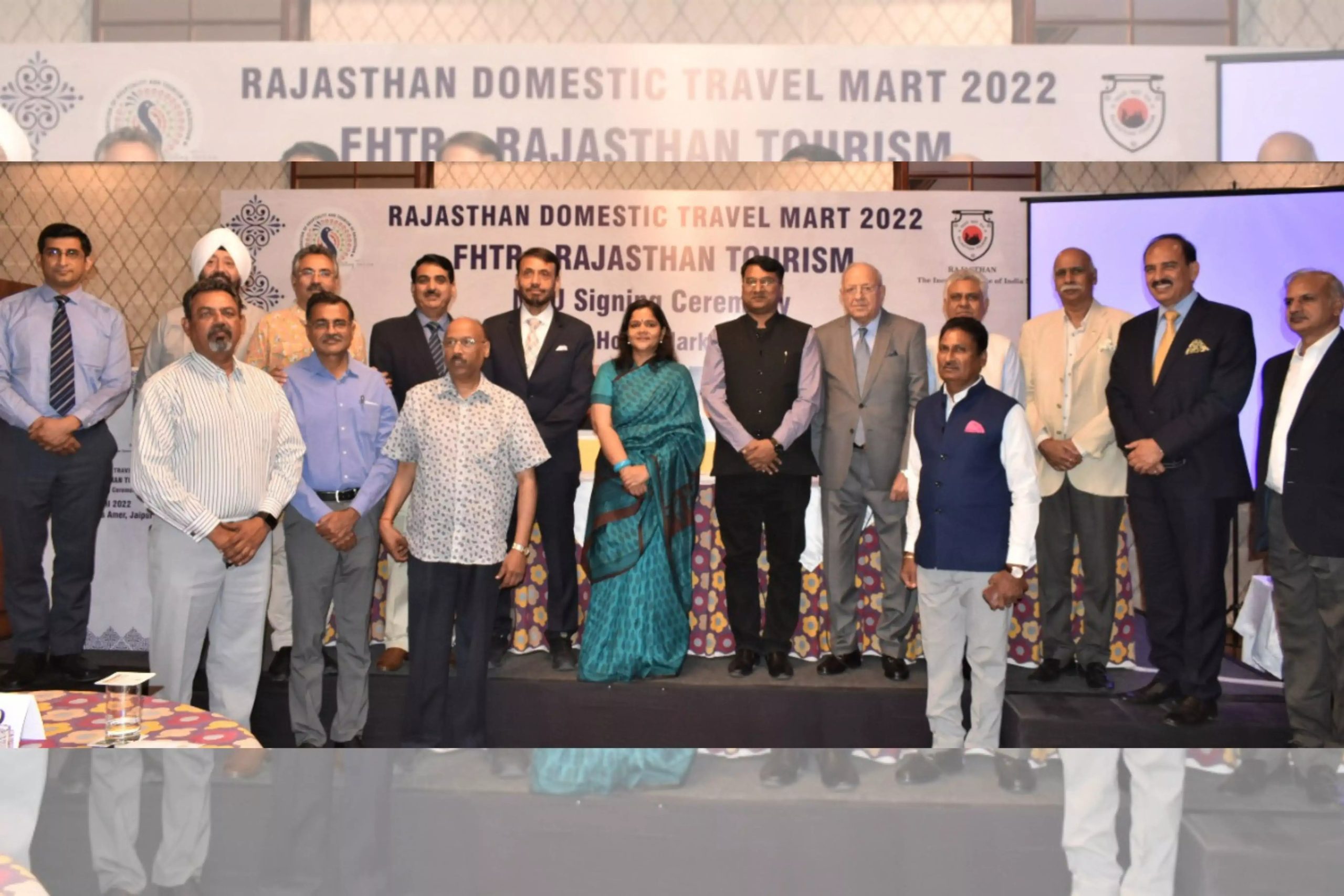
The sixth Rajasthan Domestic Travel Mart (RDTM) will be held from September 17 to 19 at the B.M. Birla Convention Center in Jaipur. RDTM has already become an established event on Rajasthan’s tourism calendar, with five editions completed. This year’s event is expected to bring together a wide range of tourism and hospitality stakeholders to promote emerging destinations and tourism products. The Jaipur event will be followed almost immediately by the first Marwar Travel Mart, scheduled to take place in Jodhpur from September 20 to 22.

The back-to-back scheduling of the two events is expected to provide an opportunity for tourism stakeholders and trade representatives to participate in both marts during a single visit, creating a continuous period of tourism promotion across Jaipur and Jodhpur. Both events are being organized jointly by the Rajasthan Tourism Department and the Federation of Hospitality and Tourism of Rajasthan (FHTR) under the common theme “Stories, Journeys, Smiles.”
More Than 400 Tourism Stakeholders and Trade Representatives Expected
The Jaipur edition is expected to bring together more than 300 tourism and hospitality stakeholders, highlighting the growing importance of RDTM as a platform for tourism businesses and industry networking. Meanwhile, around 125 travel trade representatives from across India are expected to participate in the inaugural Marwar Travel Mart in Jodhpur. The participation is expected to provide tourism businesses, destination operators and travel companies with opportunities to establish new commercial partnerships and develop packages featuring lesser-known destinations.
Rajasthan Seeks to Move Beyond Traditional Heritage Tourism
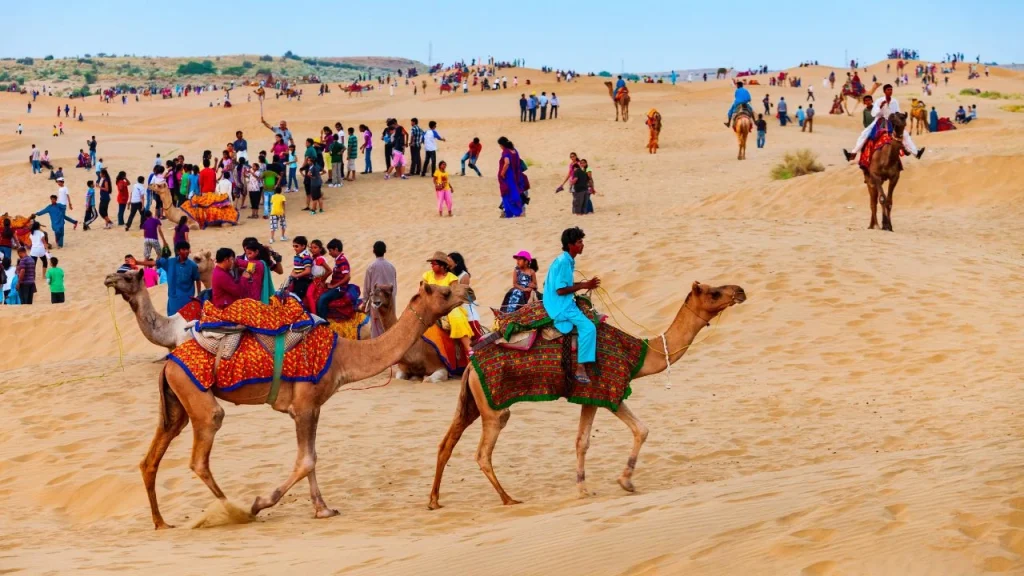
Diversification is at the center of Rajasthan’s new tourism promotion strategy. While the state’s forts, palaces and heritage cities remain major attractions, authorities are increasingly focusing on tourism products that can encourage visitors to stay longer and explore destinations beyond the established circuit. The two travel marts will promote a wider range of tourism experiences, including wildlife tourism, wellness tourism, adventure tourism, cultural experiences, handicrafts and rural tourism.
The strategy is intended to attract travelers looking for more immersive experiences, including interaction with local communities, traditional crafts, rural lifestyles, nature and wildlife. The approach also reflects a broader shift in global travel preferences, with many travelers increasingly seeking authentic and experience-based journeys rather than conventional sightseeing itineraries.
Focus on Connectivity, Infrastructure and Private Investment
Rajasthan Tourism Secretary Shuchi Tyagi has emphasized that changing traveler expectations require destinations to offer meaningful experiences rather than focusing only on sightseeing. According to the tourism department’s approach, promoting new destinations must be supported by improvements in connectivity and infrastructure, along with greater participation from the private sector.
The emphasis on these areas indicates that Rajasthan’s strategy goes beyond marketing lesser-known destinations. Developing tourism in emerging areas will also require better roads and transport links, accommodation facilities, visitor infrastructure and professionally managed tourism experiences.
Travel Marts to Strengthen B2B Tourism Connections
The two events will also function as business-to-business (B2B) platforms, connecting tourism boards, hotels, travel companies, tour operators and other industry stakeholders. Such interactions can help businesses develop new tour packages, establish commercial partnerships and identify investment opportunities in emerging destinations.
Greater private-sector involvement will be particularly important for rural and less-developed tourism areas, where additional investment may be required in accommodation, transportation, local experiences and other visitor services. By bringing tourism businesses and potential investors together, the travel marts are expected to support the development of a stronger tourism ecosystem beyond Rajasthan’s established destinations.
Promoting More Equitable Distribution of Tourism Benefits
Rajasthan’s tourism diversification strategy is also aimed at distributing tourist arrivals and economic benefits more widely across the state. The concentration of visitors in destinations such as Jaipur, Jodhpur and Udaipur has created a well-established tourism economy, but lesser-known areas have not always benefited to the same extent.

Encouraging tourists to visit smaller cities and rural destinations could generate new opportunities for local businesses, artisans, accommodation providers, guides, transport operators and community-based tourism enterprises. It could also help reduce pressure on some of the state’s most heavily visited destinations while opening new avenues for tourism-led employment and investment.
Aiming for a Broader Rajasthan Tourism Brand
With the two travel marts scheduled only days apart, Rajasthan is making a coordinated effort to promote itself as a destination offering much more than its traditional heritage circuit. The success of the strategy, however, will depend on whether increased promotion is followed by improvements in connectivity, infrastructure, private investment and the quality of tourism experiences in emerging destinations. If these efforts are sustained, the initiative could help Rajasthan build a more diversified tourism economy, attract visitors to lesser-known parts of the state and create new business opportunities in rural and emerging destinations.