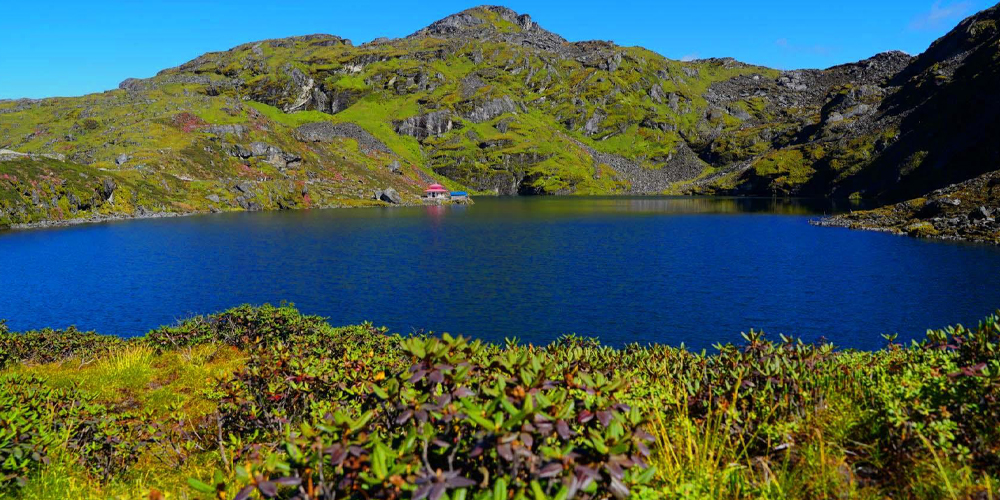
High-altitude lake in Taplejung draws growing numbers of domestic visitors with Himalayan landscapes, biodiversity and unique local hospitality. Timbung Pokhari, a high-altitude lake located in the border area of Sidingwa Rural Municipality of Taplejung, is increasingly emerging as an attractive destination for adventure, nature and cultural tourism in eastern Nepal.
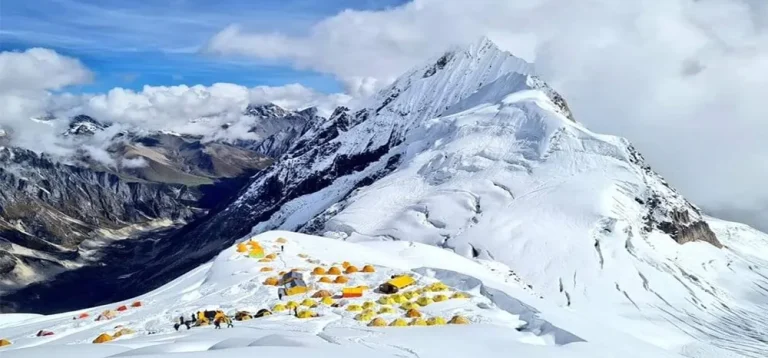
Situated at an elevation of around 4,350 metres above sea level, the lake is surrounded by colourful Himalayan flowers, dhupi and alpine vegetation, green hills, rocky streams, grazing areas, yak and chauri herds, and spectacular mountain views. The combination of pristine natural scenery, challenging trekking routes, local traditions and a peaceful Himalayan environment has begun attracting increasing numbers of domestic tourists seeking an experience away from crowded urban destinations.
Growing Interest Among Domestic Tourists
The growing promotion of Timbung Pokhari has contributed to a noticeable increase in visitor arrivals in recent years. Local tourism entrepreneur Amir Rai says more than two dozen domestic tourists now visit the area on an average day during the suitable travel period.

Recognising the need for accommodation close to the lake, Rai has established a homestay at one of the highest accessible points near Timbung Pokhari, providing visitors with an opportunity to stay closer to the destination rather than returning to lower settlements after reaching the area. The expansion of such locally operated accommodation is gradually making the destination more convenient for visitors while also creating new opportunities for communities living along the trekking route.
The Journey Is Part of the Experience
Reaching Timbung Pokhari itself is an adventure and forms an important part of the destination’s appeal. Travellers generally need to undertake approximately five to six hours of travel by vehicle from Phungling, the district headquarters of Taplejung, followed by around one day of trekking to reach the lake.
Although the journey can be physically demanding, trekkers are rewarded along the route with changing landscapes, alpine vegetation, mountain scenery, streams and traditional grazing areas. For many visitors, the attraction is therefore not limited to the lake itself; the entire journey provides an opportunity to experience the remote Himalayan environment and the lifestyle of communities living in the highlands.
Visitors who have previously travelled to Timbung Pokhari describe the experience as memorable because of its combination of natural beauty and tranquillity. Pabitra Limbu, who visited the area a year ago, says the experience left such a strong impression that she wishes to return.
Photographer David Ojha, who has visited the destination several times, similarly describes each visit as different because weather conditions and the surrounding natural environment continually change. According to him, the peaceful atmosphere, mountain views, adventure of the trek and warm hospitality offered along the route make the destination particularly appealing.
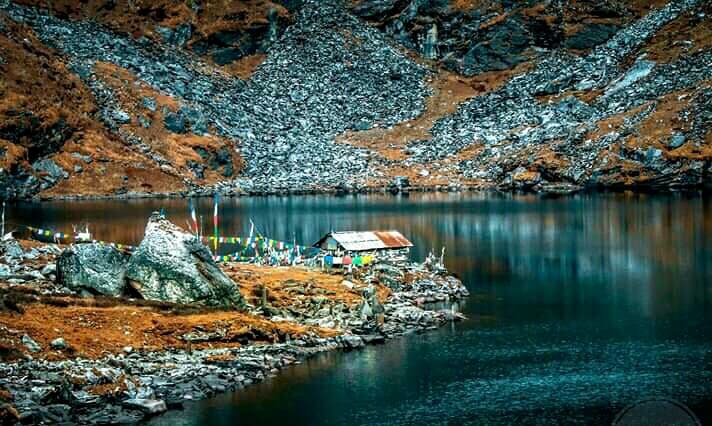
Goat stays and Homestays Add a Unique Tourism Experience
One of the most distinctive developments along the Timbung Pokhari trekking route is the transformation of traditional livestock shelters into goatstays, providing tourists with a closer experience of Himalayan pastoral life.
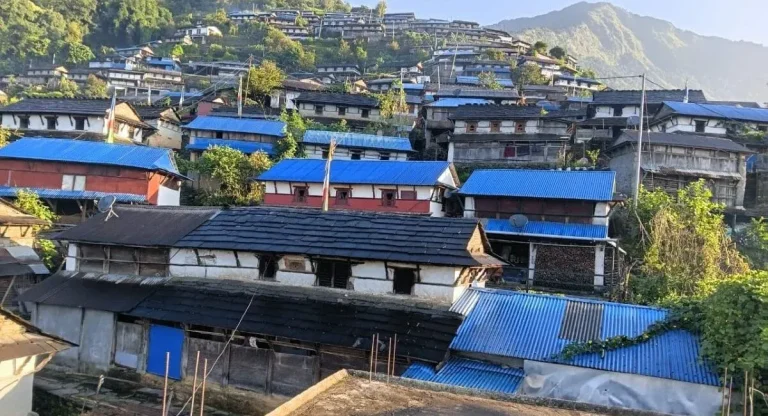
Traditional shelters located in different grazing areas have been improved to provide basic food and accommodation facilities for visitors. What was once simply a place for herders to stay while taking care of yak and chauri has increasingly become part of the tourism experience as visitor numbers have grown.
Staying in these traditional shelters offers tourists an opportunity to experience a lifestyle that is very different from urban life. Visitors can sit around a fire with herders, learn about their daily work, observe fresh milk being prepared and taste traditional dairy products such as chhurpi.
Some accommodations welcome visitors with hot water and tea while sharing stories about local life, culture and the surrounding environment. Alongside goatstays, homestays and small guesthouses have also begun operating in nearby settlements, giving travellers greater flexibility in choosing accommodation according to their needs and trekking schedules.
A Rich Himalayan Natural Environment
The natural environment surrounding Timbung Pokhari is one of its strongest tourism attractions. The area is particularly known for Kenjo, also referred to as Padamchal, which can be seen around the lake.
During the journey, trekkers can also encounter a wide variety of Himalayan flowers that transform the hillsides into colourful natural landscapes during the flowering season. Small streams flowing between rocks, forests, open grazing grounds and distant Himalayan ranges create a landscape that provides excellent opportunities for nature observation and photography.
The area is also important from a biodiversity perspective. The wider region provides habitat for the red panda, a protected and globally recognised Himalayan species, while valuable medicinal plants such as Kenjo or Padamchal and Panchaule are also found in the area.
The presence of such flora and fauna gives Timbung Pokhari importance not only as a tourism destination but also as a potential location for biodiversity studies, environmental research and nature-based educational activities.
Religious Significance of Timbung Pokhari
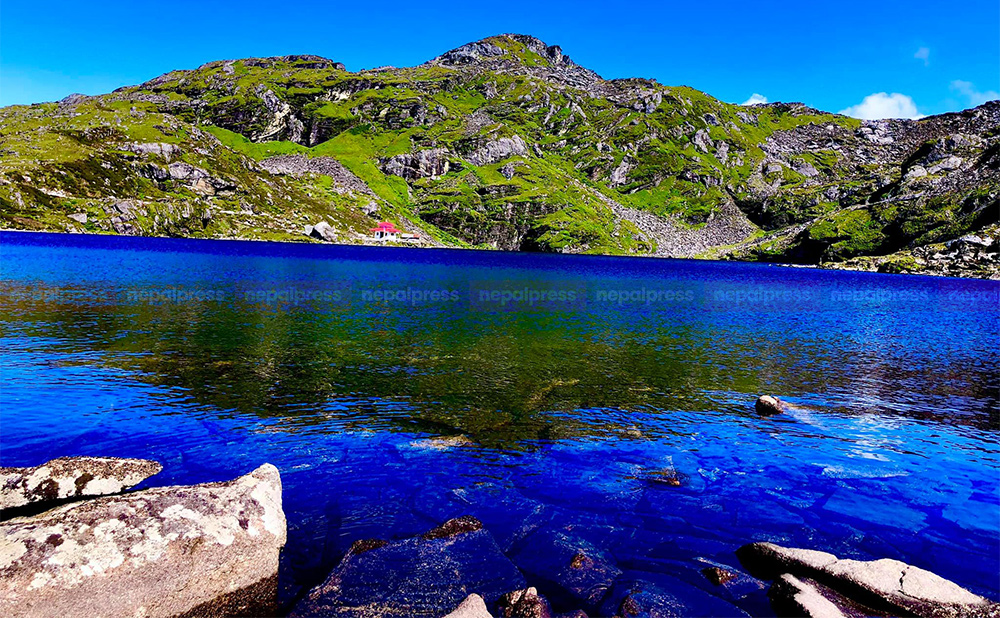
Timbung Pokhari also holds considerable religious and cultural significance for local communities. The lake has traditionally been regarded as a sacred place, and local people visit the area with religious faith and respect.
There is a long standing belief that worshipping at the lake can fulfil wishes and protect people from misfortune, encouraging some visitors to undertake the difficult journey for spiritual as well as recreational reasons.
Its combination of religious importance and exceptional natural beauty has contributed to the lake’s recognition as one of Nepal’s important tourism destinations. For visitors, the religious character of Timbung Pokhari adds another dimension to the journey, allowing them to observe how natural landscapes and spiritual beliefs are connected within the cultural traditions of Himalayan communities.
Tourism Infrastructure Remains a Major Challenge
Despite its growing popularity, Timbung Pokhari still faces significant challenges in terms of tourism infrastructure. Local residents and tourism stakeholders say that improvements are needed in trekking trails, resting places, accommodation facilities, transportation access and other basic infrastructure.
Social worker Kailash Rai has called for greater attention from all three levels of government to improve the trekking route and establish safe and practical rest areas for visitors.
Although local governments have made some investments, tourism stakeholders believe that the existing infrastructure remains insufficient to meet the destination’s long term potential. Better maintenance of trekking trails, safer routes, improved road access to the trailhead and additional basic facilities could make the journey more comfortable without compromising the area’s natural character.
Because Timbung Pokhari is a fragile high altitude environment, infrastructure development will also need to be planned carefully to avoid damaging the landscape and biodiversity that attract visitors in the first place.
Promotion and Adventure Activities Bringing More Visitors
Local authorities and tourism stakeholders have also been using promotional and sporting activities to introduce Timbung Pokhari to a wider audience. A Timbung Pokhari Trail Run was organised several years ago with local government support, along with other promotional programmes designed to highlight the area’s natural and adventure tourism potential. Tourism entrepreneur Amir Rai says visitor numbers have gradually increased following such promotional efforts.
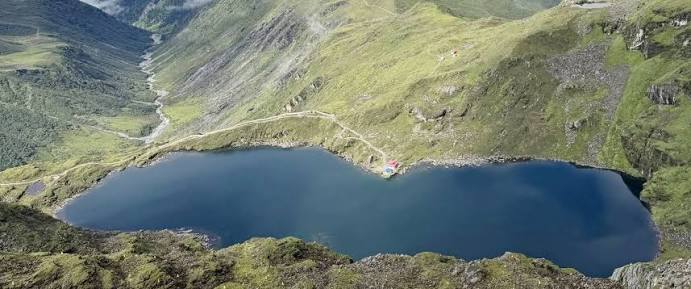
Adventure activities such as trail running and trekking can provide additional ways of promoting the destination, particularly among young domestic travellers and outdoor enthusiasts. With proper planning, such events can also generate income for local accommodation providers, guides, transport operators and small businesses along the route.
Potential for a Wider Eastern Nepal Tourism Circuit
Timbung Pokhari’s location near the Nepal-India border with Sikkim gives it potential beyond being a standalone destination. Several other lakes, including Handi Pokhari, Laxmi Pokhari and Lam Pokhari, are located in the surrounding area, creating opportunities to develop a broader network of nature and adventure destinations. Tourism entrepreneurs believe that improved infrastructure, better trail management and stronger international promotion could encourage visitors entering from India through Sikkim to explore other tourism destinations in eastern Nepal.
Developing such a tourism circuit could connect Timbung Pokhari with other attractions in Taplejung and neighbouring districts, allowing visitors to spend more time in the region rather than visiting a single destination. A well-planned circuit could generate broader economic benefits by creating demand for accommodation, local food, transportation, guiding services, handicrafts and other community-based tourism activities.
Balancing Tourism Growth with Environmental Protection
The increasing number of visitors presents both an opportunity and a responsibility for Timbung Pokhari. Its natural beauty, medicinal plants, wildlife, alpine vegetation and religious importance are the very features that make it attractive, and uncontrolled tourism could place pressure on these resources. Waste management, responsible trekking practices, protection of wildlife and vegetation, and respect for local religious and cultural traditions will therefore be essential as visitor numbers increase.

Community participation should remain at the center of tourism development. Residents, herders, homestay operators, guides and tourism businesses can benefit directly from tourism if development is planned around local needs and resources. Encouraging visitors to use local accommodation, consume local products and follow environmentally responsible practices can help ensure that tourism income remains within the community while reducing pressure on the fragile Himalayan environment.
An Emerging Tourism Asset for Eastern Nepal
With its high-altitude lake, Himalayan landscapes, biodiversity, religious importance, traditional pastoral lifestyle and adventurous trekking experience, Timbung Pokhari is gradually establishing itself as one of eastern Nepal’s promising emerging tourism destinations. The increasing use of goatstays, homestays and local guesthouses demonstrates that communities are already beginning to participate in and benefit from tourism development.
Tourism stakeholders believe that coordinated investment in trekking infrastructure, sustainable accommodation, environmental protection and effective promotion could significantly increase the destination’s appeal. If developed responsibly, Timbung Pokhari could become more than a single high-altitude lake destination; it could serve as a gateway for exploring the wider natural and cultural attractions of Taplejung and eastern Nepal, contributing to local livelihoods while strengthening Nepal’s adventure and nature tourism portfolio.