Gurung communities across Kaski, Parbat, Tanahun and Syangja are celebrating Thote, one of their traditional cultural festivals, with enthusiasm and community gatherings. The festival, deeply connected with Gurung history, identity, spirituality and traditional practices, is also an important expression of Nepal’s living cultural heritage and holds potential for cultural and community-based tourism.
A Festival Rooted in Gurung History
Thote is traditionally celebrated every year on the last Tuesday of Chaitra and Shrawan. While the Chaitra celebration is generally conducted collectively, the Shrawan festival is mainly observed separately in Gurung villages and community houses. According to Hum Gurung, president of Tamu Dhi Nepal, the word Thote has a cultural meaning in the Gurung language.

Tho refers to a state or settlement, while Te is associated with driving away enemies or forces threatening the security of the settlement. The festival is believed to have originated in ancient times as a ritual to drive away enemies and protect Gurung settlements. Gurung community leaders say the tradition became more established as Gurung settlements developed into organized communities and states.
Traditional Beliefs and Rituals
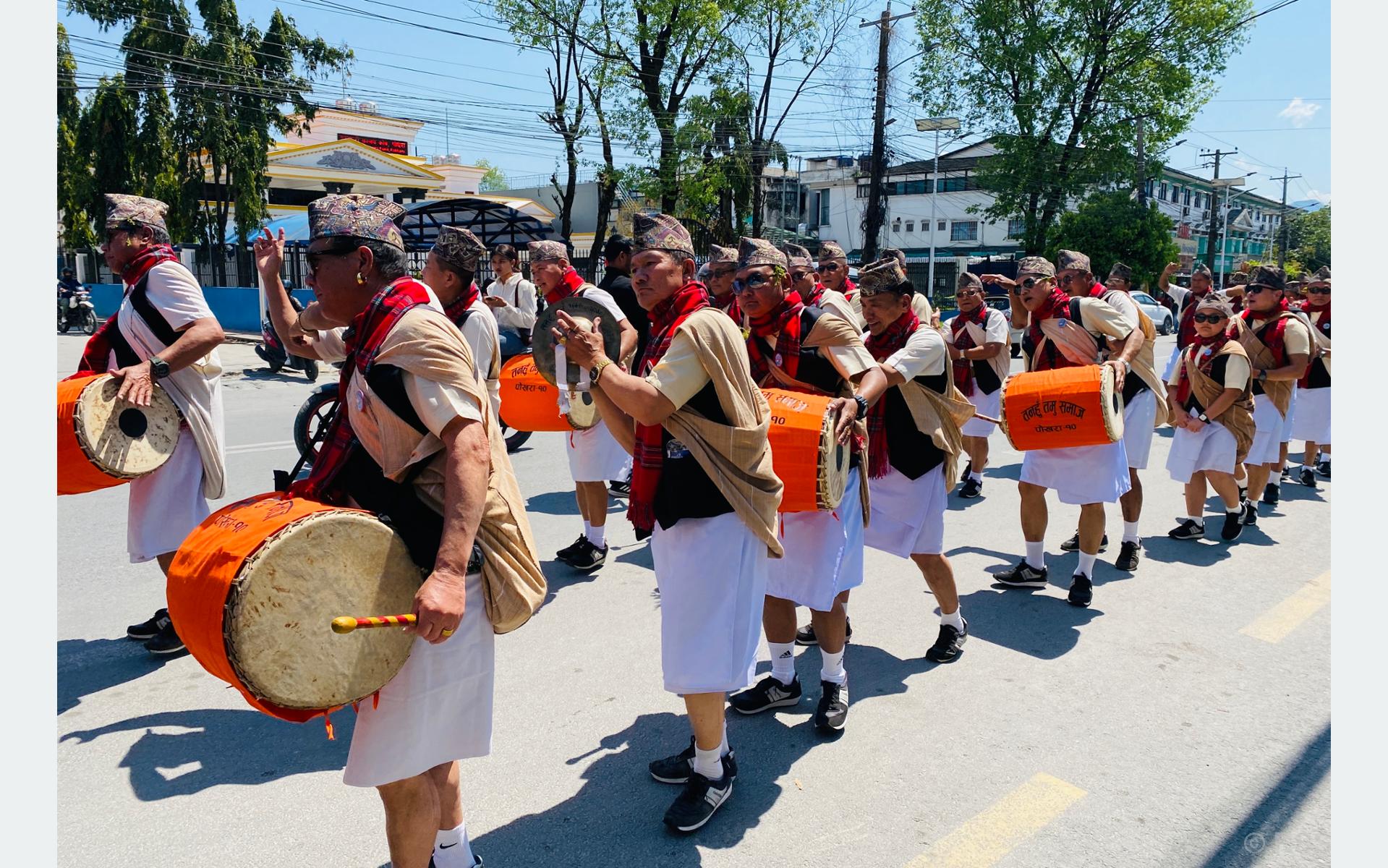
Thote is associated with the protection and well-being of the community. According to traditional belief, people used rituals, music, and other practices to drive away evil forces, enemies, and negative influences from their settlements. On the occasion, communities traditionally move around their villages in groups while playing traditional musical instruments, with a belief that the sounds drive away demons, evil spirits and misfortune.
The festival also includes the worship of nature and remembrance of ancestors. Gurung communities observe the occasion with prayers for the protection of their settlements, prosperity in agriculture, good health and freedom from natural disasters. In recent years, the festival has also been celebrated with wishes for an end to social disorder and hardship and for the overall well-being of humanity.
A Showcase of Gurung Culture
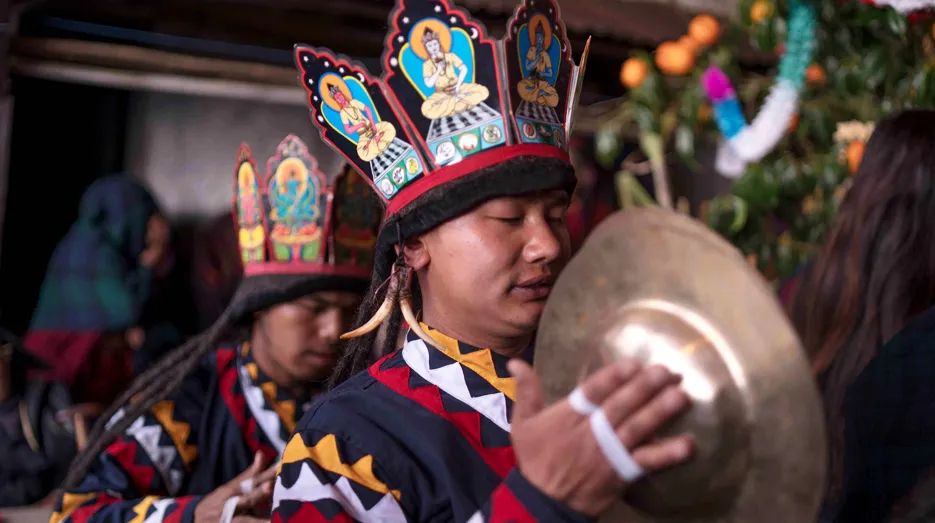
Thote provides an opportunity to showcase a wide range of Gurung cultural traditions. During the festival, communities present traditional performances including Ghatu, Sorathi, Chutka and Krishna Charitra. Traditional costumes and musical instruments form an important part of the celebrations. Communities also display historical objects and traditional equipment associated with Gurung society, including old weapons, traditional clothing, musical instruments, jhyali, chopadi, sulachi and chimta, among others. These cultural elements provide visitors with an opportunity to experience Gurung traditions in their original community setting.
Tourism Potential of the Festival
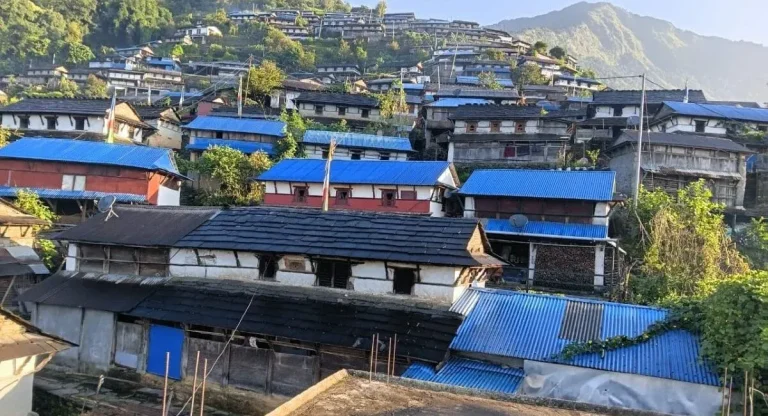
The celebration of Thote across Gurung settlements in Gandaki Province has considerable potential for cultural and community-based tourism. Pokhara and its surrounding areas already attract domestic and international visitors for their natural scenery, trekking, adventure activities, and cultural experiences. The Thote festival can further diversify the tourism experience by connecting visitors with Gurung traditions and village life.
Gurung villages can offer visitors opportunities to observe traditional dances and music, experience local customs, learn about ancestral traditions and explore the cultural landscape of the communities. The festival could therefore contribute to the promotion of village tourism, heritage tourism and experiential tourism if properly promoted and managed in cooperation with local communities.
Celebrations Across 148 Gurung Villages
According to Tamu Dhi Nepal, Thote is celebrated in around 148 Gurung villages and community houses in and around Pokhara and other parts of the region. The festival is observed in two seasonal forms. The Chaitra celebration is associated with Ubhauli, while the Shrawan celebration is observed as Udhauli. For the Shrawan festival, local governments including Annapurna, Madi and Machhapuchchhre rural municipalities of Kaski have announced public holidays, reflecting the cultural importance of the festival in areas with significant Gurung populations.
Preserving a Living Cultural Heritage
Gurung leaders say Thote has been preserved as a community tradition for generations and is believed to have existed for around 1,500 years, according to accounts of Gurung history. The tradition is believed to date back to the period when Gurung ancestors lived in caves and pastoral settlements before gradually developing permanent communities. With the establishment and expansion of Gurung settlements and traditional states, the festival is believed to have gained greater significance. The organized preservation of Gurung cultural practices in Pokhara gained momentum following the establishment of Tamu Dhi Nepal in 2042 B.S., while the organization began systematically promoting Thote celebrations from 2052 B.S.

Strengthening Community Identity and Social Unity
Beyond its religious and historical significance, Thote serves as a means of strengthening social unity, brotherhood, and cultural identity among the Gurung community. The festival brings community members together to participate in traditional rituals, performances and celebrations while passing cultural knowledge and practices from one generation to another. For tourism, this community-led approach is particularly important because it allows visitors to experience a living culture rather than a staged cultural attraction.
Opportunity for Cultural Tourism Promotion
With proper promotion, Thote could become an important addition to Gandaki Province’s cultural tourism calendar. Linking festival celebrations with existing destinations around Pokhara and Gurung villages could encourage visitors to extend their stays and explore rural communities. Developing responsible cultural tourism around the festival would require community participation, protection of traditional practices, appropriate visitor management and benefits reaching local households. Thote therefore represents more than a seasonal celebration. It is a living expression of Gurung history, cultural identity, traditional beliefs and community solidarity, while offering an opportunity to strengthen Nepal’s growing cultural and community-based tourism sector.