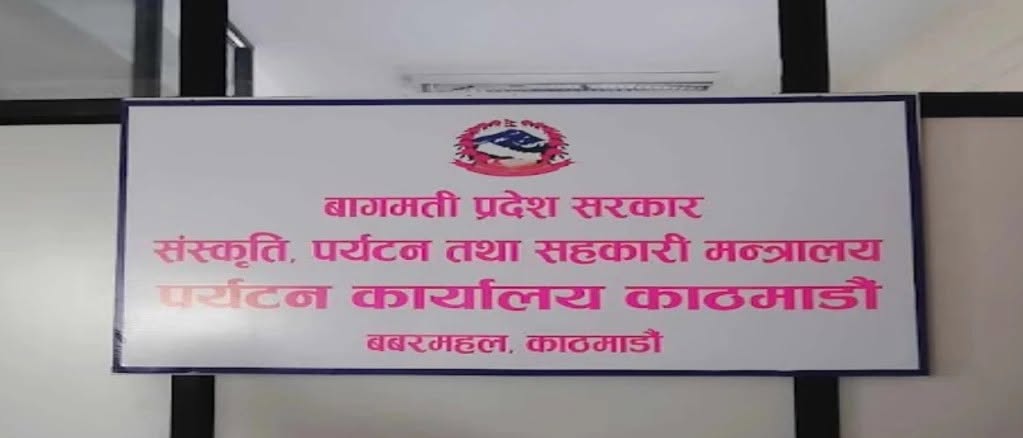
Tourism businesses instructed to employ only licensed guides to strengthen tourist safety and professional accountability. The Provincial Tourism Office, Babarmahal, Kathmandu, has directed tourism businesses and service providers operating under its jurisdiction to employ only legally licensed guides for tours, trekking, hiking, rafting, and other travel-related activities. The directive is aimed at strengthening tourist safety, improving the quality and professionalism of guiding services, and ensuring that businesses involved in tourism activities comply with the prevailing legal provisions.
The office issued the notice on Wednesday following complaints and information indicating that unlicensed individuals, including some foreign nationals, have been providing guiding services to domestic and international tourists at different tourist destinations and trekking areas. The authorities expressed concern that allowing individuals without the required authorization to guide visitors could create problems related to safety, professional responsibility and legal accountability, particularly during trekking and adventure activities where visitors may depend heavily on guides for route information, assistance and emergency support.

Businesses told to verify guide credentials
Under the directive, travel entrepreneurs, travel and trekking agencies, hotels, homestays, guides and other tourism stakeholders have been instructed to ensure that the people they assign to tourists possess the necessary legal authorization. Tourism businesses are required to check a guide’s license before assigning the individual to a tour or other tourism activity and must confirm that the license remains valid.
The office has also emphasized the need to verify the guide’s authorization and relevant professional qualifications. Businesses are expected to maintain proper records of the guides they employ or engage, including information related to their licenses. The requirement places greater responsibility on travel operators to know who is providing services to their clients rather than relying solely on an individual’s claim of experience or familiarity with a particular destination.
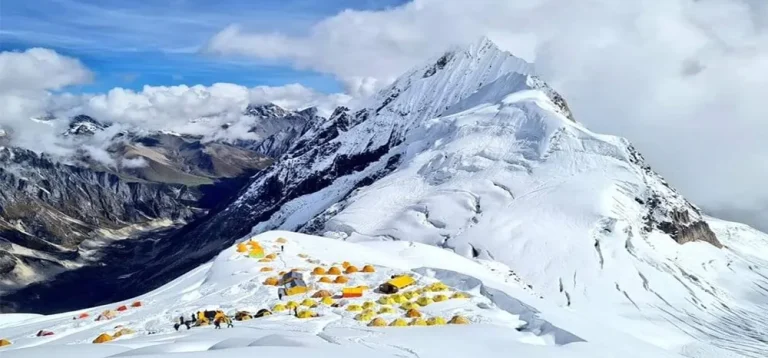
The directive is particularly relevant to trekking, hiking and other adventure-based travel activities, where professional knowledge and preparedness can have a direct impact on visitor safety. Nepal Tourism Board’s current travel information similarly requires licensed trekking guides on specified trekking routes and advises visitors to use guides through registered agencies.
Move aimed at improving tourist safety and service quality
The Provincial Tourism Office said the directive is intended to promote safer and more reliable travel services while increasing professional accountability among travel operators. A licensed and properly authorized guide is expected to operate within the established regulatory framework and take responsibility for the services provided to visitors.
The issue is important for Nepal’s travel sector because guides often serve as the direct link between visitors, travel businesses and local destinations. During trekking and outdoor activities, guides may assist tourists with navigation, local information, communication and arrangements in difficult circumstances. Nepal Tourism Board itself describes trekking with a guide from a registered agency as an important safety measure, while its Tourist Police program focuses on assisting visitors and addressing travel-related safety and security concerns.
The directive therefore goes beyond a simple licensing requirement. It seeks to encourage tourism businesses to adopt greater responsibility in selecting the people who interact directly with tourists. By checking licenses and maintaining records, operators can help ensure that visitors receive services from individuals who meet the required legal and professional standards.
Concern over unauthorized guiding services
The office’s action follows reports that unlicensed individuals have been working as guides in different tourism destinations and trekking areas. The involvement of foreign nationals in unauthorized guiding has also been highlighted in the notice. The office has consequently reminded tourism businesses that they should not facilitate or permit guiding services through people who do not possess the required authorization.
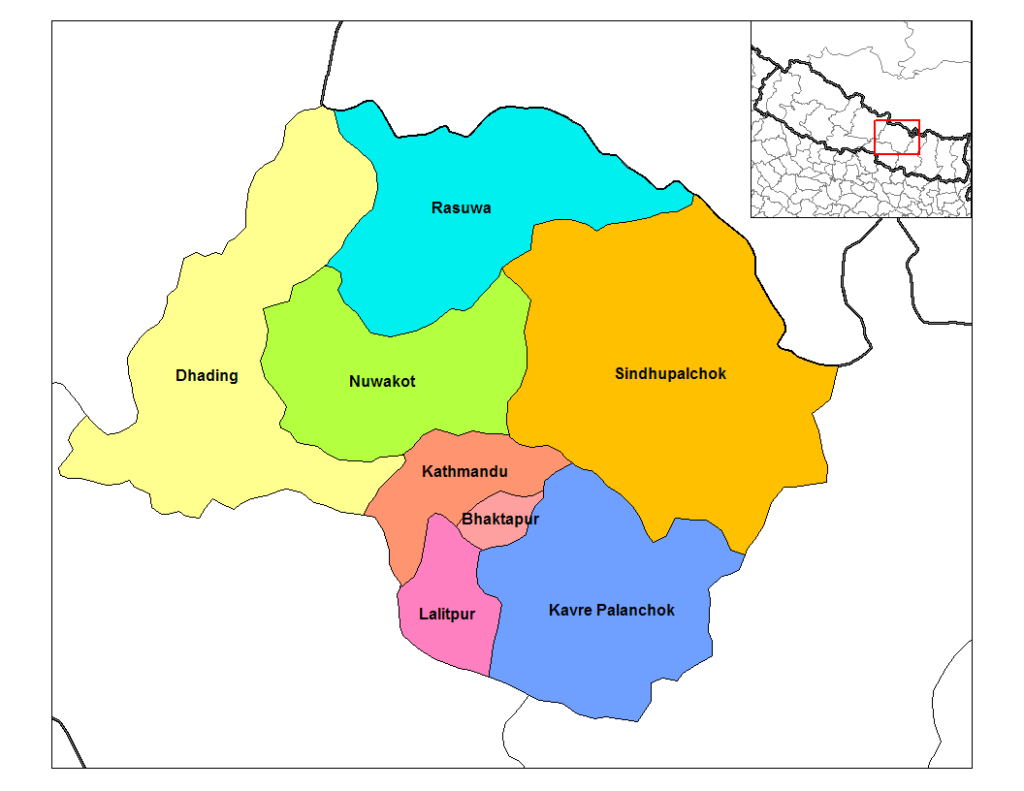
The concern is significant because unauthorized guiding can make it difficult to establish responsibility when problems arise. If a tourist encounters a safety incident, receives inadequate information, or faces another service-related problem, the absence of proper licensing and documentation can complicate the process of determining who is responsible. The new directive places responsibility on tourism businesses to conduct appropriate checks before assigning guides to visitors.
Legal action warned against noncompliance
The Provincial Tourism Office has warned that individuals and businesses found providing or facilitating guiding services through unlicensed personnel could face legal action. It has also made clear that legal and professional liabilities resulting from the use of unlicensed guides will rest with the concerned individuals or businesses.
This warning effectively places travel operators under greater scrutiny. Businesses cannot simply argue that they were unaware of a guide’s licensing status if they failed to carry out the required verification. Travel agencies, trekking companies, hotels, homestays and other service providers are therefore expected to establish appropriate procedures for checking guide credentials before sending guides out with tourists.
The measure also reinforces the government’s broader effort to regulate tourism-related activities and discourage unauthorized operations. The Department of Tourism maintains an official system related to guide registration, while the Ministry of Culture, Tourism and Civil Aviation continues to oversee tourism policy and administration at the national level.
Stronger regulation could improve tourism professionalism
The directive could contribute to greater professionalism within Bagmati Province’s tourism industry by encouraging businesses to rely on properly authorized personnel. For tourists, particularly international visitors unfamiliar with Nepal’s destinations and regulations, knowing that their guide has been properly verified can provide greater confidence when participating in tours, treks and outdoor activities.
Nepal Tourism Board’s existing trekking provisions already link licensed guiding with visitor management and safety on specified routes. The Board also notes that the TIMS system is intended, among other purposes, to help control illegal trekking operations and improve the safety and security of trekkers. The Bagmati Tourism Office’s latest directive can therefore be viewed as part of a wider effort to ensure that tourism services are delivered through authorized and accountable operators.
Responsibility shared by the entire tourism sector
The office has called on all relevant tourism stakeholders to take the directive seriously and comply with existing laws. The responsibility does not fall only on individual guides. Travel and trekking agencies, hotels, homestays, tourism entrepreneurs and other businesses that arrange or facilitate tourism activities are also expected to ensure that the personnel they use meet the required standards.

For the travel industry, effective implementation will depend on consistent verification, proper record-keeping and cooperation among travel businesses and government authorities. If these requirements are followed properly, the measure could help reduce unauthorized guiding, strengthen professional standards and provide tourists with more dependable services.
The latest directive comes as Nepal continues to promote trekking, adventure and cultural travel as important components of the country’s visitor economy. Ensuring that these activities are conducted by qualified and legally authorized professionals is important not only for compliance with the law but also for protecting visitors, strengthening confidence in Nepal’s travel services and maintaining the country’s reputation as a safe and responsible destination.