The Government of Nepal is intensifying preparations for the 31st United Nations Climate Change Conference (COP-31), with climate justice, Himalayan conservation, climate finance, and loss and damage expected to be among the country’s key priorities. COP-31 is scheduled to take place in Antalya, Türkiye, from November 9 to 20, 2026. Nepal is preparing to use the international platform to highlight the disproportionate impacts of climate change on the Himalayan region and seek stronger international support for vulnerable countries.
Climate Justice to Remain a Major Priority
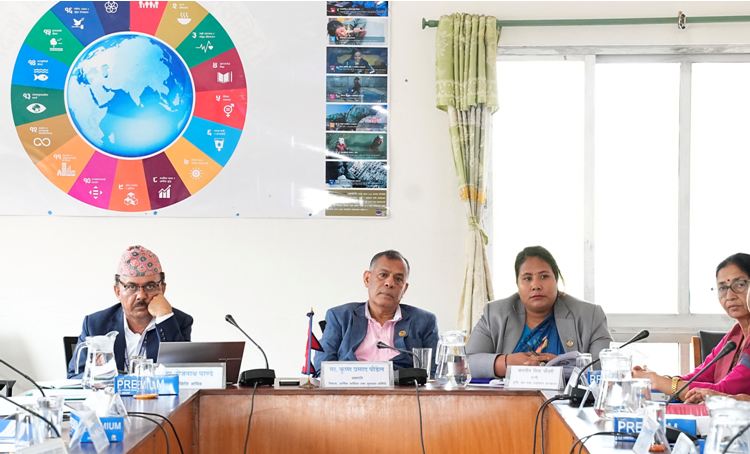
Speaking at a meeting of the National Assembly’s Development, Economic Affairs and Good Governance Committee, Minister for Agriculture, Forests and Environment Geeta Chaudhary said Nepal is preparing to strongly present its climate-related rights and needs at COP-31. Although Nepal contributes only a very small share of global greenhouse gas emissions, the country remains highly vulnerable to the consequences of climate change. The government therefore intends to strengthen its call for climate justice at the international level. The minister stressed that Nepal’s limited contribution to global emissions, combined with its high vulnerability, provides a strong basis for demanding greater international responsibility and support.

Climate Finance and Loss and Damage
Nepal is also preparing to give particular importance to climate finance at COP-31. The government plans to present specific priorities and targets for securing financial resources from developed countries to help Nepal reduce climate-related losses and strengthen adaptation measures. The issue of loss and damage will also remain central to Nepal’s agenda. The government intends to seek stronger international mechanisms and resources to address the economic and social consequences of climate-related impacts that vulnerable countries are increasingly facing.
Himalayan Conservation at the Centre of Nepal’s Agenda
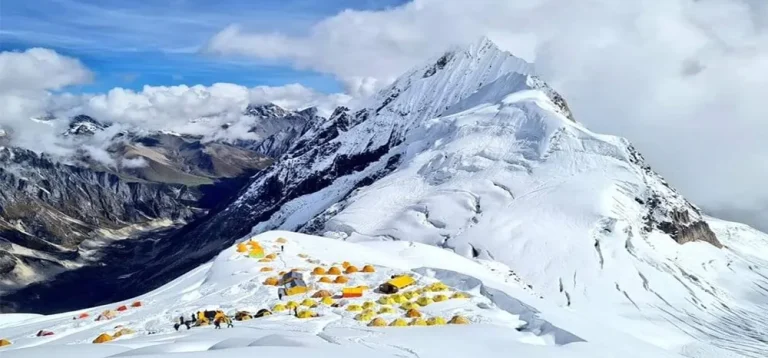
The protection of the Himalayan region is expected to be one of Nepal’s most important issues at COP-31. With Mount Everest and several other peaks above 8,000 metres, Nepal is internationally recognized for its Himalayan landscape. However, climate change is increasingly affecting mountain ecosystems, creating risks for glaciers, biodiversity, communities and mountain-based livelihoods. The government plans to draw international attention to these impacts and promote stronger cooperation for protecting the Himalayan ecosystem.
Climate Change and the Future of Mountain Tourism
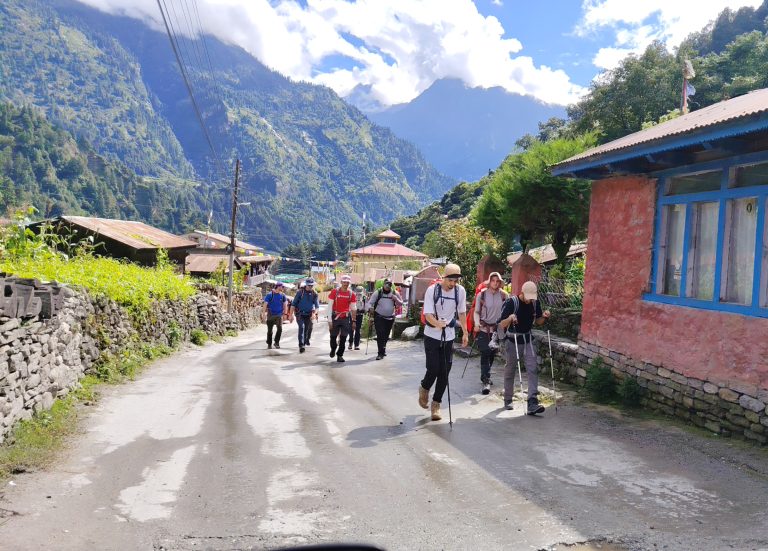
The Himalayan climate agenda also has significant implications for Nepal’s trekking, mountaineering and adventure tourism industries. Mountain tourism depends heavily on stable ecosystems, safe trekking routes, healthy glaciers and predictable environmental conditions. Climate-induced hazards can threaten trails, climbing routes, tourism infrastructure and communities that depend on visitors. By highlighting Himalayan conservation at COP-31, Nepal can also strengthen the case for climate-resilient and sustainable tourism development in mountain destinations.
Building Alliances With Other Countries
Minister Chaudhary said Nepal is preparing to build stronger alliances around various COP agendas. The government plans to connect issues such as climate change, Himalayan conservation, climate finance, and loss and damage and present them as interconnected priorities. Nepal is also planning bilateral meetings with neighbouring and other countries to strengthen cooperation and develop common positions on issues of shared interest. The government believes that stronger diplomatic partnerships and alliances will help Nepal gain greater support for its climate priorities at the international forum.
Focus on Implementation After International Agreements
The minister also acknowledged that Nepal has previously made commitments and reached agreements at international climate conferences, but implementation after returning home has remained a major challenge. She emphasized that securing agreements on climate finance, loss and damage and other issues is not sufficient unless effective mechanisms are established to implement them within Nepal. The government is therefore considering the establishment of a separate committee or institutional mechanism to oversee climate-related international commitments, resources and their implementation.
Wider Coordination Planned for COP-31
The government plans to coordinate with various stakeholders during the preparations, including federal government agencies, Parliament, the National Assembly, local governments and climate experts. Minister Chaudhary stressed that climate change cannot be addressed by a single ministry or institution and requires cooperation across different levels and sectors. A preparation mechanism is being developed to determine Nepal’s COP-31 agenda, coordinate its participation and ensure that the country’s priorities are presented effectively at the international conference.

Tourism and Himalayan Communities Could Benefit
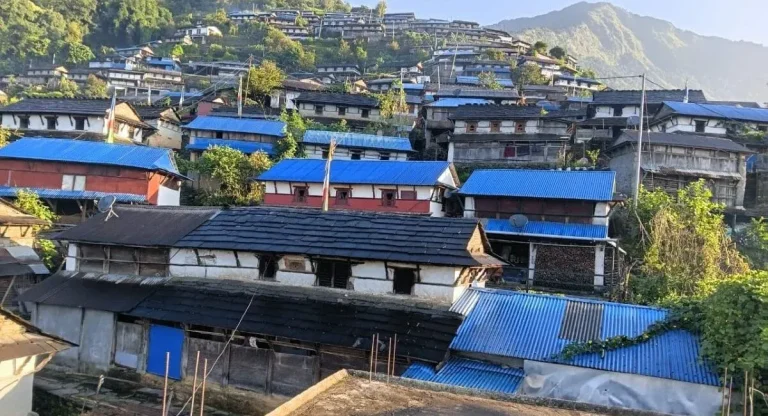
A stronger international focus on Himalayan conservation and climate finance could have long-term implications for Nepal’s tourism sector. Increased resources for adaptation and environmental protection could help strengthen tourism infrastructure, improve disaster preparedness and protect mountain destinations. For communities dependent on trekking, mountaineering and other forms of nature-based tourism, climate-resilient development could help protect livelihoods while preserving the natural and cultural attractions that draw visitors to Nepal.
Nepal Seeks a Stronger Voice at COP-31
Nepal is preparing to use COP-31 to clearly communicate its climate vulnerability, rights and priorities to the international community. Alongside climate justice and financial support, the country plans to emphasize the urgent need to protect the Himalayas. For Nepal, the COP-31 agenda is therefore not only about climate diplomacy but also about protecting its mountain ecosystems, communities and tourism resources from the growing impacts of climate change. Nepal’s COP-31 preparations place Himalayan conservation, climate justice, climate finance and loss and damage at the centre of its international climate agenda. As the Himalayas are also the foundation of Nepal’s globally recognized mountain tourism, stronger climate action could play an important role in safeguarding the country’s tourism destinations and mountain-dependent communities for the future.