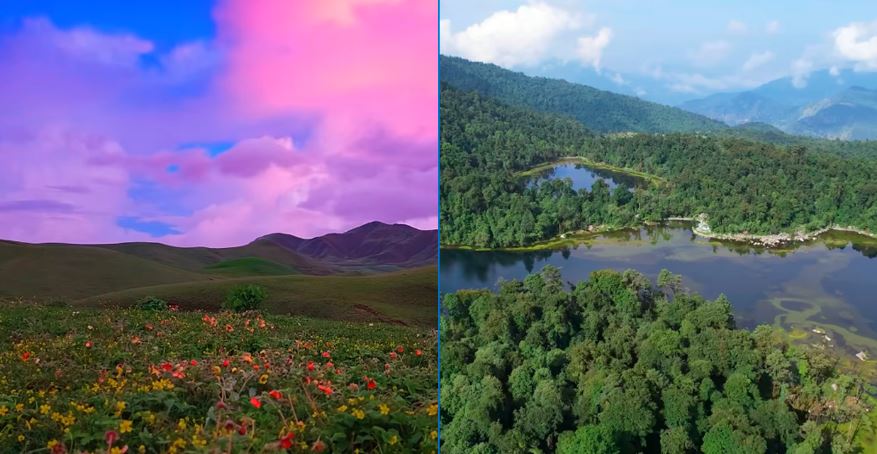
The debate over the proposed Badi Malika Ramaroshan Forest Conservation Area has brought renewed attention to the need to balance environmental conservation, community rights and tourism development in Sudurpashchim Province. The proposed conservation area would link Badi Malika of Bajura with Ramaroshan of Achham, two areas known for their natural, cultural and religious significance.
The Community Forest Consumers Federation Nepal has urged the provincial government to withdraw the decision, arguing that it could affect the rights and responsibilities of local community forest user groups. The issue of Badi Malika Ramaroshan conservation is also significant from a tourism perspective because the forests, landscapes, religious sites and local cultural practices of these areas form an important part of their potential as emerging destinations. Any future tourism development in the region will therefore depend not only on attracting visitors but also on protecting the resources that make these destinations attractive while ensuring that local communities remain involved in their management.

Community rights remain a major concern
In a press statement issued on Wednesday, the federation said the decision to establish the conservation area could undermine the rights of community forest user groups and affect the human rights and interests of local communities. According to the federation, communities across Nepal have been involved in protecting, managing and using forests through the community forestry system for many years, making local participation an important part of conservation practices.
The federation has expressed concern that declaring or expanding protected areas in the name of conservation could gradually reduce the authority of communities over forests that they have traditionally managed. This concern is also relevant to tourism because residents living around natural and cultural destinations often contribute to maintaining trails, protecting natural resources, supporting visitors and preserving local traditions. A tourism development approach that does not adequately involve those communities could create difficulties in both conservation and the long-term management of tourist destinations.
Potential implications for tourism
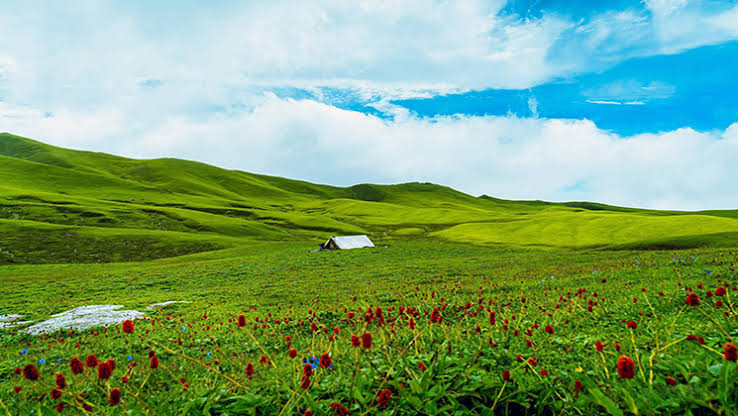
The proposed conservation framework could have wider implications for the future development of nature-based and pilgrimage tourism in Badi Malika and Ramaroshan. Badi Malika holds strong religious importance and attracts pilgrims, particularly during important religious occasions, while Ramaroshan is recognized for its forests, lakes, scenic landscapes and natural environment. These resources provide the foundation for tourism activities and have the potential to attract visitors interested in religious journeys, nature, landscapes and local culture.
Conservation can play a positive role by protecting forests, water resources, wildlife habitats and culturally important areas from uncontrolled development. At the same time, tourism planning needs to recognize the interests of residents and community forest groups so that conservation measures do not unnecessarily limit their traditional responsibilities or prevent them from benefiting from tourism opportunities. A carefully designed system could allow conservation and tourism to support each other while maintaining the environmental and cultural character of both destinations.
Call for a balanced approach
Federation Chair Thakur Bhandari said the rights of community forest user groups in the area covered by the proposed conservation zone had already been affected and warned that further restrictions could result in additional reductions in community authority. He called on the Sudurpashchim provincial government to immediately withdraw its decision to establish the Badi Malika Ramaroshan Forest Conservation Area.
The statement has highlighted a broader challenge for tourism development in environmentally and culturally sensitive destinations: authorities need to find a balance between protecting valuable natural resources and allowing communities to participate in decisions affecting their surroundings. For tourism, such an approach could help ensure that development does not come at the cost of local ownership, cultural practices or environmental sustainability. Instead, conservation planning could be linked with responsible tourism management, allowing visitors to experience the region while ensuring that its natural and cultural assets remain protected for the future.
Sustainable tourism requires local participation
The debate also highlights the importance of community participation in sustainable tourism development. Local residents can play a significant role in protecting destinations while also benefiting economically from visitors through activities such as homestays, local guiding, food services, cultural experiences, handicrafts and transportation.
If conservation policies are developed in consultation with community forest user groups and other local stakeholders, tourism-related activities can potentially be managed in a way that provides income opportunities without placing excessive pressure on forests and natural resources. For Badi Malika and Ramaroshan, greater cooperation between government authorities and local communities could therefore help create a tourism model that combines environmental protection with local economic development. Such participation is particularly important in destinations where the natural environment and community traditions are themselves major attractions for visitors.

Tourism potential depends on responsible management
Badi Malika and Ramaroshan have considerable potential to contribute to the tourism development of Sudurpashchim Province if their natural, religious and cultural resources are protected through effective and inclusive management. However, increasing visitor numbers without proper planning could create pressure on forests, water sources, landscapes and local heritage.
Similarly, conservation policies that overlook the role of local communities could make it more difficult to build long-term support for tourism and environmental protection. The current debate therefore provides an opportunity for authorities, conservation organizations and communities to consider a balanced approach in which conservation, local rights and tourism opportunities are addressed together. Such a model could help establish Badi Malika and Ramaroshan as responsibly managed destinations while ensuring that tourism contributes to local communities without compromising the resources on which the destinations depend.