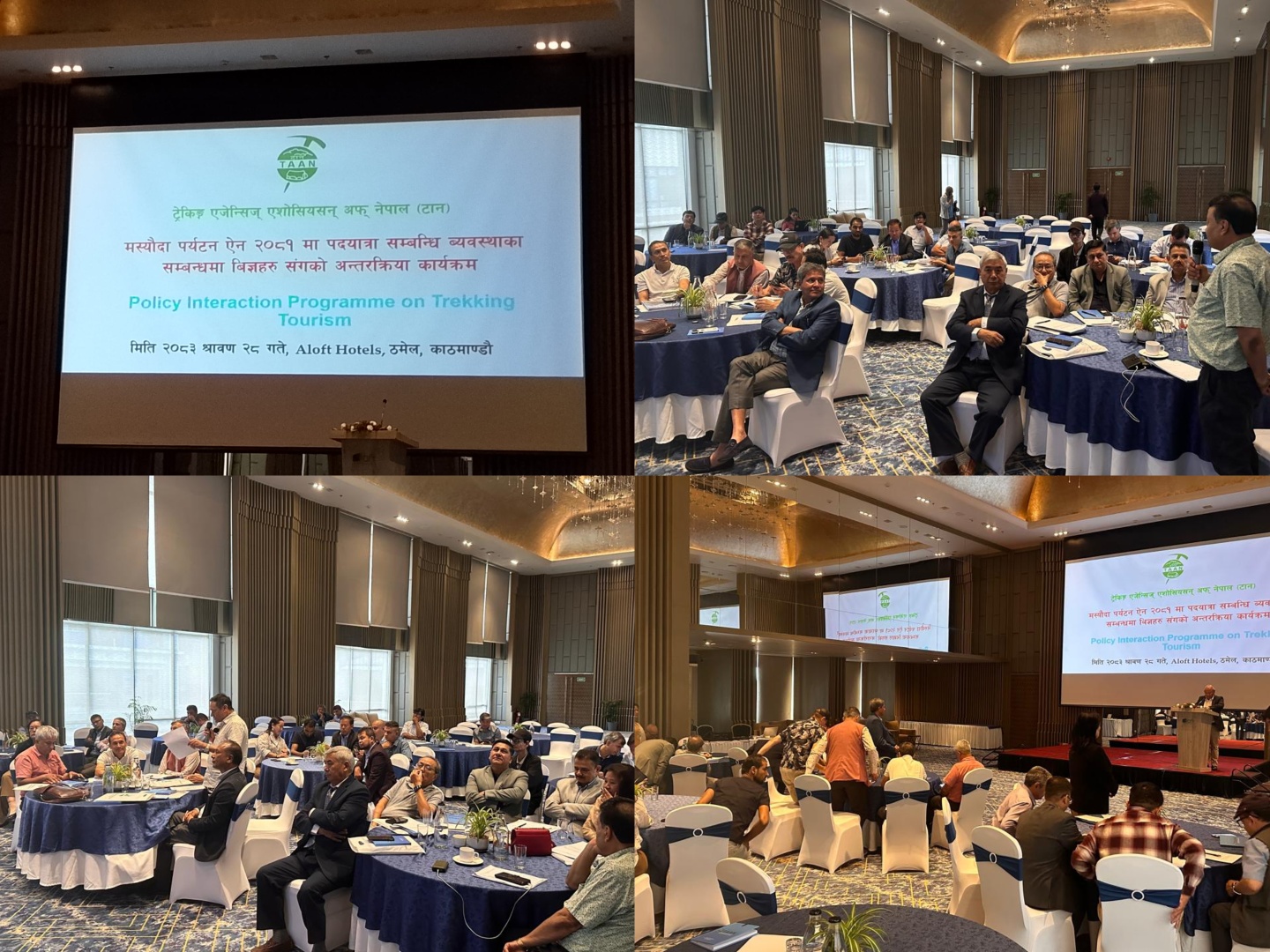
The Trekking Agencies’ Association of Nepal (TAAN) and senior stakeholders from Nepal’s mountain tourism sector have urged the government and federal parliament to include a separate and comprehensive chapter on trekking in the proposed Tourism Act 2081.
The proposed Tourism Act 2081, submitted by the Ministry of Culture, Tourism and Civil Aviation and currently under discussion in the Federal Parliament, does not adequately address the trekking sector, according to representatives of the mountain tourism industry. They have called for comprehensive legal provisions covering trekking infrastructure, safety, rescue, trail protection, workers’ welfare and sustainable tourism.
TAAN Proposes Separate Chapter on Trekking
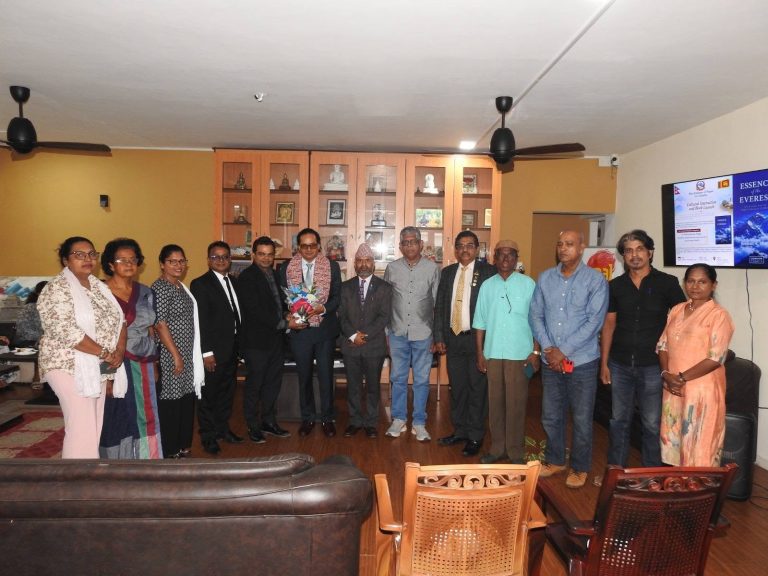
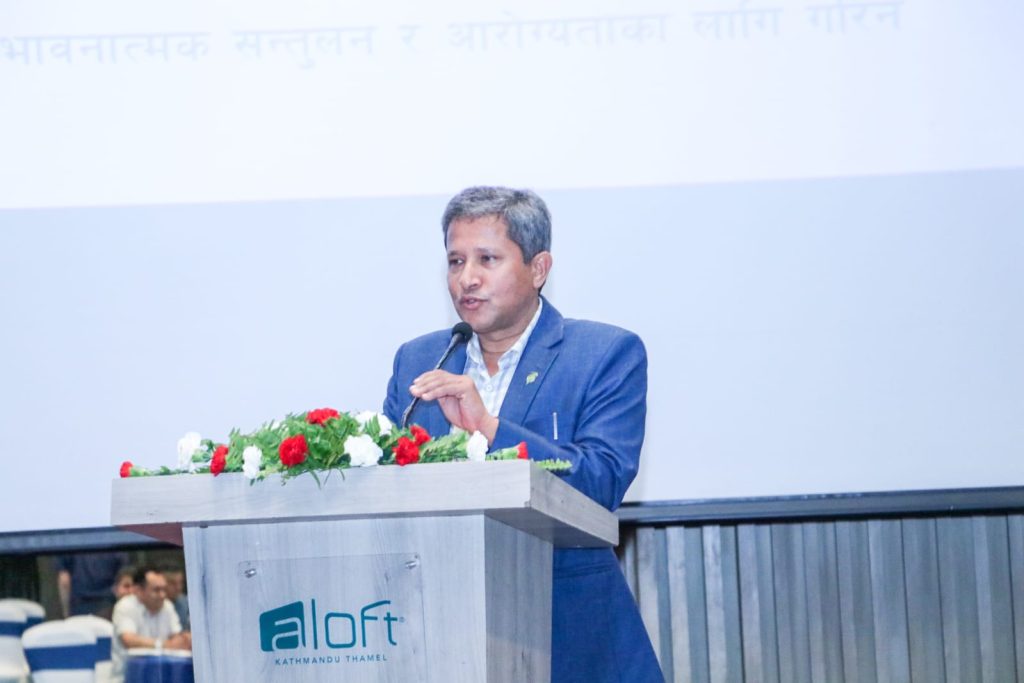
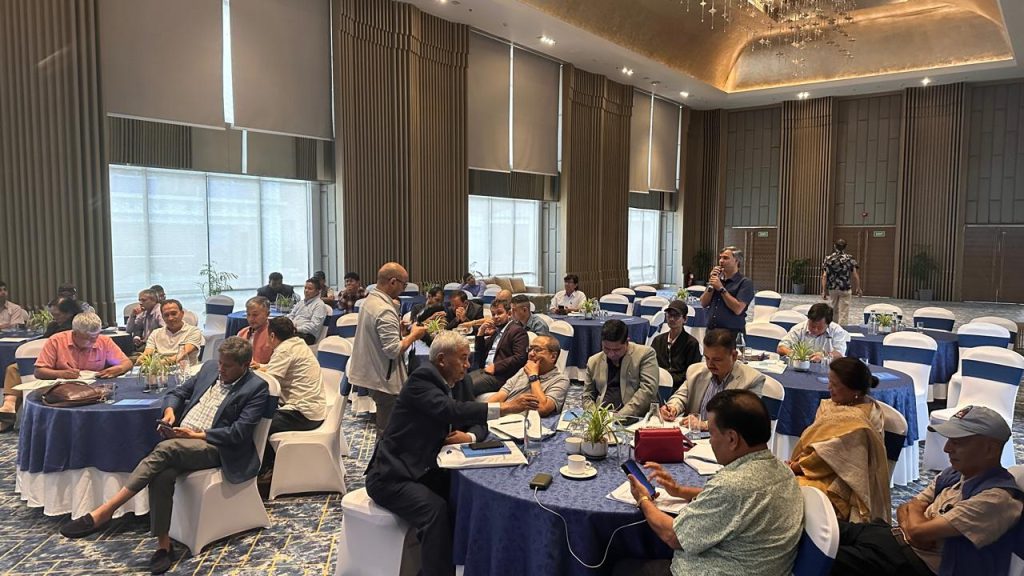
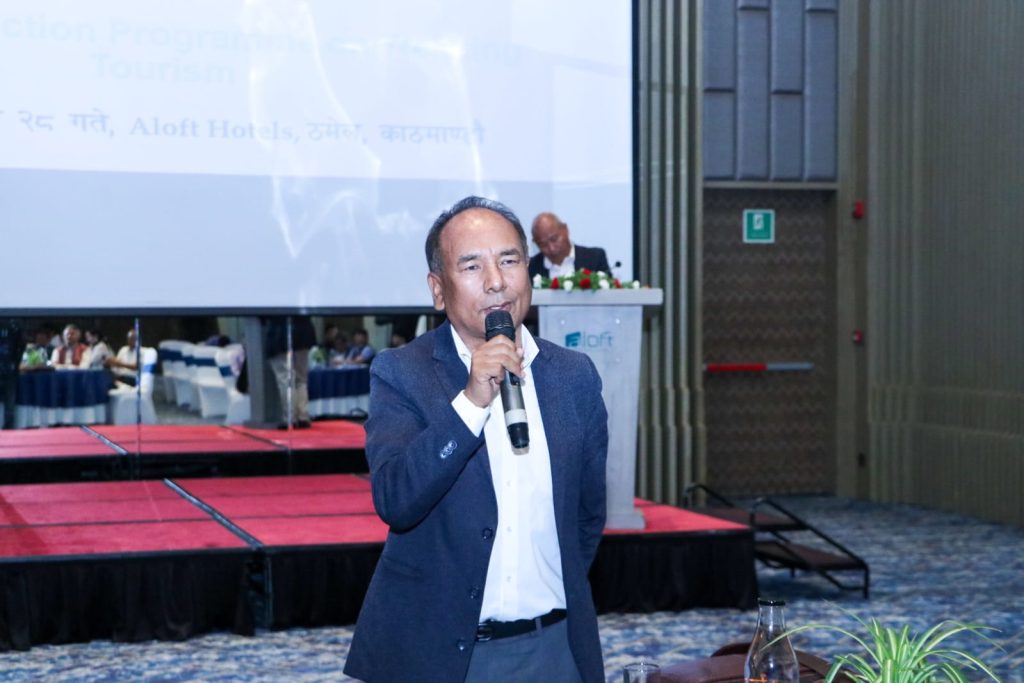
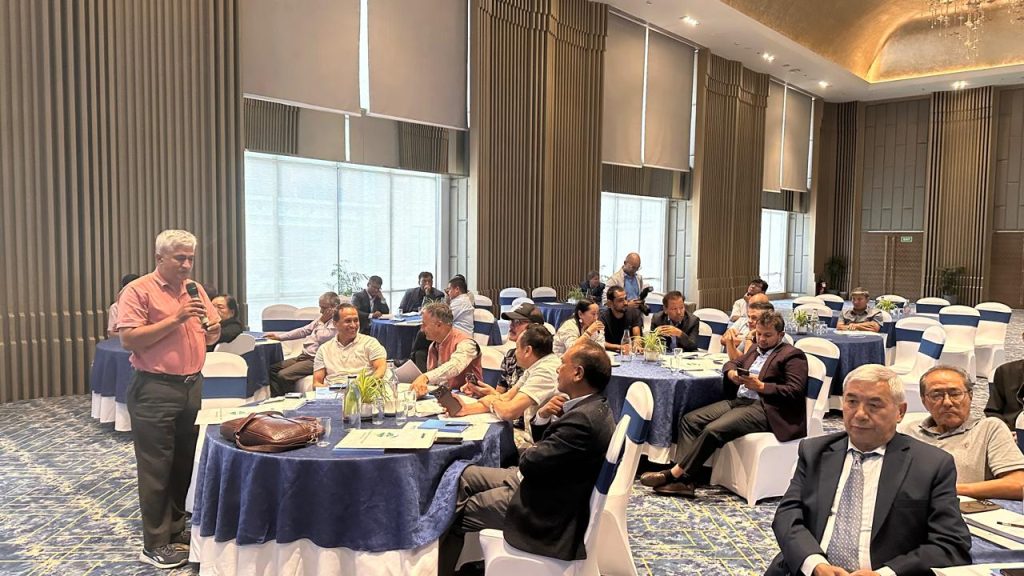
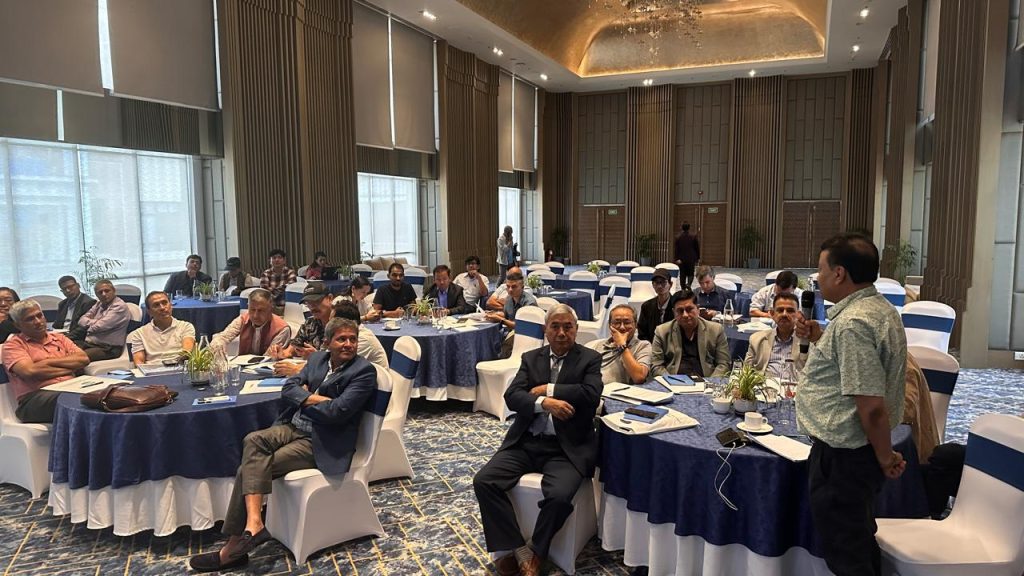
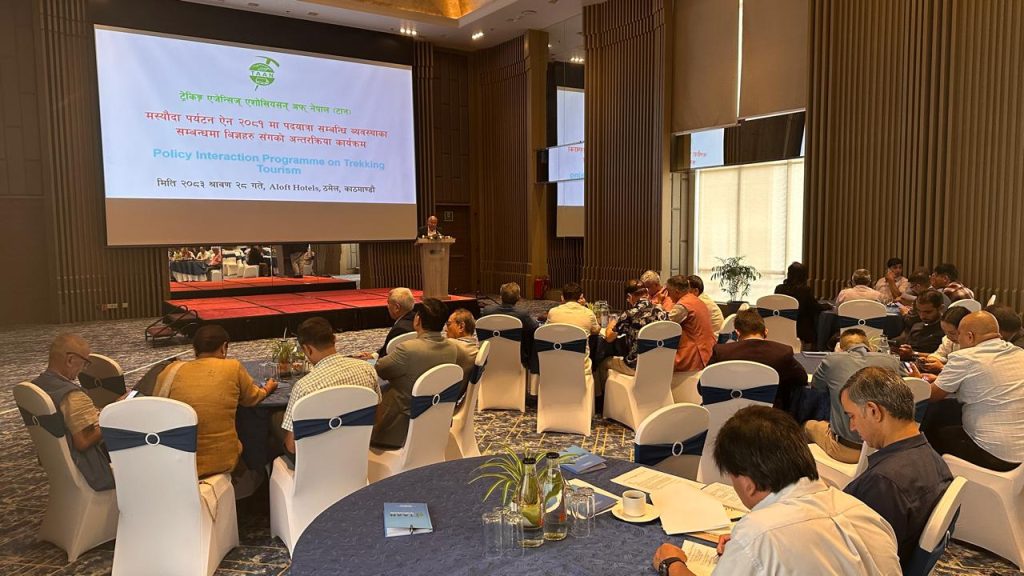
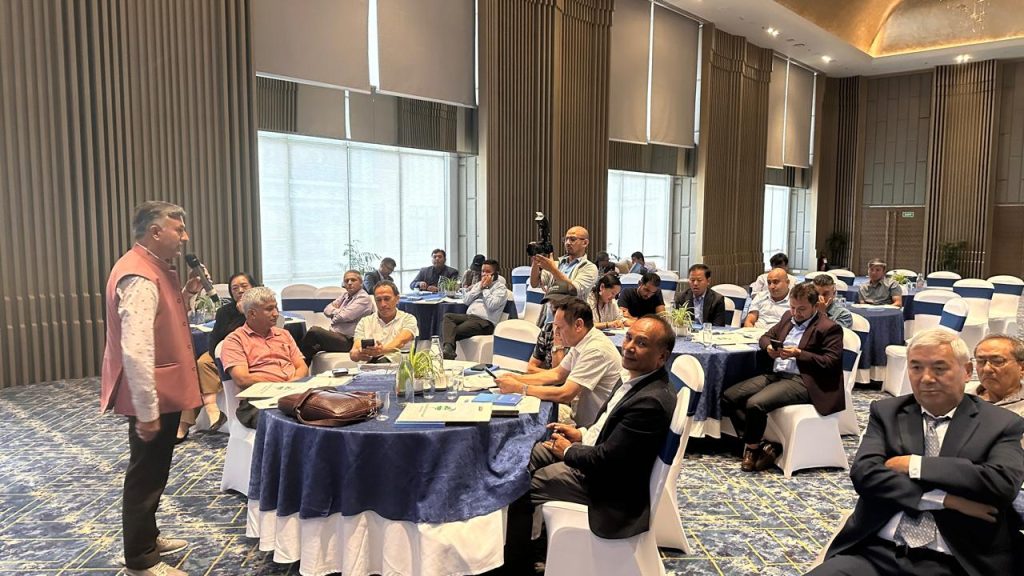
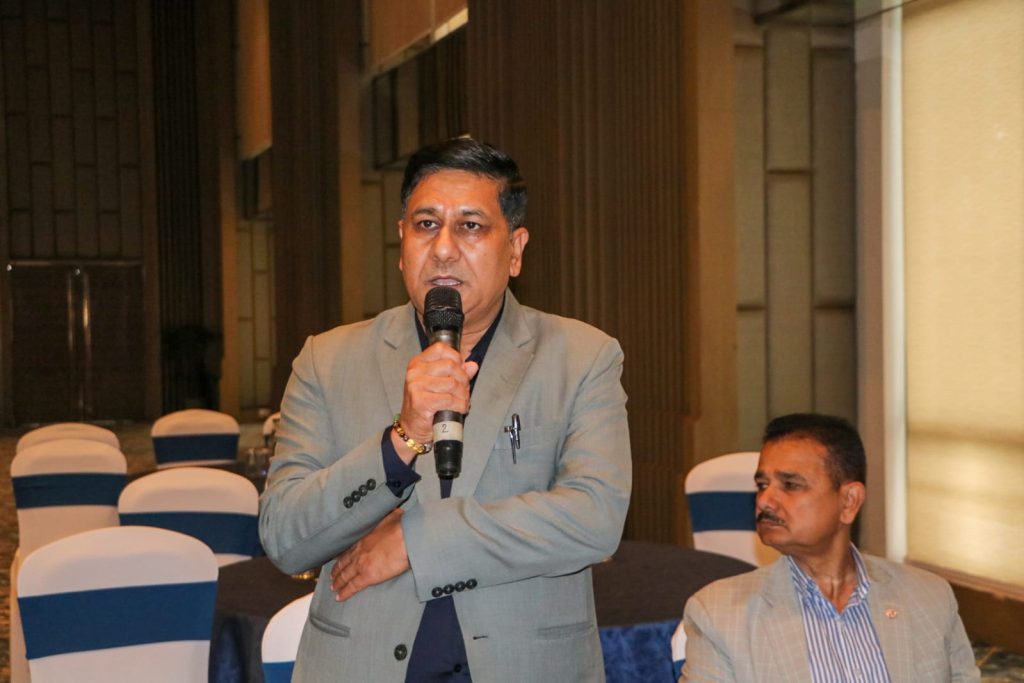
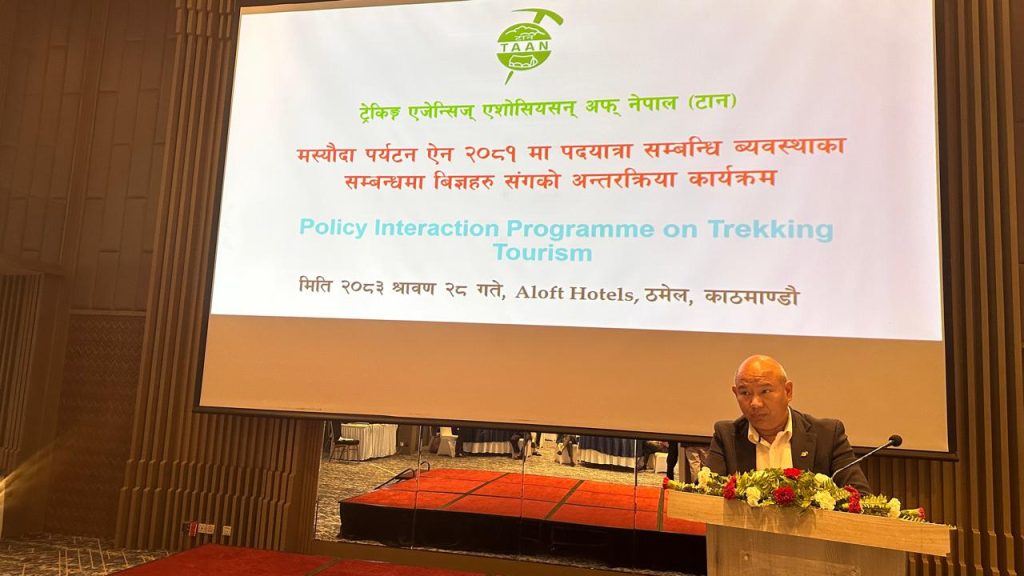
The demand was made during a policy-level interaction organized by the Trekking Agencies’ Association of Nepal (TAAN) to gather suggestions on a draft chapter on trekking prepared by the association for possible inclusion in the Tourism Act.
TAAN President Sagar Pandey said the proposed Tourism Act 2081 does not sufficiently address issues related to trekking, creating concerns about the future sustainability of the trekking industry. President of TAAN Sagar Pandey said the sector needs a dedicated legal framework if mountain tourism is to be developed sustainably and established as one of the major economic pillars of the country.
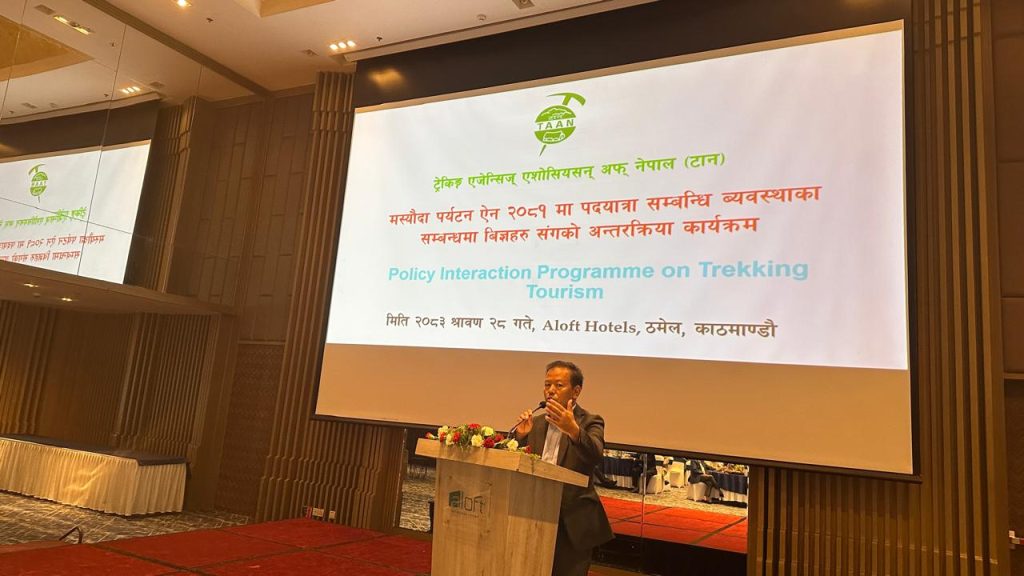
According to Pandey, trekking contributes significantly to Nepal’s tourism economy and supports a wide network of tourism businesses, guides, porters and local communities. A dedicated chapter would provide greater clarity on the responsibilities of the government, tourism businesses and other stakeholders while also helping protect trekking destinations and trails.
TAAN Senior Vice President Karma Sherpa said the interaction was organized to collect practical suggestions from experienced tourism professionals and stakeholders. He said the draft prepared by TAAN could help the government make the proposed Tourism Act more comprehensive by addressing the specific needs and challenges of the trekking industry.
Stronger Infrastructure and Safety Provisions Sought
Former TAAN office-bearers and experts in mountain tourism emphasized the need for the proposed law to address the quality and development of trekking infrastructure and services.
Participants including Ang Tshering Sherpa, Suman Pandey, Dipak Mahat, Jyoti Adhikari, Ramesh Dhamala, Chandra Prasad Rijal, Nawaraj Dahal, Lhakpa Phuti Sherpa, Khum Bahadur Subedi, Santa Kumar Subba, Bikram Neupane, Mohan Lamsal and Sarita Lama, among others, called for stronger legal provisions for the safety of trekkers and support staff.
They stressed that the law should establish effective emergency search-and-rescue mechanisms, strengthen safety along trekking routes and introduce stricter measures against illegal trekking operations. The stakeholders also argued that trekking routes should be developed and maintained according to safety and quality standards, while tourism infrastructure in destination areas should be upgraded to meet the needs of both domestic and international visitors.
Road Expansion Creating New Challenges for Trekking Routes
Representatives from other mountain tourism organizations also highlighted the impact of expanding road networks on Nepal’s traditional trekking routes.
Phur Gelje Sherpa, President of the Nepal Mountaineering Association, along with General Secretary Rajendra Bahadur Lama, Expedition Operators Association Nepal (EOA-Nepal) General Secretary Rishi Bhandari, and Himalayan Rescue Association General Secretary Prayush Neupane, said the expansion of roads has shortened or disrupted several traditional trekking routes.
They said the changing nature of trekking trails, combined with increasing movement of vehicles in mountain destinations, has created additional challenges for the safety and experience of trekkers. The participants therefore called for legal mechanisms to identify, protect and preserve important trekking routes so that the expansion of road infrastructure does not undermine Nepal’s mountain tourism products.

National Protection Proposed for Important Trekking Routes
The trekking-related draft presented by TAAN Chief Executive Officer Ram Chandra Sedai proposes that trekking routes should be officially opened for trekking through publication of notices in the Nepal Gazette.
The draft also proposes that important trekking routes be designated and protected as national trekking trails. Such a provision would provide a legal basis for protecting strategically important trekking routes from uncontrolled infrastructure development and other activities that could compromise their tourism value.
The proposal seeks to establish a clearer classification and management system for trekking destinations and routes, with the government taking responsibility for officially recognizing and protecting important trails.
Trekking Permits and Licensed Guides Proposed
Another major provision in the proposed chapter relates to trekking permits and the use of professional trekking guides.
The draft proposes that trekkers should obtain trekking permits and undertake trekking through registered trekking agencies with authorized trekking guides. The provision is intended to improve visitor safety, strengthen accountability and reduce unauthorized or illegal trekking activities.
Stakeholders argued that a regulated system would allow authorities and tourism businesses to maintain better records of trekkers while ensuring that visitors receive professional assistance in remote and potentially hazardous mountain environments.
Joint Search and Rescue Mechanism
The proposed framework also calls for a joint search-and-rescue mechanism involving both trekking agencies and the government.
Under the proposal, responsibility for the safety of trekkers and support workers would be shared by the private sector and the state, ensuring that emergency response is not delayed because of uncertainty over institutional responsibilities.
The draft further proposes mandatory insurance coverage and the establishment of a Trekking Workers’ Welfare Fund. The fund would support search and rescue, medical treatment, relief and other forms of assistance for trekking workers in emergencies.
Legal Action Against Fake Rescue Operations
The draft also seeks a legal framework to prevent fraudulent or unnecessary rescue operations, commonly referred to as “fake rescues.” Stakeholders said fraudulent rescue practices can damage Nepal’s reputation as a mountain tourism destination, increase insurance-related risks and undermine confidence among international visitors and tourism operators.
They called for clear legal provisions defining legitimate rescue operations, establishing accountability and taking action against individuals or organizations involved in rescue activities carried out with fraudulent intent. Environmental and cultural protection has also been incorporated into the proposed trekking chapter.
The draft proposes making tourism businesses, trekking agencies and guides operating in destination areas responsible for protecting local culture, biodiversity and the natural environment. Stakeholders said trekking development should not be limited to increasing visitor numbers but should also ensure that mountain ecosystems, cultural heritage and local communities are protected for the long term. They emphasized that sustainable trekking should become an integral part of Nepal’s tourism policy, particularly as increasing visitor pressure and infrastructure development are changing mountain destinations.
Wellness Tourism to Be Linked With Trekking
The proposed provisions also seek to broaden Nepal’s trekking tourism products by connecting trekking with wellness activities such as meditation and yoga.
Stakeholders said Nepal’s mountains, natural landscapes and cultural environments provide strong potential for combining trekking with wellness and rejuvenation experiences. Such diversification could help Nepal attract visitors seeking longer, experience-based and health-oriented tourism products.
The proposal is intended to encourage tourism operators and destination communities to develop integrated products rather than relying solely on conventional trekking packages.
Benefits for Local Communities Emphasized
Another key objective of the proposed chapter is to ensure that local communities receive greater economic benefits from trekking tourism.
The draft seeks to create an environment in which communities in trekking destinations can directly benefit from tourism-related economic activities. Stakeholders said local participation and benefit-sharing are essential for the long-term sustainability of trekking destinations.
They argued that stronger community involvement could also encourage local people to protect trekking trails, natural resources and cultural heritage while creating employment and income opportunities.
TAAN to Submit Revised Proposal to Government
TAAN General Secretary Sonam Gyaljen Sherpa said the association would incorporate suggestions received from senior tourism entrepreneurs and experts before submitting the proposed separate chapter on trekking to the ministry and the concerned parliamentary committee.
He said the feedback received during the interaction would be used to improve the draft and make it more practical and comprehensive.
The stakeholders hope that the government and parliament will recognize trekking as a distinct and strategically important component of Nepal’s mountain tourism and provide it with a dedicated legal framework in the new Tourism Act.
Aims to Strengthen Nepal’s Trekking Industry
The proposed provisions seek to address several long-standing challenges facing Nepal’s trekking sector, ranging from route protection and visitor safety to rescue systems, workers’ welfare, environmental conservation and community participation.
With the Tourism Act 2081 currently under parliamentary consideration, mountain tourism stakeholders believe this is an important opportunity to establish clear legal foundations for the sustainable development of trekking in Nepal.
They have urged the government and lawmakers to incorporate a dedicated trekking chapter so that Nepal can protect its mountain tourism resources while improving safety, professionalism, sustainability and economic benefits for communities dependent on the sector.