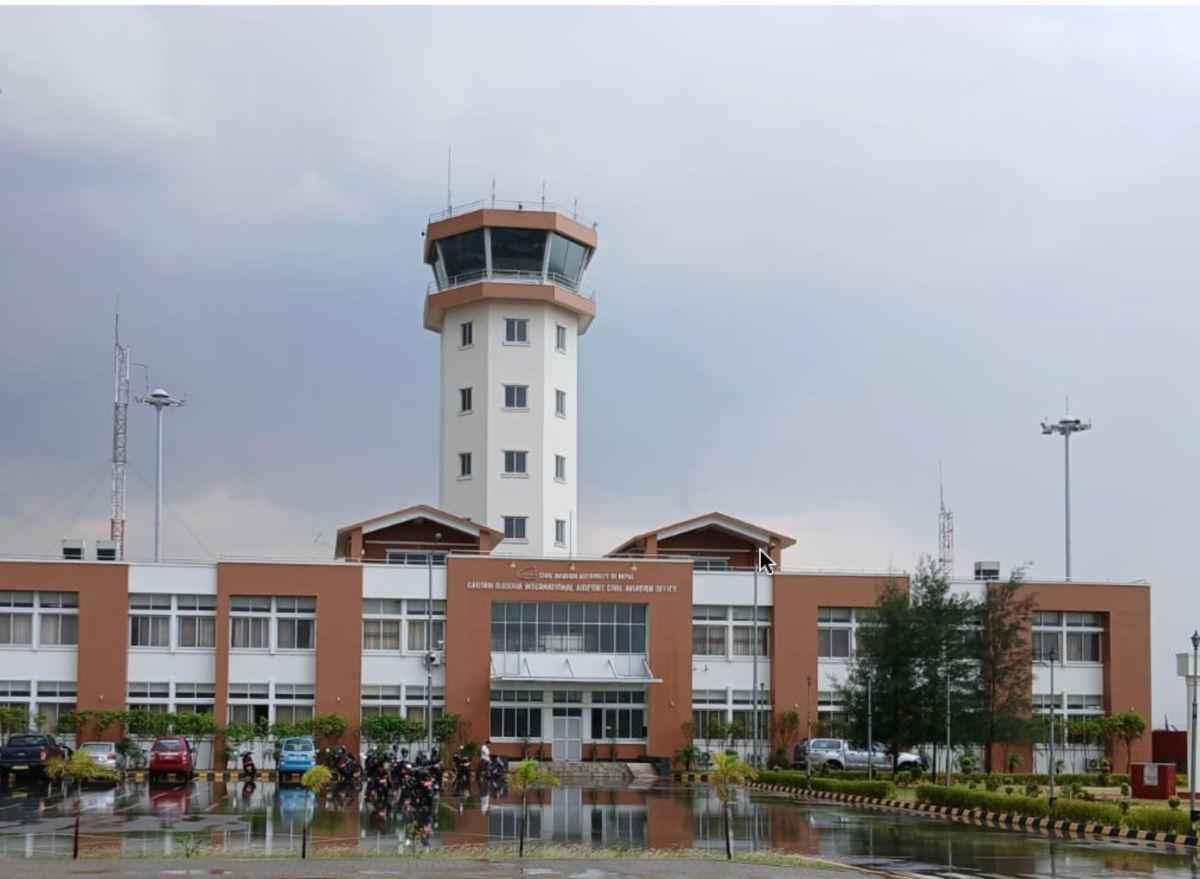
Nepal Airlines Corporation (NAC) has started pilot training flights at Gautam Buddha International Airport (GBIA) in Bhairahawa as part of its preparations to establish the airport as an operational base for its aircraft. The national flag carrier has initiated the training in line with the direction of the Ministry of Culture, Tourism and Civil Aviation. The program is designed to provide base training flights for the airline’s first officers using an Airbus A320 aircraft.
Training Program Underway
The pilot training began on Tuesday and will continue until September 3. According to the airport authorities, the training flights are being conducted as part of Nepal Airlines Corporation (NAC)’s preparations to operate from Bhairahawa on a more regular basis. Kumar Sujakhu, spokesperson for the Civil Aviation Office at Gautam Buddha International Airport, issued a statement informing airlines, aviation agencies and other stakeholders about the ongoing training operations. The training is expected to familiarize Nepal Airlines Corporation (NAC) pilots with the airport’s operational environment, including its runway, approaches, airspace and ground-handling conditions.

GBIA Being Prepared as Nepal Airlines Corporation (NAC)’s Operating Base
Nepal Airlines Corporation (NAC) has been working to designate Gautam Buddha International Airport as an operating base for its aircraft. The move comes as the government seeks to expand the use of the international airport and strengthen air connectivity through Bhairahawa. The airport has already been designated as an alternative airport for Nepal Airlines Corporation (NAC) flights in case aircraft need to be diverted from their scheduled destinations.
According to the airport’s officiating General Manager Shyam Kishor Sah, a decision was made for Gautam Buddha International Airport to serve as an alternative airport for Nepal Airlines Corporation (NAC) aircraft from November 19, 2025. Establishing an operating base at Bhairahawa could further increase the utilization of GBIA and create opportunities for additional domestic and international flight operations from the region.
A Major International Gateway in Western Nepal
Gautam Buddha International Airport is located in Bhairahawa, close to Lumbini, the birthplace of Gautama Buddha. The airport is therefore considered strategically important for Nepal’s tourism sector, particularly for attracting international visitors to Lumbini and other destinations in western Nepal.
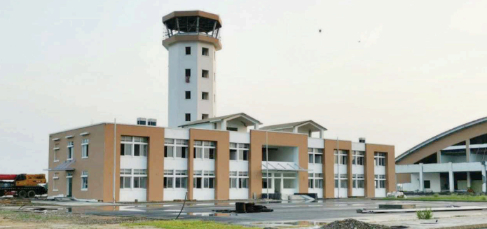
The airport’s development has also been viewed as an effort to reduce pressure on Tribhuvan International Airport in Kathmandu and expand Nepal’s international aviation network beyond the capital.
From Grass Airfield to International Airport
Bhairahawa’s aviation history dates back to 1961, when flight operations began from a grass airfield. The airport was later developed as a domestic airport at its present location in 1963. Construction of the international airport was formally inaugurated on January 15, 2015, by then-Prime Minister Sushil Koirala. The project was developed at an estimated cost of around NPR 35 billion. The completed international airport was officially inaugurated on May 16, 2022, by then-Prime Minister Sher Bahadur Deuba.

Airport Equipped for International Operations
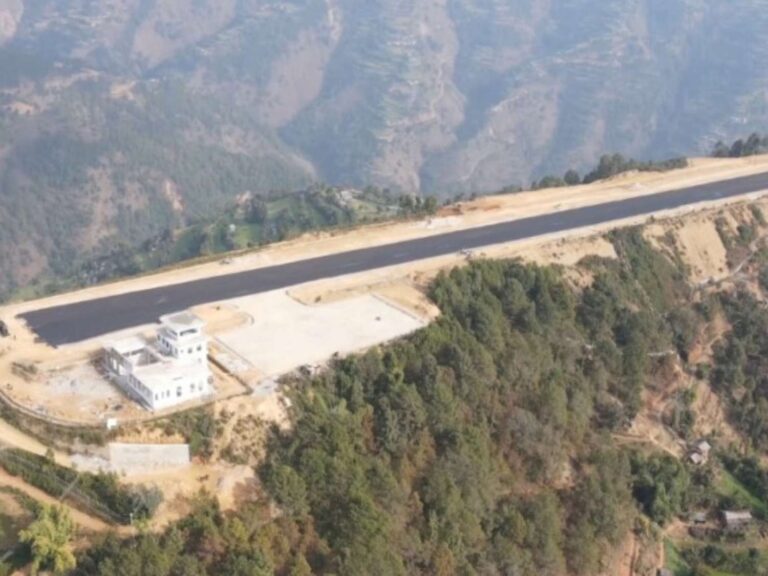
Spread across approximately 800 bighas, Gautam Buddha International Airport has a 3-kilometer runway and operates under the ICAO Code 4E airport category. The airport is equipped with advanced firefighting facilities, including Category 9 fire tenders. Its infrastructure allows aircraft operations comparable to those at Tribhuvan International Airport. The airport can accommodate up to five international aircraft at a time, including four narrow-body aircraft and one wide-body aircraft.
Potential Boost for Tourism and Regional Connectivity
The establishment of an operating base by Nepal Airlines could strengthen the role of Gautam Buddha International Airport as a major aviation hub outside Kathmandu. Increased operations could improve connectivity to Lumbini and other tourism destinations in western Nepal, while also making international travel more accessible to passengers from the region. For the tourism industry, greater utilization of GBIA could support the development of Lumbini as an international pilgrimage destination and contribute to wider tourism and economic activity in Bhairahawa and surrounding areas.