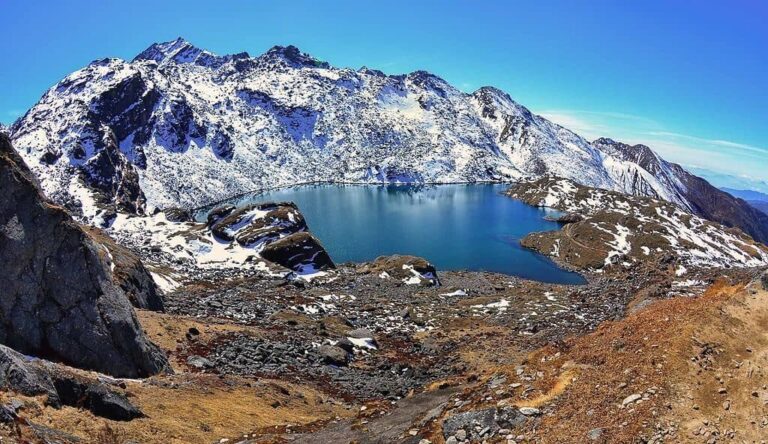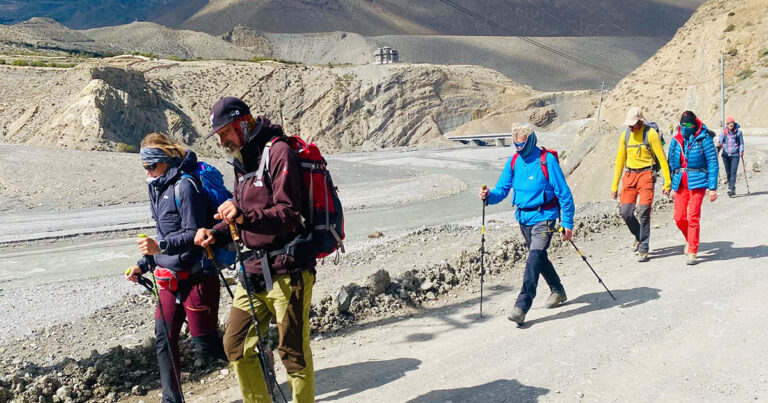
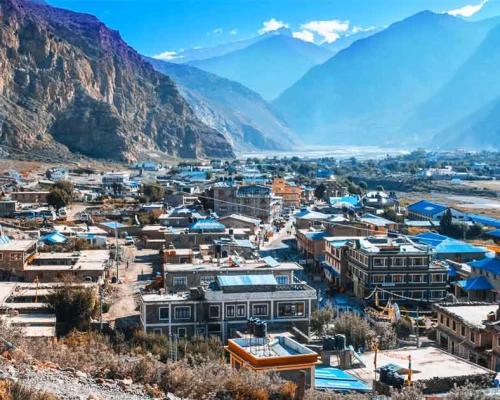
Mustang is one of Nepal’s most distinctive travel destinations, combining dramatic Himalayan landscapes, ancient settlements, Tibetan-influenced culture, monasteries, caves and pilgrimage sites. From the relatively accessible attractions of Lower to the remote walled city of Lo Manthang in Upper, the region offers experiences for both budget travellers and those looking for a more comfortable Himalayan journey. However, the cost of visiting Mustang depends greatly on which part of Mustang you visit, how you travel, how many days you stay, and whether you travel independently or through an organised tour.
For travellers planning a trip in 2026, a realistic budget can range from around NPR 15,000–30,000 for a short budget trip to Lower Mustang from Pokhara, while a longer and more comfortable Lower Mustang journey can easily reach NPR 35,000–60,000 or more per person. Upper Mustang is considerably more expensive because of its restricted-area permit and the additional logistics involved.
Lower Mustang vs Upper Mustang
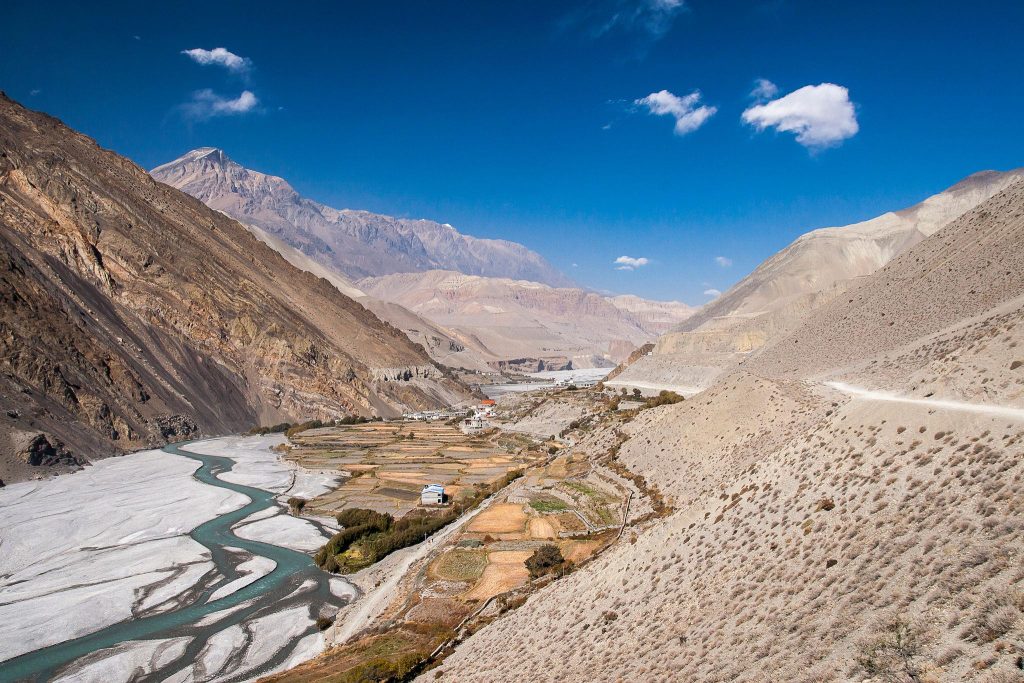
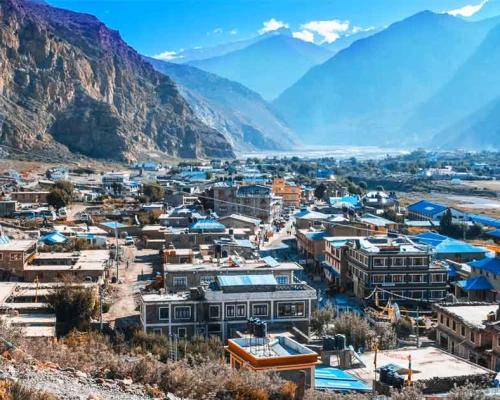
The first step in calculating the cost is understanding the difference between the two areas. Lower Mustang includes destinations such as Jomsom, Marpha, Tukuche, Kagbeni and Muktinath. It can be reached by road or air from Pokhara and is comparatively accessible.
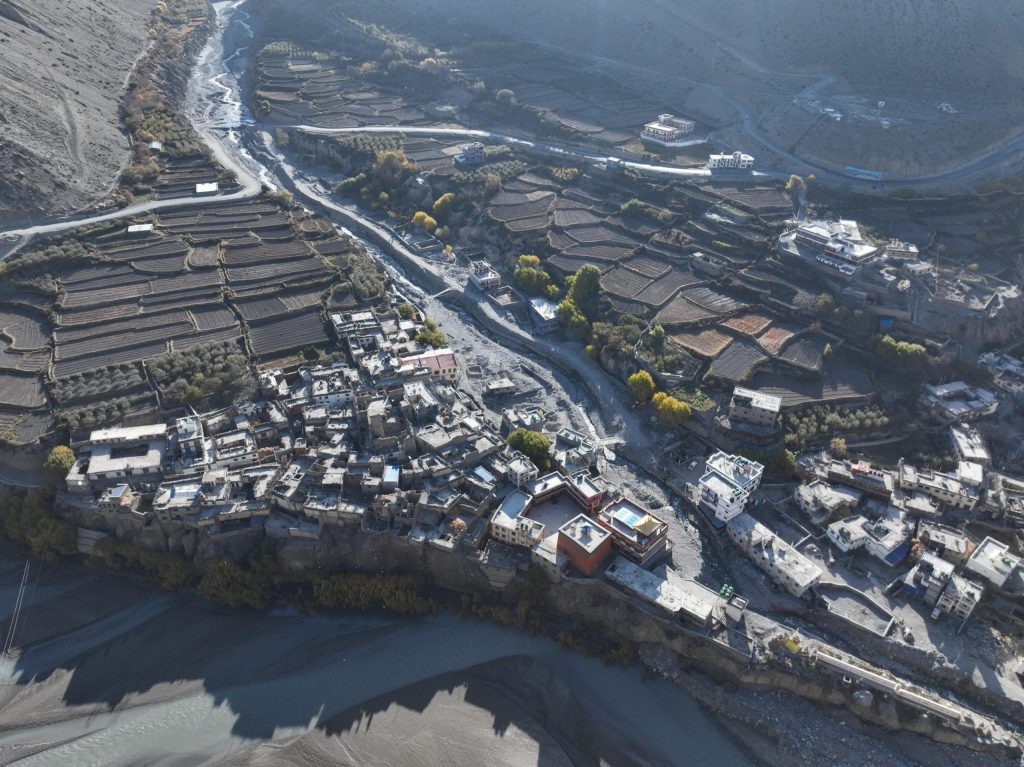
Upper Mustang extends toward Lo Manthang and includes the remote settlements and landscapes of the former Mustang kingdom. Travellers entering the restricted area require a special trekking permit from the Department of Immigration. The Nepal Tourism Board specifically lists the place as a restricted trekking area. This difference makes an Upper Mustang journey substantially more expensive than a normal Lower Mustang trip.
Getting to Mustang: The Biggest Part of the Budget
For most travellers, the journey begins in Kathmandu and continues to Pokhara before heading toward Mustang.
Kathmandu to Pokhara
Travellers can choose between tourist buses, private vehicles and domestic flights. A tourist bus is generally the most economical option, while private vehicles provide greater flexibility but cost considerably more. For travellers who are already in Pokhara, the next major expense is travelling to Jomsom.
Pokhara to Jomsom by Road
The road journey from Pokhara to Jomsom follows the Kali Gandaki Valley and provides access to Lower. Recent 2026 travel listings show bus fares of around NPR 1,200–1,400 one way, while shared jeep fares can be around NPR 1,500–2,000 per person, depending on the service. One recent travel source lists a Pokhara–Jomsom bus at NPR 1,200 and a jeep at NPR 1,800, while current booking listings show fares around NPR 1,387 for some bus services. Travellers should allow for changes in fares and road conditions.
Pokhara to Jomsom by Air
Flying is considerably faster but more expensive.
The flight from Pokhara to Jomsom takes roughly 20–25 minutes under normal operating conditions. Recent 2026 travel information places one-way fares roughly in the USD 90–175 range, depending on the operator and booking conditions. Flights are also weather-sensitive. Strong winds in the Kali Gandaki Valley can cause delays or cancellations, particularly later in the day. Travellers using flights should therefore keep some flexibility in their itinerary.
Accommodation Costs
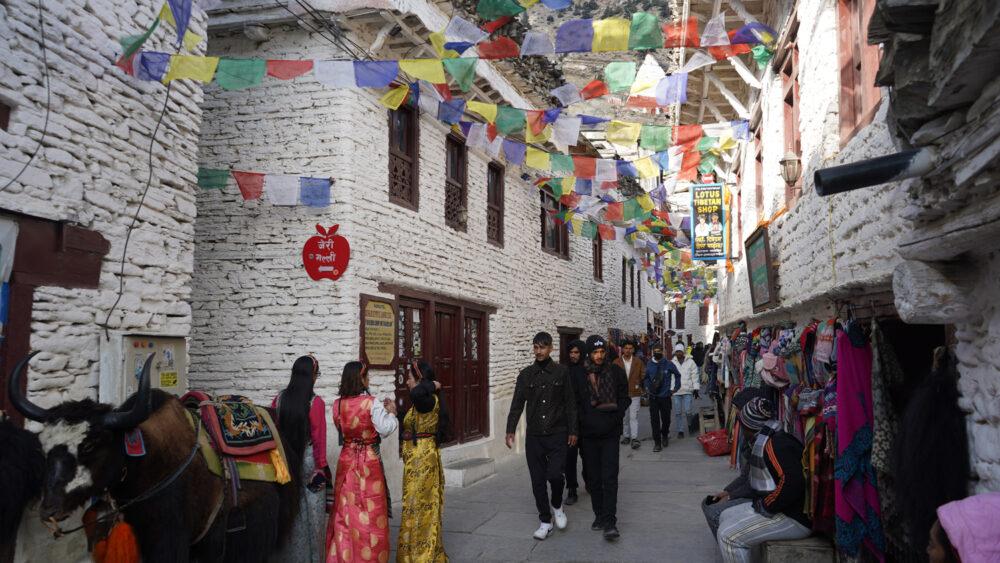
Accommodation is another major part of the travel budget. In Lower Mustang, travellers can find basic teahouses, guesthouses, and hotels in places such as Jomsom, Marpha, Kagbeni, and Muktinath.
Budget accommodation
A basic room in a local guesthouse or teahouse can generally be planned at around NPR 500–1,500 per person, although prices vary considerably by location and season.
Mid-range accommodation
Travellers seeking better rooms, attached bathrooms and more comfortable facilities should expect approximately NPR 1,500–4,000 or more per room, depending on the property and destination. In popular pilgrimage and tourism centres such as Muktinath, prices may increase during peak periods.
Upper Mustang accommodation
Accommodation in this place is generally more expensive because of the region’s remoteness and limited supply. Travellers should budget approximately NPR 1,500–4,000 or more per night, depending on the village and standard of accommodation.
Food Costs
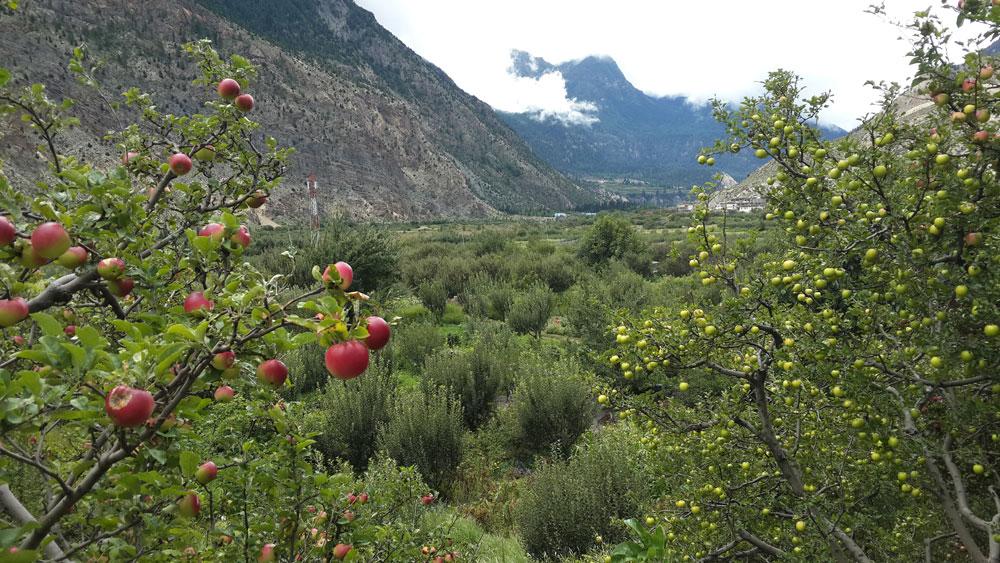
Food prices increase as travellers move deeper into the place because transportation of supplies to remote mountain settlements is expensive. A budget traveller can plan for approximately:
- Breakfast: NPR 300–600
- Lunch: NPR 400–800
- Dinner: NPR 500–1,000
- Tea/coffee and snacks: NPR 100–400
A basic daily food budget of around NPR 1,200–2,500 per person is therefore reasonable for Lower Mustang, with a higher budget advisable for Upper Mustang. Traditional foods such as dal bhat, thukpa, noodles, Tibetan bread and momos are widely available, although menus become more limited in remote areas.
Annapurna Conservation Area Permit
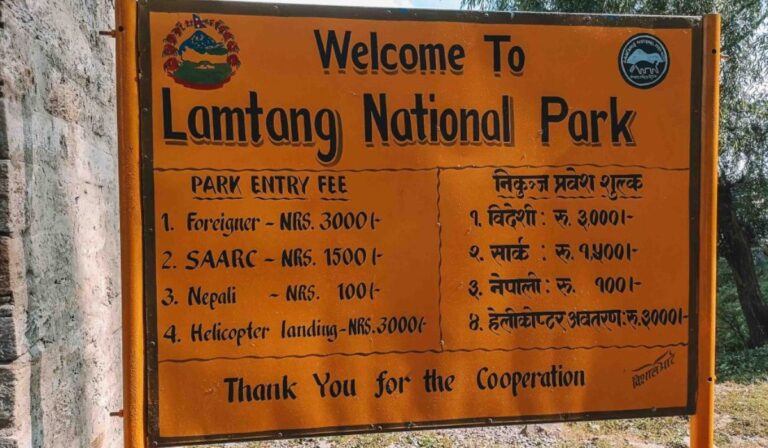
Many of the places lie within the Annapurna Conservation Area. The Nepal Tourism Board’s current park-fee information lists the Annapurna Conservation Area fee at NPR 100 for Nepali citizens, NPR 1,000 for SAARC nationals, and NPR 3,000 for other foreign visitors. Travellers should check the latest official fee before departure because government fees can change.
The Additional Cost of Upper Mustang
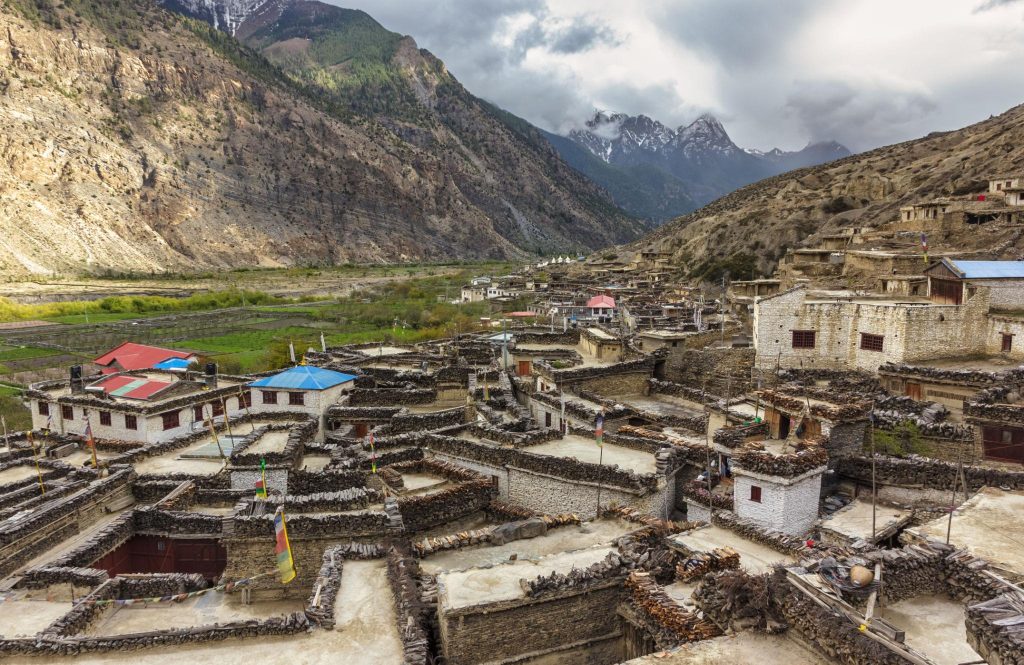
Upper Mustang is where the budget changes dramatically. Because the place is a restricted area, travellers require a special trekking permit. The Nepal Tourism Board confirms that the permit must be obtained through the Department of Immigration. The permit is charged according to the duration of the stay, making the number of days in the restricted area an important part of the overall budget. In addition to the permit, it usually involves:
- Guide and trekking arrangements
- Transportation or trekking logistics
- Accommodation in remote villages
- Food and drinking water
- Conservation-area fees
- Possible porter services
- Vehicle costs for travellers exploring by jeep
As a result, an Upper Mustang trip should generally be planned as a package or organised journey rather than simply adding a small permit fee to a Lower Mustang itinerary.
Local Transportation Inside Mustang
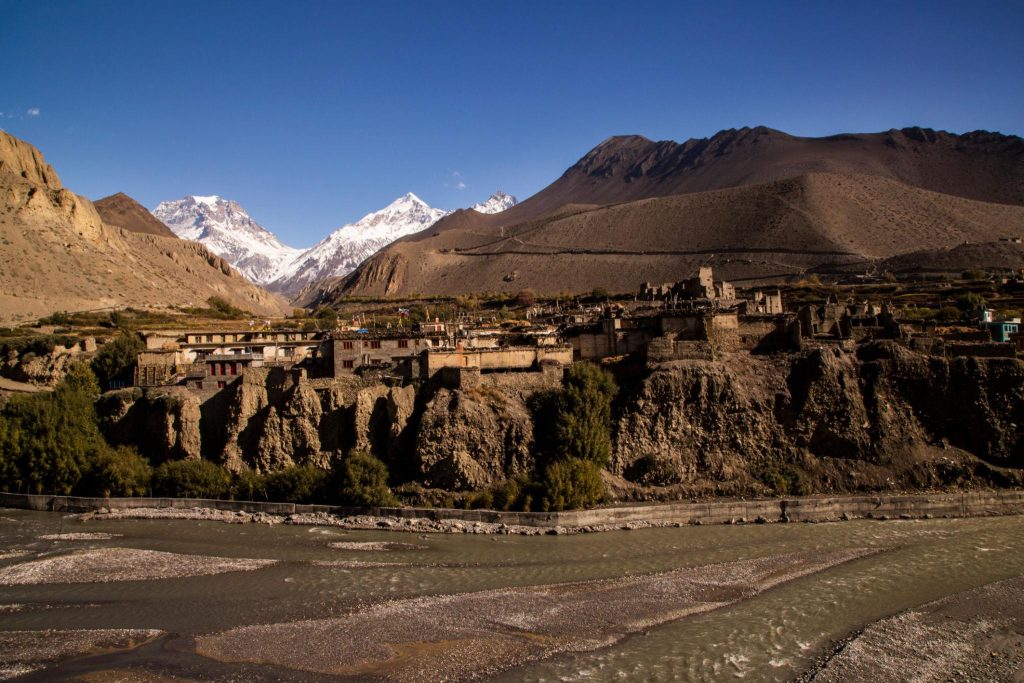
Travellers exploring Lower Mustang can use local buses, shared jeeps or private vehicles. Shared transport is the cheapest option, while hiring a private jeep provides considerably greater flexibility. A private jeep can be particularly useful for visiting several destinations in a short period, but the cost depends on:
- Number of travel days
- Route
- Vehicle type
- Season
- Number of passengers
- Whether the vehicle is hired one way or for the entire itinerary
For a group travelling together, sharing a private jeep can make the per-person cost much more manageable.
A Sample Budget for a 4–5 Day Lower Mustang Trip
For a Nepali traveller travelling from Pokhara, a basic four- to five-day trip could look approximately like this:
Transportation: NPR 3,000–6,000
Accommodation: NPR 2,500–6,000
Food: NPR 5,000–10,000
Local transportation/sightseeing: NPR 2,000–6,000
Entry/permit and miscellaneous expenses: NPR 500–2,000
When Is Mustang Cheapest?
The cost of travelling to the place is influenced by the season. The traditional best periods for the Annapurna region are spring (March–May) and autumn (September–November), according to the Nepal Tourism Board. During peak trekking and pilgrimage periods, demand for accommodation and transport can increase. The monsoon period can create road difficulties, particularly on the route to Jomsom, while winter can bring cold temperatures and closures or limited services in higher areas. Interestingly, the places’ location in the rain shadow of the Annapurna and Dhaulagiri ranges means parts of the region remain comparatively dry during the monsoon. Nevertheless, the access roads from the south can still be affected by heavy rainfall and landslides.
How to Reduce the Cost of a Mustang Trip
Travellers can significantly reduce their expenses by planning carefully.
Travel in a group: Sharing a jeep can substantially reduce transportation costs.
Use road transportation: Travelling by bus or shared jeep is much cheaper than flying.
Stay in local guesthouses: Basic accommodation provides a more economical and often more authentic experience.
Eat local food: Dal bhat, thukpa and other local meals are generally cheaper than imported or Western food.
Plan the itinerary: Travelling to fewer destinations and spending more time in each place can reduce unnecessary transportation expenses.
Carry some cash: Remote areas may have limited card-payment facilities and unreliable connectivity.
Is The Place Worth the Cost?
For many travellers, the answer is yes. The place offers an unusual combination of Himalayan scenery, ancient settlements, Buddhist monasteries, pilgrimage sites and distinctive landscapes that cannot easily be experienced elsewhere in Nepal. Lower Mustang provides relatively affordable access to attractions such as Jomsom, Marpha, Kagbeni and Muktinath, making it suitable for travellers with a moderate budget. Upper Mustang, meanwhile, is a much larger financial commitment but offers access to the culturally and geographically distinctive landscape around Lo Manthang and the former Mustang kingdom.
Estimated Travel Budget at a Glance
| Travel Style | Approximate Cost per Person |
| Short budget Lower Mustang trip | NPR 15,000–30,000 |
| Comfortable Lower Mustang trip | NPR 35,000–60,000+ |
| Upper Mustang trip | NPR 80,000–150,000+ |
| Private/luxury Upper Mustang | NPR 150,000+ |
Note: These are planning estimates for 2026, not fixed official package prices. Transport, hotels, food, permits and guide/vehicle costs can change according to season, availability, route and group size.
A trip to the place does not have to be prohibitively expensive. Lower Mustang can be explored on a relatively modest budget, particularly when travellers use shared road transport and local accommodation. However, travelling to Upper Mustang requires a substantially larger budget because of the restricted-area permit and additional logistical requirements.
For travellers planning their first visit, a budget of around NPR 20,000–30,000 can be a reasonable starting point for a short, economical Lower Mustang trip from Pokhara, while those seeking greater comfort should plan for NPR 35,000–60,000 or more. For Upper Mustang, travellers should prepare for a significantly higher cost and arrange permits, guides, transportation and accommodation well in advance. Ultimately, the cost of the place is not simply the price of reaching Jomsom. It is an investment in experiencing one of Nepal’s most distinctive Himalayan landscapes, where ancient culture, dramatic mountains and remote communities come together in a destination unlike any other.