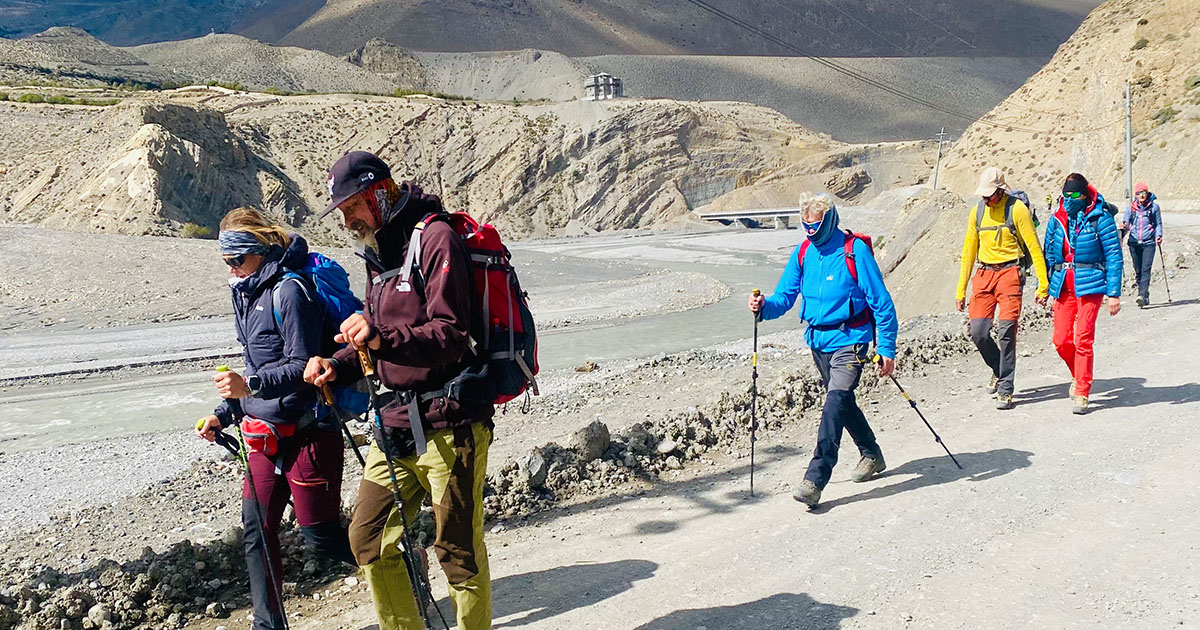
Foreign tourists visiting restricted areas within the Annapurna Conservation Area (ACA) continue to generate substantial revenue for the government, with special trekking permits allowing international visitors to explore destinations that are otherwise closed to unrestricted foreign travel.
The Upper Mustang region and Nar-Phu Valley of Manang are among Nepal’s designated restricted areas. Foreign nationals can visit these areas only after obtaining special permits and paying the prescribed fees. According to the Annapurna Conservation Area Project (ACAP), revenue collected from foreign tourists visiting restricted areas reached Rs. 21.69 crore in the last fiscal year. The revenue reflects the growing interest in some of Nepal’s most remote and culturally distinctive Himalayan trekking destinations.
Upper Mustang and Nar-Phu Generate Significant Permit Revenue
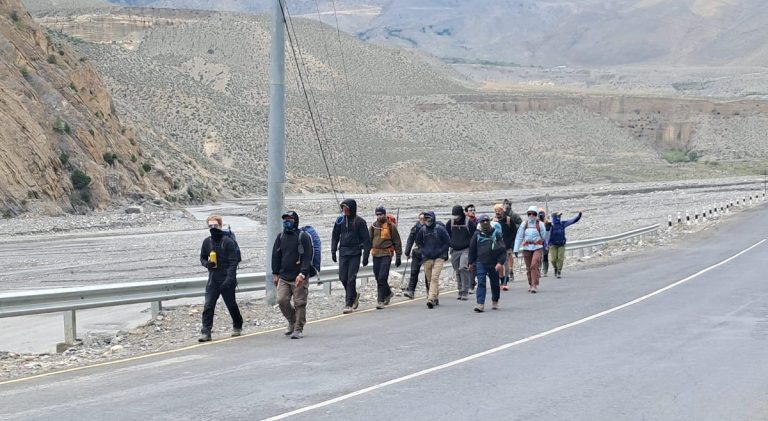
ACAP Chief Dr. Rabin Kadariya said 1,855 foreign tourists obtained permits for 10-day visits to Upper Mustang during the last fiscal year. Each tourist paid a permit fee of US$500 for the 10-day period. Similarly, 2,569 tourists visited Upper Mustang for a single day under the applicable permit arrangement, paying US$50 per person.
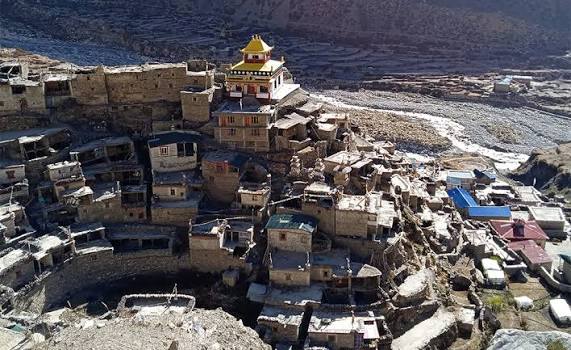
The Nar-Phu area of Manang also attracted a significant number of foreign trekkers. A total of 1,338 tourists obtained seven-day permits to enter the restricted area, paying US$100 per person. Most foreign visitors to both Upper Mustang and Nar-Phu travel primarily for trekking, seeking remote Himalayan landscapes, traditional settlements and distinctive cultural experiences.
Restricted-Area Fees Go to Federal Revenue
The special entry fees for restricted areas are collected through the Department of Immigration rather than directly by the conservation area office. According to Kadariya, revenue collected through the immigration offices from restricted-area permits is deposited into the federal government’s revenue account.
The restricted-area permit system serves both as a regulatory mechanism for managing access to sensitive border and Himalayan regions and as an important source of government revenue. Nepal has designated several areas bordering Tibet as restricted zones, requiring foreign visitors to obtain special permission before entering.
Restricted Areas Generated Rs. 30.17 Crore in 2024/25
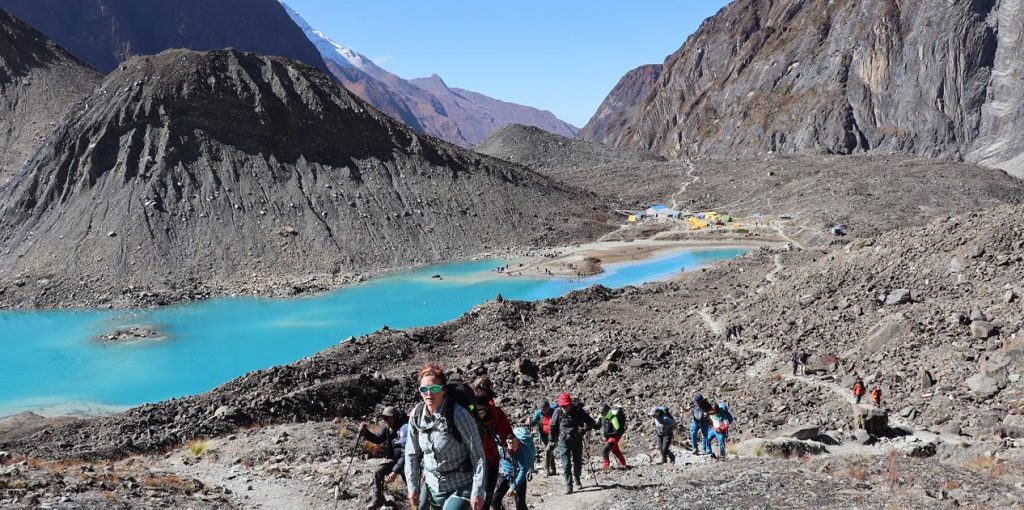
Revenue from foreign tourists visiting restricted areas has remained substantial in recent years. In fiscal year 2024/25 (2081/82), the government collected Rs. 30.17 crore in restricted-area entry fees from foreign visitors. The figure stood at Rs. 23.89 crore in fiscal year 2023/24 (2080/81). The figures demonstrate the economic value of Nepal’s restricted Himalayan destinations, particularly Upper Mustang and Nar-Phu, which have emerged as sought-after destinations among international adventure and cultural travelers.
Overall Foreign Tourist Arrivals in Annapurna Reach Record High
Revenue from the wider Annapurna Conservation Area was significantly higher when regular conservation-area entry fees are included. According to ACAP, Rs. 67.75 crore was collected in entry fees from foreign tourists visiting the Annapurna Conservation Area during the last fiscal year. The increase was driven largely by a record number of foreign visitors entering the conservation area.
A total of 508,476 foreign tourists visited the Annapurna Conservation Area during the fiscal year, including 384,145 visitors from South Asian countries and 124,331 visitors from other countries. Indian tourists accounted for the largest share, with 375,797 Indian nationals visiting the conservation area during the year.
Entry Fees Vary by Tourist’s Nationality
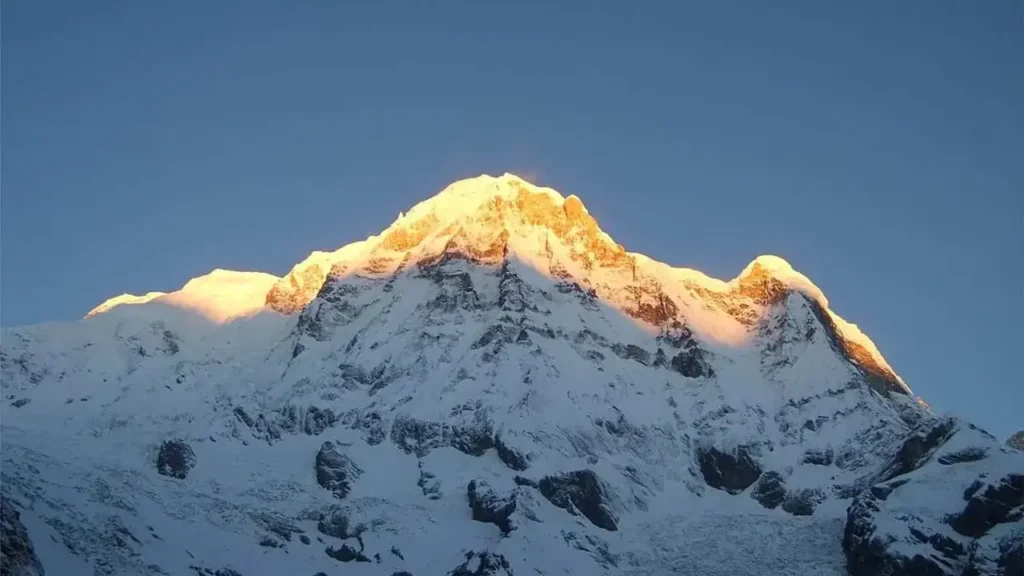
ACAP charges different entry fees based on the nationality of foreign visitors. Tourists from South Asian countries are charged Rs. 1,000, while visitors from other countries are charged Rs. 3,000, including VAT, according to the conservation area project. The substantial rise in foreign tourist arrivals last fiscal year resulted in the highest-ever collection from conservation-area entry fees, according to the project office.
In fiscal year 2024/25, total revenue from tourist entry fees reached Rs. 46.48 crore, compared with Rs. 38.94 crore collected in fiscal year 2023/24. The figures indicate that rising international visitor numbers are translating into increased revenue from Nepal’s protected and restricted tourism destinations.
Revenue Supports Conservation and Tourism Promotion
The revenue collected through tourist entry fees plays an important role in supporting conservation and tourism-related activities in the Annapurna region. According to the project office, income generated through tourist fees and other sources is used for conservation activities, tourism promotion and related programs within the conservation area.
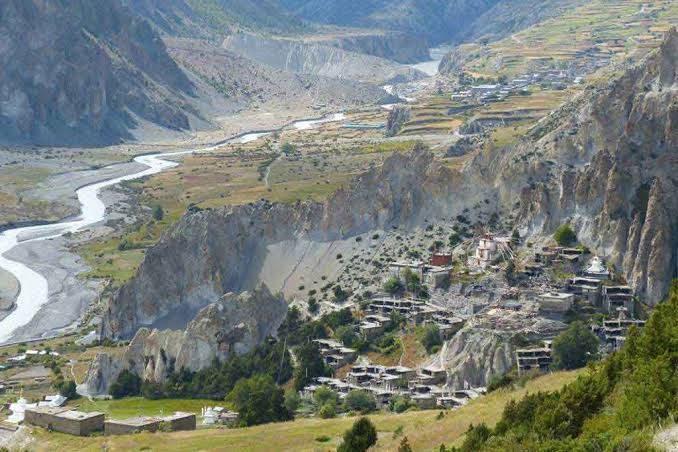
The Annapurna Conservation Area is one of Nepal’s most important trekking regions, covering destinations including Manang, Mustang, Myagdi, Kaski and Lamjung. Its diverse landscapes range from subtropical valleys to high Himalayan terrain, while its cultural attractions include traditional villages, monasteries and indigenous communities.
Balancing Tourism and Conservation
The growing revenue from Upper Mustang, Nar-Phu and the wider Annapurna region highlights the increasing economic importance of Himalayan tourism. At the same time, the restricted status of areas such as Upper Mustang and Nar-Phu reflects the need to carefully manage visitor numbers and protect their fragile natural and cultural environments.
The special permit system allows Nepal to generate tourism revenue while maintaining greater control over visitor movement in sensitive border areas. With foreign tourist arrivals reaching record levels in the Annapurna Conservation Area, the challenge will be to ensure that the growth of trekking tourism continues to generate economic benefits without undermining the natural environment, cultural heritage and communities that make these destinations distinctive.