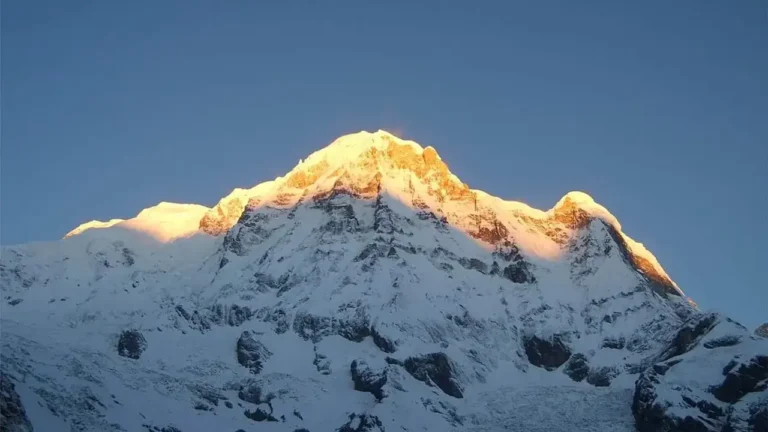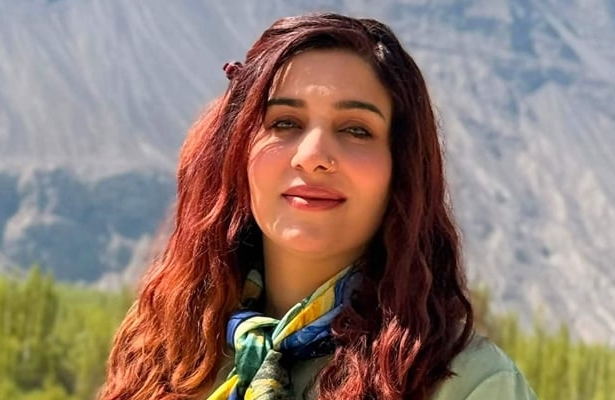
A successful summit of Spantik, a 7,027-meter peak in Pakistan’s Karakoram range, ended in tragedy after Pakistani mountaineer Asma Mushtaq died while descending from the mountain following a serious high-altitude medical emergency. The Alpine Club of Pakistan said Asma Mushtaq had successfully reached the summit and was in good health at that point, but her condition deteriorated during the descent at an altitude of approximately 6,400 meters (21,000 feet). Despite immediate assistance from members of her expedition team, she could not survive.
A successful summit followed by a sudden medical emergency
Asma Mushtaq, 34, had achieved the principal objective of her expedition by reaching the summit of Spantik before beginning the descent. According to the Alpine Club of Pakistan, there was no indication at the summit that she would soon face a life-threatening emergency. The situation changed during the return journey, when Asma Mushtaq developed a serious medical problem at around 6,400 metres. The incident underscores the unpredictable nature of high-altitude mountaineering, where climbers remain exposed to potentially life-threatening conditions even after completing a successful ascent.
The descent is often regarded as one of the most demanding stages of a high-altitude expedition because climbers are already physically exhausted after the summit push. At extreme elevations, reduced oxygen availability can place considerable stress on the body, while fatigue, cold, difficult terrain and changing mountain conditions can make it harder to respond to a sudden medical emergency. In Asma Mushtaq’s case, the emergency occurred well above 6,000 metres, where access to conventional medical facilities is extremely limited, and assistance must be provided directly by the expedition team.

Guides made immediate efforts to save her
Mushtaq was accompanied by mountain guide Akbar Ali and expedition guide Muhammad Amin, who came to her assistance after the emergency developed. The guides provided immediate support while operating in extremely difficult high-altitude conditions. Karakoram Calling Treks, the expedition outfitter, said the guides made every possible effort to assist and protect Mushtaq, but she ultimately could not survive.
The response highlights the importance of experienced guides during high-altitude expeditions. At elevations above 6,000 meters, an emergency can quickly become critical, while difficult terrain and the remoteness of climbing routes can make evacuation particularly challenging. Guides are therefore responsible not only for helping climbers navigate the mountain but also for responding to emergencies when a member of an expedition suddenly becomes incapacitated. The efforts made by Ali and Amin also demonstrate the difficult circumstances under which mountain rescue assistance is often carried out in the Karakoram.
Spantik presents demanding high-altitude challenges
Rising to 7,027 meters, Spantik, also known as Golden Peak, is one of the prominent high-altitude mountaineering destinations in Pakistan’s Karakoram region. The mountain attracts climbers looking to undertake demanding expeditions in one of the world’s great mountain environments. Its elevation places climbers in an environment where oxygen levels are significantly lower than at sea level, making acclimatization and careful expedition management essential.
Spantik’s appeal is closely connected with the wider development of mountaineering and adventure tourism in northern Pakistan. Expeditions to the Karakoram bring international and domestic climbers into remote mountain areas and require the involvement of guides, expedition operators, porters and other support personnel. However, the same mountains that make the region attractive to adventure travelers also present serious hazards, including extreme altitude, severe weather, difficult terrain and other mountain-related risks.
The danger does not end at the summit
Asma Mushtaq’s death demonstrates an important reality of high-altitude climbing: reaching the summit is only part of the expedition. A climber may complete the ascent but still face significant danger while descending. Physical exhaustion after a summit push can affect concentration and movement, while the effects of prolonged exposure to extreme altitude can continue or worsen during the return.
High-altitude illness is associated with oxygen deprivation and can affect climbers in serious ways. The specific medical diagnosis in Asma Mushtaq’s case has not been established in the information available, so it would be inappropriate to state that a particular form of altitude sickness caused her death. What is confirmed is that she suffered a serious high-altitude medical emergency at approximately 6,400 meters and died despite the efforts of her guides.
Asma Mushtaq was an experienced mountaineer
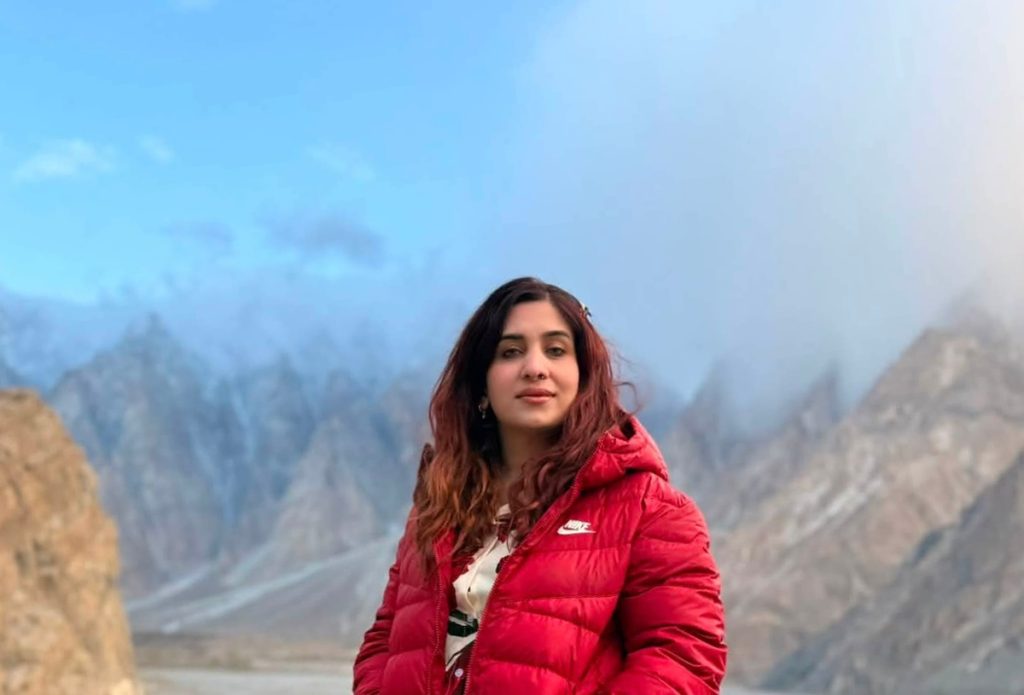
Asma Mushtaq’s interest in mountaineering extended beyond the Spantik expedition. Reports said she was originally from Lahore and worked in Britain as a doctor specializing in obstetrics and gynaecology. Alongside her medical career, she pursued travel, mountaineering and adventure activities and documented some of her experiences through social media. She had previously completed a winter ascent of Musa Ka Musallah, a 4,076-metre peak, and was associated with expeditions in the Rupal and Arandu regions. Her background illustrates the growing involvement of professionals from different fields in high-altitude adventure, where mountaineering has become both a sporting pursuit and a major component of mountain tourism across the wider Himalayan and Karakoram regions.
A loss for Pakistan’s mountaineering community
The Alpine Club of Pakistan expressed grief over Asma Mushtaq’s death and paid tribute to her courage and commitment to the demanding expedition. The organization also acknowledged the efforts of the guides who remained with her and attempted to assist in extremely challenging conditions. The club extended condolences to her family, friends, and members of the wider mountaineering community.
Asma Mushtaq’s death comes during Pakistan’s summer climbing season, when mountaineers and trekkers travel to the country’s high-altitude mountain regions. The Karakoram is an important part of Pakistan’s adventure tourism industry, attracting climbers from around the world to peaks that combine exceptional natural scenery with demanding expedition conditions. Tragic incidents such as this, however, serve as a reminder that the growth of mountain tourism must go hand in hand with strong safety practices, experienced expedition personnel and appropriate emergency preparedness.
High altitude safety remains central to mountain tourism
The incident also draws attention to the wider safety challenges facing the international mountaineering industry. High altitude expeditions require careful preparation before climbers even begin their summit attempts. Acclimatization, physical preparation, appropriate equipment, experienced guides and contingency planning are particularly important when operating at elevations above 6,000 meters, where medical assistance can be difficult to access quickly.

For destinations such as the Karakoram, maintaining a balance between adventure tourism and expedition safety is essential. The mountains attract visitors precisely because of their remoteness and demanding character, but that remoteness also increases the consequences of an emergency. Strong guide support, responsible expedition planning and awareness of changing physical conditions can help reduce risks, although they cannot eliminate the inherent dangers of climbing at extreme altitude.
A tragic reminder of the risks behind summit achievements
Asma Mushtaq’s final expedition reflects both sides of high altitude mountaineering: the extraordinary achievement of reaching a 7,027-metre summit and the severe risks that remain even after that goal has been accomplished. She reached the summit in good health but suffered a fatal medical emergency during the descent, despite the immediate efforts of the people accompanying her.
Her death is therefore not simply an isolated mountaineering tragedy. It is a reminder to the international climbing community that a successful summit can never be considered complete until climbers return safely. As Pakistan continues to promote its Karakoram peaks as destinations for mountaineering and adventure tourism, incidents such as Asma Mushtaq’s highlight the importance of treating safety, preparedness and responsible expedition management as fundamental parts of the mountain tourism experience.