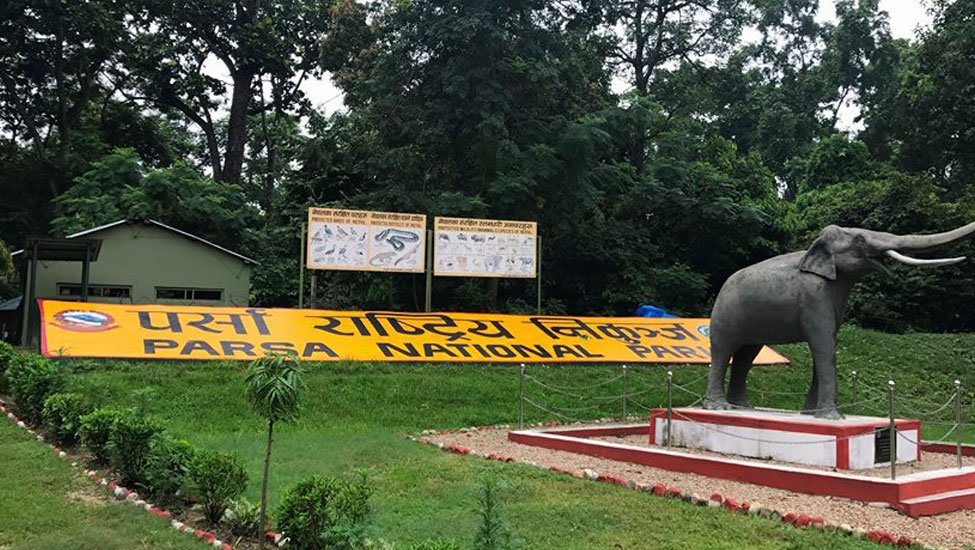
Parsa National Park has initiated the process of obtaining Conservation Assured | Tiger Standards (CA|TS) certification to strengthen tiger conservation and bring park management in line with international standards. The move comes after a significant increase in the park’s tiger population. According to tiger census data, Parsa National Park was home to 41 adult tigers in 2022, while the latest census conducted in 2026 recorded 71 adult tigers. The increase represents a major achievement in tiger conservation efforts in the park. The CA|TS process is expected to help ensure that the growing tiger population is supported by sustainable habitat management, adequate prey availability, effective protection measures, scientific monitoring, and stronger community participation.
CA|TS Workshop Held at Parsa National Park
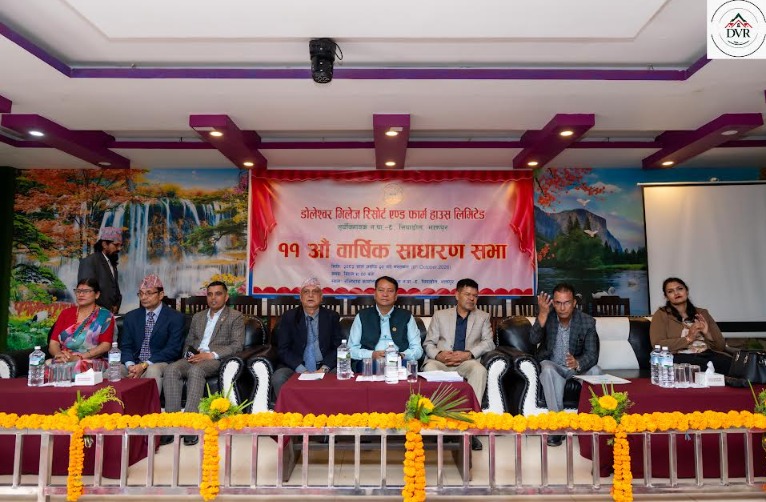
As part of the initiative, the Department of National Parks and Wildlife Conservation organized a CA|TS workshop at the premises of Parsa National Park. The workshop was attended by Department Senior Ecologist Haribhadra Acharya, Parsa National Park Chief Conservation Officer Ram Chandra Khatiwada, representatives from ZSL Nepal, buffer zone management committees, security agencies, park employees, members of local consumer committees and other stakeholders.

The workshop focused on preliminary preparations for CA|TS certification, including self-assessment, identifying areas for management improvement, evidence collection and strengthening coordination among stakeholders. According to Chief Conservation Officer Khatiwada, the discussions were aimed at preparing the park for the various stages of the CA|TS process while identifying measures required to further improve tiger conservation and management.
Focus on Habitat, Prey and Tiger Protection
Khatiwada said the increase in the tiger population from 41 in 2022 to 71 in 2026 is a significant conservation achievement. However, he stressed that the growing tiger population has also created a greater responsibility to ensure the safety and well-being of both wildlife and local communities.
He emphasized the need to create an environment in which communities living around the park can directly benefit from conservation efforts. Such benefits, he said, would encourage greater local support and strengthen partnerships in wildlife conservation. Under the CA|TS process, the park will prioritize habitat and prey-species protection, prevention of poaching and hunting, smart patrolling, human-tiger conflict management, scientific monitoring and community participation.
Tiger Numbers Alone Do Not Measure Conservation Success
Senior Ecologist Acharya said an increase in tiger numbers alone cannot be considered sufficient evidence of successful conservation. He emphasized the importance of continuously improving the quality of tiger habitat, ensuring adequate food and prey availability, strengthening security and maintaining effective overall management.
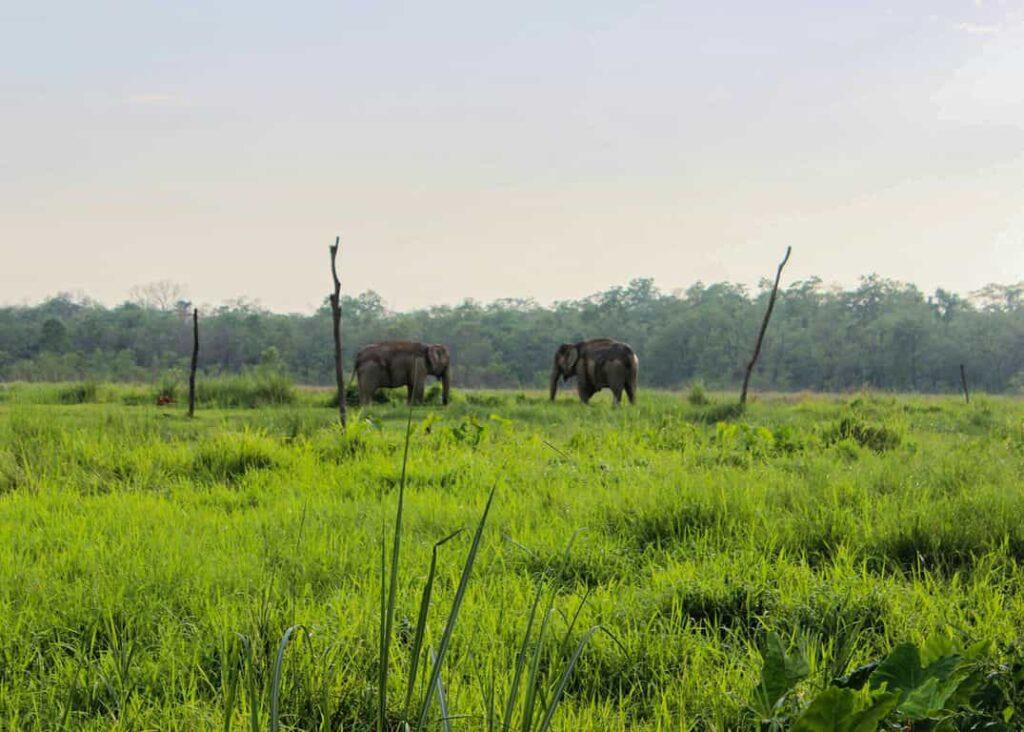
According to Acharya, CA|TS will assess the park’s entire tiger conservation management system against internationally recognized standards rather than focusing solely on the number of tigers. He described the certification process as an opportunity for Parsa National Park to introduce and strengthen a systematic conservation management framework.
Strengthening Human-Tiger Coexistence
Acharya also highlighted the importance of human-tiger coexistence, community security, awareness and participation. He suggested linking the park’s “Friends of the Tiger” campaign with the CA|TS process to make community engagement and human-tiger coexistence initiatives more effective.
Stakeholders participating in the workshop emphasized that CA|TS should not be treated merely as a process for obtaining certification. Instead, they called for it to be developed as a joint conservation campaign involving the park, buffer zone communities, security agencies, conservation partners, and local communities.
CA|TS to Assess Overall Conservation Management
The CA|TS framework will assess a broad range of aspects related to tiger conservation, including tiger habitat, prey availability, protection measures, management practices, scientific monitoring, community participation, human-tiger conflict, tourism and the long-term status of tiger populations.

The next stages will include registration, self-assessment, preparation of improvement plans, compilation of compliance-related documents, national review, independent evaluation and international decision-making. Throughout the process, the park will focus on strengthening conservation measures and addressing areas requiring improvement.
Conservation Success Depends on Communities and Healthy Habitats
Khatiwada said conservation success should not be measured simply by whether the park receives a CA|TS certificate. He stressed that the ultimate objective is to ensure that tigers remain safe, forests remain healthy, and local communities become secure and active partners in conservation. With the tiger population in Parsa National Park increasing significantly in recent years, the CA|TS certification process is expected to make conservation management more scientific, systematic and internationally aligned while strengthening cooperation between the park and communities living around it.