BRICS tourism ministers and delegates explored Jaipur’s renowned heritage landmarks on Saturday, visiting Hawa Mahal, City Palace and Amber Fort as part of the cultural program associated with India’s 2026 BRICS Chairship. The visit followed the conclusion of the formal BRICS Tourism Ministers’ Meeting on August 21, allowing international delegates to experience the architecture, royal heritage and traditional craftsmanship that define Jaipur, widely known as the Pink City. The heritage program placed the city’s historic attractions alongside the wider tourism cooperation agenda discussed during the ministerial meeting.
Hawa Mahal Reflects Jaipur’s Architectural Character
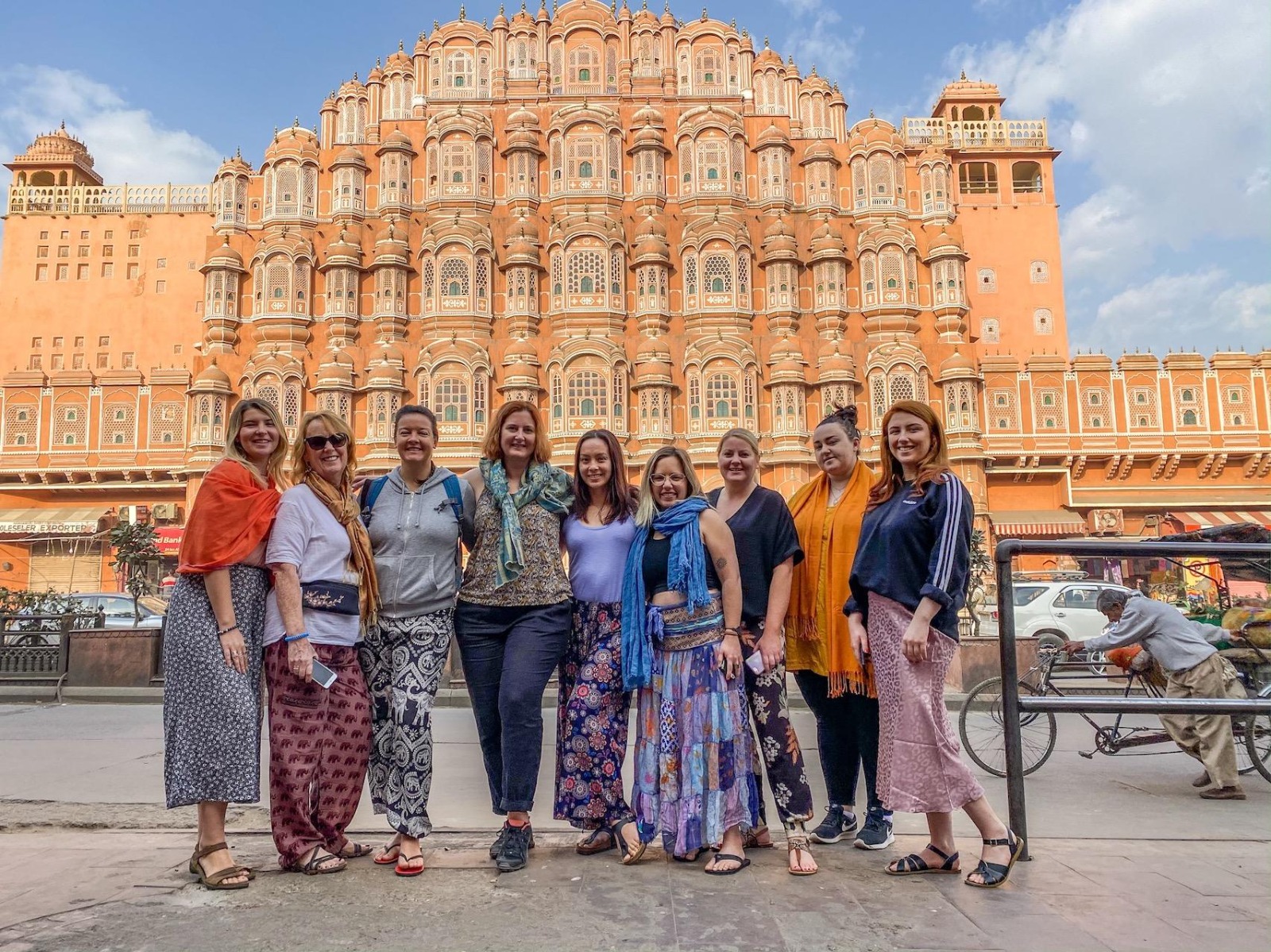
The delegates visited Hawa Mahal, one of its most recognizable monuments, built in 1799 by Maharaja Sawai Pratap Singh. The five-story structure is distinguished by its elaborate façade and numerous jharokhas, which historically enabled women of the royal household to observe street life while remaining screened from public view. Its distinctive design and ventilation system have made the monument an enduring symbol of Jaipur’s architectural identity. Jaipur’s historic city was inscribed on the UNESCO World Heritage List in 2019, recognizing its planned 18th-century urban development and distinctive combination of architectural and cultural traditions.
City Palace Showcases Jaipur’s Royal Legacy
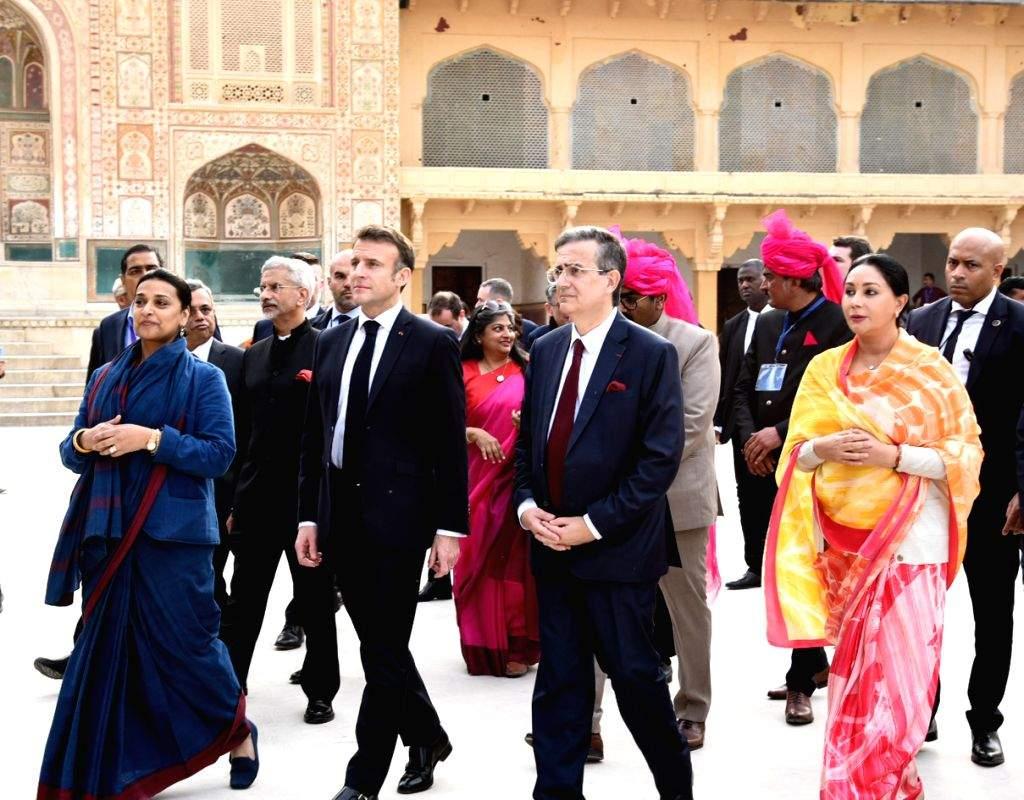
At the City Palace, delegates experienced a major centre of its royal and cultural history. Initiated under Maharaja Sawai Jai Singh II, the founder of Jaipur, the complex combines Rajput and Mughal architectural influences and contains courtyards, palaces, galleries and museums associated with the former royal household. Its architecture, collections and continuing cultural significance offer visitors a direct connection with Jaipur’s royal traditions and the craftsmanship that developed around the historic court.
Amber Fort Highlights Rajput Mughal Heritage
The program also included Amber Fort, or Amer Fort, located about 11 kilometers from central Jaipur. Built largely with sandstone and marble, the hilltop complex is known for its grand courtyards, palace structures, Diwan-i-Aam and Sheesh Mahal.
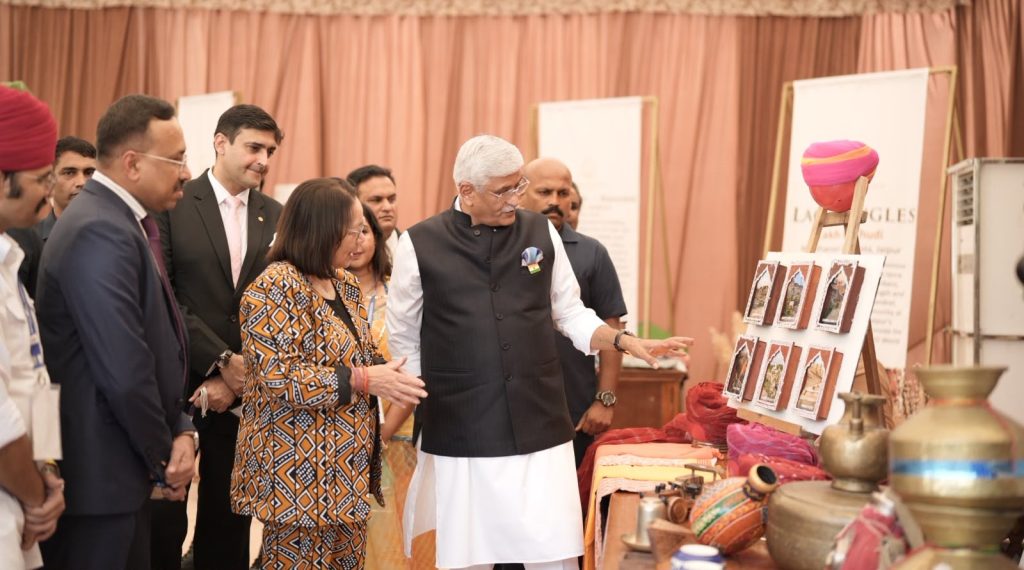
Amber forms part of the UNESCO World Heritage-listed Hill Forts of Rajasthan, recognised for demonstrating the military, architectural and cultural traditions of Rajput kingdoms and the development of Rajput Mughal court architecture.
Heritage Strengthens Tourism Diplomacy
The August 22 program brought the policy discussions of the BRICS Tourism Track into direct contact with its living heritage. Through Hawa Mahal, City Palace and Amber Fort, delegates encountered the city’s royal architecture, historical traditions and craftsmanship, while the broader BRICS agenda placed emphasis on sustainable and responsible tourism and the protection of cultural heritage. The heritage experience therefore served as a cultural extension of India’s BRICS tourism diplomacy, showcasing Jaipur as a destination where historic assets, cultural traditions and modern international tourism cooperation intersect.
Jaipur Heritage Programme Concludes BRICS Tourism Engagement
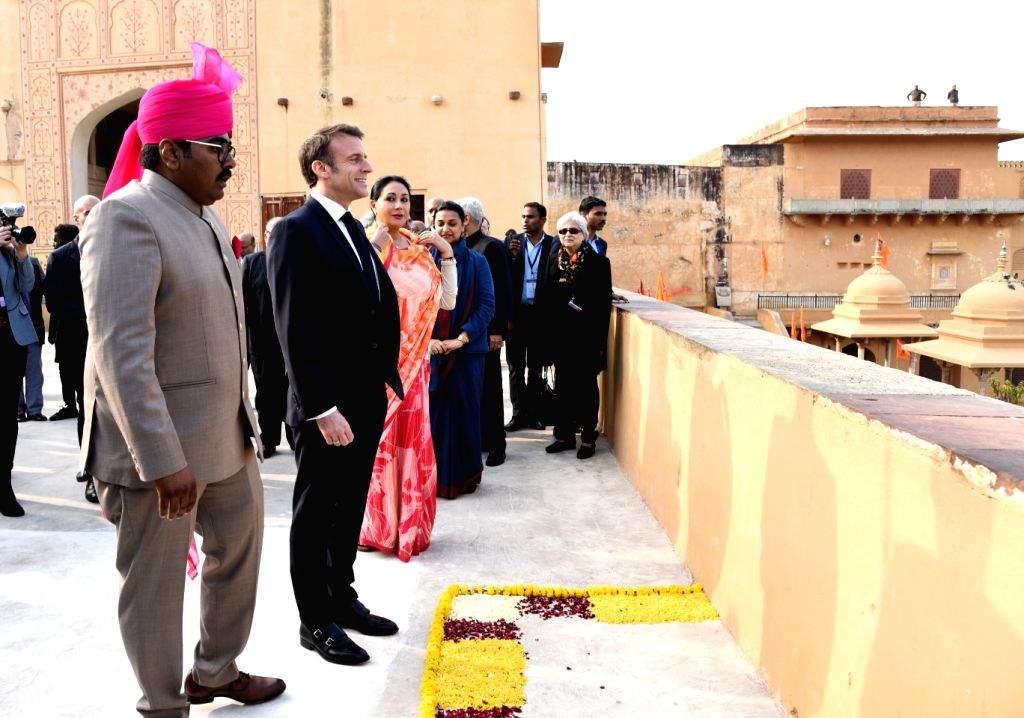
The August 22 heritage program brought the BRICS tourism engagement in Jaipur to a close, giving ministers and delegates an opportunity to experience the city’s historic and cultural identity beyond the formal discussions of the ministerial meeting. During the program, the delegates visited Hawa Mahal, City Palace and Amber Fort, three of Jaipur’s most prominent heritage attractions, where they explored the city’s royal architecture, historic craftsmanship and centuries-old cultural traditions. The visit also highlighted its importance as a major heritage tourism destination and provided an opportunity for the participating countries to experience India’s cultural diversity firsthand.
The concluding program connected the international tourism discussions with the real destination experience, allowing delegates to see the heritage resources that form an important part of India’s tourism appeal. From the distinctive architecture of Hawa Mahal and the royal legacy of City Palace to the imposing hilltop setting and Rajput-Mughal heritage of Amber Fort, the visit presented different aspects of Jaipur’s cultural landscape. The program thus ended the BRICS tourism engagement on a strong cultural note, showcasing Jaipur’s royal heritage, architecture, craftsmanship and living traditions to international tourism leaders and delegates.