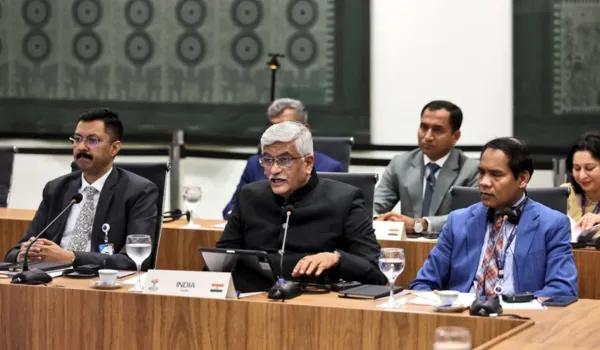
Tourism Ministers of the BRICS member states have adopted the BRICS Tourism Ministers’ Communiqué 2026, known as the Jaipur Declaration, establishing a framework for stronger cooperation in tourism, sustainable development, digital innovation and people-to-people connectivity. The declaration was adopted by consensus at the BRICS Tourism Ministers’ Meeting in Jaipur under India’s 2026 BRICS Chairship. The meeting concluded the year’s BRICS Tourism Track, held under the theme “Building for Resilience, Innovation, Cooperation and Sustainability.”
Four Key Priorities for BRICS Tourism Cooperation
The Jaipur Declaration is based on discussions held through the BRICS Tourism Working Group and focuses on four major areas: artificial intelligence and tourism; sustainable and responsible tourism; tourism skills and capacity building; and tourism exchanges and seamless travel facilitation. BRICS countries agreed to explore the responsible use of AI and digital technologies in tourism planning, destination management, visitor services, multilingual communication and travel facilitation. The ministers stressed that technological development should remain safe, responsible and human-centred.
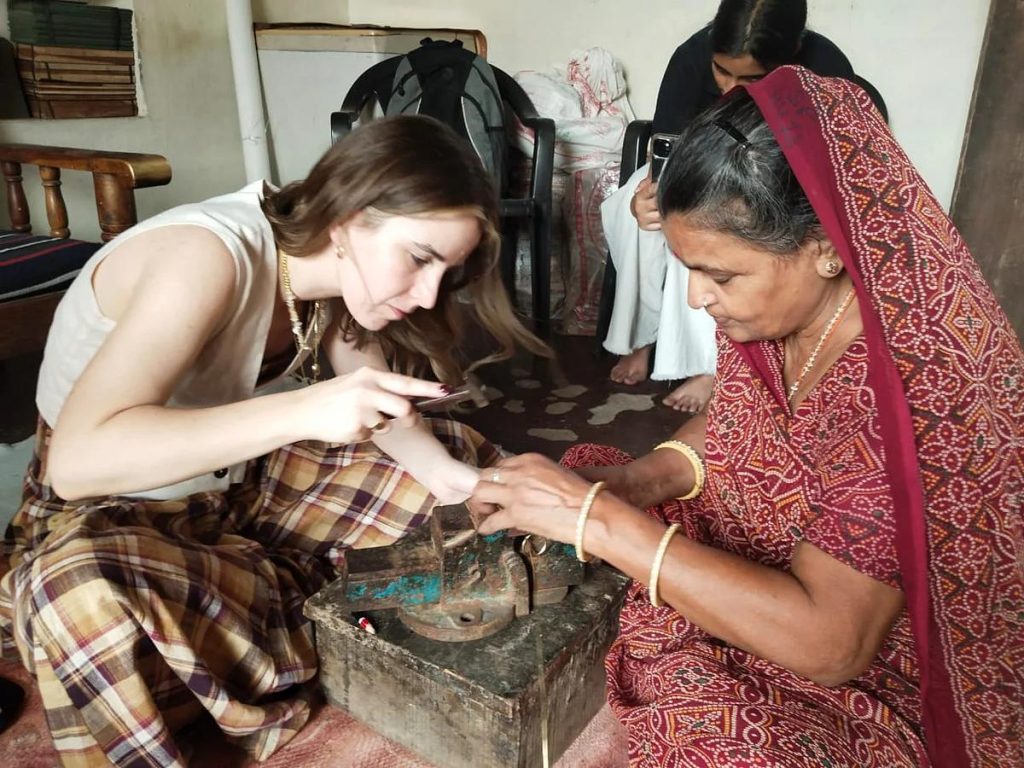
The declaration also places strong emphasis on community-based tourism, environmental protection and preservation of cultural heritage. It encourages greater tourism investment, infrastructure development and diversification of tourism products so that local communities can benefit more directly from tourism growth. Workforce development is another key area, with the member states supporting continuous training and upskilling of tourism professionals, as well as stronger partnerships between educational institutions and the tourism industry. The countries also highlighted the importance of sharing tourism data, statistics and best practices to improve planning and policymaking.
Tourism Seen as a Driver of Inclusive Growth and Cultural Exchange
Addressing the meeting, India’s Union Minister for Culture and Tourism Gajendra Singh Shekhawat highlighted tourism’s contribution to India’s Viksit Bharat 2047 vision. He said tourism has the potential to distribute economic opportunities beyond major cities and into towns, villages and remote areas, creating livelihoods for hotel and homestay operators, transport providers, guides, artisans, weavers, farmers, entrepreneurs and other communities. Shekhawat also emphasized tourism’s role in bringing people and cultures closer together. He described tourism as a means of creating economic opportunities while encouraging cultural exchange and mutual understanding between countries and communities.
Nine BRICS Members and Bilateral Tourism Engagements
Representatives from nine BRICS member states participated in the Tourism Ministers’ Meeting. Ministerial-level participation came from Brazil, Iran, South Africa and the United Arab Emirates, while China, Ethiopia, Indonesia and Russia were represented by heads of delegation. India also held separate bilateral discussions with Brazil, Iran, South Africa and the UAE on the sidelines of the meeting. The talks provided an opportunity to explore ways of expanding tourism cooperation with the respective countries.
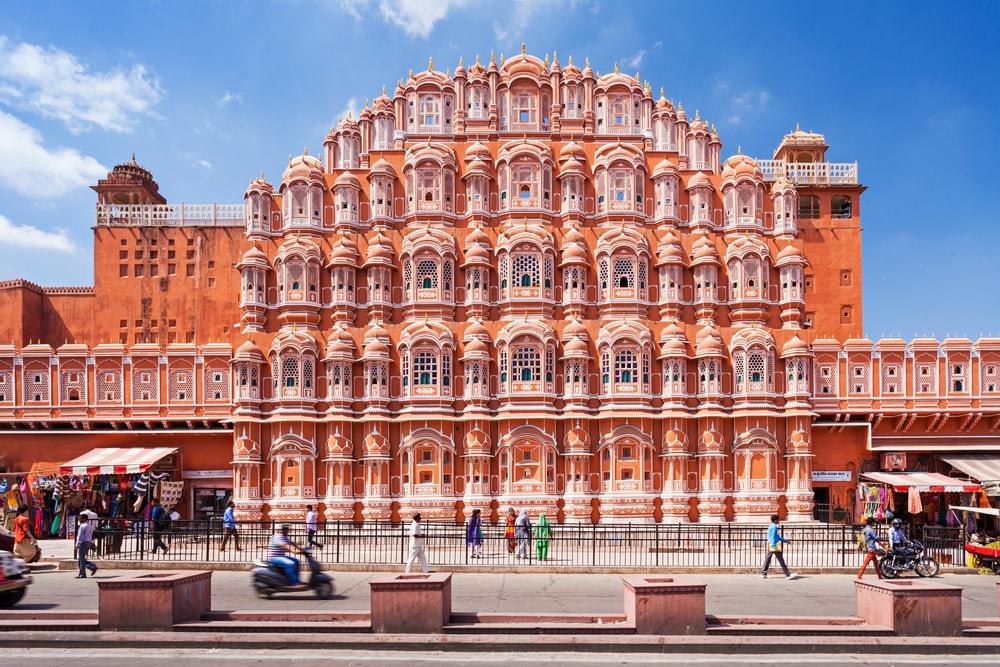
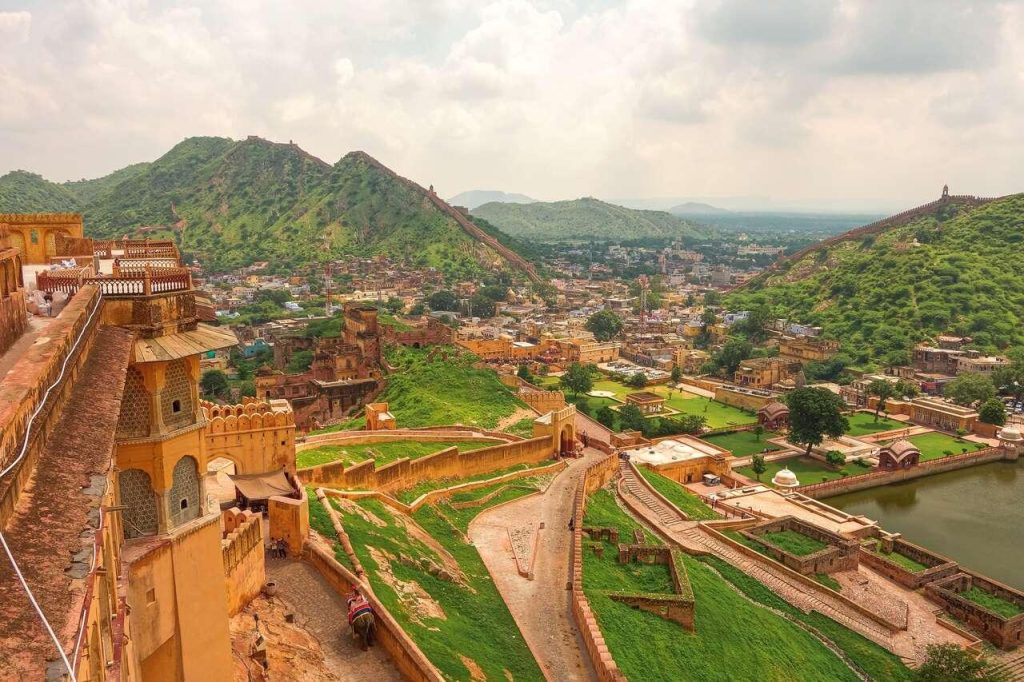
The meeting also featured cultural and tourism experiences showcasing Jaipur’s traditional arts, crafts and community-based tourism initiatives. Ministers and delegates were scheduled to visit major heritage attractions including Hawa Mahal, City Palace and Amber Fort, offering them an opportunity to experience the city’s architectural and cultural heritage.
Jaipur Declaration Sets a Broader Tourism Agenda
The adoption of the Jaipur Declaration marks a step toward building a more resilient, innovative, sustainable and inclusive tourism sector across BRICS countries. By bringing together digital transformation, sustainable tourism, skills development, data sharing and easier travel, the declaration provides a broad platform for future cooperation.
The agreement also recognizes that tourism extends beyond economic activity. Through stronger cooperation and travel exchanges, BRICS countries aim to create opportunities for investment, employment, cultural interaction, and closer people-to-people connections, while ensuring that tourism development remains responsible and benefits local communities.