The Trekking Agencies’ Association of Nepal (TAAN) has submitted recommendations on the draft Tourism Act, calling for stronger legal provisions to regulate, protect and promote trekking, mountaineering and adventure tourism in Nepal.
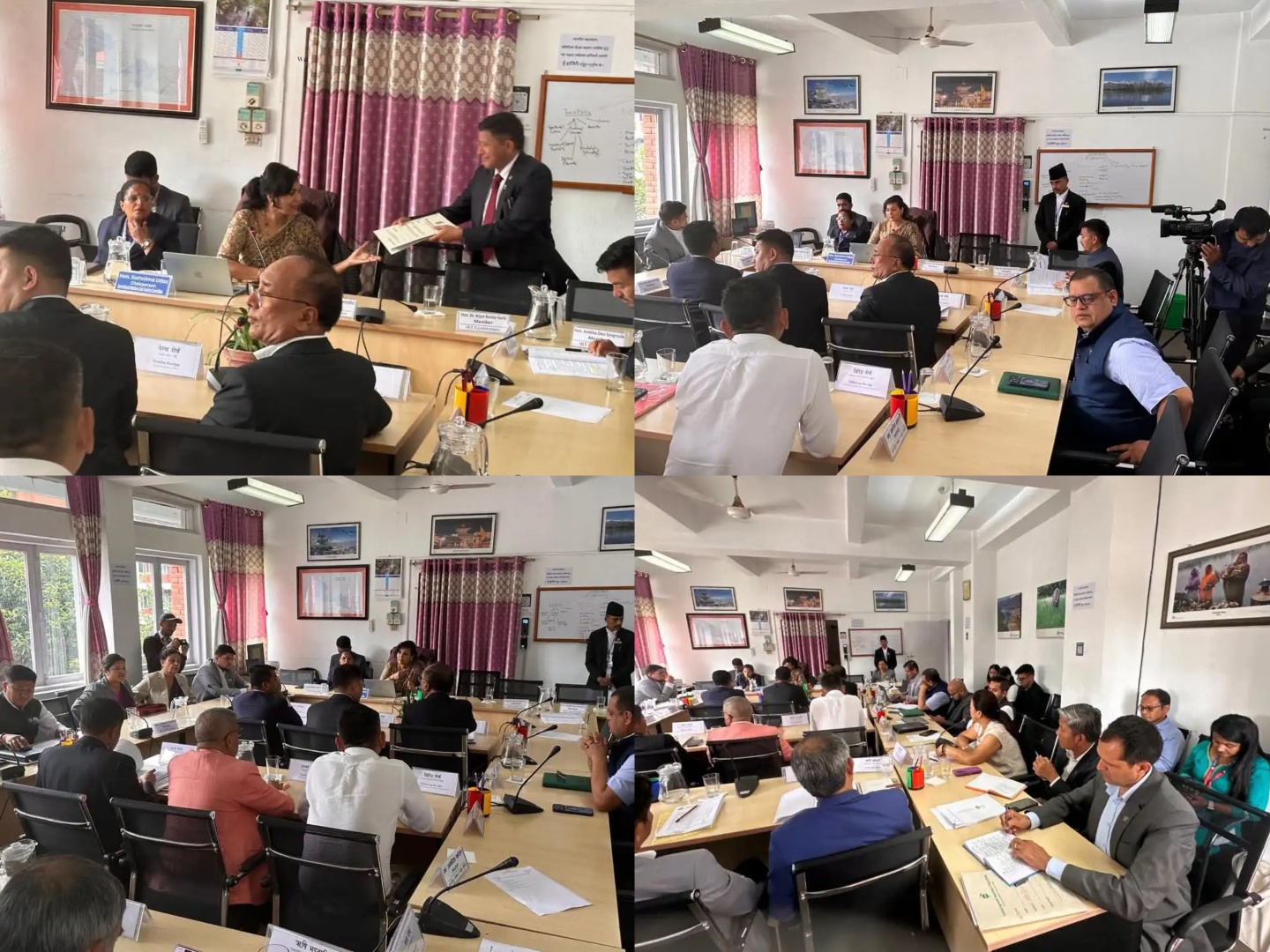
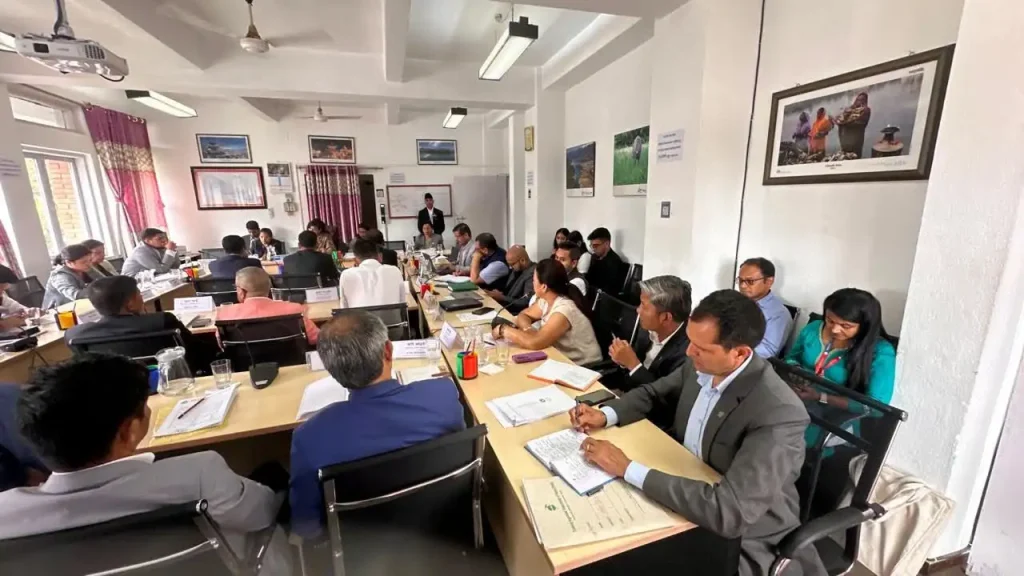
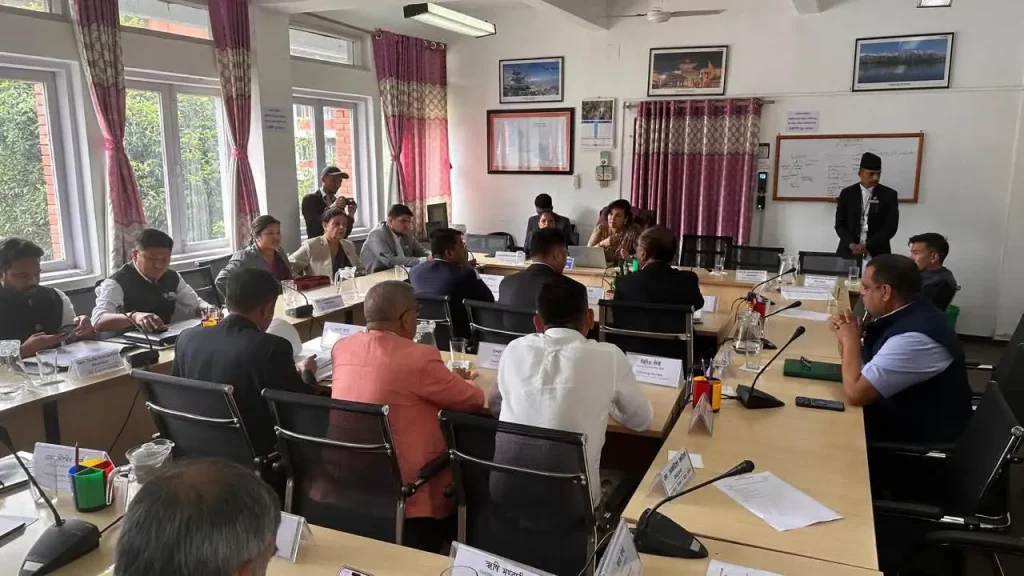
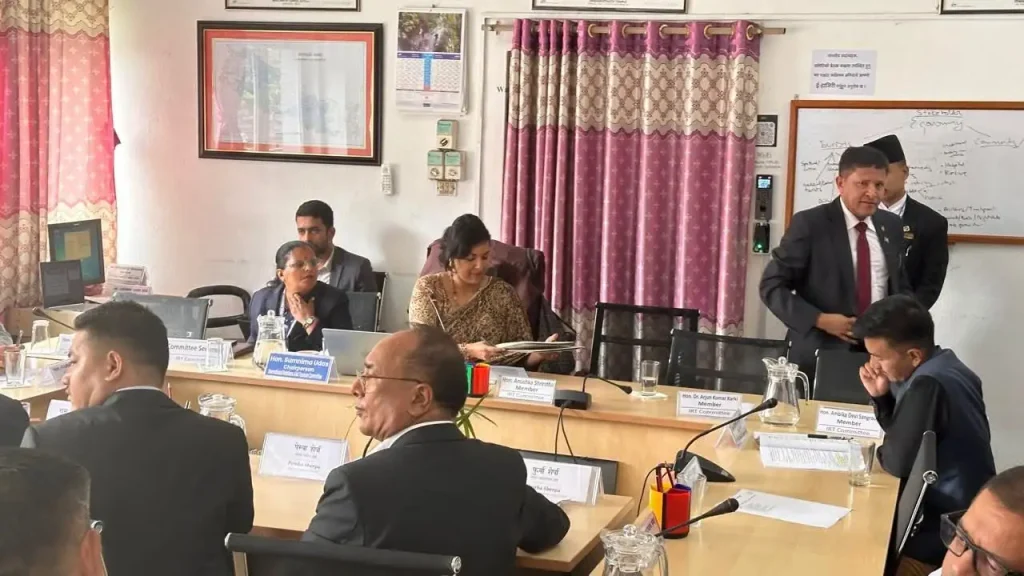
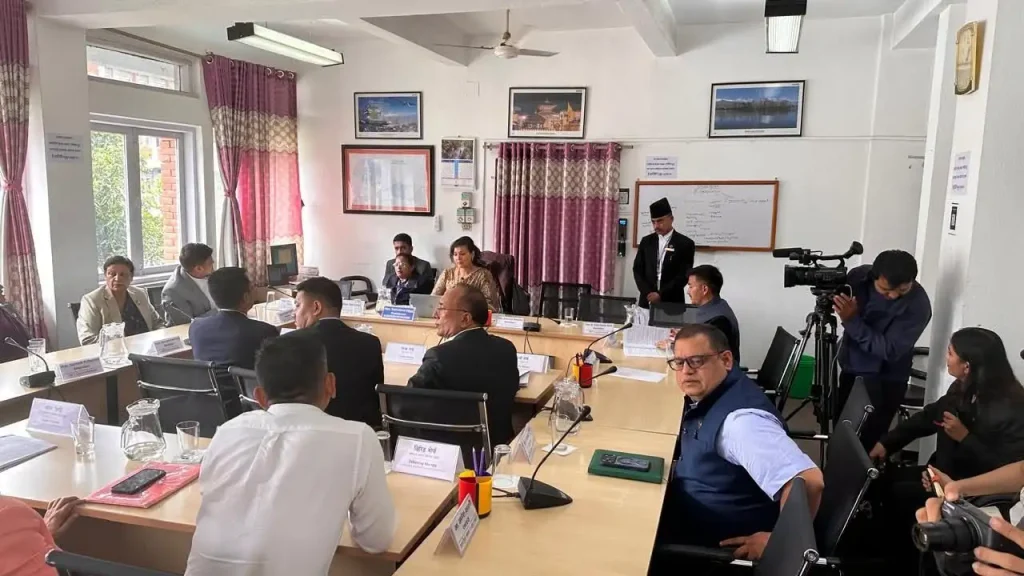
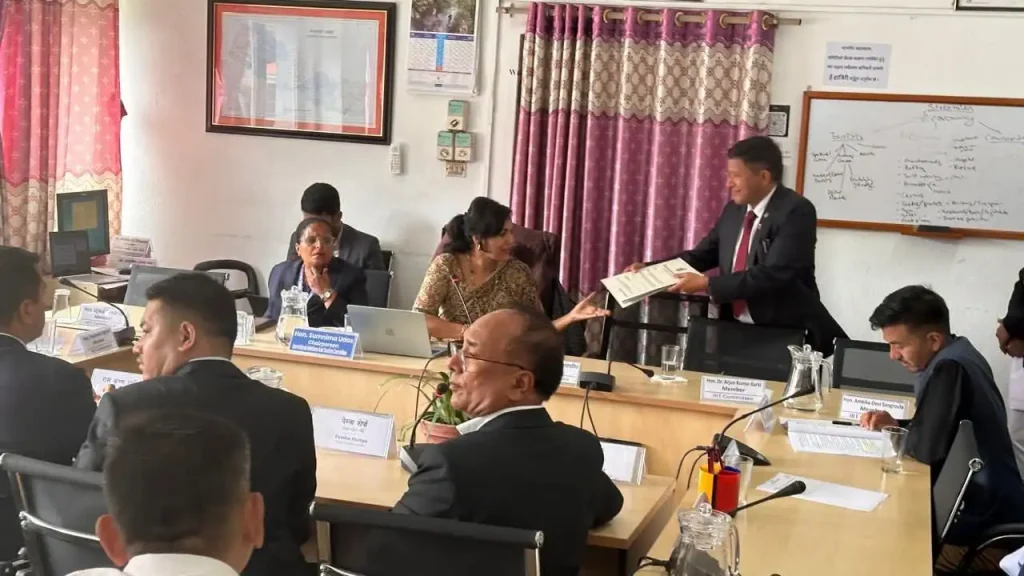
The recommendations were presented on August 24, 2026, at a meeting of the International Relations and Tourism (IRT) Committee of the Federal Parliament of Nepal. TAAN President Sagar Pandey presented the association’s feedback on behalf of the trekking and adventure tourism sector.
Addressing IRT Committee Chair Sumnima Udas and committee members, Pandey highlighted the significant contribution of trekking tourism to Nepal’s foreign exchange earnings, government revenue and employment.
TAAN Seeks Separate Chapter for Trekking Tourism
TAAN has urged the committee to introduce a separate chapter dedicated to trekking tourism in the proposed Tourism Act.
The association argued that trekking is one of Nepal’s most important tourism products and requires a dedicated legal framework covering trekking operations, trail protection, guide licensing, visitor safety and industry regulation.
TAAN also called for the legal recognition and protection of trekking trails across the country. It emphasized that established trekking routes should be protected from encroachment and unmanaged infrastructure development to ensure their long-term sustainability and accessibility.
Mandatory Registered Agencies and Licensed Guides
Another major recommendation is to ensure that trekking and other adventure tourism activities are operated through government-registered agencies and supported by licensed and qualified guides.
TAAN has called for clear provisions to prevent unauthorized individuals and businesses from conducting trekking and adventure activities without meeting government requirements.
The association also proposed stronger monitoring mechanisms to identify and control illegal trekking operations, arguing that unregulated activities can compromise tourist safety, undermine legitimate businesses and result in revenue leakage.
Focus on Safety, Insurance and Worker Welfare
TAAN has also emphasized the need to strengthen provisions related to the safety and welfare of trekkers and tourism workers.
The association proposed appropriate insurance provisions and the establishment of a welfare fund for workers involved in trekking and adventure tourism. Such measures, according to TAAN, would provide greater protection to guides, porters and other workers who operate in challenging mountain environments.
The association has called for the proposed Tourism Act to establish clear responsibilities and mechanisms for protecting both visitors and workers involved in adventure tourism activities.
Trekking Tourism Generates Major Economic Benefits
According to TAAN, trekking tourism plays a substantial role in generating employment and foreign exchange for Nepal.
The association estimates that around 300,000 international tourists and 200,000 SAARC nationals participate in trekking-related travel in Nepal, with visitors typically staying between seven and 25 days.
Trekking activities are estimated to generate approximately 300,000 direct jobs and 200,000 indirect jobs along trekking corridors, providing livelihoods for communities and workers in mountain tourism destinations.
TAAN estimates the potential foreign exchange contribution of trekking tourism, including lost foreign exchange, at around Rs. 69 billion. Of this, approximately Rs. 54 billion is attributed to international visitors based on an average package cost of around US$1,200, while SAARC visitors are estimated to contribute around Rs. 15 billion, based on an average package cost of US$500.
The association has also estimated package revenue, including lost revenue, at approximately Rs. 10.25 billion.
Stakeholders Present Recommendations
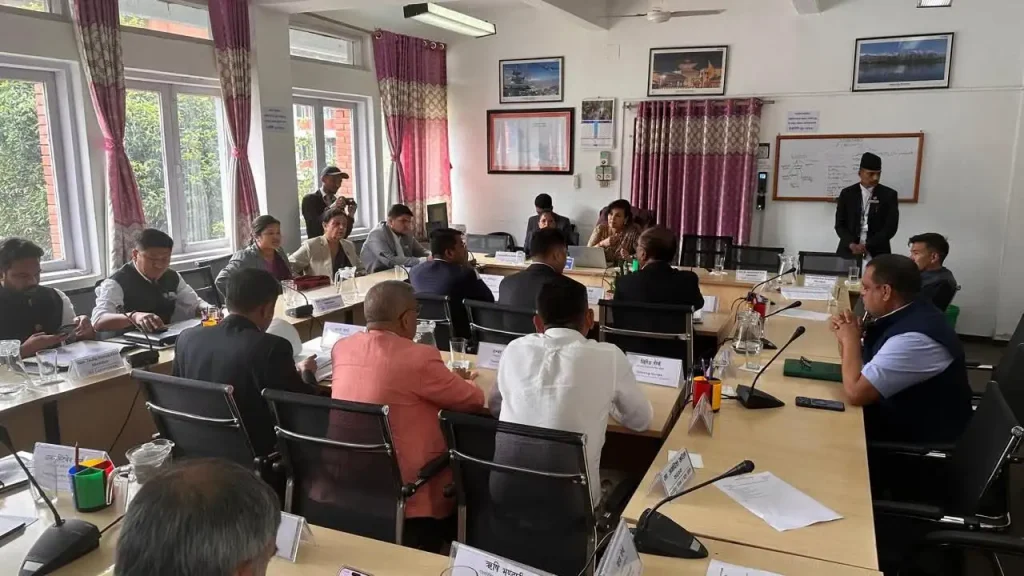
The IRT Committee meeting also brought together representatives from various government bodies and tourism organizations to discuss the draft legislation.
Department of Tourism Director General Ram Krishna Lamichhane, Nepal Tourism Board Member Pemba Sherpa, and representatives from the Nepal Mountaineering Association (NMA), Hotel Association of Nepal (HAN), Expedition Operators Association (EOA), Nepal National Mountain Guides Association (NNMGA) and Sagarmatha Pollution Control Committee (SPCC) also presented their recommendations.
Their feedback focused on provisions related to mountaineering, trekking, expedition operations and other adventure tourism activities.
Committee Members Pledge to Address Industry Concerns
IRT Committee members, including Dr. Dhananjaya Regmi and Mingma David Sherpa, appreciated the recommendations presented by stakeholders from Nepal’s mountain tourism sector.
The committee members assured the participants that genuine concerns and practical recommendations raised by tourism stakeholders would be considered while finalizing the draft Tourism Act.
The discussions are expected to contribute to the development of a more comprehensive legal framework for Nepal’s trekking, mountaineering and adventure tourism sectors, which remain key components of the country’s tourism industry.