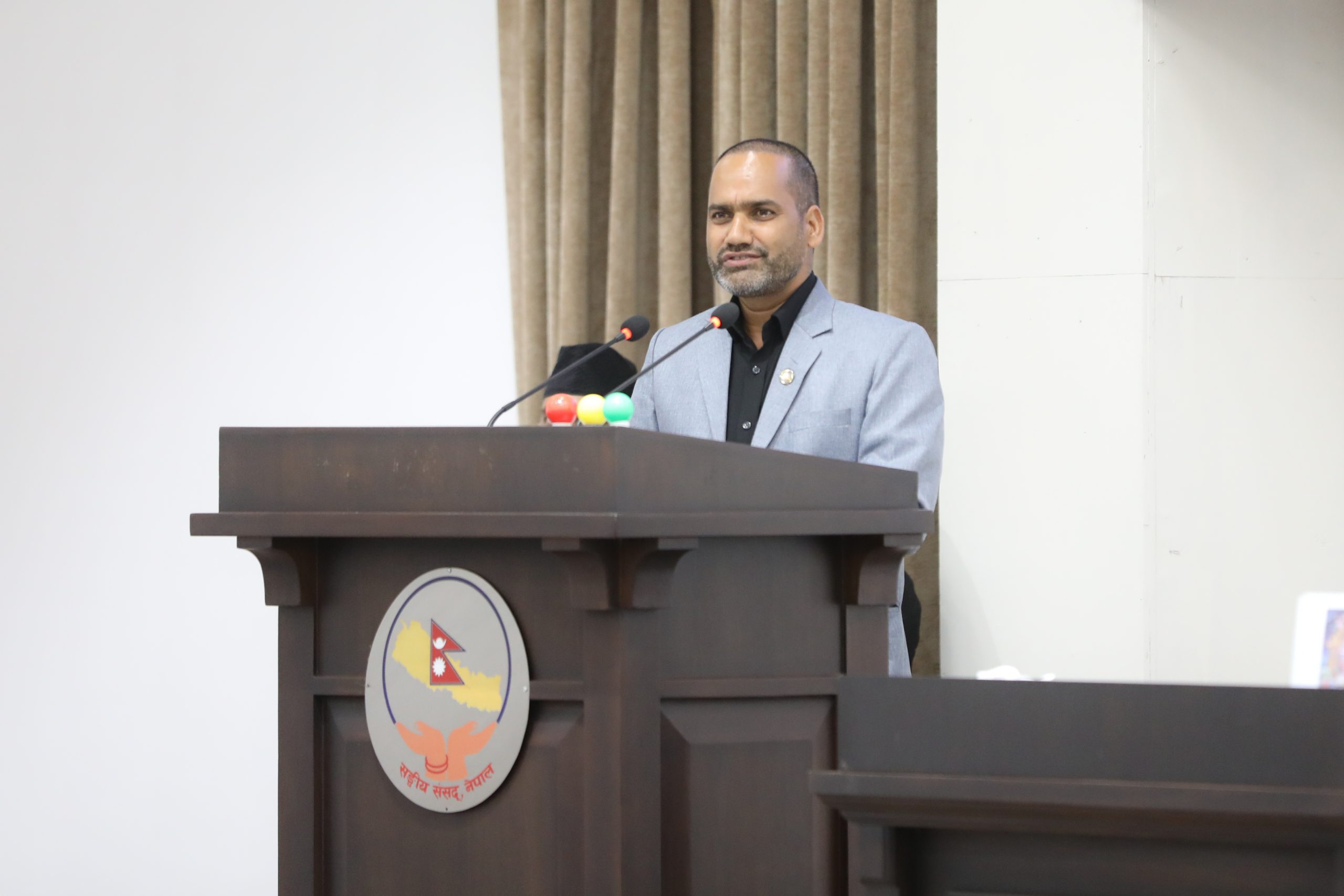
Nepal’s tourism sector has suffered an estimated loss of more than Rs 50 billion as a result of the devastating floods in Rasuwa, according to Minister for Culture, Tourism and Civil Aviation Khadak Raj Paudel. Presenting the preliminary assessment during a meeting of the International Relations and Tourism Committee on Wednesday, the minister said the disaster had caused extensive damage across tourism-related businesses, infrastructure and cultural heritage. He added that the government has already asked businesses and stakeholders from different sectors to collect detailed information about their individual losses and submit reports, which will help authorities develop a more comprehensive picture of the disaster’s overall economic impact.
The preliminary assessment highlights the severe pressure placed on Nepal’s tourism industry by the floods, which caused significant human and physical losses in the affected areas. Minister Paudel said the disaster damaged 142 hotels, 57 small restaurants, 141 tourism-related vehicles and 27 heritage sites, underlining the scale of destruction experienced across multiple sectors. Religious and cultural structures, including temples, mosques, monasteries and other heritage landmarks, were also swept away or severely affected, creating a major challenge for both local communities and Nepal’s broader cultural tourism landscape.

Popular Trekking Routes and Major Tourism Destinations Hit by Flood Damage
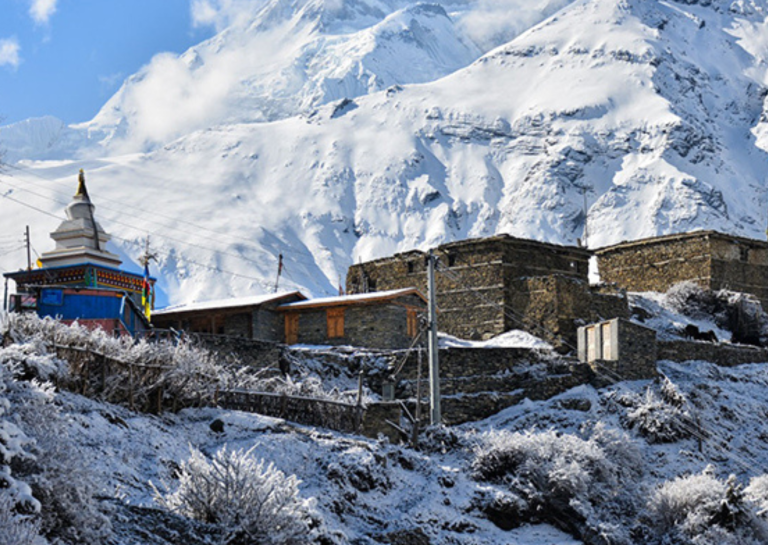
The floods have also caused serious damage to important tourism routes leading to some of Nepal’s most popular natural and religious destinations. According to Minister Paudel, major trekking trails providing access to Langtang National Park, Gosaikunda, Parbati Kunda and Nacheli, among other destinations, have been affected by the disaster. Damage to these routes is particularly significant for Nepal’s tourism sector because trekking and nature-based travel play a vital role in supporting local economies and attracting both domestic and international visitors to the Himalayan region.
The destruction of tourism infrastructure and access routes could also create longer term consequences beyond the immediate physical losses. Minister Paudel said the government’s preliminary assessment has taken into consideration not only the current financial damage but also the potential impact the disaster could have on the tourism industry in the future. With businesses now being asked to submit detailed reports of their losses, authorities are expected to gain a clearer understanding of the full extent of the damage and the resources required for recovery, reconstruction and the restoration of affected tourism destinations.
Helicopter Rescue Operations and Industry Support for Stranded Tourists
Minister Paudel said that immediately after the floods, the government coordinated with the private sector to bring together available helicopters and conduct rescue operations through an integrated one-door system. The coordinated approach was introduced to improve the management of emergency flights and ensure that rescue operations could be carried out more effectively in areas where road access had been severely disrupted. He said that in recent days, approximately five helicopter flights per day have been permitted for operations, while government authorities have continued to use helicopters for necessary activities in the affected region.
The minister also acknowledged the support provided by Nepal’s tourism and hospitality industry to travelers affected by the disaster. According to him, hotel entrepreneurs in Pokhara, Chitwan and Kathmandu provided free food and accommodation to affected tourists during the difficult period. The response demonstrated the wider tourism industry’s role in supporting travelers during emergencies, with businesses stepping forward to assist those who had been displaced, stranded or disrupted by the devastating floods.
Government Plans Climate Heritage Development in Flood-Affected Rasuwa
Looking beyond immediate rescue and recovery efforts, Minister Paudel announced plans to develop the flood-affected area of Rasuwa as a Climate Heritage site. The proposed initiative would include the development of structures such as parks, statues and museums, with the aim of preserving the memory and lessons of the disaster while drawing attention to the growing consequences of climate change. The concept could create a distinctive connection between environmental awareness, heritage preservation and future tourism development in the affected region.
Minister Paudel said Nepal had been forced to suffer severe consequences from climate-related events despite not being responsible for many of the factors contributing to global climate change. He noted that the effects of climate change are being experienced beyond Nepal as well and emphasized the need for greater international recognition of the challenges facing Himalayan regions. He further stated that the government’s current fiscal year budget already includes plans to promote the Himalayas as Global Climate Heritage and seek recognition and support from the international community, with efforts expected to move forward more actively in the coming period.

Tourism Sector Faces a Difficult Recovery as Damage Assessment Continues
With the preliminary estimate already exceeding Rs 50 billion, the Rasuwa floods represent one of the most significant recent challenges for Nepal’s tourism industry. The full scale of the losses is still being assessed as tourism businesses, hotels and other affected stakeholders continue compiling detailed information for submission to the government. The eventual recovery process is expected to require coordinated action involving government agencies, tourism entrepreneurs, local communities and international partners to restore damaged infrastructure and rebuild confidence in affected destinations.
As authorities continue assessing the immediate destruction and possible long-term consequences, the government’s focus is likely to remain on restoration, reconstruction and strengthening resilience across vulnerable tourism areas. The proposed Climate Heritage initiative in Rasuwa also signals an attempt to transform the lessons of a devastating disaster into a broader platform for climate awareness and sustainable development. For Nepal’s tourism sector, however, the immediate challenge remains substantial: rebuilding damaged facilities and trekking routes while ensuring that communities and businesses affected by the floods can recover and prepare for the future.