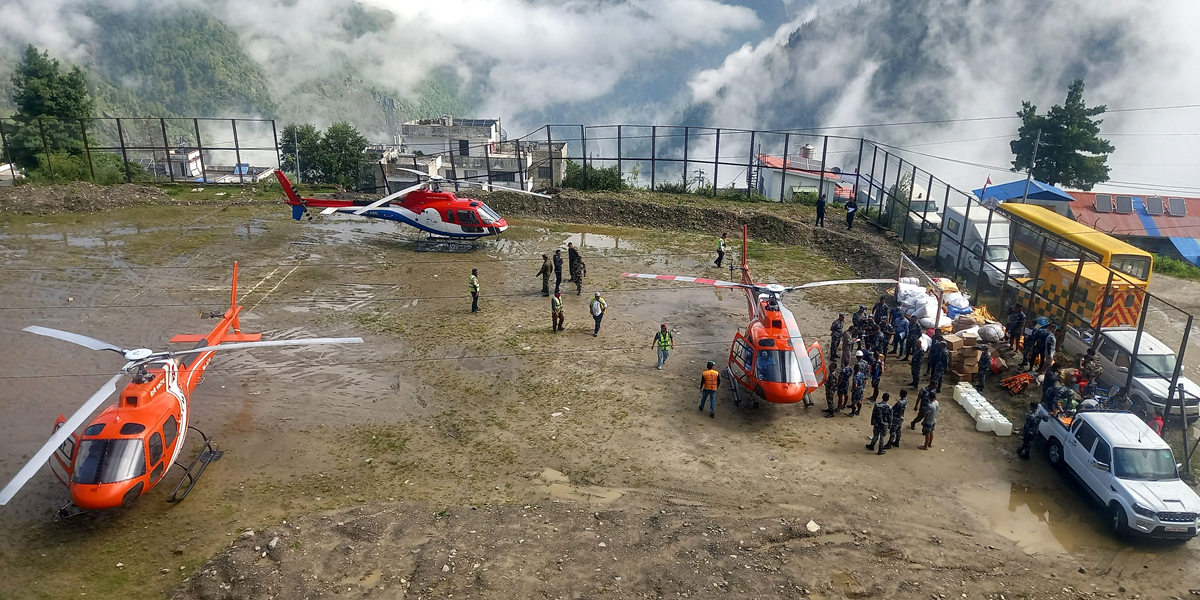
The government has kept 10 helicopters on standby for disaster management, rescue, and relief operations in Rasuwa, while allowing other helicopters operated by private aviation companies to resume regular flights, including tourism-related services. The decision follows the devastating Bhotekoshi River flood in Rasuwa, which triggered rescue and relief operations and affected transportation and other essential services in the region.

10 Helicopters Reserved for Disaster Management
Following the disaster, the government had brought private helicopter operators under a centralized rescue coordination mechanism at Tribhuvan International Airport to ensure that aircraft could be mobilized efficiently for emergency operations. Under the arrangement, helicopters were made available for rescue, relief and other disaster-response activities through a one-door policy. Operators are also required to obtain government authorization before deploying helicopters for rescue operations in other areas.
As the immediate requirement for a large number of helicopters has declined, the government has now decided to retain 10 helicopters for disaster management while allowing the remaining aircraft to return to regular commercial operations. The move is aimed at maintaining sufficient aerial capacity for emergency response without unnecessarily disrupting regular aviation services.
Regular Tourism Flights Resume Ahead of Peak Season
The decision comes as Nepal enters the period leading into its major autumn tourism season, when demand for helicopter services generally increases. According to Nima Nuru Sherpa, Senior Vice President of the Airlines Operators Association of Nepal, helicopters that are not required for disaster-response operations have begun returning to regular flights. He said the resumption of normal helicopter operations is important for maintaining a positive environment for Nepal’s tourism industry as the peak season approaches.
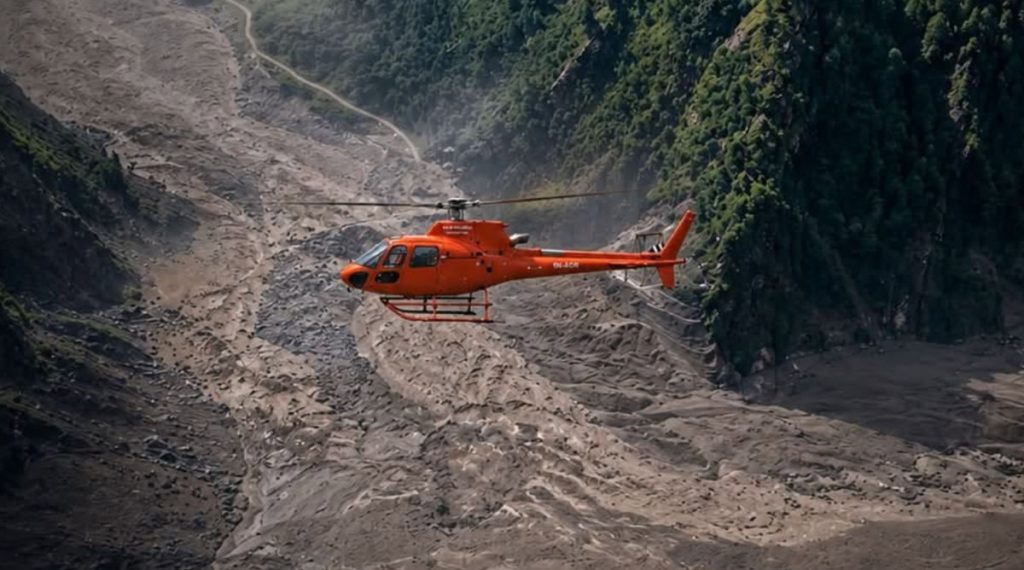
Helicopters are an important component of Nepal’s tourism and mountain aviation sector, providing services such as mountain sightseeing, trekking support, charter flights, transportation to remote destinations, and emergency evacuation. The availability of more helicopters for regular operations is therefore expected to support tourism businesses and travelers during the upcoming season, while dedicated aircraft continue to remain available for emergency response.
Helicopter Fleet of Private Operators
According to the details provided, 11 private helicopter companies operate a combined fleet of 29 helicopters.
| S.N. | Helicopter Company | Number of Helicopters |
|---|---|---|
| 1 | Air Dynasty | 4 |
| 2 | Summit Air | 4 |
| 3 | Simrik Air | 4 |
| 4 | Kailash Helicopter | 3 |
| 5 | Annapurna Helicopter | 3 |
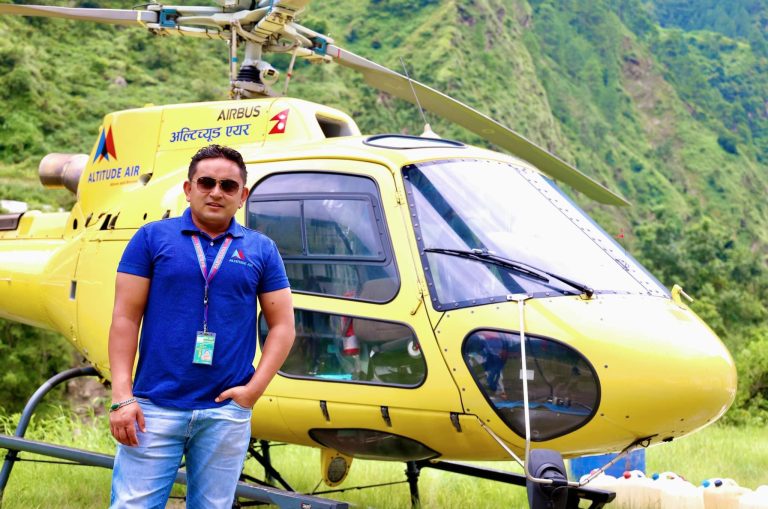
| 6 | Altitude Air | 2 |
| 7 | Fishtail Air | 2 |
| 8 | Manang Air | 2 |
| 9 | Mountain Helicopters | 2 |
| 10 | Mustang Helicopter | 2 |
| 11 | Prabhu Helicopter | 1 |
| Total | 11 Companies | 29 Helicopters |

With 10 helicopters remaining dedicated to disaster management and the rest returning to regular operations, the government has sought to balance emergency preparedness with the continuity of Nepal’s aviation and tourism services. The move is particularly relevant as Nepal prepares for the autumn travel period, when international visitors, trekkers, mountaineers, and domestic travelers traditionally increase their use of air-based transportation and mountain tourism services.