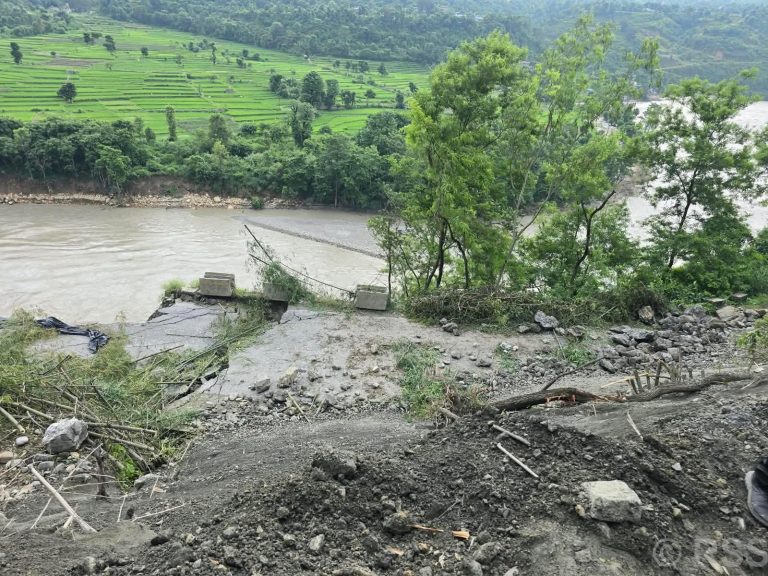
The Pacific Asia Travel Association (PATA) has called on the global travel and tourism community to support Nepal’s tourism recovery by sharing accurate destination information and contributing to relief and recovery efforts following recent floods. In an open letter, PATA Chairman Henry Oh and PATA Foundation Chairman Andrew Jones stressed that international travellers and tourism businesses should assess conditions based on specific destinations and travel routes rather than viewing the flood situation as affecting the entire country.
They said the recent flooding has caused serious damage, but its impact remains concentrated in particular areas. Most of Nepal continues to operate normally and remains open to visitors, making accurate communication especially important during the current travel planning and booking season.

Most Major Tourism Destinations Continue to Welcome Visitors
According to the PATA leadership, major tourism hubs including Kathmandu Valley, Pokhara, the Annapurna region, Everest and Khumbu, Chitwan, Bardiya, Lumbini and the wider Terai region continue to function. Nepal’s airports and major tourism infrastructure are also operating, while search, rescue and recovery activities remain focused mainly on affected corridors, particularly parts of Rasuwa, Langtang and the Bhote Koshi area. PATA emphasized that Nepal’s diverse geography means that disruption in one river corridor should not be interpreted as a nationwide tourism shutdown.
The association has therefore urged travel companies, media outlets and tourism stakeholders to use verified information when preparing travel advisories, itineraries, destination pages and customer guidance. Businesses have also been encouraged to review existing information about Nepal and correct any material that incorrectly portrays the entire country as being affected.
Tourism Recovery Fund to Support Affected Communities
PATA is also preparing to launch the PATA Foundation’s Nepal Tourism Recovery Fund, which will focus on helping tourism-dependent communities recover their livelihoods in areas directly affected by the floods.
The proposed support will target guides, drivers, porters and families operating homestays, lodges, teahouses and small hotels along affected routes. Many of these tourism workers and business owners have reportedly lost homes, properties, equipment and income opportunities during the disaster.

PATA said financial support from tourism businesses, travellers and wider industry networks could play an important role in helping affected communities rebuild and regain their sources of income. The organization also encouraged responsible travel to destinations that remain unaffected, saying continued visitor activity is important for sustaining tourism-related employment and businesses across Nepal.
PATA Urges Industry to Rely on Verified Information
With Nepal entering an important period for travel planning and bookings, PATA said the accuracy of information being circulated about the country is particularly critical. The association has recommended that travellers and tourism professionals consult reliable sources, including the Nepal Tourism Board’s live travel information through Nepal Now, Nepal Police, the National Disaster Risk Reduction and Management Authority (NDRRMA), and the PATA Nepal Chapter, before making travel decisions. PATA said responsible communication and continued travel to unaffected destinations can help Nepal maintain visitor confidence while supporting communities recovering from the flood disaster.