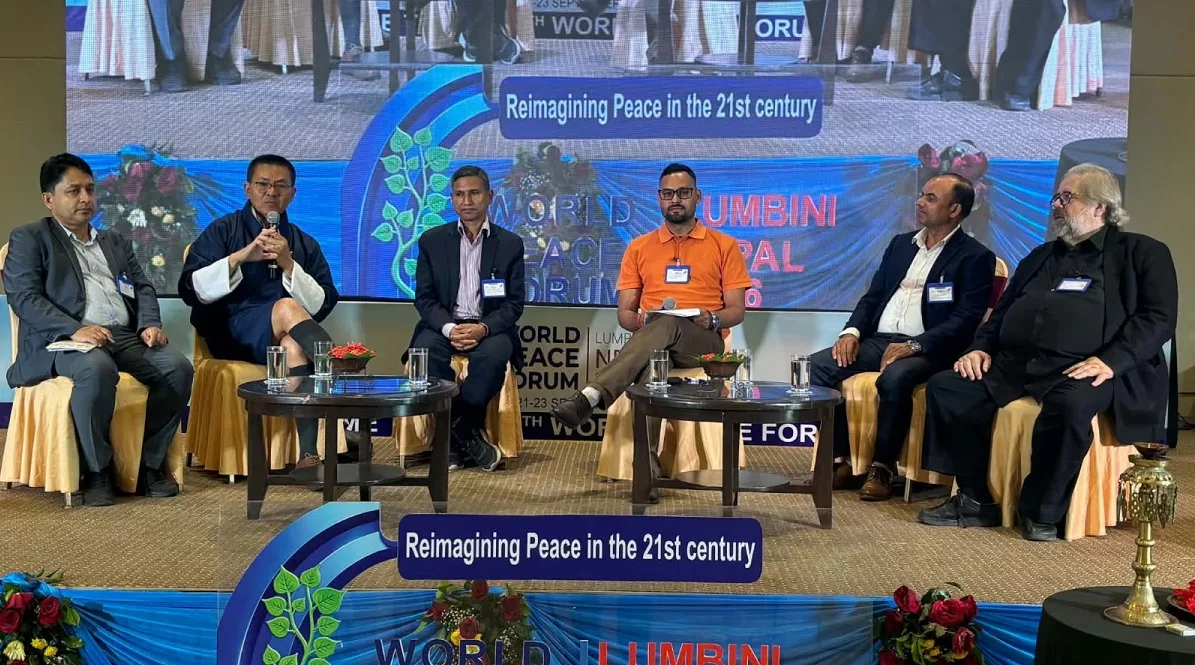
Lumbini, the birthplace of Lord Buddha, is hosting the 17th World Peace Forum on climate justice, sustainable development and tourism to the future of the historic Buddhist destination. This three-day international forum is taking place from Monday to Wednesday in Lumbini, where it is held for the first time in South Asia. Set under the theme ‘Reimagining Peace in the 21st Century,’ the forum is linking discussions of peace with the important issues that are shaping the future of tourism, including climate change, sustainable development and responsible tourism.
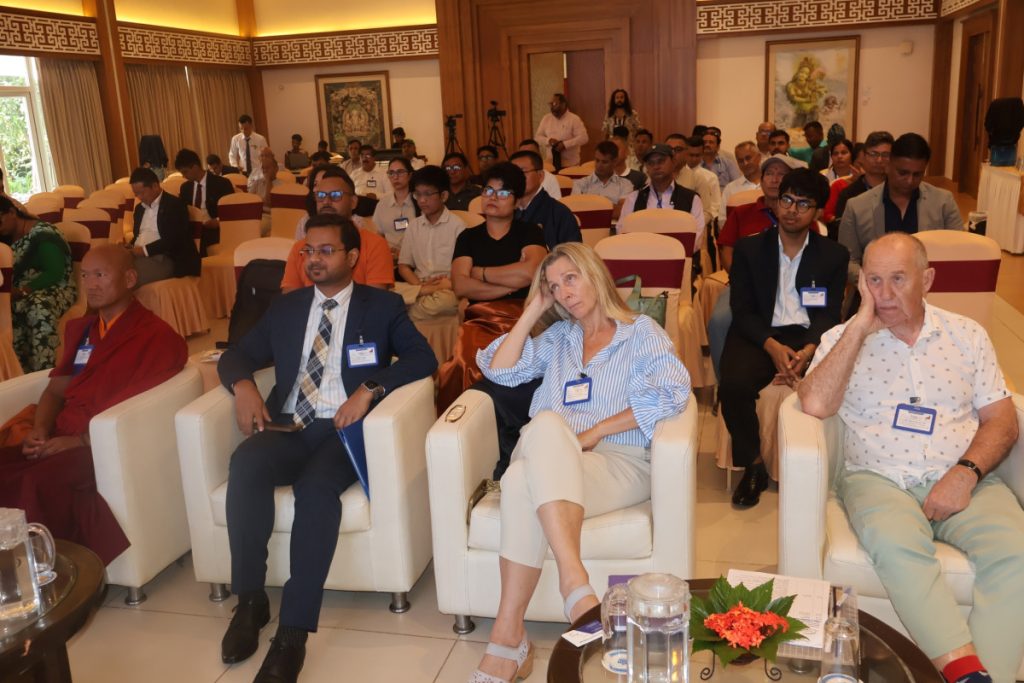
The discussions are in particular relevant to the birth place of Buddha, where the area continues to strengthen its position as an international center for Buddhist, religious and cultural tourism. The event has brought together experts, scholars, tourism professionals, international representatives and other stakeholders from Nepal and from abroad. Participants are sharing views on the growing impact of climate change on tourism destinations, ways to make tourism more sustainable and approaches to protect cultural and religious heritage while creating better opportunities for local communities.

Global Experts Discuss Climate Change and Sustainable Tourism
The event has attracted a diverse set of international speakers, including Vicky Hansen, president of the Schengen Peace Foundation in Luxembourg; Steve Killey AM, founder and executive chairman of the Institute for Economics and Peace in Australia; Dasho Dorji Dhadhul, director of the Bhutan Tourism Council; and Dr. Wolfgang Georg Arlt. André Philippe, secretary general of an intergovernmental association in Geneva also sent his greetings through a video message.
The opening session also featured the attendance of Khim Bahadur Kunwar, secretary of the provincial planning division of the Lumbini Province government; Kalpana Harijan, acting mayor of Lumbini Cultural Municipality; and Dr. Rajendra Bari, president of the Lumbini-Kapilvastu Global Campaign Belgium, and others.
The arrival of participants from tourism, peace, development and international organizations has provided a broader platform for examining the link between climate change and tourism. Discussions are looking at how destinations can prepare for climate-related challenges while ensuring the protection of resources and supporting communities, while maintaining a positive experience for tourists.
Lumbini Tourism Gains Global Exposure
The 17th World Peace Forum has been organized jointly by the Lumbini World Peace Forum based in Dhumbarahi, Kathmandu, and the Schengen Peace Foundation of Luxembourg. The forum was previously held in Barcelona, Spain, and South Africa before coming to Lumbini.
The organizers believe that taking the international forum to Lumbini will help attract greater attention to the destination’s religious tourism, Buddhist tourism and cultural tourism potential, while also creating an opportunity for international organizations and tourism stakeholders to connect and share ideas, to cooperate for the sustainable development of Lumbini as a global pilgrimage and cultural destination.

The forum has also received the support of branches of the Lumbini-Kapilvastu Global Campaign in Norway, Poland, Sweden, Belgium and Australia, highlighting the international network around Lumbini and its heritage. As the three-day forum concludes on Wednesday, discussions are expected to contribute to broader conversations on climate change, climate justice and sustainable tourism. The organizers are able to identify ways in which tourism destinations can be better prepared for environmental challenges while continuing to provide economic and cultural opportunities.
For Lumbini, the forum is providing another international platform to connect its message of peace with the future of sustainable and resilient tourism. With its Buddhist heritage, religious significance and growing international appeal, Lumbini still has an important role in Nepal’s tourism landscape, and discussions on climate resilience and responsible development can help shape its future as a globally recognized cultural and pilgrimage destination.