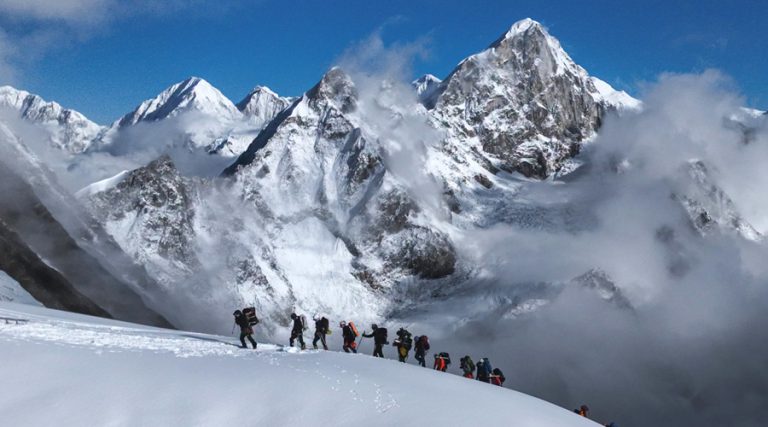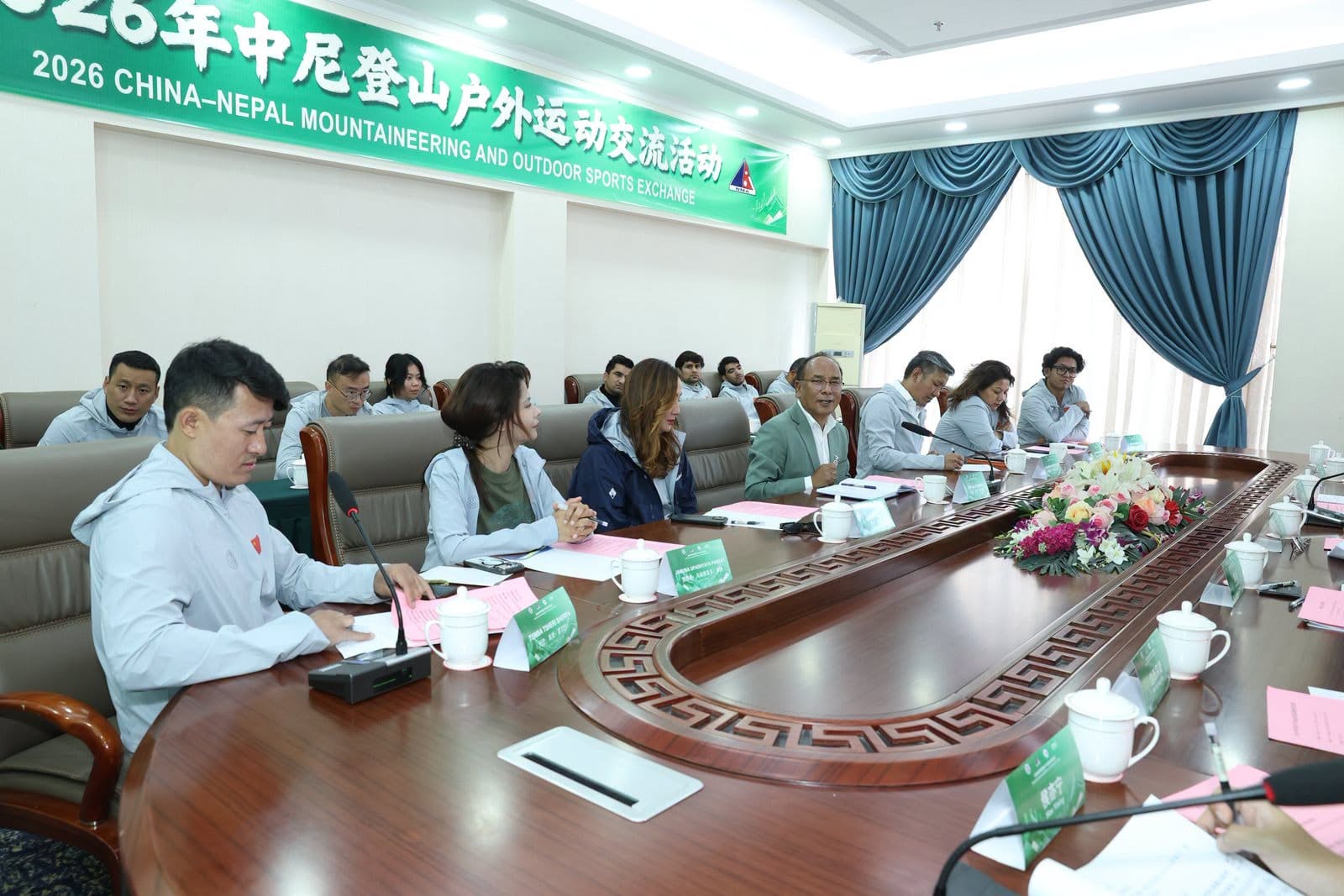
The Nepal Mountaineering Association (NMA) has pushed for closer cooperation with China on mountain tourism, technical training and high-altitude safety, with NMA President Fur Gelje Sherpa highlighting the value of sharing expertise between the two Himalayan countries.
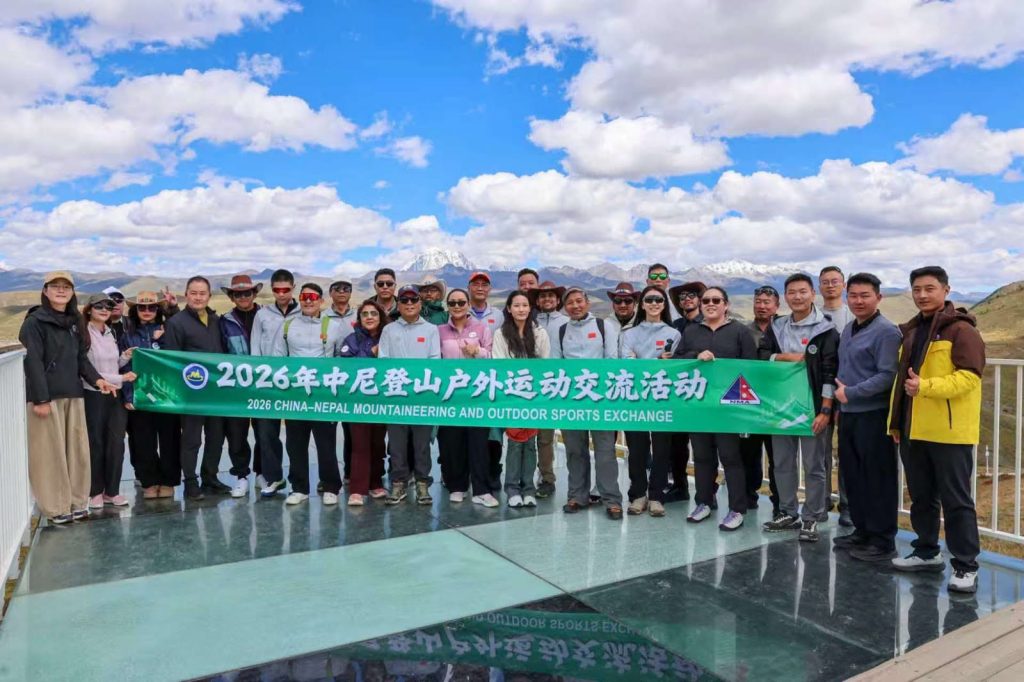
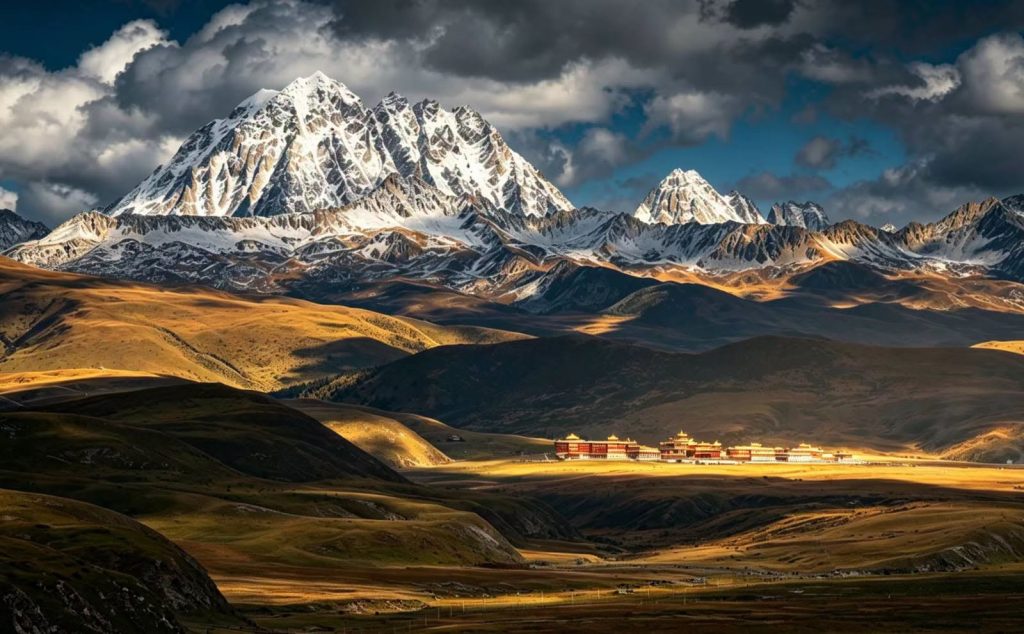
Sherpa made the remarks during the China-Nepal Mountaineering and Trekking Exchange Activities held in Kangding and Hailuogou in Ganzi Prefecture, China. The exchange highlighted the opportunities for closer engagement between mountaineering and trekking stakeholders from Nepal and China.

Joint Training and Rescue Cooperation in Focus
Sherpa highlighted high-altitude training and emergency rescue as areas in which closer cooperation would provide tangible benefits for the mountaineering communities of both countries. He called for greater interaction among professionals, institutions and organizations involved in mountain activities so that technical knowledge and field experience could be exchanged more effectively.
Regular training and professional exchanges could help build the capacity needed to operate safely within challenging high-altitude environments. Cooperation in areas such as rescue preparation, mountain response and safety practices could further help raise the overall standards of Himalayan adventure activities.
The NMA president stressed the importance of developing such collaboration through ongoing engagement, rather than limited to exchange programmes. Sharing experiences between Nepali and Chinese mountaineering professionals would allow both sides to discover effective approaches to training, expedition management and mountain emergencies.
Expanding Adventure Tourism Through Experience Sharing
The discussions also highlighted the scope for Nepal and China to cooperate in developing adventure tourism. Both countries have extensive mountain landscapes and increasing interests in trekking, mountaineering and other outdoor tourism activities. Nepal’s extensive experience in Himalayan expeditions and mountain guiding can provide opportunities for technical and professional knowledge sharing with Chinese counterparts.
Meanwhile, exchanges with Chinese mountain tourism stakeholders can provide Nepali professionals with exposure to alternate approaches to destination management, tourism infrastructure and adventure activities. Greater cooperation would therefore support the development of new partnering opportunities while fostering joint programmes, professional exchanges and tourism promotion focused on mountain destinations.
Mountain Safety as a Shared Priority
High-altitude safety was another key area of emphasis during the exchange. Climbers, trekking guides and other mountain workers operate within environments in which severe weather, difficult terrain and altitude-related concerns can contribute to significant risks. Sherpa’s call for collaboration in this field reflects the importance of developing preparedness before mountaineering and trekking activities get underway.
Joint learning and technical exchanges would help professionals better prepare to respond to emergencies and navigate remote mountain areas. The NMA has consistently stressed professional development and safety as priorities for responsible mountaineering. Cooperation with Chinese institutions and mountaineering organizations would further expand opportunities for capacity building in these areas.
Building a Stronger Himalayan Tourism Network
The exchange activities in Kangding and Hailuogou provided an opportunity for Nepal and China to further strengthen contacts among people working in mountaineering and trekking. Beyond promoting individual destinations, such programmes can help develop stronger institutional relationships and create avenues for continued cooperation.
Sherpa’s remarks highlight the NMA’s interest in developing a broader Nepal-China partnership covering mountaineering education, high-altitude rescue, adventure tourism and mountain safety.
With both countries sharing the Himalayan region and significant potential for mountain-based tourism, continued professional exchanges would provide a foundation for more coordinated development of safe, skilled and sustainable adventure tourism in the region.