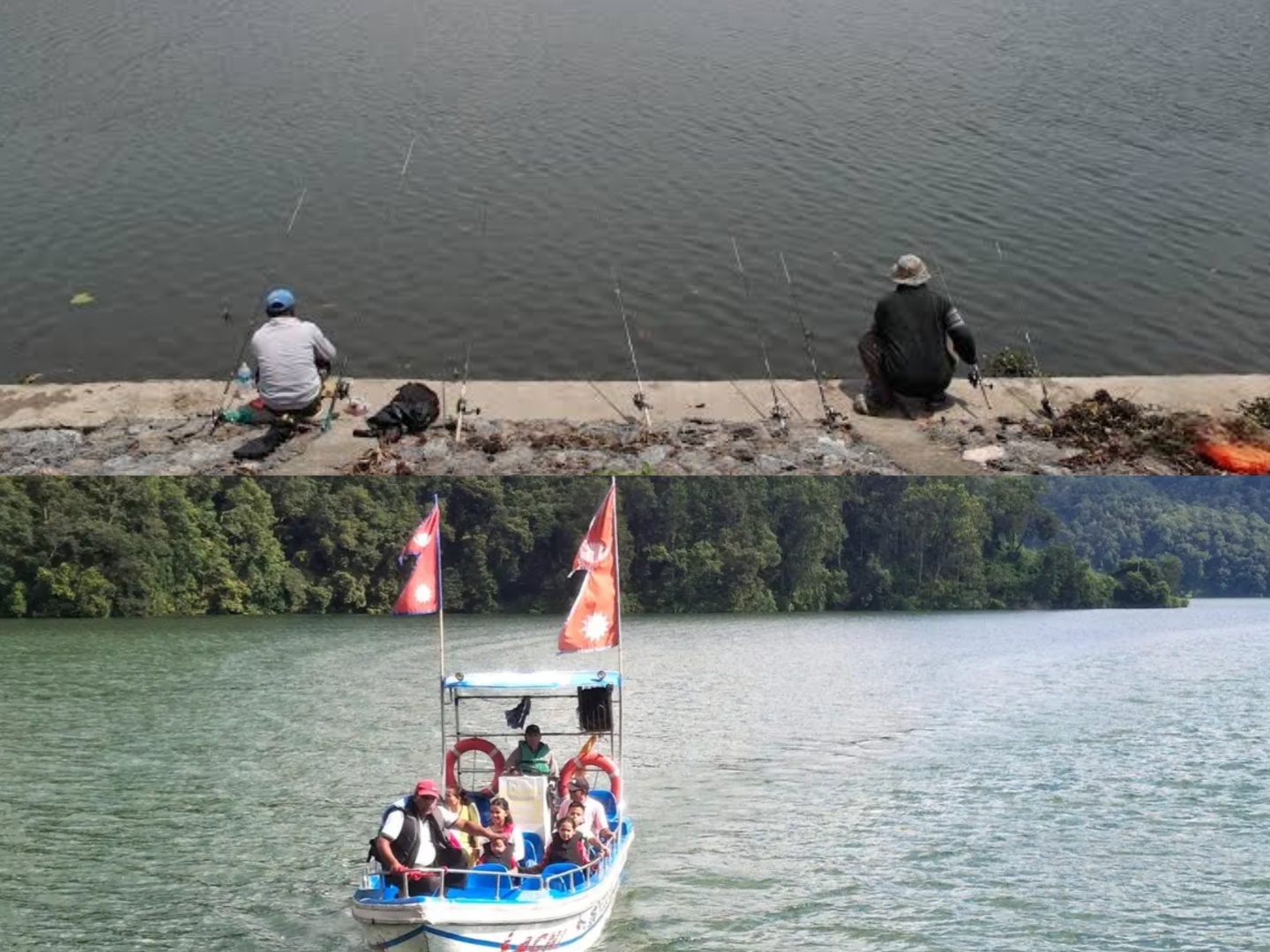
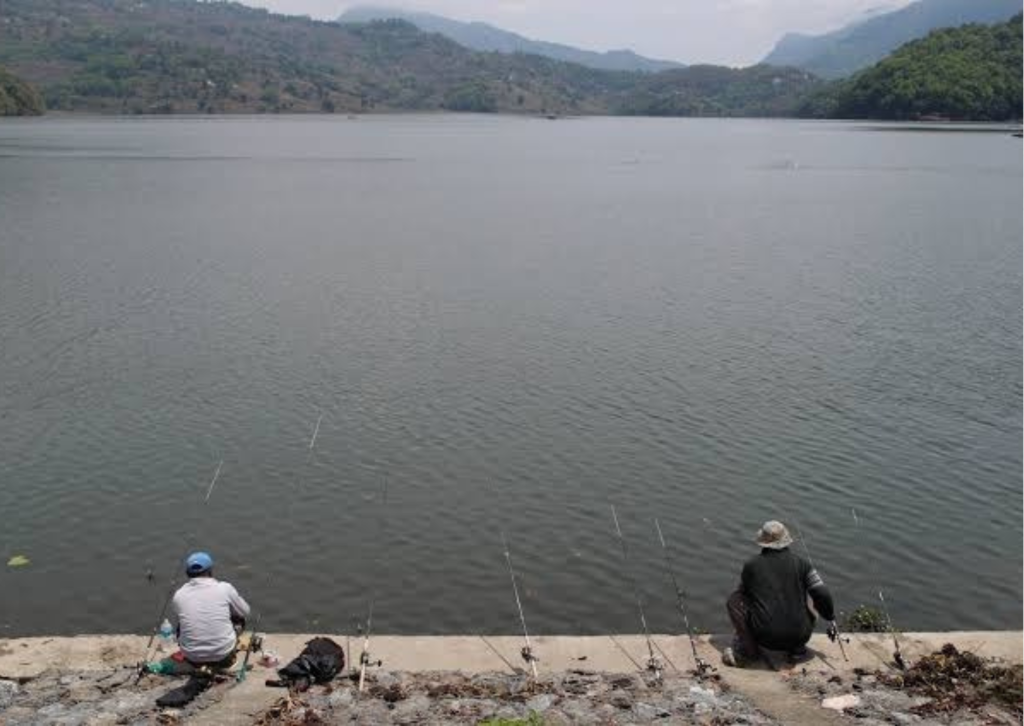
The Begnas Fish Festival and Deusi-Bhailo Competition will be held in Pokhara to promote the tourism potential of Begnas Lake through local fish, cuisine, and culture, while also supporting business, sales of local products, and the preservation of indigenous customs. The Begnas Fish Festival, which will be held in Pokhara Metropolitan City-31 from Kartik 13 to 23 (October 30- November 09) under the slogan ‘The Taste of Fish, the Identity of Culture, the Respect for Our Heritage’, will highlight Begnas Lake and its products. The event, organized by the Hotel and Restaurant Association Lekhnath, is expected to create jobs for local people and attract tourists to the lake and its tourist spots.
Begnas Lake’s Fish Attraction
Begnas Lake, the second largest lake in the Pokhara Valley, is home to a wide variety of fish species, including several indigenous ones. Besides, many foreign species have also been brought in for commercial purposes. The lake’s fisheries thus play a significant role in the local food chain and provide livelihood for people living in the vicinity. According to a survey conducted earlier this year, there are 17 species of fish that can be found in Begnas Lake. Of these, 11 are indigenous to the lake, while the other six species have been introduced to the lake for commercial fishing.
The local fish species found in Begnas Lake are Sahar, Katle, Chachune, Fageta, Pothi, and some small fish species. On the other hand, the commercial species found in the lake are tilapia, silver carp, bighead carp, grass carp, and common carp. The Begnas Lake fish festival will also aim to promote the local delicacies made from the lake’s fish and introduce the lake’s fish species to the general public.
Fish Dishes, Deusi-Bhailo and Other Attractions
Speaking at a press briefing to announce the event, the president of the Hotel and Restaurant Association Lekhnath and the festival’s chief coordinator Suresh Lamichhane said that the event would help advertise the tourism potential of Begnas and support many businesses. He added that the event will offer a variety of local fish delicacies and also host a pearl farming exhibition. Besides, the program also includes a trade fair, business exhibitions, and music performances by national singers, including a pop concert.
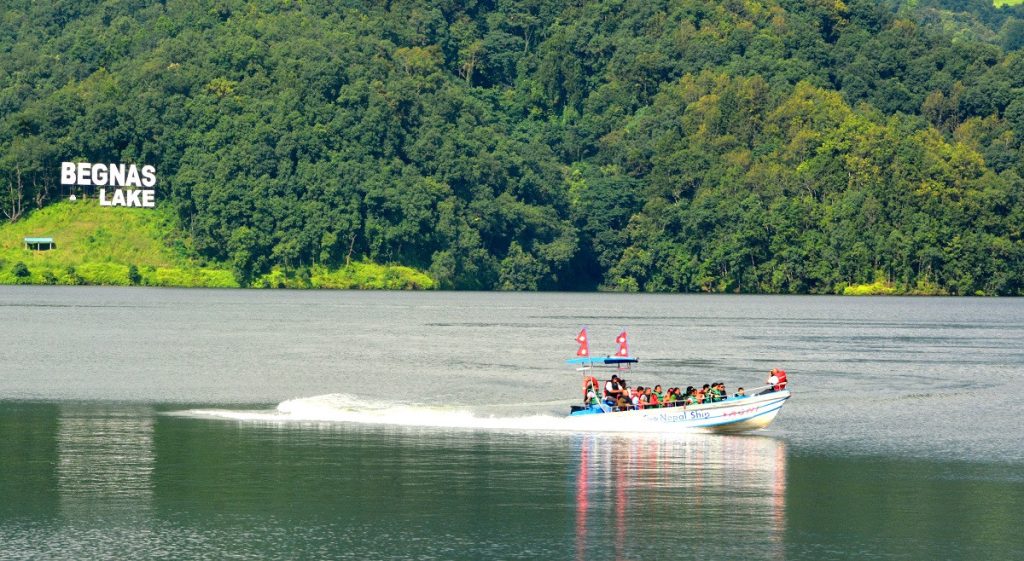
The Deusi-Bhailo competition is also a major attraction of the festival. Organizers hope that the Deusi-Bhailo competition will help preserve the traditional art form and also provide entertainment to the people. Apart from the local fish delicacies and the traditional Deusi-Bhailo dance, the festival also includes various promotional activities for tourism spots around Begnas Lake. This will provide tourists with an opportunity to explore various places around Begnas Lake.
Pokhara’s Lakes Can Become Significant Tourist Attractions
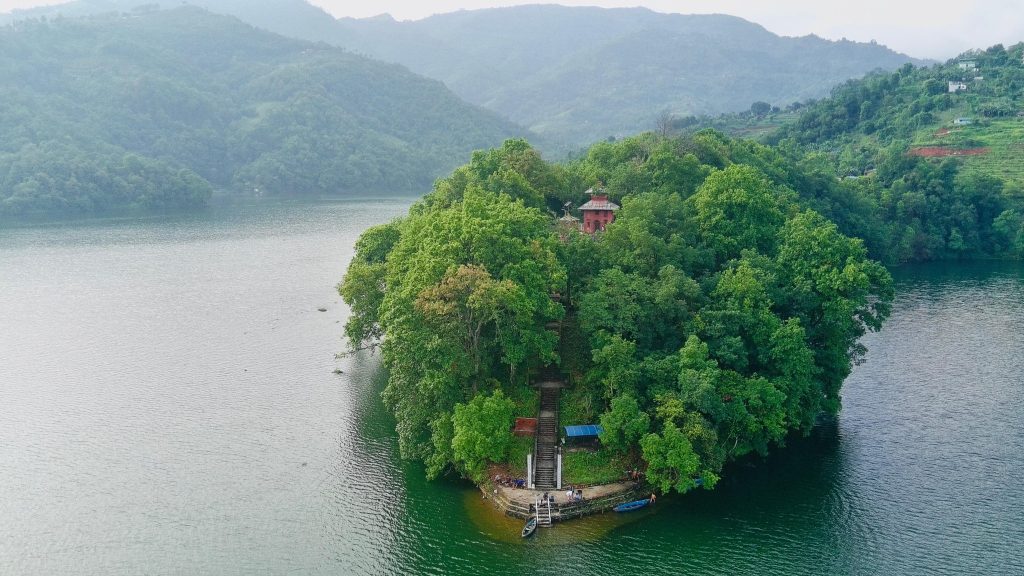
President of Pokhara Tourism Council Hari Bhujel said that they wanted to promote all eight lakes in Pokhara Metropolitan City according to their potential and identity. Bhujel pointed out that if the lakes are promoted systematically while highlighting the differences between them, they have the potential to become significant tourist attractions in the future.
He added that it would be necessary to come up with unique identities of the lakes so that Pokhara can be promoted as a city of lakes. Bhujel also mentioned that they proposed to use one of the lakes as a water sports center if the budget allows. By promoting the lakes through such events, it would be possible to increase alternative tourism options for visitors while encouraging people to explore more of Pokhara.
Begnas Fish Festival Aims to Generate Economic Activity and Highlight Local Culture
According to Durga Prasad Adhikari, the founding president of the Hotel and Restaurant Association Lekhnath, the Begnas Fish Festival was first held in 2014, but the pandemic prevented them from organizing it for the past few years. The fish festival will help generate economic activity by linking agriculture, tourism, and education sectors while also promoting the local fish delicacies, preserving the traditional Deusi-Bhailo culture, and helping the local economy.
Manohar Kadariya, the chief of the Economic Development Division of the Pokhara Metropolitan City, said that promoting local products and traditional delicacies would create economic activity and encourage people to stay longer in the city. Kadariya said that the metropolitan city will support the promotion of local fish delicacies and traditional cuisines while also requesting cooperation from rural areas to support the campaign.
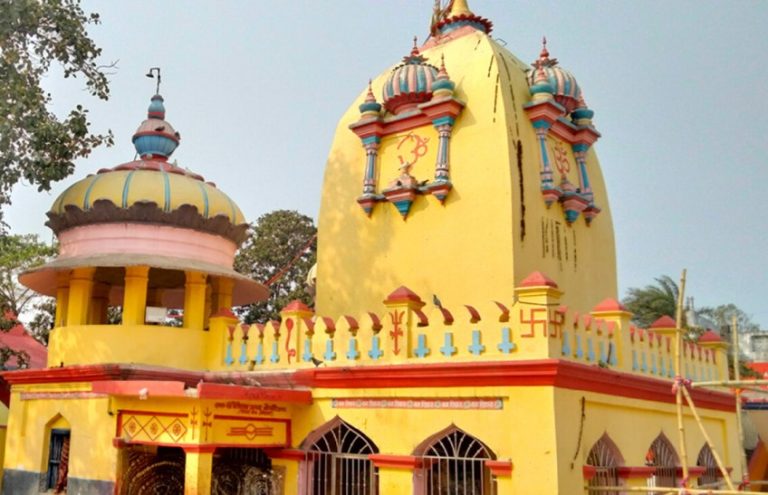
Meanwhile, the organizers also plan to use the money from the festival to develop Tal Barahi, the Gorakhnath Temple, and the Begnas Lake region. The campaign will contribute to making cultural heritage and local business the center of development in the region, with the Begnas Lake being promoted as a tourist destination for food, culture, and nature.