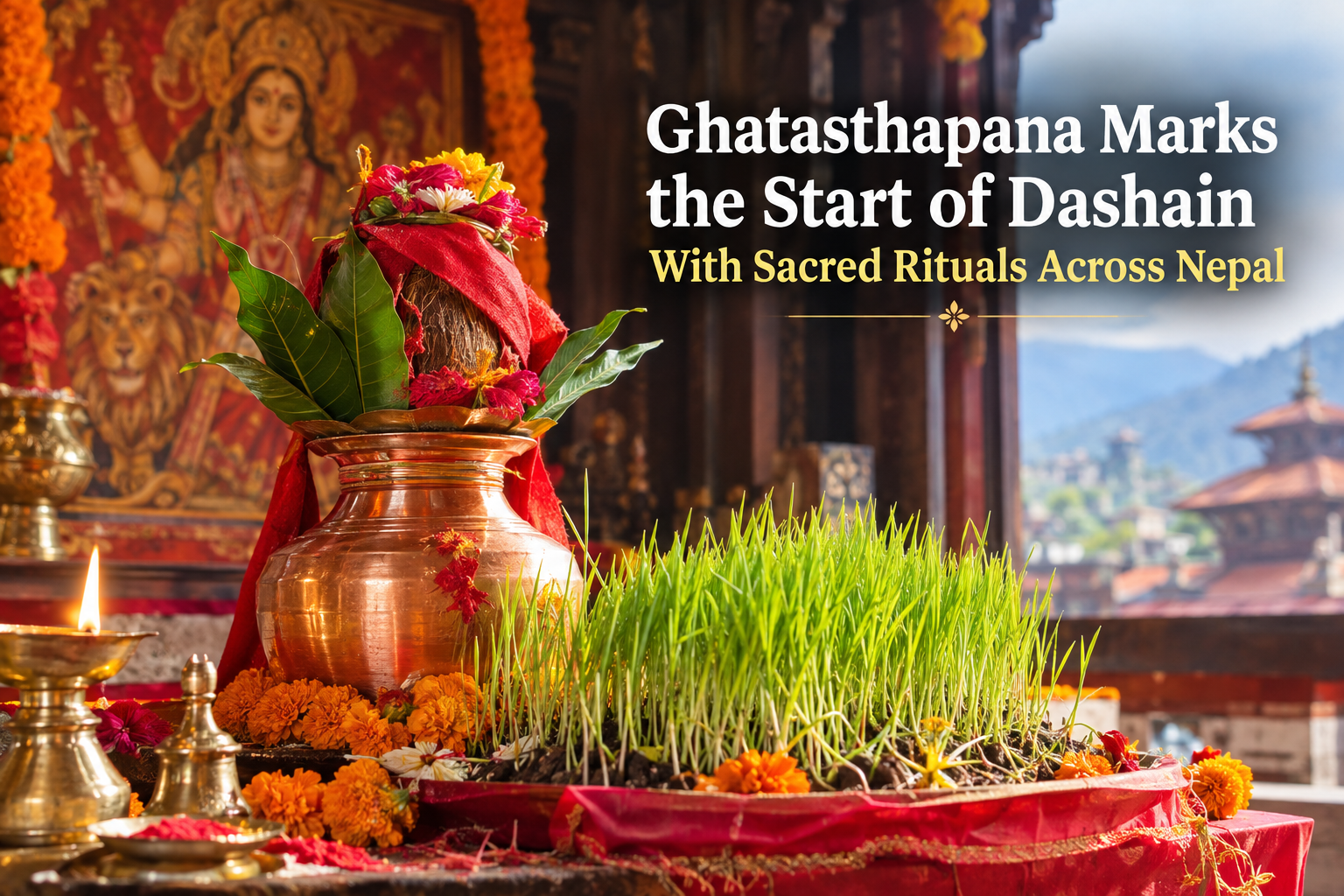
Ghatasthapana marks the beginning of Dashain, with devotees placing a sacred kalash and sowing Jamara to invoke blessings, prosperity, and protection. The first day of the Dashain holiday is dedicated to sowing jamara, prayers to Goddess Shailaputri, and preservation of culture and tradition. The Nepalis observed Ghatasthapana, the first day of the Dashain holiday, with sacred rituals, prayers, and sowing jamara on Sunday, October 11. Families across Nepal participated in the ritual on Ashoj 25, 2083, which marks the start of the nine-day Navaratri and ten-day Dashain festival. The ceremony consists of worshipping Goddess Shailaputri, establishing a sacred vessel known as a kalash, and sowing barley seeds to prepare jamara for religious rituals.
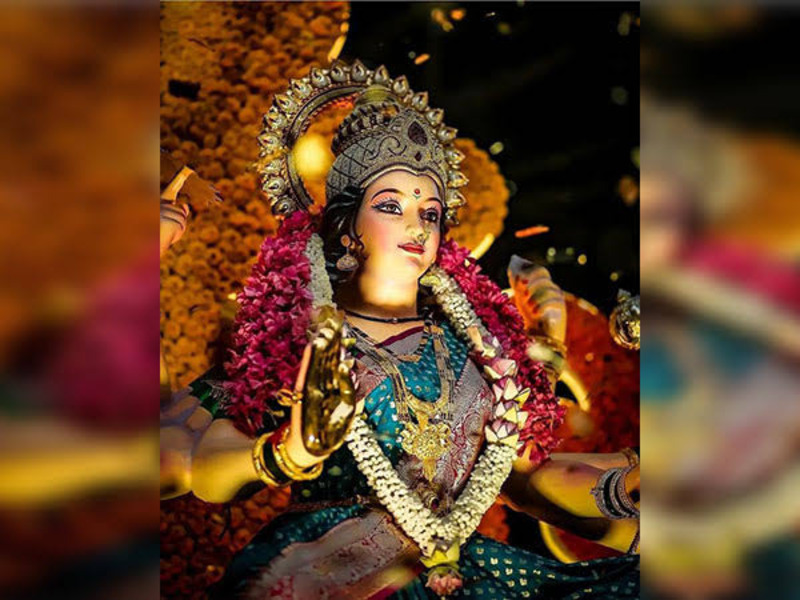
Families participate in Ghatasthapana, a cherished cultural practice that has been passed down through generations. Ghatasthapana is a significant cultural practice that reflects the country’s diverse traditions and beliefs. People participated in the religious ceremony of Jamara rakhne din on Sunday. As per the customs, the first day of Dashain holiday is marked by worshipping Goddess Shailaputri, the first of the nine forms of Goddess Durga that is worshipped during Navaratri.
The ritual marks the commencement of daily prayers that are continued throughout the festival. Though the ceremony is confined within the home and the temple, Ghatasthapana has a unique place in the hearts of many residents of Nepal. It is a great opportunity for the visitors to understand the traditions, beliefs, and festivals of the locals.
History and Religious Significance of Ghatasthapana
The Ghatasthapana is a part of the Hindu festival of Navaratri. The word Ghatasthapana is a combination of ‘ghata’ meaning pot or vessel and ‘sthaapana’ meaning to place or establish. The ceremony requires placing the sacred vessel in the worship space and sowing barley seeds in a vessel or pit specially prepared for the purpose. Though the exact history of Ghatasthapana is not documented, this ceremony is related to the rich traditions of Goddess Durga who is revered across Nepal and India.
Ghatasthapana has been a part of the festive traditions in Nepal as it connects families with their faith and beliefs. Ghatasthapana falls on the first day of bright fortnight of Ashwin month as per Nepal Sambat. The ceremony is usually performed on an auspicious time decided by the religious almanac and the families observe the day with rituals and prayers for Navaratri. The traditions of Ghatasthapana have withstood the test of time and continues to be an important festival for Nepalis even today.
Story Behind the Religious Observance and Jamara
The religious customs and stories related to Dashain and Navaratri are largely connected to the mythological tale of Goddess Durga and Mahishasura. The story goes that Goddess Durga defeated the demon king Mahishasura to liberate the universe. The tradition of performing Ghatasthapana commenced as a part of the festival to mark the beginning of Navaratri with prayers to Goddess Durga.
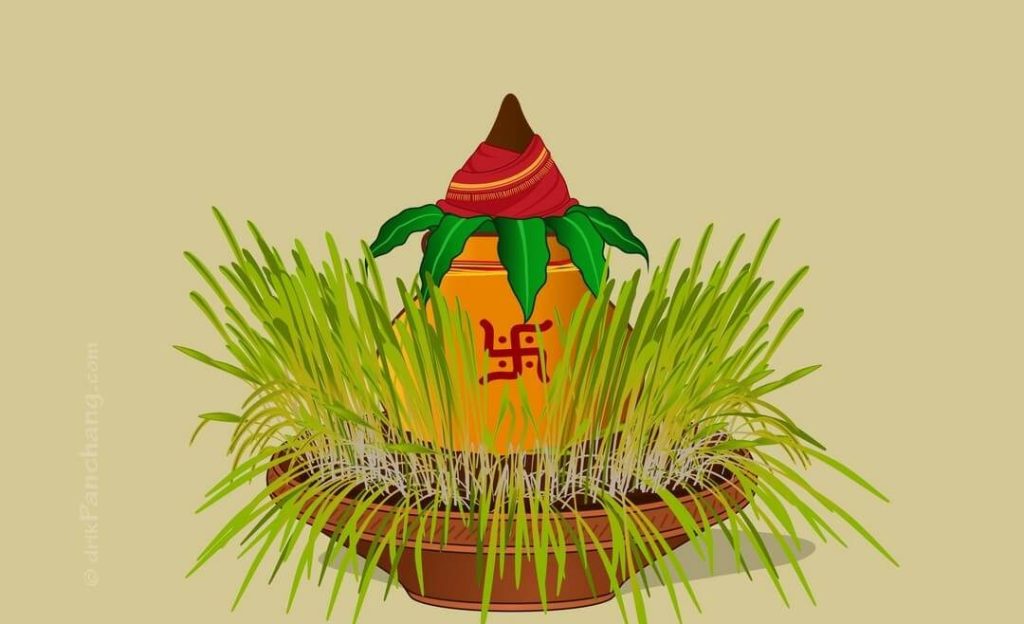
The sowing of jamara is one of the most intriguing aspects of Ghatasthapana. Families sow the barley seeds in a clean place with enough sunlight and care for the seedlings until they grow into little plants. The tradition holds great significance as the seedlings represent life and family and bind the generations together through customs and beliefs. The rituals followed during Ghatasthapana are an excellent way to understand the religious practices of Nepalis. Moreover, the sowing of jamara also offers an insight into the manner in which the locals preserve their rich cultural heritage.
Observing Ghatasthapana Across Nepal
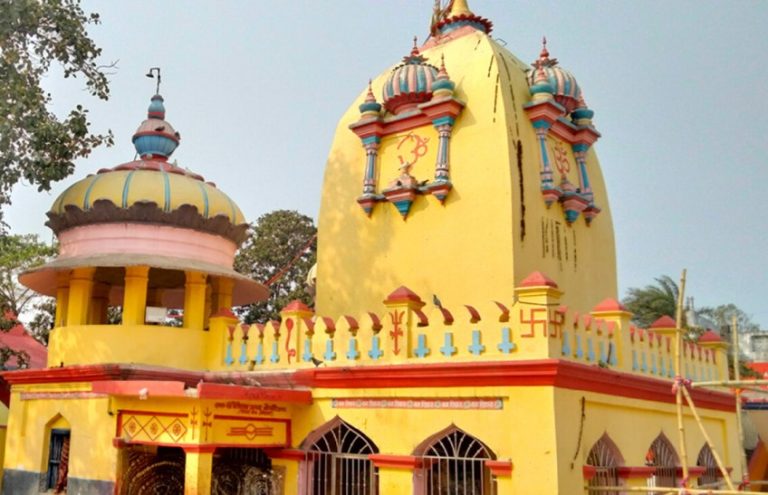
Across Nepal, Ghatasthapana commenced with families preparing their worship space for the day. They also prepare the vessel or pit for sowing the seeds and observe the day with prayers to Goddess Shailaputri, followed by sowing of jamara. The rituals are performed in accordance with the religious customs and beliefs. In addition, the families and individuals also visit the temples that are dedicated to Goddess Durga or other deities. In Kathmandu valley and across Nepal, the locals observe Ghatasthapana with rituals and prayers as they begin their preparations for the festival.
Observing the Sacred Rites and Auspicious Occasions
The Ghatasthapana commenced with the establishment of sacred vessel. Families prepare the vessel according to their customs and beliefs and perform rituals and prayers to mark the beginning of Navaratri. The sacred vessel is also used to grow jamara that is later used during the Dashain festival. The prayers and rituals performed during this day signify the prosperity and happiness of the family.
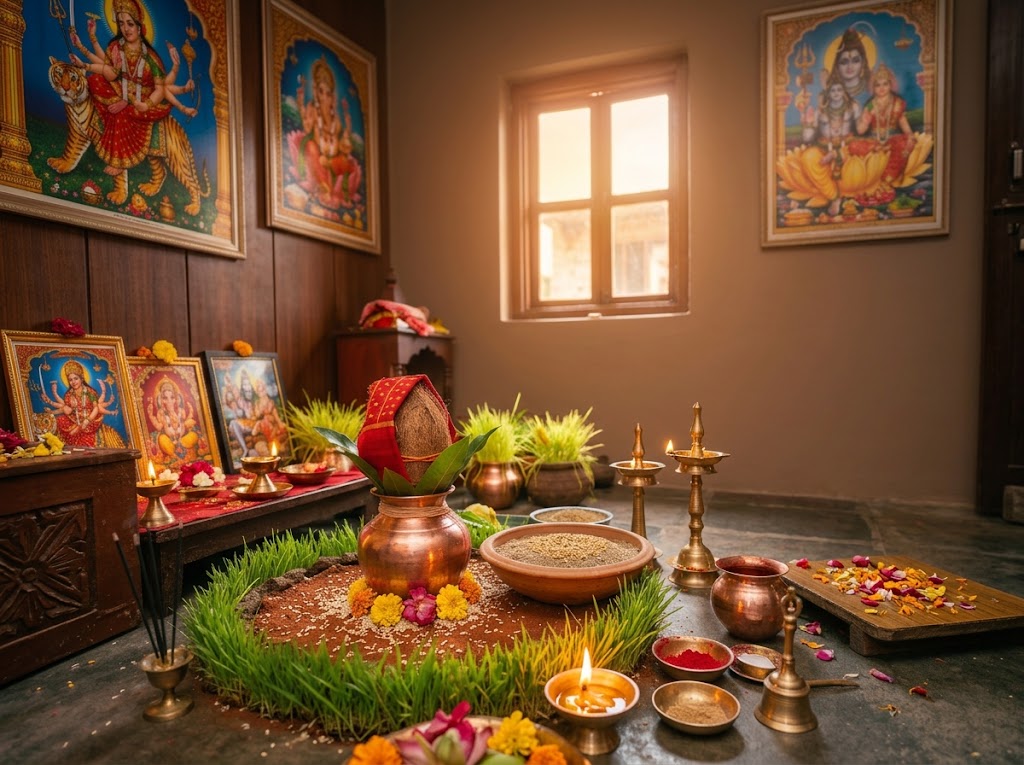
The sowing of jamara and the establishment of sacred vessel depict the importance of auspicious occasions during the festival. Families prepare their worship space and observe the day with religious rituals. The practices followed during Ghatasthapana may differ across regions and family traditions but the objective remains the same. The day is observed with faith and devotion as families begin their preparations for Navaratri and the Dashain festival. The rich traditions and customs of Ghatasthapana are a reflection of the diverse cultural heritage of Nepal.
Cultural Heritage of Nepal and Role of Tourism
Ghatasthapana is a wonderful example of the cultural heritage of Nepal and an insight into the beliefs and traditions of the locals. For the foreign visitors, Ghatasthapana could be an amazing opportunity to experience the unique customs and rituals followed by the Nepalis. The temples and the historic sites offer an incredible view of the country’s rich cultural heritage. However, it is important for the visitors to respect the customs and beliefs of the locals and follow the etiquettes in religious places. Moreover, it is better to avoid clicking pictures in temples and sacred places as it is considered inappropriate.
The cultural significance of Ghatasthapana also lies in the manner in which the traditions are preserved and practiced even today. Families follow the time tested customs and pass it on to their children and grandchildren. The rituals may look simple but they hold immense religious significance. As the Nepalese observe the auspicious occasion of Ghatasthapana, the day is a true reflection of the rich cultural heritage of the nation. The traditions and customs signify the diverse traditions of Nepal and the rich cultural heritage of the Nepalis.