Nepal has been urged to bolster disaster preparedness, enhance mountain infrastructure and adopt climate and disaster-risk-informed principles in order to safeguard vulnerable communities and ensure the sustainability of mountain destinations. Pema Gyamtsho, Director General of the International Centre for Integrated Mountain Development (c), has stressed the importance of early warning systems and risk-informed infrastructure to better address the complex risks associated with mountainous environments.
Speaking at the opening session of Nepal’s Fifth National Conference on Disaster Risk Reduction on October 13, 2026 in Kathmandu, he called for enhanced regional cooperation to confront the cascading effects of disasters that have been felt across the area.
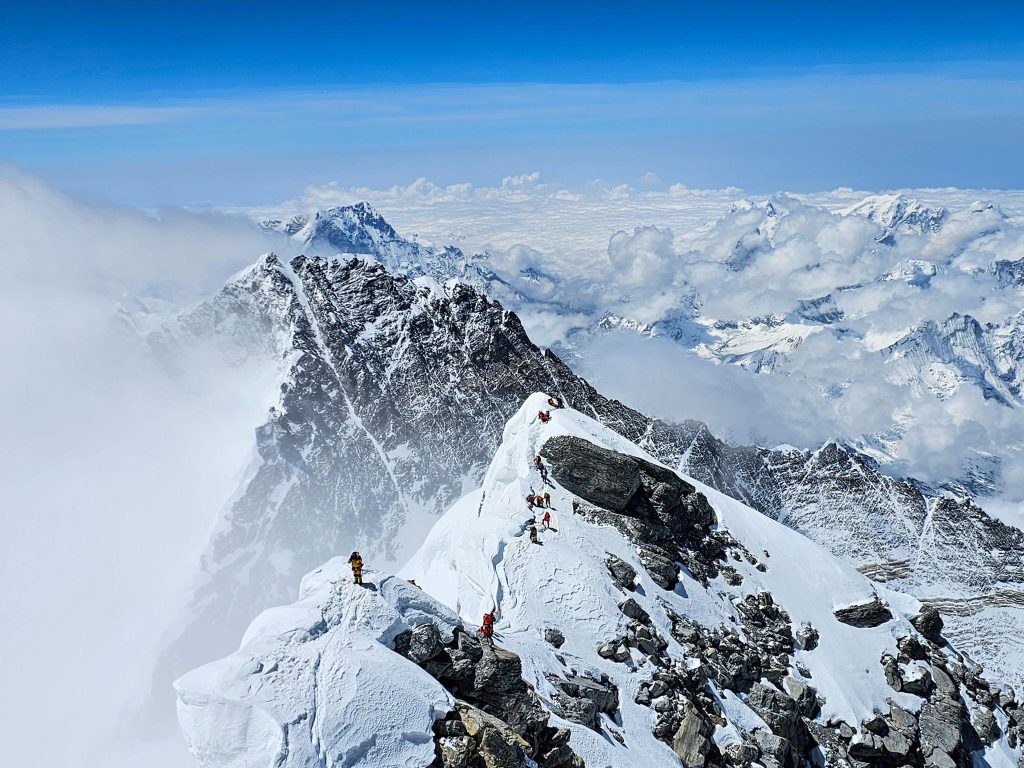
The conference comes at a time of growing concern regarding the risks facing Nepal’s mountainous region, which have impacted settlement patterns, transportation networks and access to remote areas. These issues are pertinent to the development of mountain tourism, as safe roads, reliable information and resilient infrastructure are key to ensuring the safety of both the local community and tourists.
Mountain Safety a Priority Concern for Sustainable Tourism Development in Nepal
Gyamtsho highlighted the recent flooding in the Rasuwa Kerung area and along the Budhi Gandaki River, citing that it demonstrated just how quickly normal conditions had changed. In mountainous environments hazards originating in high altitude areas can exert serious impacts on settlements, infrastructure and livelihoods downstream, and disaster management practices should take into consideration that risks are hard to manage through isolated efforts. For Nepal’s mountain tourism sector, the risks posed by disaster mean that disaster informed development and transport infrastructure will be key to creating safer, more resilient mountain areas.
Roads, bridges, accommodation and other facilities will need to factor in possible hazards in order to make travel and livelihoods possible in Nepal’s high altitude environments. While the conference remarks did not identify tourism routes or businesses that had been impacted by recent floods, the discussion is pertinent to the overall sustainability and long-term development of mountain tourism.
Early Warning Systems and Resilient Infrastructure Necessary
Gyamtsho stressed that disaster management needed to be more than simply emergency rescue and relief; building in early-warning systems and mechanisms for disseminating information on risks was necessary in order to allow for preparedness at the household and community level. He also stressed the need to make homes, roads, bridges, hydropower facilities and other infrastructure safer in order to build resilience to disaster, which he explained could not always be avoided.
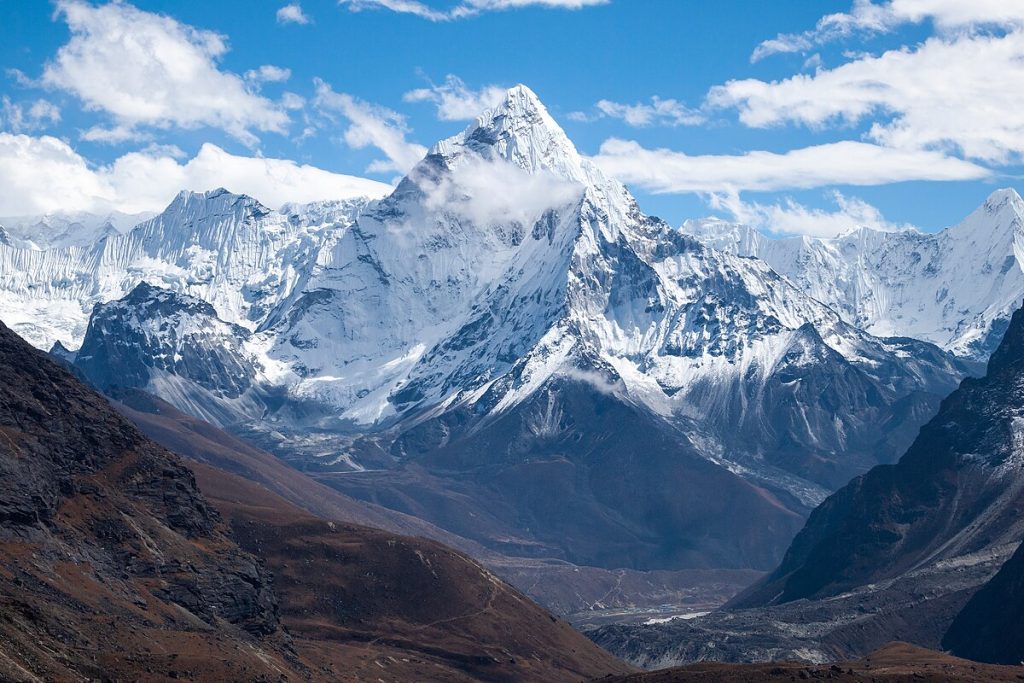
For mountain development efforts, incorporating multi hazard risk assessments into planning, construction and financing decisions will be key to ensuring that new developments do not fall victim to disaster. Such an approach is pertinent to infrastructure for mountain tourism, where safe and reliable access as well as risk communication will be important in ensuring the long term sustainability of the destinations.
ICIMOD Supports Regional Cooperation and Disaster Preparedness
Gyamtsho praised the leadership shown by the Government of Nepal, particularly the National Disaster Risk Reduction and Management Authority (NDRRMA), in the wake of recent disasters. He also expressed his appreciation for the efforts of communities and organisations involved in rescue and support following the events. He reiterated ICIMOD’s commitment to working with the government and other partners to enhance disaster preparedness in the region.
He noted that an ICIMOD regional consultation with NDRRMA’s leadership, supported by the Embassy of Switzerland, had been held to identify lessons learned from the Rasuwa Kerung incident and take stock of cascading mountain hazards across the Hindu Kush Himalaya.
The meeting provided the ‘Kathmandu 10 Action Points’, a set of measures for responding to before, during and after disaster, for regional disaster management authorities to consider in their risk reduction and management efforts. The initiative is pertinent to mountain tourism development, where regional preparedness, information sharing and collaboration can be important in ensuring the resilience of mountain destinations.

Risk Informed Planning Can Bolster Sustainability of Mountain Destinations
This year’s International Day for Disaster Risk Reduction carries the message “Resilience Starts at Home”, encouraging preparedness at the level of household and community rather than simply emergency responses to disaster events. Gyamtsho said that development policies and programs needed to take into account inter connected disaster risk, particularly in light of the fact that hazards in high-altitude areas could result in serious impacts downstream.
ICIMOD will publish its findings on the Rasuwa Kerung disaster and work with the government to publish a similar report on the more recent flooding. These assessments are expected to be vital to building a more comprehensive understanding of disaster risks and informing future preparedness efforts. Incorporating such risk awareness into mountain tourism development in Nepal would be critical to ensuring the long-term sustainability of mountain destinations.
Source: RSS