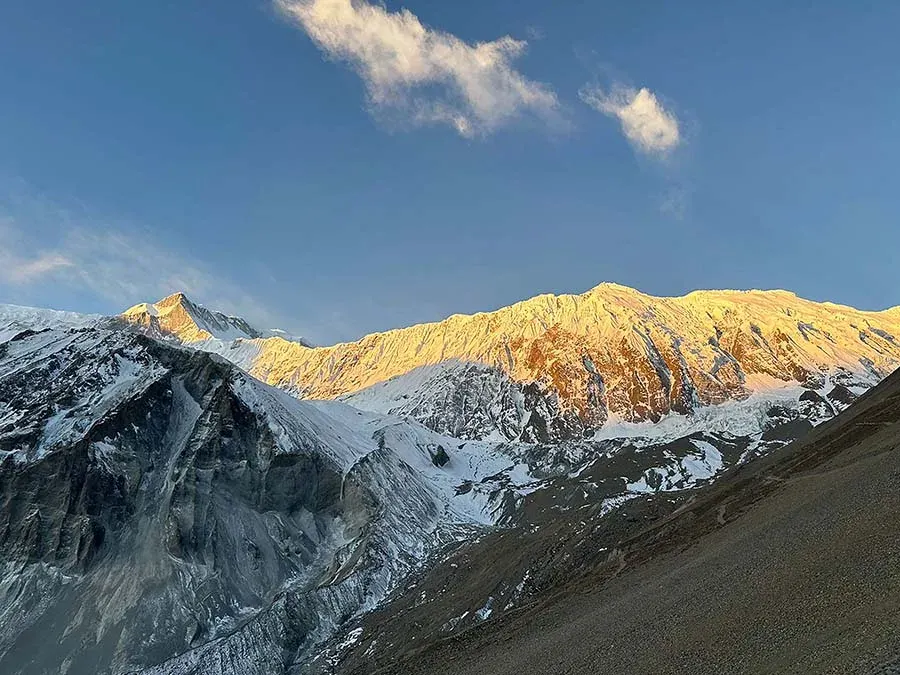
The bodies of two Japanese mountaineers/climbers who went missing while attempting to climb Gangapurna West, also known as Lachenel Peak, in Manang have been recovered after an extensive search operation. The climbers have been identified as Hidesuke Taneishi and Tetsu Hashimoto, who lost contact with their expedition team after October 15 while attempting to summit the 7,140-metre peak.
According to the District Administration Office, Manang, the two climbers had gone missing after reaching an altitude of around 7,050 metres. They had travelled to the mountain through Kathmandu-based Cosmos Adventure Pvt. Ltd., accompanied by a Nepali mountain guide. Following the loss of communication, a helicopter and rescue team were mobilised to locate them, while equipment and bags believed to have been used by the mountaineers were found during the initial search.
Bodies Located on Southern Face
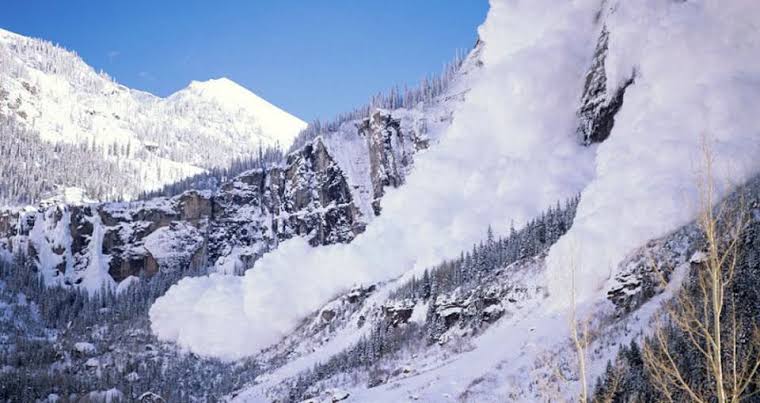
Chief District Officer Mukti Prasad Khanal said the bodies were located on Friday in the southern section of Gangapurna at an altitude of approximately 6,300 metres. The search team later confirmed the bodies as those of the two missing Japanese climbers, bringing an end to the search operation that had continued since their disappearance.
Cosmos Adventure said the bodies were found at approximately 6,210 metres during a search operation conducted on Friday morning. The climbers are suspected to have been caught in an avalanche, although it remains unclear whether they successfully reached the summit of Gangapurna West before the incident.
Climbers Attempted Alpine-Style Expedition
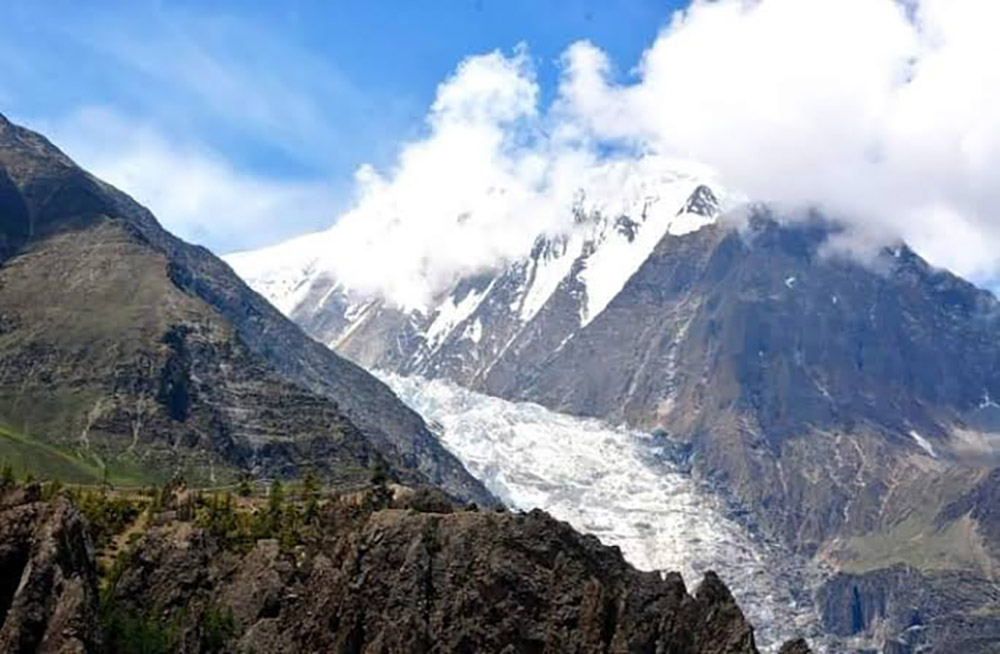
Taneishi and Hashimoto had begun their expedition on October 10, aiming to climb Gangapurna West, which rises to 7,140 metres in Manang. They were attempting the ascent in alpine style, without a dedicated support team, before losing contact five days later. A three-member search team was deployed to locate the missing climbers. The team included senior helicopter pilot Sobit Gauchan, drone pilot Manish Maharjan, and IFMGA/NNMGA mountain guide Pasang Rinzee Sherpa.
The search operation involved aerial reconnaissance and the use of drones to inspect difficult sections of the mountain. The discovery of the climbers’ equipment during the initial phase of the operation helped guide rescuers towards the southern section of the mountain, where the bodies were eventually located.
Bodies Airlifted to Kathmandu
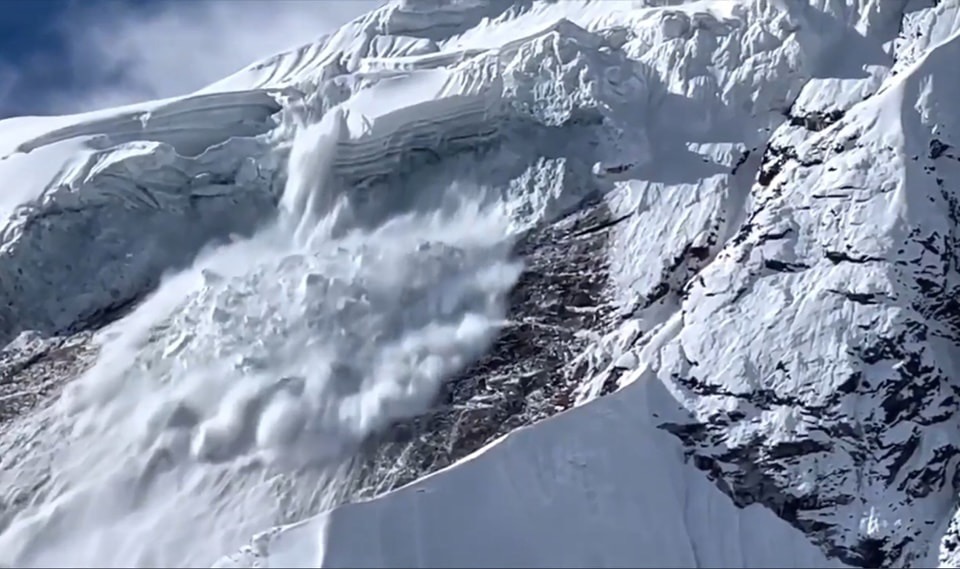
Following the recovery, the bodies of the two Japanese climbers were airlifted to Kathmandu and kept at Tribhuvan University Teaching Hospital for the necessary procedures. Their families have already been informed about the incident. According to Cosmos Adventure, the bodies will be handed over to their family members after they arrive in Kathmandu and the required legal and medical procedures are completed. The process will also be coordinated with the Embassy of Japan in Nepal.
Six Climbers Received Permits This Autumn
According to the Department of Tourism, six climbers, five men and one woman, obtained permits to climb Gangapurna West during the autumn climbing season. The government collected USD 2,400 in climbing permit fees from the expedition permits issued for the peak. The incident has once again highlighted the risks associated with high-altitude mountaineering in Nepal, particularly on technically challenging peaks where rapidly changing weather, avalanches and difficult terrain can pose serious threats even to experienced climbers.