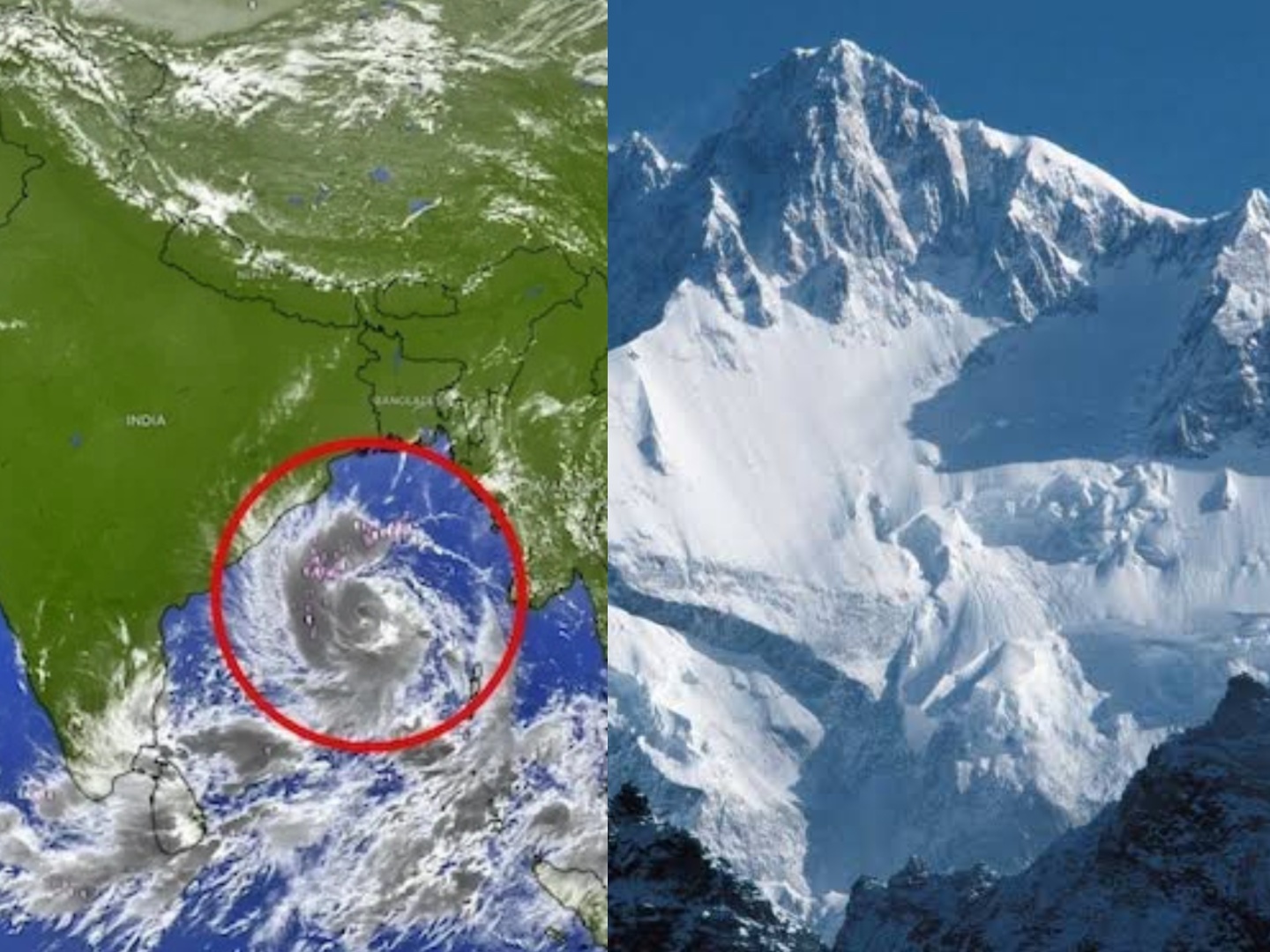
Around 250 domestic and international tourists have been stranded at various trekking settlements in the Kanchenjunga region of eastern Nepal after adverse weather conditions caused by Cyclone Arnab disrupted trekking activities. Heavy snowfall in higher elevations, accompanied by continuous drizzle and falling temperatures in lower areas, has prevented trekkers from continuing towards the base camps or returning along their planned routes. As a result, tourists have taken shelter in local hotels and settlements, with accommodation facilities at several trekking destinations becoming increasingly crowded.
Adverse Weather Disrupts Kanchenjunga Base Camp Treks
The weather conditions have particularly affected trekking routes leading to the northern and southern base camps of Mount Kanchenjunga. Hotels in major trekking settlements, including Ghunsa and Phale, have become crowded as domestic and foreign visitors wait for conditions to improve. Photojournalist Rajiv Limbu, who is travelling towards Kanchenjunga Base Camp, said that hotels in Ghunsa were filled with tourists.
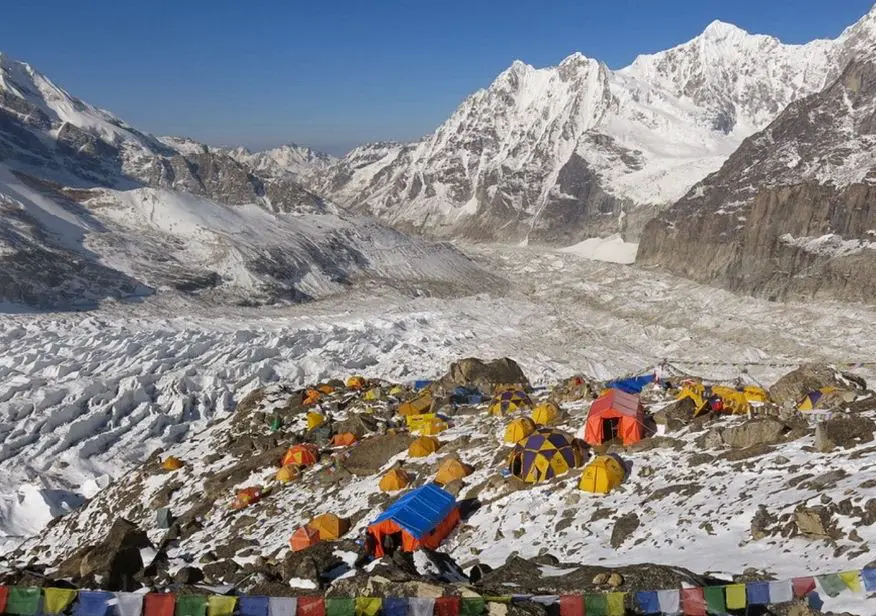
His trekking group has also been staying in the settlement for the past two days due to unfavourable weather. Similarly, journalist Giriraj Baskota of Panchthar reported that hotels in Phale were also occupied by tourists unable to continue their journeys. While continuous drizzle and colder temperatures have affected lower settlements, snowfall has been reported across higher mountain slopes. The northern base camp route settlements of Italitar, Lamatar, Amjilosa, Thangim, Gyabla, Phale, Ghunsa, Kambachen and Lhonak have experienced increased tourist occupancy. Likewise, hotels in Yamphudin, Naya Jhoreni, Torongden, Seram and Ramjel along the southern base camp route have accommodated visitors delayed by the weather.
Makalu Base Camp Trekkers Stranded in Olangchung Gola
The impact of the weather disruption has also extended to the trekking route connecting the Kanchenjunga region with Makalu Base Camp through the Lumba Sumba Pass. A group of international tourists travelling towards the Makalu region has been unable to proceed beyond Olangchung Gola in Phaktanglung Rural Municipality-7, Taplejung. Tourism activist Hemraj Niraula, who is accompanying a team from the Saraf Foundation, said that approximately 60 domestic and international tourists were currently staying in Olangchung Gola.
The foundation’s team had visited the area to conduct research and document the historic Dikichhyoling Monastery and other local attractions. Nearly half of the tourists staying in Olangchung Gola are travelling towards Makalu Base Camp through the Lumba Sumba Pass. Meanwhile, domestic visitors planning to reach Singje through Olangchung Gola have also postponed their journeys due to the unfavourable weather.
Authorities Issue Safety Advisories for Tourists
Following the deterioration in weather conditions, Armed Police Force personnel deployed for border security and local ward offices have issued advisories asking tourists to remain in safe locations until conditions improve. Visitors have been advised to avoid travelling through high-altitude trekking routes and carefully assess weather conditions before resuming their journeys. Chief District Officer Umesh Kumar Dahal confirmed that around 250 domestic and international tourists were currently in the Kanchenjunga region. He stated that no disaster-related incidents had been reported in the district, although tourist movement had been affected. Most visitors are staying in hotels in Olangchung Gola, Ghunsa and Yamphudin.
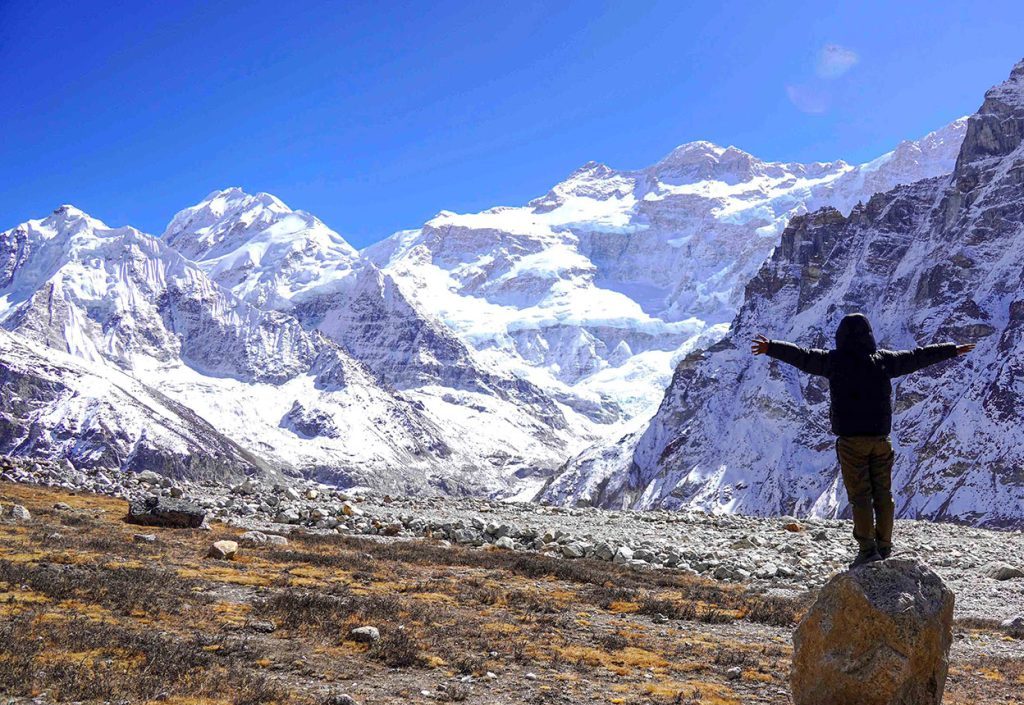
Dahal said that tourists and residents had been advised to remain cautious, while local authorities and security agencies were coordinating to ensure their safety. The sky over Taplejung remained cloudy throughout Thursday, with rainfall continuing since the previous night and snowfall reported in higher-altitude areas.
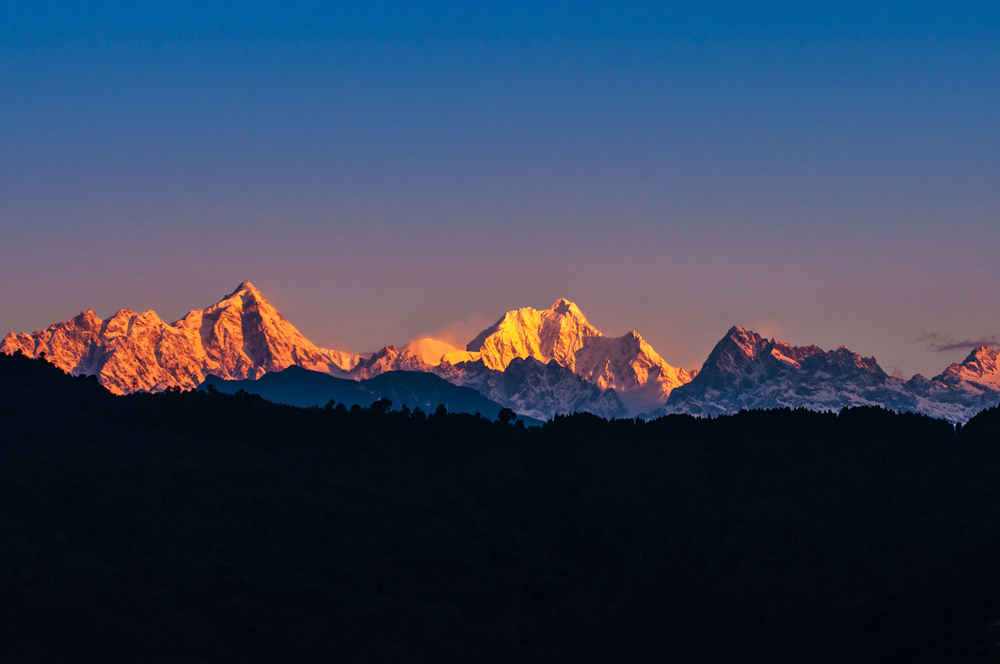
The adverse weather has temporarily disrupted trekking activities in the Kanchenjunga and adjoining Makalu regions, affecting tourist movement and travel itineraries. The situation highlights the importance of checking weather conditions, following local safety advisories and making appropriate travel arrangements before undertaking high-altitude treks in Nepal.