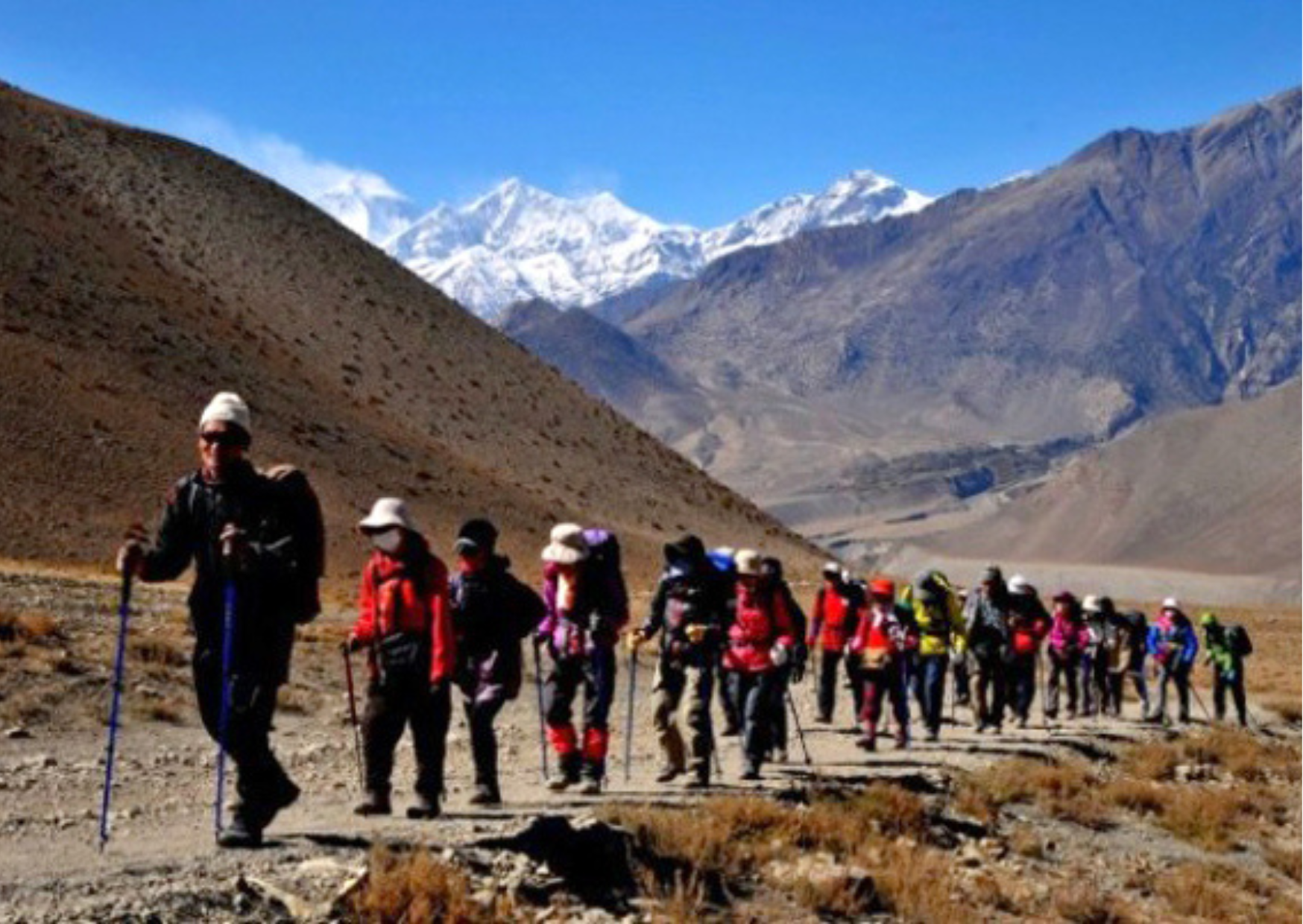
Tourism activities in Mustang have slowed as warnings of heavy snowfall, snowstorms and possible avalanches across the district’s high-altitude areas have prompted visitors to reconsider their travel plans. The District Administration Office, Lo-Manthang Rural Municipality and Lo-Ghekar Damodarkunda Rural Municipality have issued public advisories urging tourists and residents to avoid trekking and travelling in vulnerable areas from Thursday to Saturday due to the expected adverse weather.
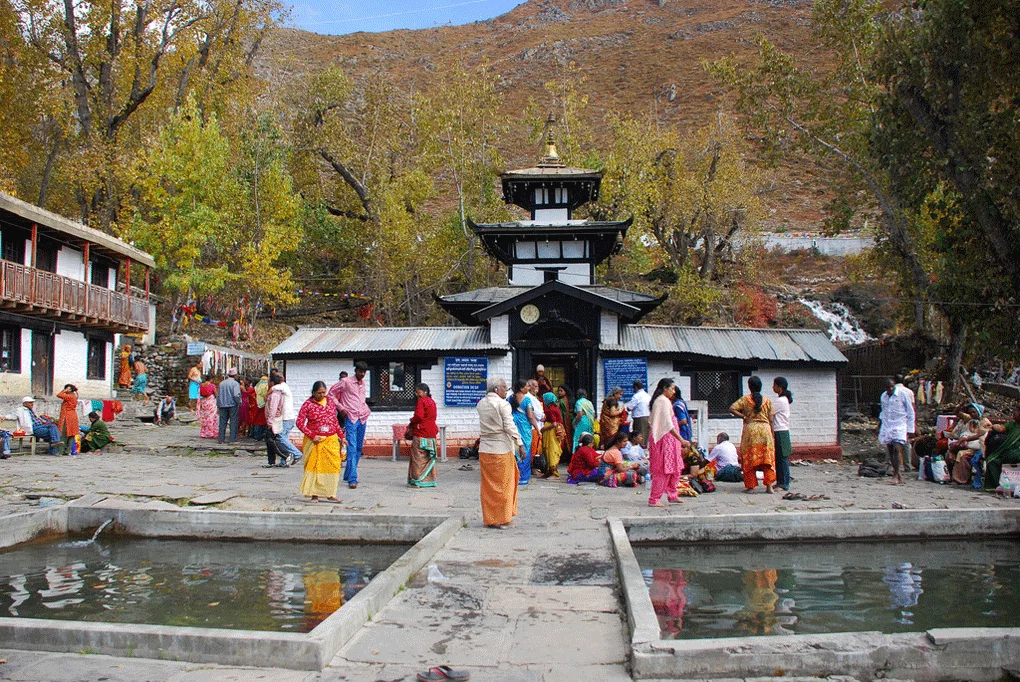
Following the alerts, the number of domestic and international tourists visiting Mustang has declined since Wednesday. Mustang had been receiving around 5,000 tourists daily after the Dashain festival, but visitor numbers have dropped by nearly half. The impact has also been visible at Muktinath Temple, one of the district’s major religious and tourism destinations, where the number of visitors has decreased significantly.

Tourist Arrivals Decline Following Weather Alerts
According to Police Inspector Ishwar Mahat, information officer at the Mustang District Police Office, tourist arrivals began falling as forecasts indicated unfavourable weather conditions for three consecutive days. On Wednesday, 2,834 people entered Mustang through the Beni–Jomsom road. However, this figure also included government employees, security personnel and residents returning to the district after spending their Dashain holidays elsewhere.
On Thursday, 779 vehicles entered Mustang through the Ghasa checkpoint near the Myagdi–Mustang border. Meanwhile, 3,312 people left the district through the Lethe checkpoint of the Area Police Office in Thasang Rural Municipality-3. A total of 799 vehicles were also recorded leaving Mustang on Wednesday, reflecting increased outbound movement following the weather warnings.
Muktinath Temple Sees Fewer Visitors
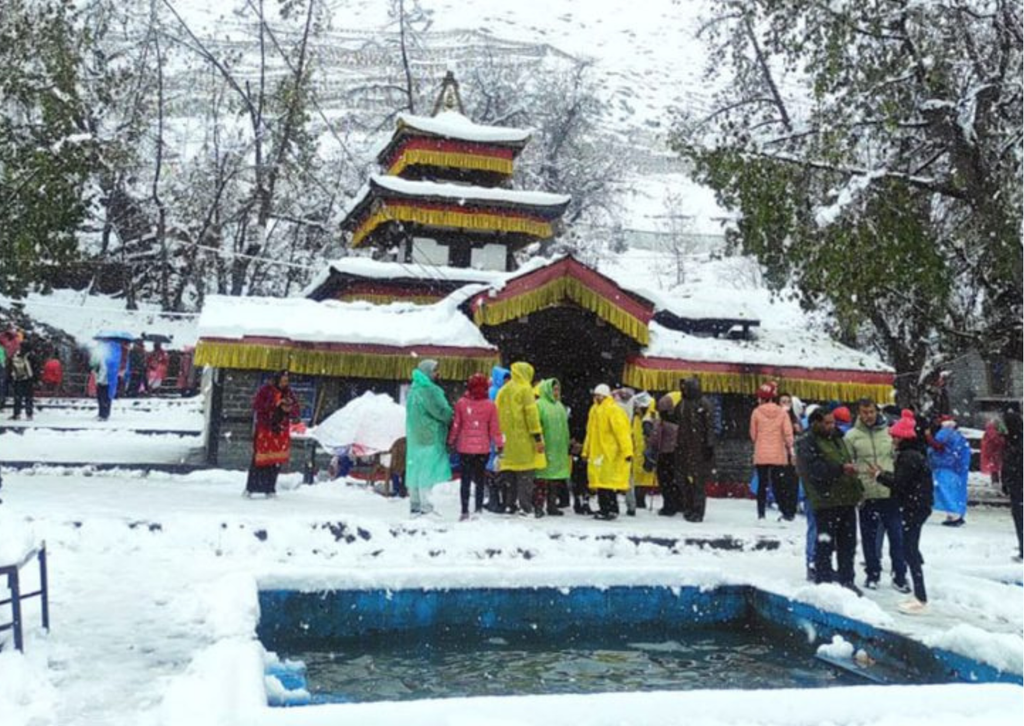
Muktinath Temple, one of Mustang’s most important religious and tourism sites, has also experienced a decline in visitor numbers. Inspector Mahat said that more than 5,000 people had been visiting the temple daily two days earlier, but the number dropped to 2,479 on Wednesday. Of the visitors recorded on Wednesday, 1,300 were domestic tourists, 1,150 were from SAARC countries, and 21 were from other countries. The decline indicates that the weather alerts are affecting both pilgrimage and general tourism activities in the region.
Foreign Tourist Arrivals Fall by 25 Percent
The Annapurna Conservation Area Project (ACAP), Jomsom, has also reported a reduction in foreign tourist arrivals. Rajesh Gupta, chief of the Annapurna Conservation Area Project (ACAP) Jomsom office, said the number of foreign tourists entering Mustang had declined by around 25 percent on Thursday, following the weather warnings.
According to the tourist permit checkpoint operated by the Annapurna Conservation Area Project (ACAP), 3,969 foreign tourists entered Mustang over the four days. The checkpoint recorded 994 arrivals on October 25, 1,060 on October 26, and 916 on October 27. By 6 pm on October 29, the number of foreign tourist arrivals had reached 601. Gupta also said that 130 foreign tourists who had entered Mustang had departed through Jomsom, according to the data released by the Annapurna Conservation Area Project (ACAP).
Authorities Advise Against High-Altitude Travel
Local authorities of Mustang have urged tourists and residents to remain cautious as heavy snowfall, snowstorms, and possible avalanches pose risks in Mustang’s high-altitude areas. Tasi Norbu Gurung, chairperson of Lo-Manthang Rural Municipality, has requested visitors to avoid travelling to the Korala border and surrounding areas. He has also advised residents not to operate vehicles in vulnerable locations during the period of adverse weather.
The advisory covers Thursday through Saturday and warns that accumulated snow could make roads dangerous, increasing the possibility of vehicle accidents. Extreme cold could also create health risks for travellers. Tourists already in the region have been asked to follow safety instructions and exercise extra caution, while trekking in high-altitude and mountainous areas has been discouraged until weather conditions improve.