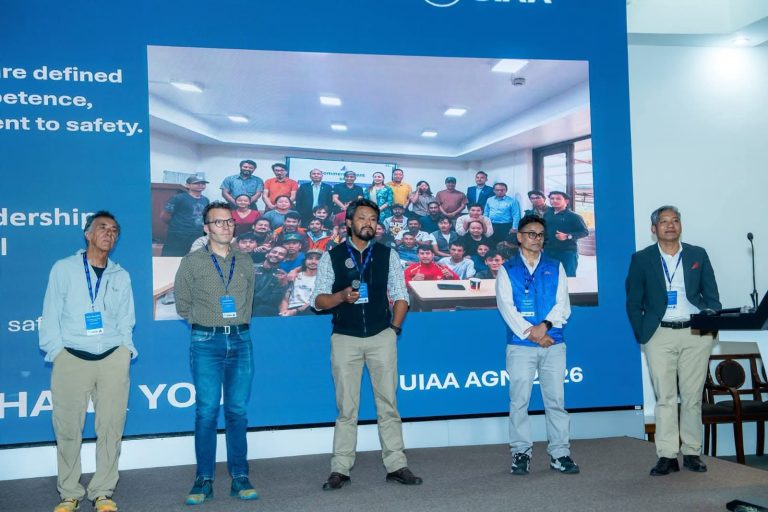
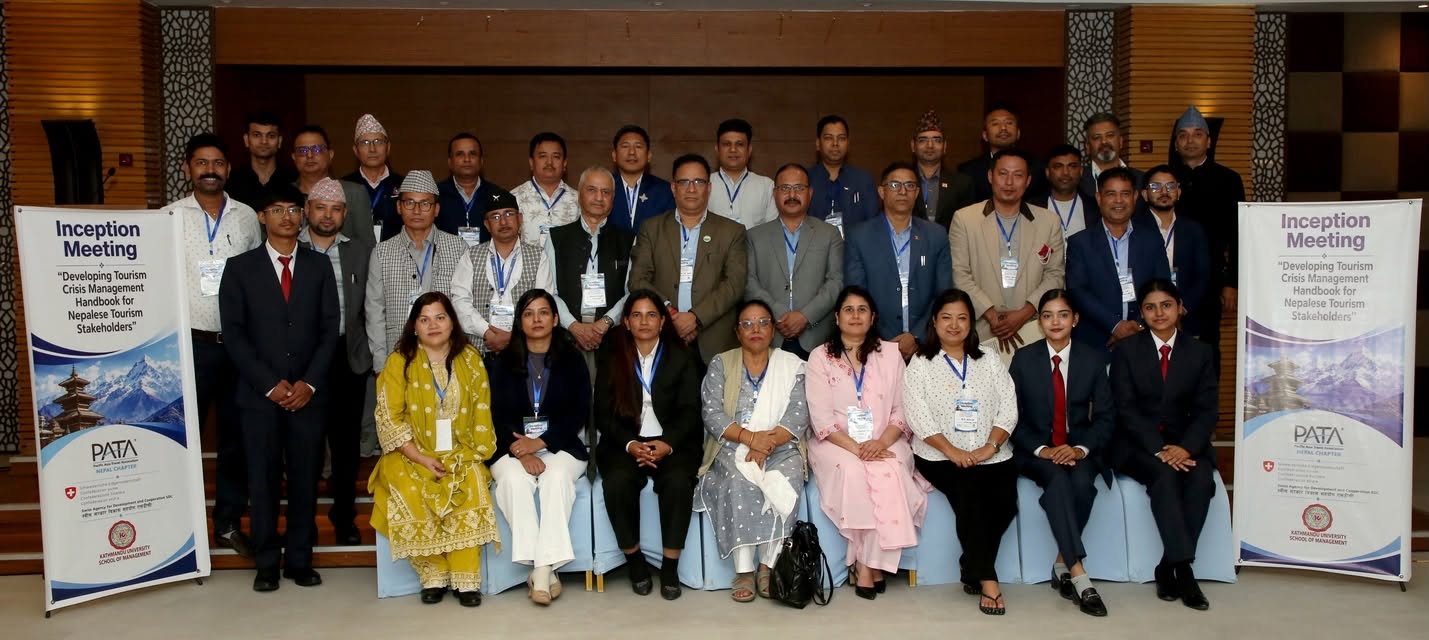
Koshi Province is taking steps to strengthen tourism crisis preparedness, emergency response and recovery through a collaborative initiative led by Kathmandu University School of Management (KUSOM) and the PATA Nepal Chapter. The two organizations convened the Koshi Provincial Inception Meeting for the project titled “Developing Tourism Crisis Management Handbook for Nepalese Tourism Stakeholders” at Soaltee Westend Hotel in Itahari on October 30, 2026. The program was hosted by the Ministry of Tourism, Forests and Environment of Koshi Province.
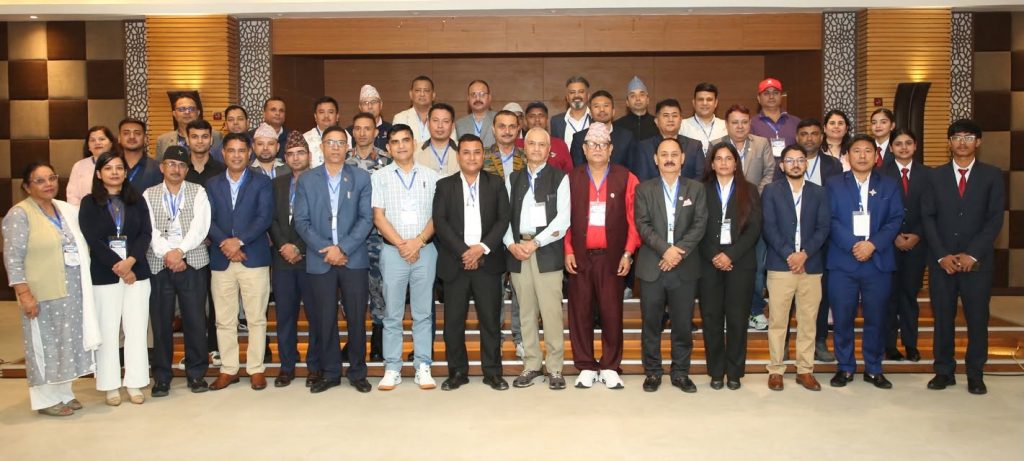
Provincial Leaders and Tourism Stakeholders Join the Initiative
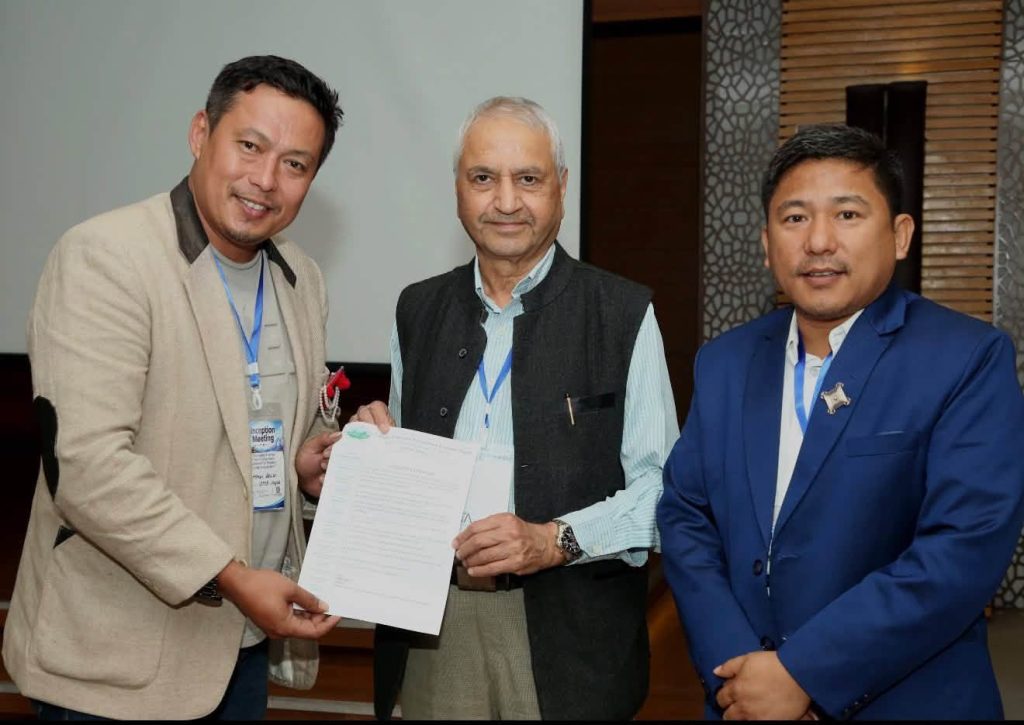
The meeting was attended by Krishna Prasad Sapkota, Secretary of the Ministry of Internal Affairs and Law, Koshi Province; Dr. Indra Prasad Sapkota, Secretary of the Ministry of Tourism, Forests and Environment; and Toya Prasad Khatiwada, Member of the Koshi Province Planning Commission. Provincial government officials and representatives from various tourism related organizations also participated in the programme.
The gathering brought together stakeholders from provincial government institutions, tourism associations, security agencies, tourism businesses, conservation organizations, academic institutions, media and development partners. Their participation provided an opportunity to share experiences and perspectives on the challenges of managing tourism related crises across Koshi Province.
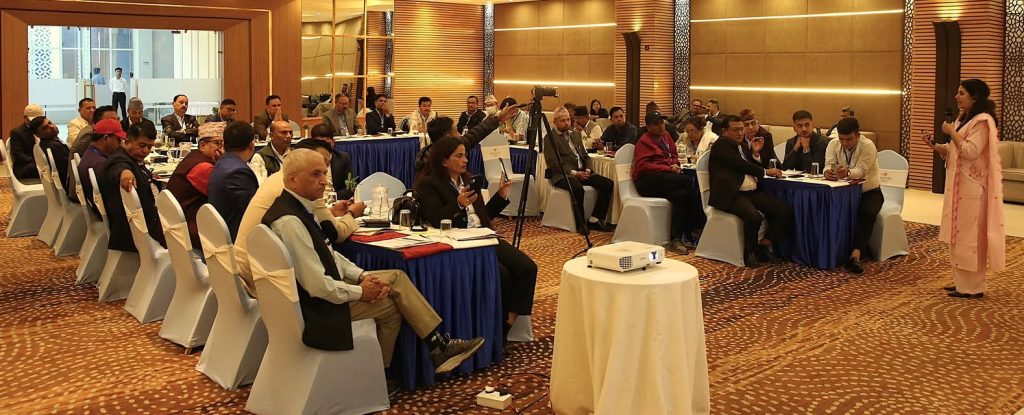
Discussions Focus on Tourism Preparedness and Emergency Response
The discussions focused on reviewing existing practices, sharing institutional experiences and identifying priorities for improving tourism crisis management. Participants explored ways to strengthen coordination among government agencies, tourism organizations and other institutions involved in managing emergencies that affect the tourism sector. The exchange of ideas also helped highlight areas where existing crisis management approaches could be improved.
Particular attention was given to tourism crisis preparedness, emergency response and recovery mechanisms. The meeting emphasized the importance of coordinated action among different stakeholders to improve the sector’s ability to respond to unexpected disruptions and support the recovery of affected tourism businesses and destinations. Participants also highlighted the need for stronger cooperation to ensure that tourism related emergencies are managed effectively and recovery efforts are better coordinated.
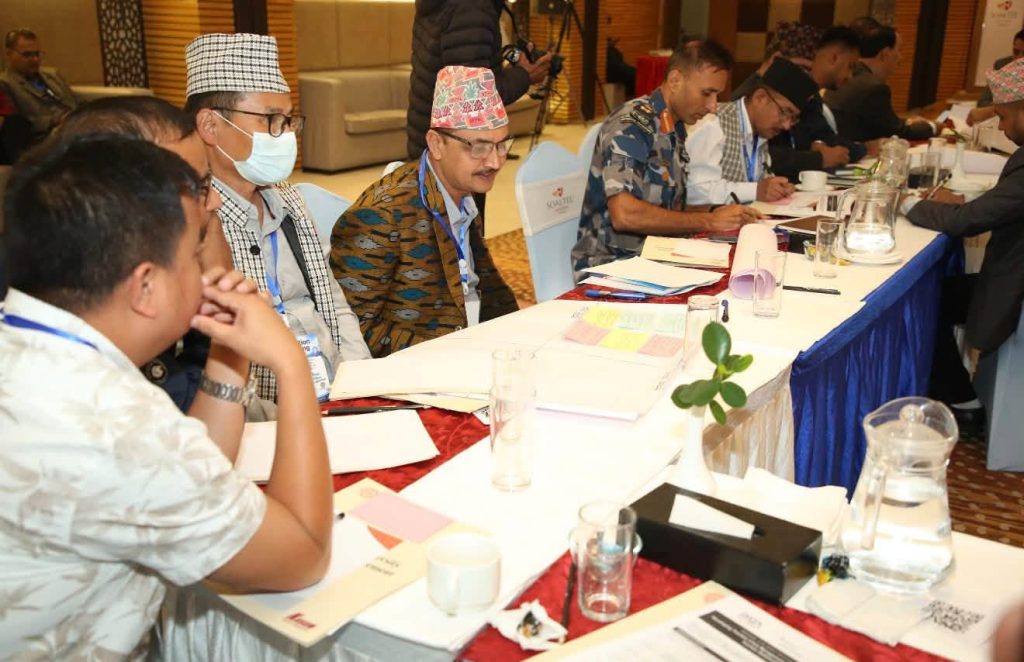
Tourism Crisis Management Handbook to Guide Stakeholders
The central objective of the initiative is to develop a practical, need driven handbook that addresses the crisis management requirements of Nepal’s tourism industry. The proposed publication will draw on stakeholder experiences and institutional knowledge to provide relevant guidance for organizations involved in tourism preparedness, emergency response and recovery. It will also help establish a more structured approach to managing tourism related risks and disruptions.
The handbook is intended to strengthen crisis management capacities across Nepal’s wider tourism ecosystem. By incorporating the experiences and priorities of different stakeholders, the project aims to create a useful resource that reflects the practical needs of Nepal’s tourism sector. It is expected to support better coordination and informed decision-making among tourism stakeholders when responding to future crises.
Swiss Agency Supports Tourism Resilience Initiative
The project is supported by the Swiss Agency for Development and Cooperation (SDC) and brings together academic institutions, tourism organizations and government stakeholders. The collaboration aims to translate existing knowledge and practical experiences into a structured resource that can support more effective tourism crisis management in Nepal. The involvement of different institutions is expected to encourage shared responsibility and a coordinated approach to handling tourism-related challenges. It also highlights the importance of collaboration in building a more resilient tourism sector.
The Koshi Provincial Inception Meeting marks an important step in gathering provincial perspectives for the handbook’s development. Through continued stakeholder engagement, the initiative seeks to strengthen institutional coordination and improve the preparedness and resilience of Nepal’s tourism industry in the face of future crises. The insights gathered from provincial stakeholders will help ensure that the handbook addresses practical challenges faced by the tourism sector. This approach is expected to contribute to better preparedness and more effective recovery planning across Nepal’s tourism destinations.