A newly constructed museum dedicated to the Aathpahariya community in Dhankuta is awaiting its public opening, with preparations underway to launch it during the community’s major festival, Wadāngmet, in Mangsir 2083. Located near Bihibare Hatiya in Dhankuta Municipality 4, the museum has been established to preserve the community’s history, traditions and distinctive way of life. Although most of the building construction has been completed, several preparations, including interior management and the collection and documentation of cultural artefacts, remain unfinished. Once operational, the museum is expected to strengthen indigenous heritage preservation while adding a new cultural tourism attraction to Dhankuta.
1. Museum Building Completed but Awaiting Public Opening
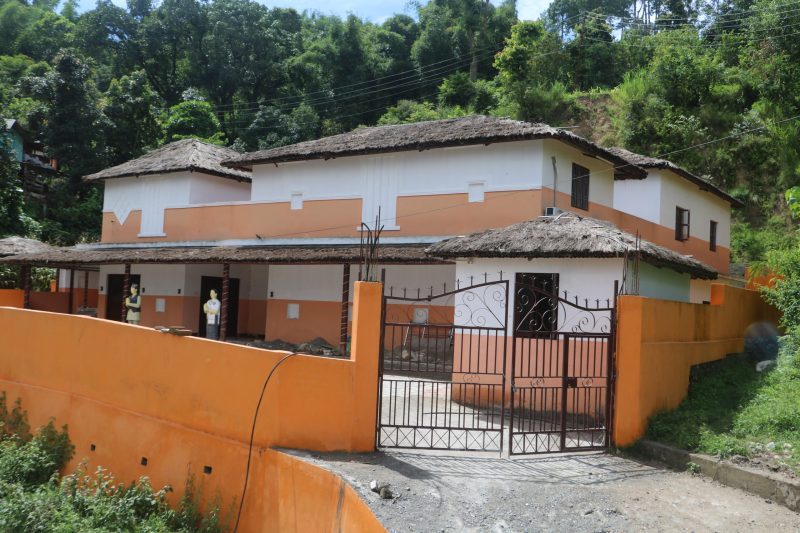
The two storey Aathpahariya Museum has been constructed on approximately three ropanis of land near Bihibare Hatiya in Dhankuta Municipality 4. The building contains 10 rooms and a main hall, with a traditional thatched roof designed to reflect the architectural identity of the Aathpahariya community. Its structure combines modern construction with elements of traditional design, connecting the museum’s physical appearance with the heritage it is intended to preserve. Despite substantial progress, the museum has yet to welcome visitors.
The museum was initially expected to begin operations during the community’s Wadāngmet festival last year, but the planned opening did not take place. Construction was supported by an allocation of Rs 50 lakh from the federal government and Rs 2.08 crore from Dhankuta Municipality during fiscal year 2078/79. While most of the building work has been completed, the courtyard, interior arrangements, collection of exhibits and technical preparations are still pending. The remaining work must be completed before the museum can function as a public exhibition and cultural learning centre.
Preserving Aathpahariya History and Traditional Way of Life
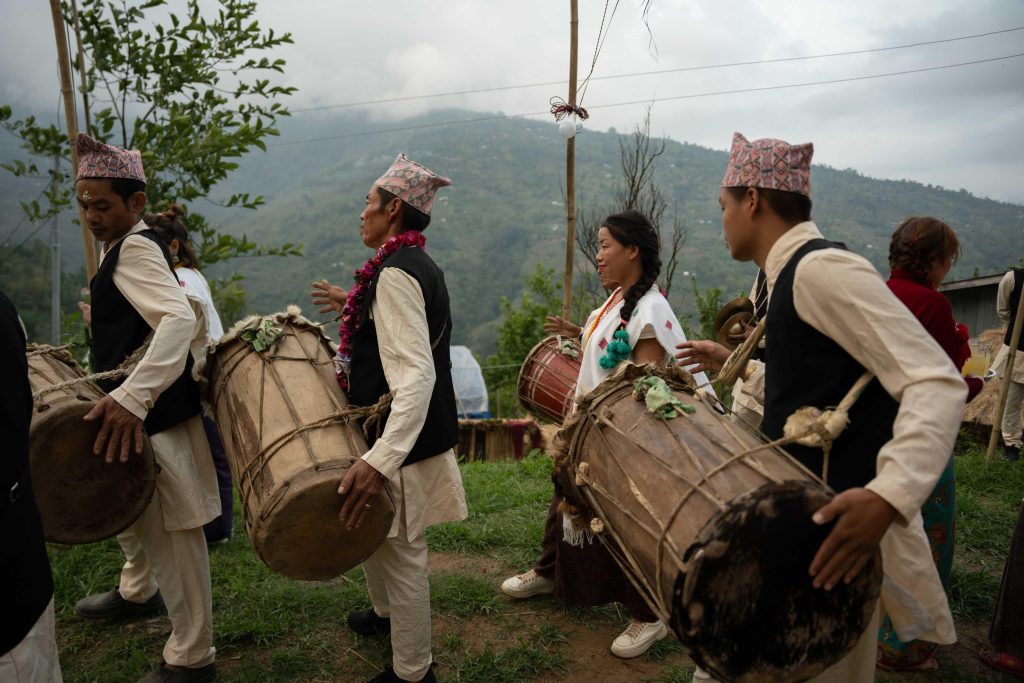
The museum is intended to safeguard the cultural identity of the Aathpahariya community as traditional practices and everyday customs gradually change under the influence of modern lifestyles and migration. Clothing, musical instruments, agricultural tools and household objects that once formed an essential part of daily life are increasingly disappearing from regular use. The museum aims to preserve these objects while documenting their historical and cultural significance for future generations. It will also provide younger members of the community with an opportunity to understand the lives and traditions of their ancestors.
According to Komal Aathpahariya, central general secretary of the Kirat Aathpahariya Society, the museum plans to display traditional clothing, musical instruments, agricultural equipment, household materials and objects associated with religious and cultural practices. The exhibits are expected to illustrate the community’s traditional occupations, social customs, beliefs and everyday activities. Plans also include information about the community’s 22 Margathani and 52 Chule, as well as its customs and ceremonies from birth to death. These collections could make the museum a valuable resource for students, researchers and visitors interested in indigenous history and culture.
Bisu, Nwagi and Wadāngmet: Celebrating Aathpahariya Traditions
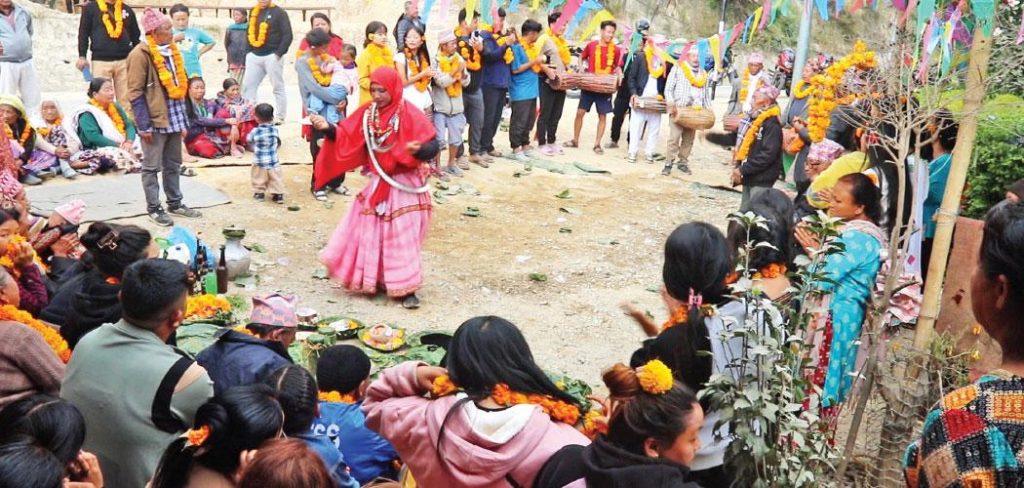
The Aathpahariya community has three major annual festivals: Bisu, also known as the Baisakhe festival in Baisakh; Nwagi, celebrated in Bhadau; and Wadāngmet, observed in Mangsir. These celebrations reflect the community’s relationship with nature, agriculture, ancestral traditions and collective identity. Bisu marks the arrival of the new year and is observed with prayers for peace, prosperity and harmony. The eight day celebration includes rituals seeking rainfall and favorable conditions for planting crops, alongside ceremonies associated with household and agricultural life.
Nwagi is celebrated after the harvest, when newly grown crops are first offered to ancestors and family deities before being consumed by the community. The festival traditionally lasts six days and reflects gratitude for rainfall and a successful agricultural season. Wadāngmet is regarded as the community’s largest festival and is celebrated over 15 days in Mangsir. Its observances include family and ancestral rituals, traditional dances and musical performances such as Dhol, Maruni and Dallo, alongside distinctive customs associated with family milestones and mourning ceremonies. These festivals provide an important opportunity for visitors to learn about the community’s living cultural heritage.
Cultural Tourism Potential and Challenges in Museum Management
The museum is expected to contribute to Dhankuta’s tourism promotion by offering visitors an opportunity to explore the Aathpahariya community’s history, cultural practices and traditional lifestyle. Its planned exhibitions could attract domestic and international tourists, particularly students, researchers and people interested in indigenous communities. The display of traditional artefacts, religious practices, festivals and community history could also complement other cultural experiences available in Dhankuta. By presenting these traditions in an organised setting, the museum has the potential to become an important destination for cultural learning and heritage tourism.
However, completing the building alone will not guarantee its successful operation. Long term preservation of exhibits, security, exhibition management, staffing and a clear operating framework are among the major requirements still to be addressed. Dhankuta Municipality is considering providing an annual grant to the Aathpahariya Society to manage the museum, but the society has not yet agreed to take full responsibility. While the municipality is expected to operate it initially, society vice-chairperson Surya Aathpahariya believes management should be transferred to the community only after the museum begins generating income. Resolving these management arrangements and completing the remaining preparations will be essential to opening the museum and realising its cultural tourism potential.