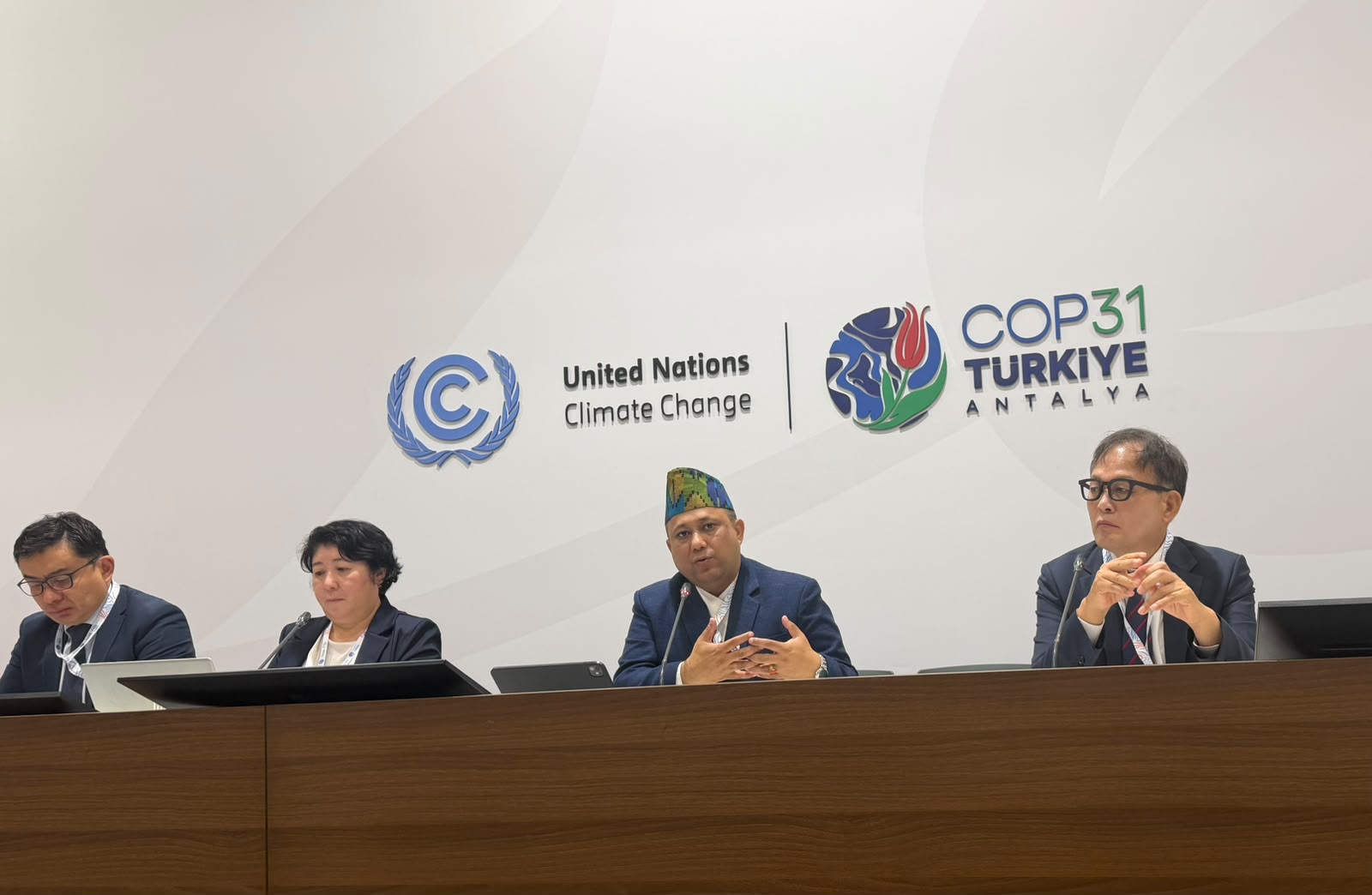
Nepal has called on the international community to significantly strengthen climate adaptation financing and make climate funds more predictable, accessible and responsive to the needs of vulnerable mountain regions facing increasingly severe impacts of climate change.
Minister for Foreign Affairs Shisir Khanal made the appeal while addressing a high-level event titled “Strengthening Mountain Resilience through Adaptation Finance”, held on the sidelines of the 31st Conference of the Parties (COP31) to the United Nations Framework Convention on Climate Change (UNFCCC) in Antalya, Türkiye.
The event was organized as part of efforts to draw greater international attention to the unique climate vulnerabilities of mountain countries and the urgent need to scale up adaptation measures. COP31 began in Antalya on Monday, bringing together countries and stakeholders to discuss global climate action and responses to the escalating impacts of climate change.

Nepal Highlights Growing Climate Threats to Mountain Communities
Minister Khanal highlighted the devastating Bhotekoshi flood of August 26 as an example of the growing threat posed by climate-induced disasters to Nepal’s mountain communities, infrastructure and economy. Referring to the disaster, he underscored the significant economic, physical and human costs associated with climate-related events.
He stressed that the impacts of such disasters are particularly severe in mountainous regions, where fragile ecosystems, difficult terrain and limited infrastructure can increase the vulnerability of communities. Khanal emphasized that stronger regional and international cooperation is essential to protect mountain populations from increasingly intense and frequent climate impacts. He called for greater recognition of the specific challenges faced by mountain countries within global climate negotiations and financing mechanisms.
Mountain Resilience Must Become a Global Climate Priority
The Foreign Minister highlighted the critical role of mountain ecosystems in sustaining livelihoods and supporting the well-being of populations around the world. He noted that nearly one-third of the global population depends directly on mountain ecosystems for their livelihoods and well-being. Against this backdrop, he called for mountain resilience to receive greater prominence within the global climate change agenda.
According to Khanal, protecting mountain ecosystems and communities is not only a priority for individual mountain countries but also a global necessity because of the wider environmental, economic and social services provided by mountain systems. He stressed that investment in climate adaptation in mountain regions should be viewed as an essential component of global climate resilience rather than as a regional concern.
Nepal Seeks Predictable and Accessible Adaptation Finance
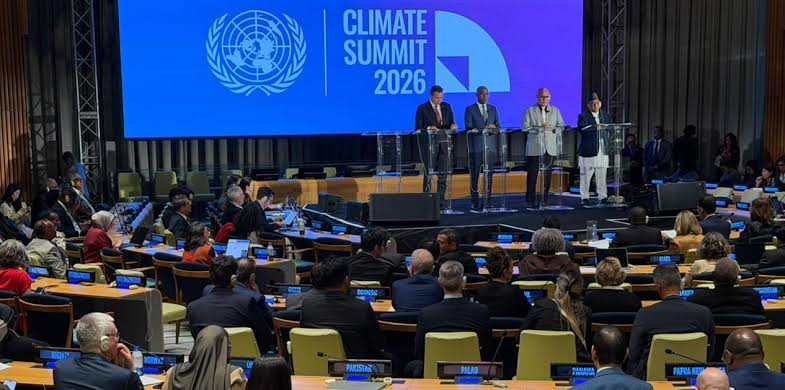
A major focus of Khanal’s address was the need to increase both the volume and mobilization of climate finance dedicated to adaptation. He urged the international community to ensure that climate finance is predictable, sustainable and easily accessible, particularly for developing and climate-vulnerable countries. He stressed that countries on the frontlines of climate change need practical access to financial resources to strengthen infrastructure, protect communities, restore ecosystems and prepare for climate-related disasters.
Nepal has consistently highlighted the gap between the scale of climate impacts faced by vulnerable countries and their ability to access international climate financing. Khanal’s appeal at COP31 reiterated the need for financing mechanisms that can respond more effectively to the realities faced by mountain nations.
Coalition of Mountain Countries Calls for Stronger Cooperation
The high-level programme was jointly hosted by a coalition of mountain countries comprising Nepal, Bhutan and Kyrgyzstan, in partnership with the International Centre for Integrated Mountain Development (ICIMOD) and the JOY Environment Network. The participation of the three mountain countries reflected a shared effort to bring mountain-specific concerns to the forefront of international climate discussions.
The event provided a platform to highlight the common challenges faced by mountain regions, including climate-induced disasters, ecosystem degradation, water-related risks and threats to vulnerable communities. The organizers stressed the importance of collective efforts among mountain countries, development partners and international financial institutions to strengthen resilience and accelerate adaptation.
Nepal Reaffirms Commitment to the 1.5°C Goal
Minister Khanal also reaffirmed the urgency of global climate action and called on the international community to continue working toward the goal of limiting the rise in global average temperature to 1.5 degrees Celsius. He emphasized that achieving the temperature goal requires stronger collective action and increased commitment from countries around the world.
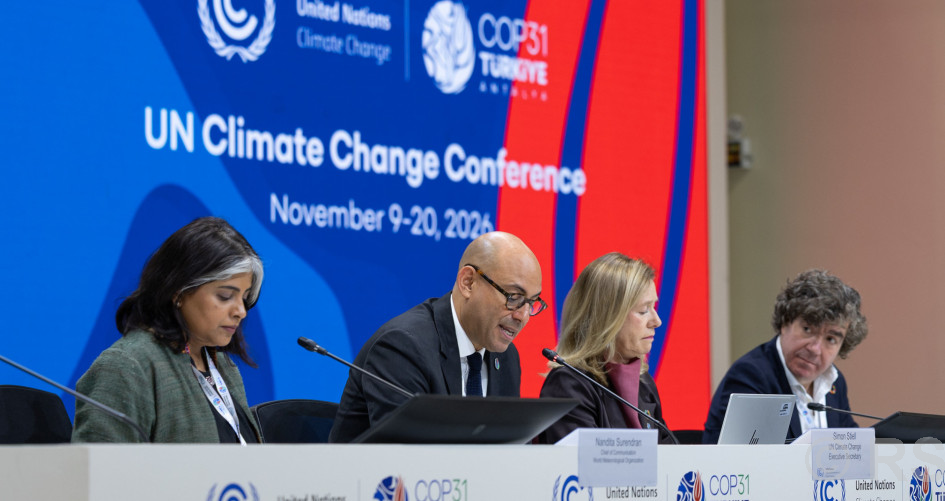
For climate-vulnerable countries such as Nepal, limiting global warming remains particularly important as the consequences of rising temperatures are already being experienced through extreme weather events and growing risks to communities and ecosystems. Khanal stressed that addressing the climate crisis requires coordinated international action, stronger financial commitments and meaningful cooperation between developed and developing countries.
Nepal Pushes Mountain Agenda at COP31
Nepal’s participation in the high-level event reflects its continued efforts to place the concerns of mountain countries at the centre of international climate negotiations. By highlighting the impacts of disasters such as the Bhotekoshi flood and calling for stronger adaptation financing, Nepal is seeking greater global recognition of the challenges confronting mountain communities.
The country has emphasized that mountain regions are among the areas most vulnerable to climate change despite contributing relatively little to global greenhouse gas emissions. Strengthening resilience, therefore, requires not only national efforts but also increased international support, technology, capacity building and accessible climate finance. At COP31, Nepal is continuing to advocate for stronger global action to protect mountain ecosystems and communities while ensuring that vulnerable countries have the resources necessary to adapt to a rapidly changing climate.