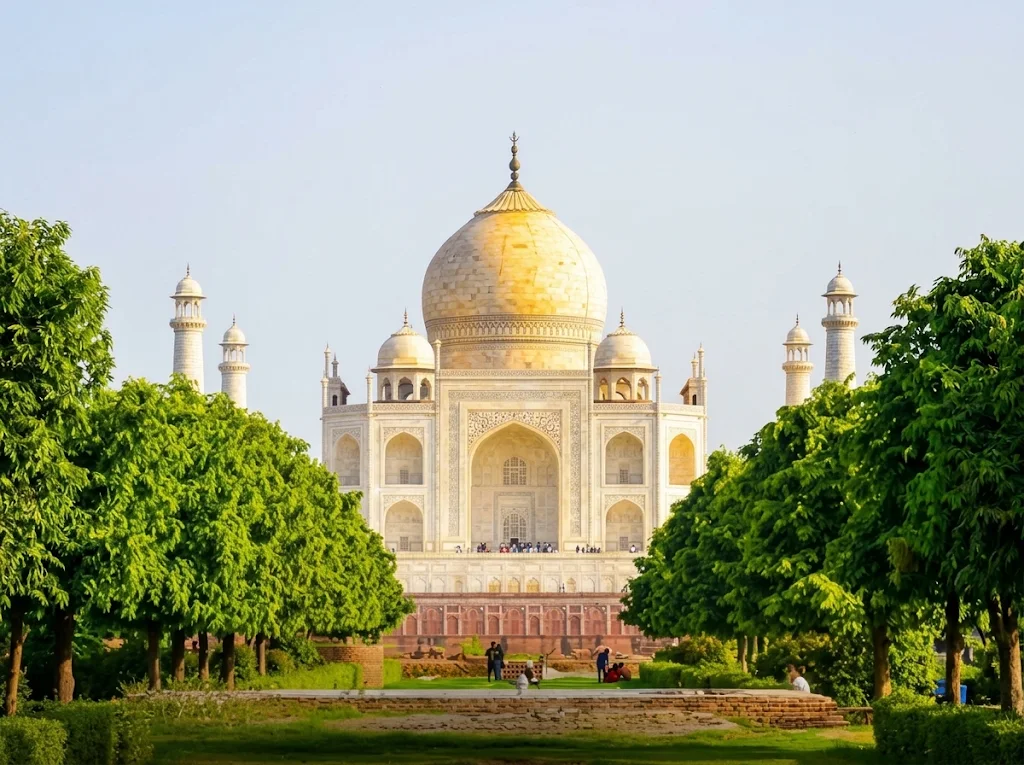
India has received a major international tourism spotlight after being named Destination of the Year for 2027 by Travel and Leisure. The recognition highlights the country’s diverse travel experiences, ranging from tropical islands and historic cities to wildlife reserves, mountain landscapes and culturally rich regions. It also offers an opportunity to draw attention to destinations beyond the country’s familiar tourist circuits. For travelers planning their next holiday, India presents a wide range of experiences across its different states and regions.
From the turquoise lagoons of Lakshadweep to the historic riverfront of Varanasi, the country offers destinations suited to different travel interests. Its attractions include palace architecture, ancient temples, wildlife safaris, traditional cuisine, coastal villages and distinctive natural landscapes. The 10 destinations highlighted below reflect this geographical and cultural variety. Together, they provide a useful starting point for exploring India in 2027.
10 Indian Destinations Highlight the Country’s Diverse Tourism Appeal
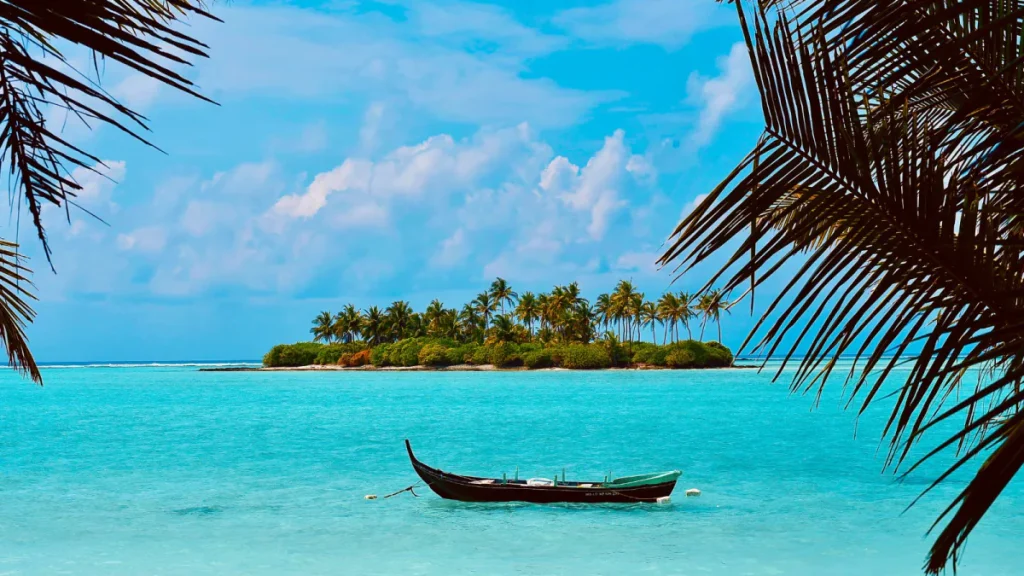
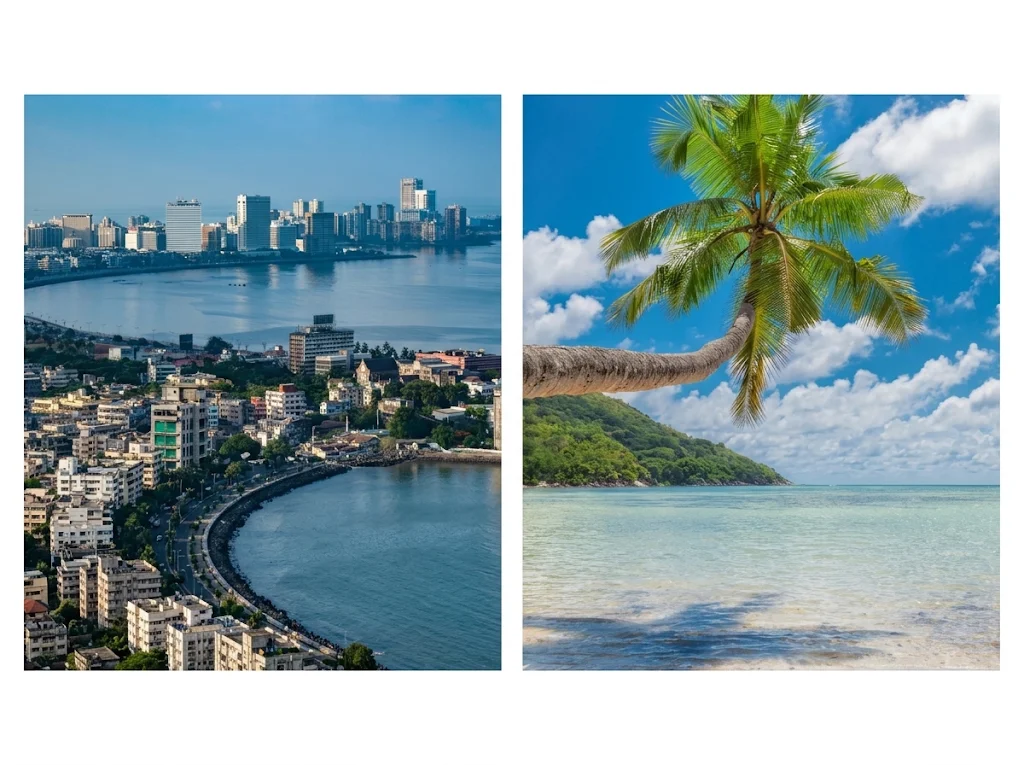
Lakshadweep stands out for its coral reefs, clear lagoons and tropical island scenery along India’s southwestern coast. The archipelago consists of 36 islands, with Agatti, Bangaram and Kavaratti among the places visitors may explore, subject to entry permits and access requirements. Activities such as snorkelling, scuba diving, kayaking and glass bottom boat rides offer opportunities to experience its marine environment. Meanwhile, Udaipur in Rajasthan attracts visitors with its lakeside setting, historic palaces and heritage hotels, including attractions such as City Palace, Jag Mandir and Sajjangarh’s Monsoon Palace.
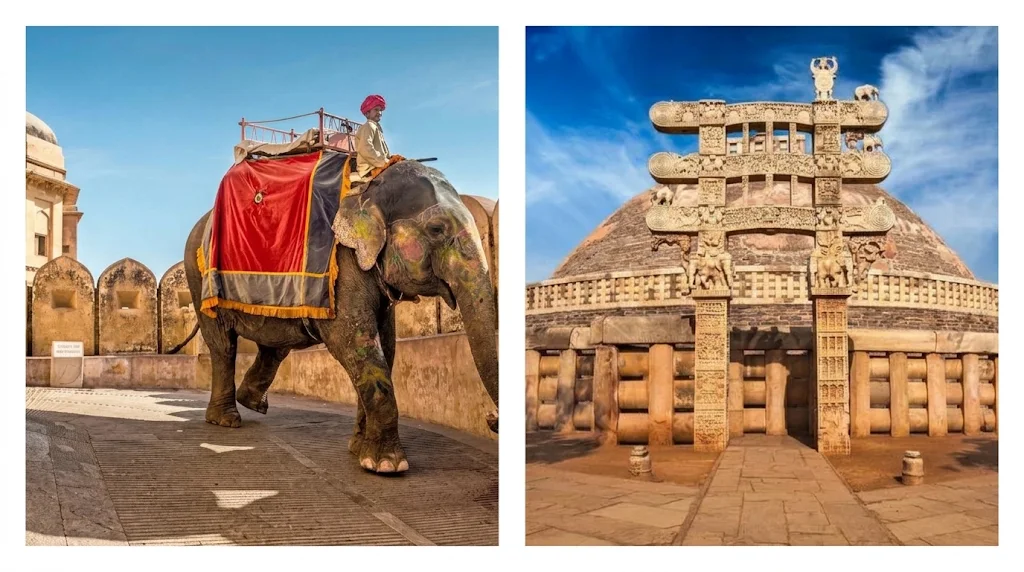
Madhya Pradesh offers a combination of wildlife tourism and architectural heritage, making it an appealing destination for travellers interested in varied experiences. Its well known tiger reserves include Kanha, Bandhavgarh, Pench and Panna, while Khajuraho, Orchha and Bhimbetka provide opportunities to explore historic and archaeological attractions. The state’s mix of forests, temples and heritage sites allows visitors to combine different interests within one itinerary. These destinations also demonstrate how wildlife and cultural tourism contribute to India’s broader travel appeal.
Heritage, Architecture and Nature Create Distinctive Travel Experiences
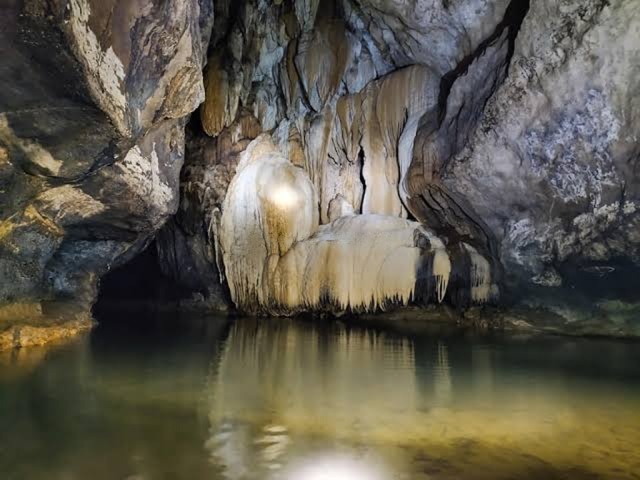
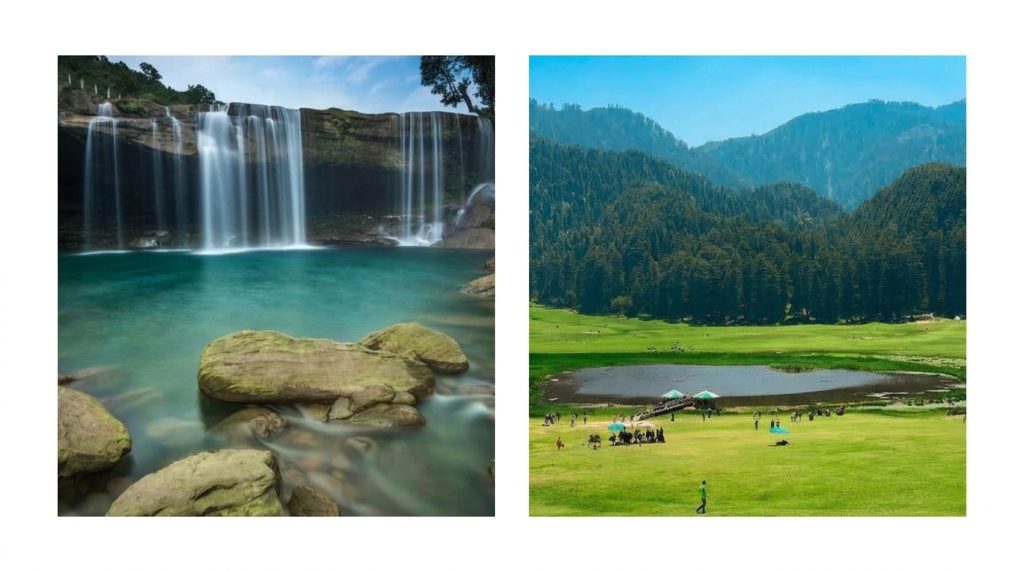
Chettinad in Tamil Nadu is recognised for its grand traditional mansions, particularly in Karaikudi and Kanadukathan, where architecture reflects the region’s historic mercantile community. Visitors can explore ornate homes and experience the area’s distinctive food culture, known for spice rich flavours and aromatic preparations. In Meghalaya, Mawsynram offers a different experience through its rainfall, green hills, waterfalls and extensive cave landscapes. Mawjymbuin Cave is among the area’s notable natural attractions, adding an opportunity for visitors to explore the region beyond its famous monsoon scenery.
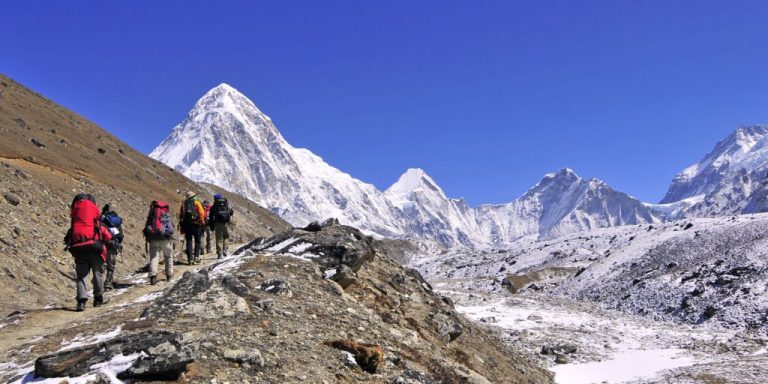
Khajjiar in Himachal Pradesh is known as the “Mini Switzerland of India” because of its green meadow, surrounding deodar forests and Himalayan mountain views. The destination offers opportunities for nature walks, horse riding and relaxed visits around its meadow and lake. Its mountain setting makes it an attractive option for travellers seeking a quieter holiday surrounded by nature. Together, Chettinad, Mawsynram and Khajjiar demonstrate the range of architectural, natural and outdoor experiences available across India.
Mumbai and Goa Offer Urban and Coastal Tourism Experiences
Mumbai, the capital of Maharashtra, combines colonial-era architecture, art spaces, waterfront attractions and a diverse food scene. Visitors can explore neighbourhoods such as Bandra, Colaba, Kala Ghoda and Fort, each offering a different perspective on the city’s heritage and contemporary culture. Its historic buildings, cafés, galleries and promenades create opportunities for both cultural exploration and urban leisure. The city also offers a varied culinary experience, from traditional restaurants to emerging dining destinations.
Goa offers more than its popular beaches and nightlife, with quieter villages, Portuguese influenced architecture and traditional coastal communities providing alternative experiences. South Goa is known for its relaxed beaches, while villages such as Assagao, Aldona and Saligao offer opportunities to explore the region’s countryside and heritage. Fontainhas in Panjim is another notable area, recognised for its colourful Portuguese era houses and distinctive streets. Local dishes, including seafood curries, poi and bebinca, further add to Goa’s appeal as a cultural and culinary destination.
Varanasi and Rann of Kutch Showcase India’s Cultural Heritage
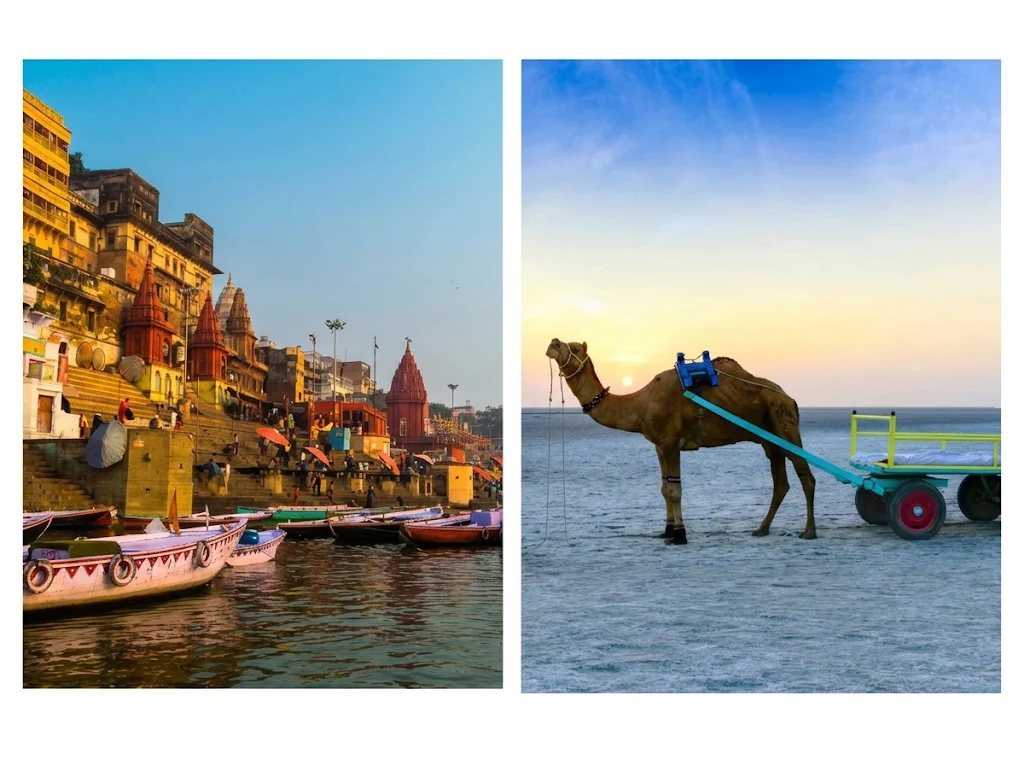
Varanasi in Uttar Pradesh remains one of India’s most distinctive cultural destinations, known for its ancient lanes, temples and historic ghats along the Ganga River. Visitors can experience the city through sunrise boat rides, riverside activities and visits to prominent locations such as Dashashwamedh Ghat. The evening Ganga Aarti, with its lamps, chants and traditional rituals, is among the experiences that draw visitors to the city. Its living traditions and religious heritage make Varanasi an important destination for cultural and spiritual tourism.
In Gujarat, the Rann of Kutch offers a striking landscape of expansive white salt flats, particularly during the dry season. Its sunsets, open desert scenery and traditional Kutchi architecture create a distinctive setting for visitors. The annual Rann Utsav further highlights the region through local music, dance, handicrafts and cultural traditions. Together, Varanasi and the Rann of Kutch illustrate how India’s living heritage and natural landscapes contribute to its international tourism appeal.
India’s recognition as Travel and Leisure’s Destination of the Year for 2027 places renewed attention on the country’s wide-ranging tourism experiences. The 10 destinations offer travellers opportunities to explore its natural beauty, historic architecture, regional cultures and local traditions. Beyond well established travel circuits, they also highlight places that can encourage visitors to discover different parts of the country. The recognition provides an international platform to showcase India’s diverse destinations to a wider audience.