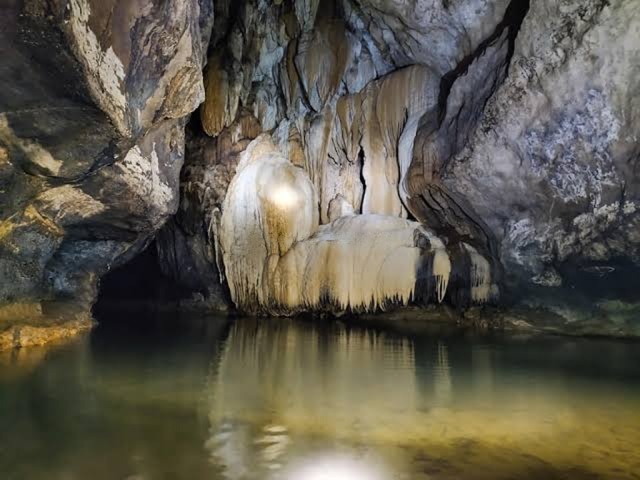
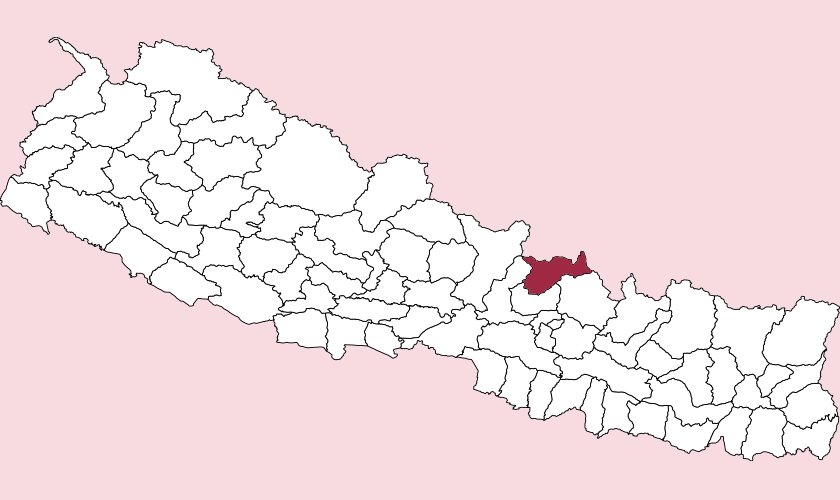
Sita Cave, a historically and religiously significant heritage site in Rasuwa, is gradually deteriorating due to years of neglect and a lack of proper conservation. Located in Bokejhunda, Ward No. 6 of Gosainkunda Rural Municipality, the cave is known locally as Sangtormo and holds cultural importance within the area’s Buddhist heritage. Despite its historical background and tourism potential, the site has become overgrown with vegetation and increasingly difficult to access. A group of seven local youths is now planning to clean and promote the cave to preserve its heritage and introduce it to a wider audience.
Situated approximately five kilometres from Dhunche, the cave lies around 30 metres below the Pasang Lhamu Highway, along an old traditional walking route. The site was once connected to an important trail used by local communities and traders travelling between Tibet and the lower settlements. However, the construction of the highway gradually reduced movement along the old route, leaving the cave increasingly isolated. Its revival could help bring renewed attention to an overlooked heritage attraction in Rasuwa.
Ancient Buddhist Heritage and Religious Significance
Sita Cave is associated with a Buddhist nun named Sita and should not be confused with Sita from the Hindu epic Ramayana. According to local accounts, three female disciples of Guru Rinpoche, named Dolma, Sonam and Sita, once lived and meditated inside the cave in search of spiritual peace. Local traditions describe the cave as a place where the nuns practiced imeditation and offered blessings to visitors. These beliefs give the site a distinctive religious identity and make it an important part of the area’s Buddhist heritage.
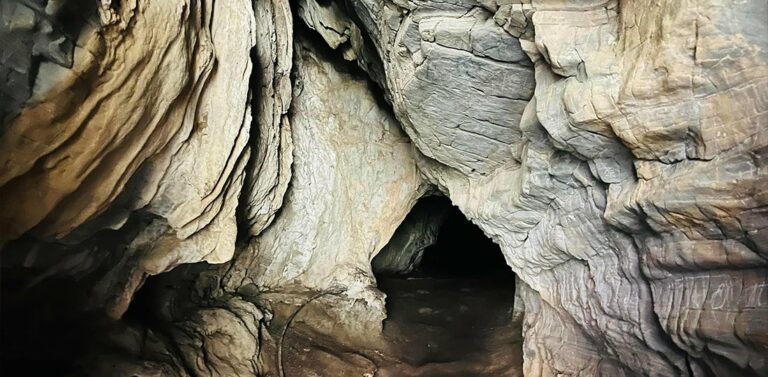
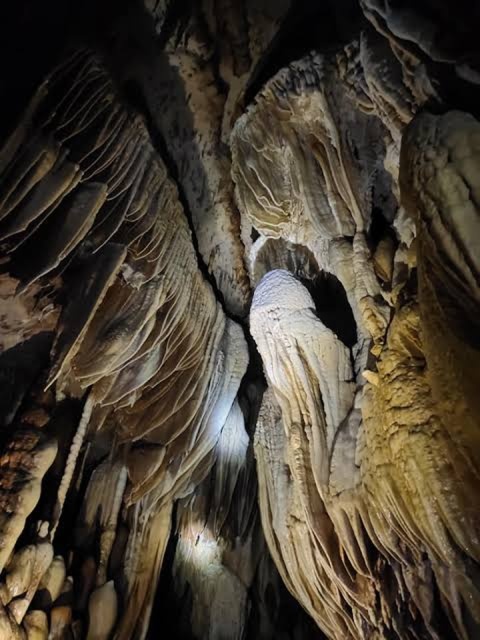
The cave also contains physical features that reflect its historical and cultural importance. Inscriptions written in Lama script can still be seen on its smooth stone walls, while traditional objects believed to have been used by the nuns remain around the site. These include agricultural and household items such as traditional tools and utensils. Proper documentation and conservation of these features could help preserve the cave’s heritage value while providing visitors with a deeper understanding of local religious traditions.
Historic Trade Route Adds Cultural Value
Before the construction of the Pasang Lhamu Highway, the old trail near Sita Cave served as an important route for movement and trade. According to local teacher Ram Gyalbo Ghale, traders travelling from Tibet used the route to bring salt down to lower settlements. He also recalled that the trail was used by people travelling through the region before the highway changed local transportation patterns. Although the route is no longer regularly used, traces of the old pathway remain visible near the cave.
The surrounding settlement of Bokejhunda also carries historical significance, with local traditions linking its name to an incident during the Rana period. According to these accounts, soldiers under Jung Bahadur Rana reportedly hung a tiger they had killed from an approximately 500 year old Champ tree, leading to the settlement’s earlier name, Baghjhunda. The historic tree reportedly fell on Asar 6, while an inscription indicating the distance of 19 kos from Hanuman Dhoka in Kathmandu remains at the location. These historical associations add another dimension to the area’s potential as a cultural heritage destination.
Seven Local Youths Plan Cave Conservation
The deteriorating condition of Sita Cave has raised concerns among residents, who say the site has received little attention from the responsible authorities. The 2015 earthquake also damaged traditional houses in the surrounding settlement, prompting many residents to relocate closer to the highway. As older settlements became less active, several historical and cultural features gradually lost visibility. Local residents believe that stronger conservation efforts are needed to protect these assets for future generations.
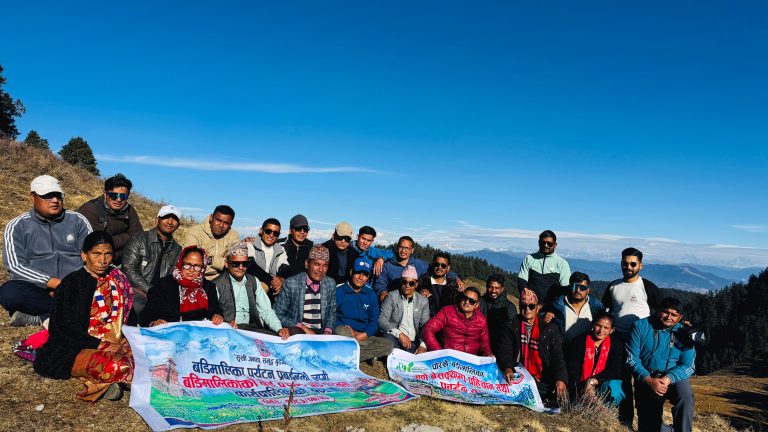
In response, a group of seven local youths led by teacher Ram Ghale is planning to clean the cave, clear overgrown vegetation and promote its historical and religious significance. Their initiative aims to make the site more accessible and encourage wider recognition of its cultural value. The group hopes that community involvement will help protect the cave even as they seek greater attention from government authorities. This local effort could become an important starting point for the conservation and promotion of the neglected heritage site.
Sita Cave Holds Potential for Rasuwa Tourism
Local residents believe that proper conservation and promotion could attract both domestic and international visitors to Sita Cave. The site is located approximately 1.5 kilometres below Chhangam Devi, another religiously significant destination in the area. Promoting these attractions together could create opportunities for visitors interested in Buddhist heritage, traditional culture and historical walking routes. Such initiatives could also encourage travelers to explore lesser known destinations beyond Rasuwa’s established trekking and pilgrimage attractions.
The development of Sita Cave as a cultural tourism destination would require coordinated support from local authorities, heritage conservation bodies and community groups. Initial priorities could include site cleaning, historical documentation, visitor access improvements and the preservation of existing inscriptions and traditional objects. With proper planning, the cave could contribute to local employment and create additional economic opportunities for surrounding communities. Preserving Sita Cave would therefore protect an important part of Rasuwa’s heritage while opening new possibilities for religious and cultural tourism.